

Your smartphone spends more time sitting somewhere than it does in your hand. A café table, your bed, a meeting room, the kitchen counter, your car’s cup holder. Most of us put it down without thinking twice. Yet where your phone rests can affect privacy, battery health, distractions, accidental damage, and even theft. These clever hacks aren’t about buying new accessories. They’re about changing small habits that make a bigger difference than most people realise.
Flip It Over When Your Brain Needs To Focus

Researchers have found that simply seeing your phone can reduce concentration, even if you never unlock it. During meetings, studying, or deep work, placing your phone face down or completely out of sight removes one of the biggest visual distractions before it steals your attention.
Stop Advertising Your Notifications

Lock screens often reveal much more than people realize. Banking alerts, calendar reminders, delivery updates, authentication codes, and personal messages can all appear while your phone sits unattended. In airports, waiting rooms, cafés, and shared offices, a face-up phone can accidentally become public information.
Rough Surfaces Scratch More Than Screens
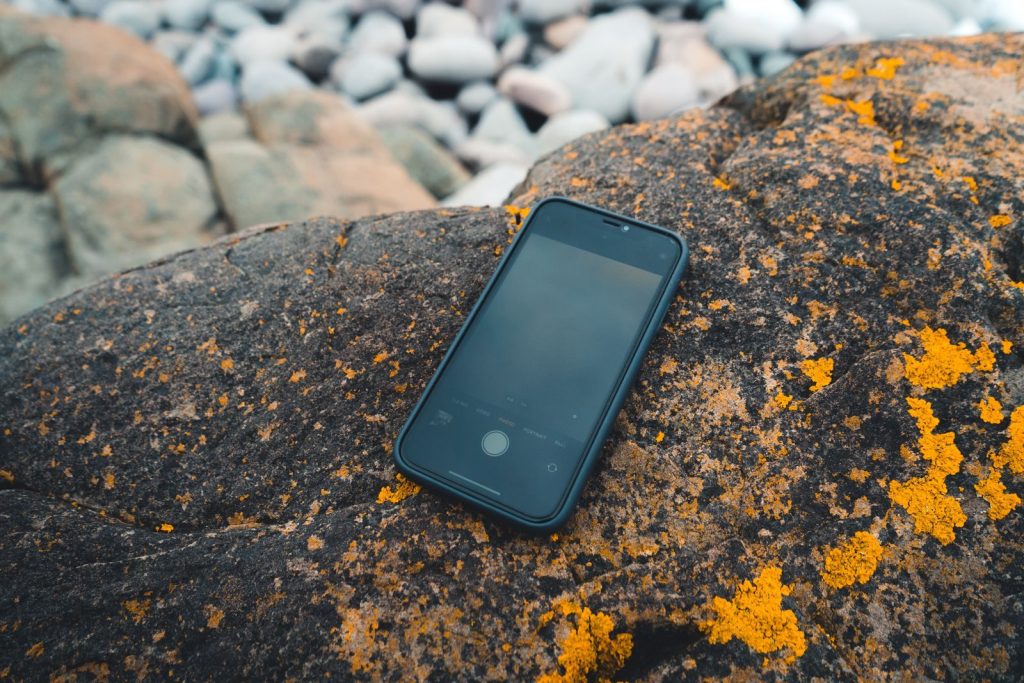
Many people carefully protect their displays but forget the raised camera lenses on the back. Concrete picnic tables, stone countertops, sandy beaches, and brick walls can gradually wear protective lens coatings or scratch camera rings. A notebook, wallet, or soft cloth makes a much better resting place outdoors.
Don’t Let Other Electronics Heat Your Phone
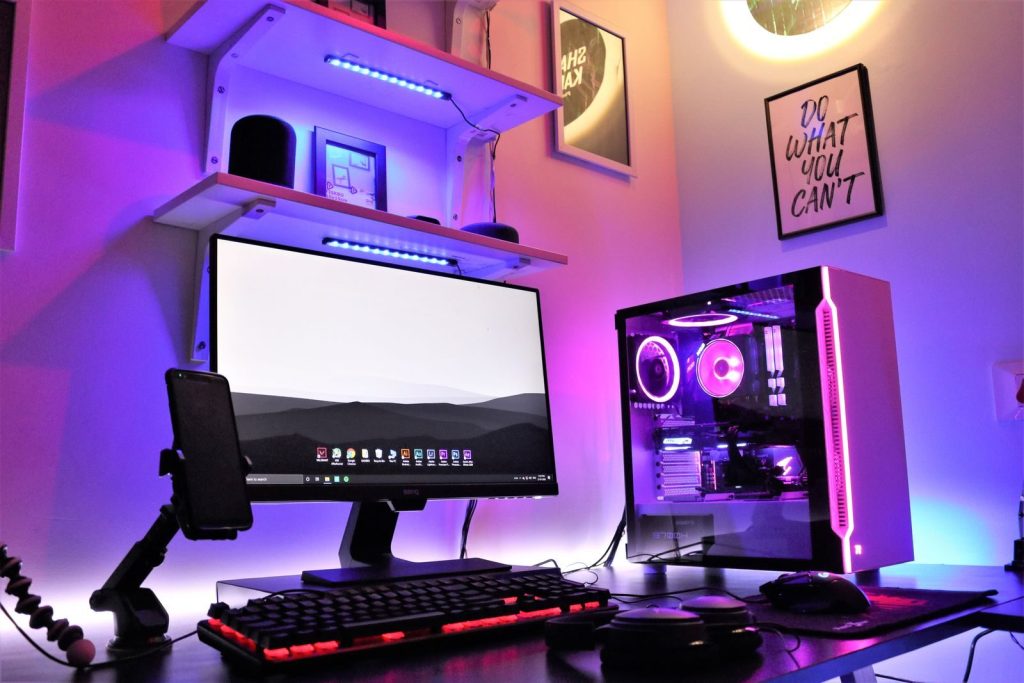
Heat is one of the biggest enemies of lithium-ion batteries. Placing your phone beside a gaming PC exhaust vent, under a laptop that’s rendering video, or on top of a game console exposes it to unnecessary warmth before you even start charging.
Your Bed Isn’t A Charging Station
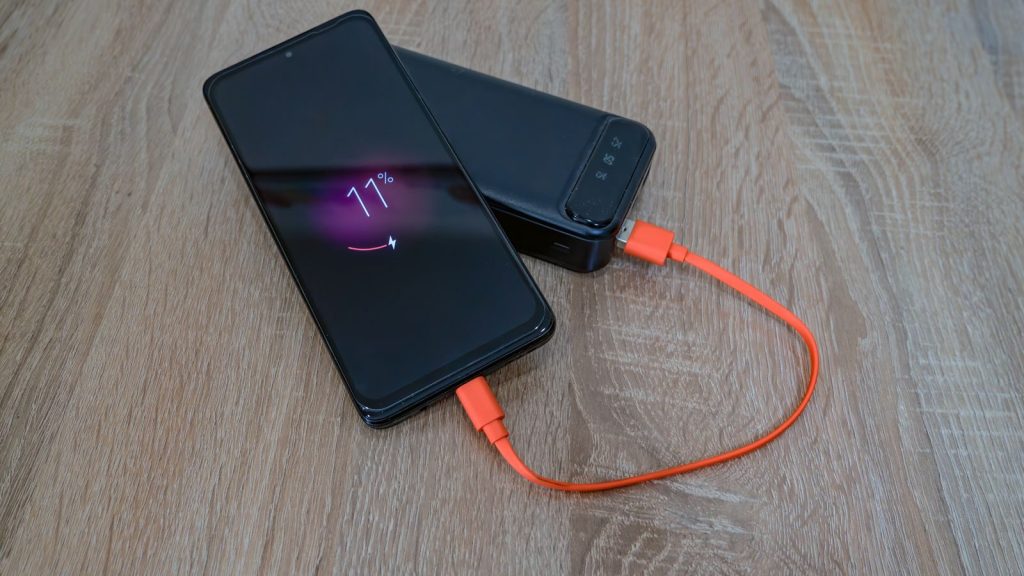
Charging under blankets, pillows, or thick comforters limits airflow around your phone. While modern devices include temperature protections, trapping heat night after night isn’t ideal for long-term battery health. A bedside table offers much better ventilation.
Public Tables Aren’t The Only Risk

Restaurants aren’t the only places where phones disappear. Train stations, airport lounges, waiting rooms, and food courts create countless moments where people stand up and forget the device they placed beside them. Making a habit of keeping your phone inside a bag or pocket until you actually need it reduces those opportunities.
Create One “Phone Home” Inside Your House
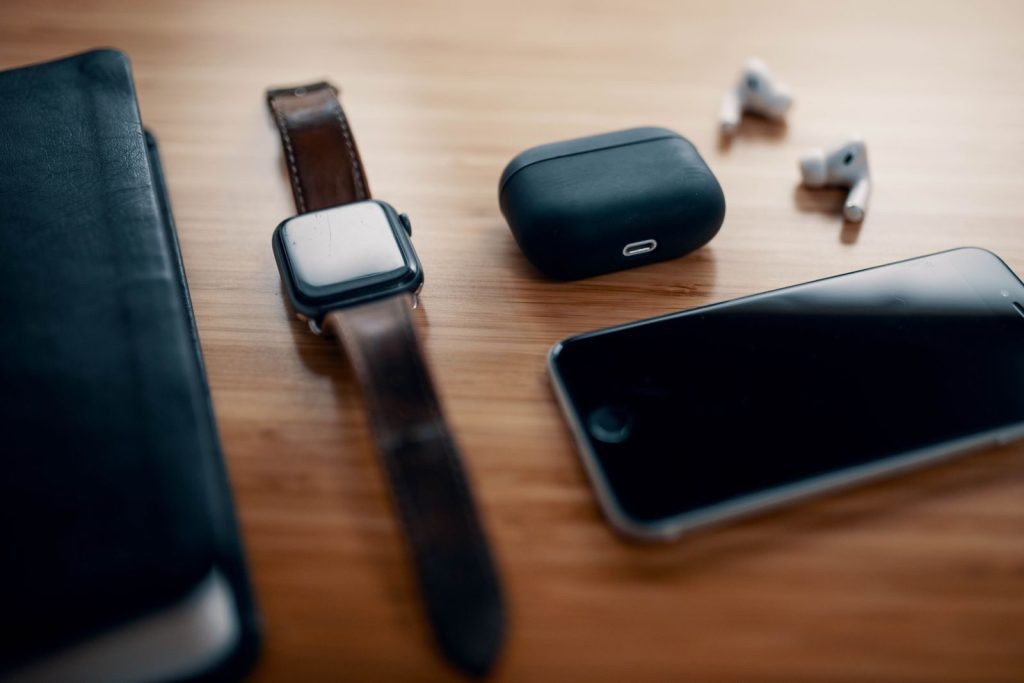
One surprisingly effective habit is giving your phone one consistent resting place whenever you’re home. Whether it’s an entryway charging shelf, a kitchen dock, or a bedside charging stand, having a dedicated spot reduces frantic searches, accidental drops, and unnecessary charging throughout the day.
The Best Phone Position Depends On The Situation

There isn’t one perfect place to set your phone. Sometimes, face down protects your privacy. Sometimes keeping it nearby matters because you’re expecting an important call. The real habit worth building is becoming intentional instead of automatic. A few seconds of thought about where your phone rests can improve focus, protect your privacy, reduce wear, and even save you from replacing an expensive device sooner than expected.