

When people think of perennials, they usually picture flower beds stretching across the yard. But many long-lived plants thrive just as well in containers when they’re given the right conditions. In fact, growing perennials in pots offers advantages you simply don’t get in the ground, from easier seasonal rearranging to better control over soil and drainage. These gardening hacks show how container-grown perennials can flourish year after year.
Match The Pot To The Root System, Not The Plant Size
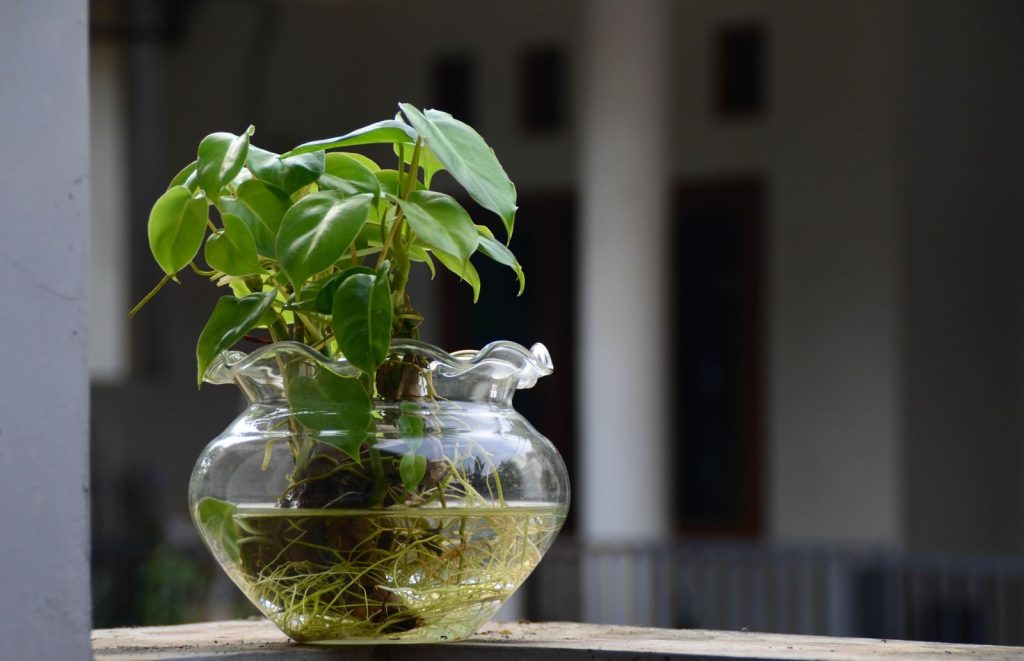
A compact-looking perennial can still have surprisingly deep roots. Lavender, baptisia, and many ornamental grasses perform much better in tall containers, while shallow-rooted plants like coral bells are happier in wider pots. Choosing the right pot shape often matters more than simply buying the biggest container.
Create A Portable Pollinator Garden
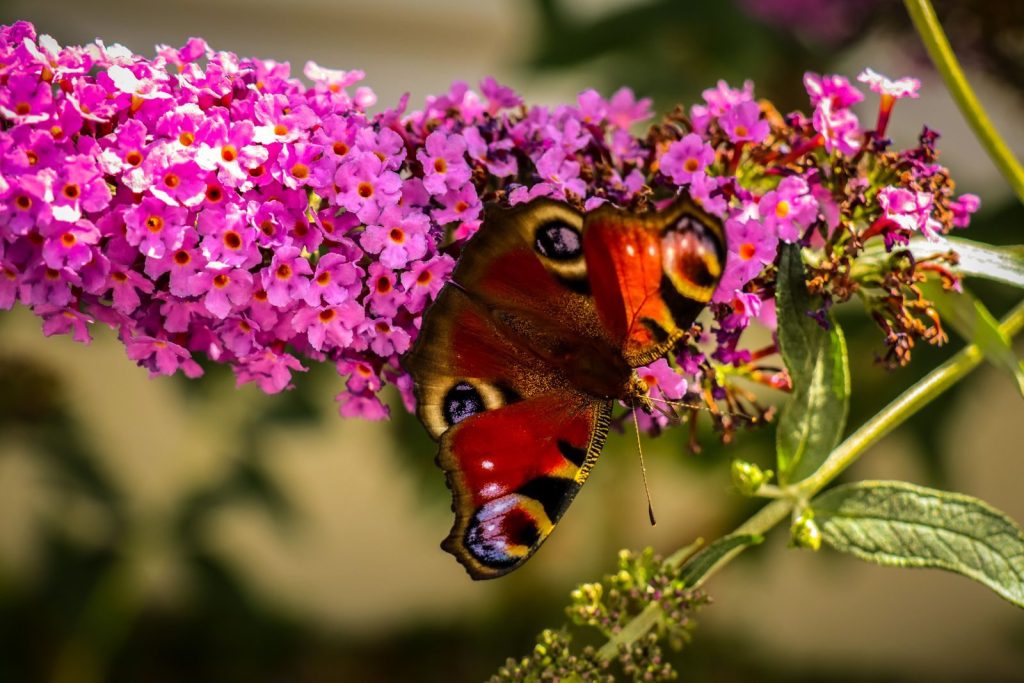
Instead of planting one large flower bed, group containers filled with bee- and butterfly-friendly perennials such as salvia, coneflowers, catmint, and lavender. You can move the entire collection to follow sunlight, refresh outdoor seating areas, or protect plants during extreme weather.
Use The “Pot-In-Pot” Trick For Winter
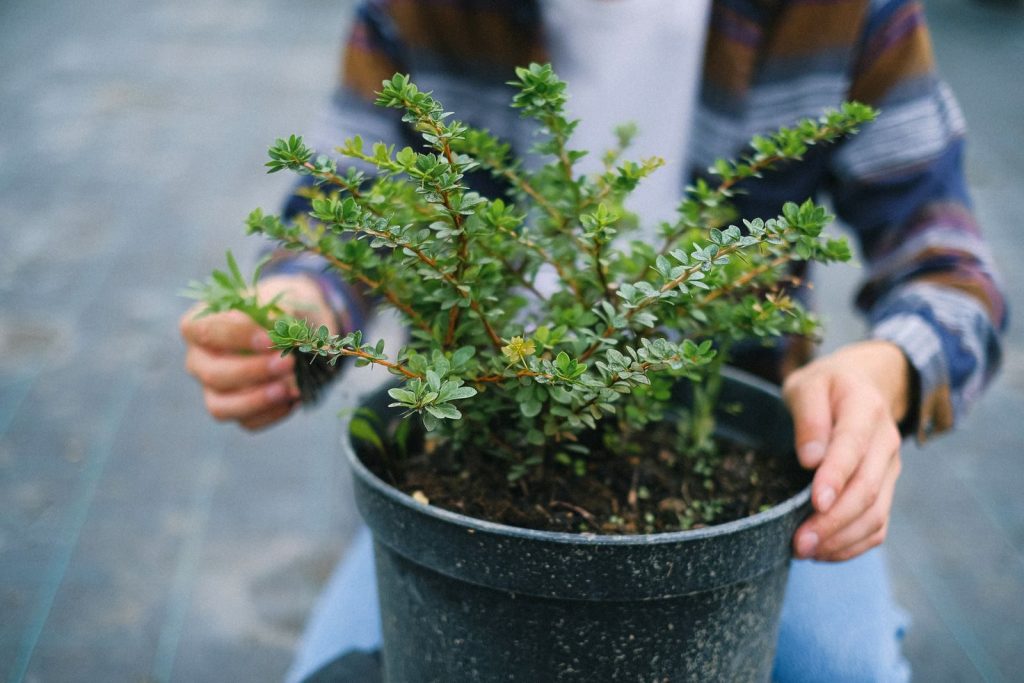
Gardeners in colder climates often bury a simple nursery pot inside a larger decorative planter. When freezing weather arrives, the inner pot can be lifted out and moved into an unheated garage or sheltered area without disturbing the roots or damaging heavy containers.
Build Seasonal Containers That Never Look Empty
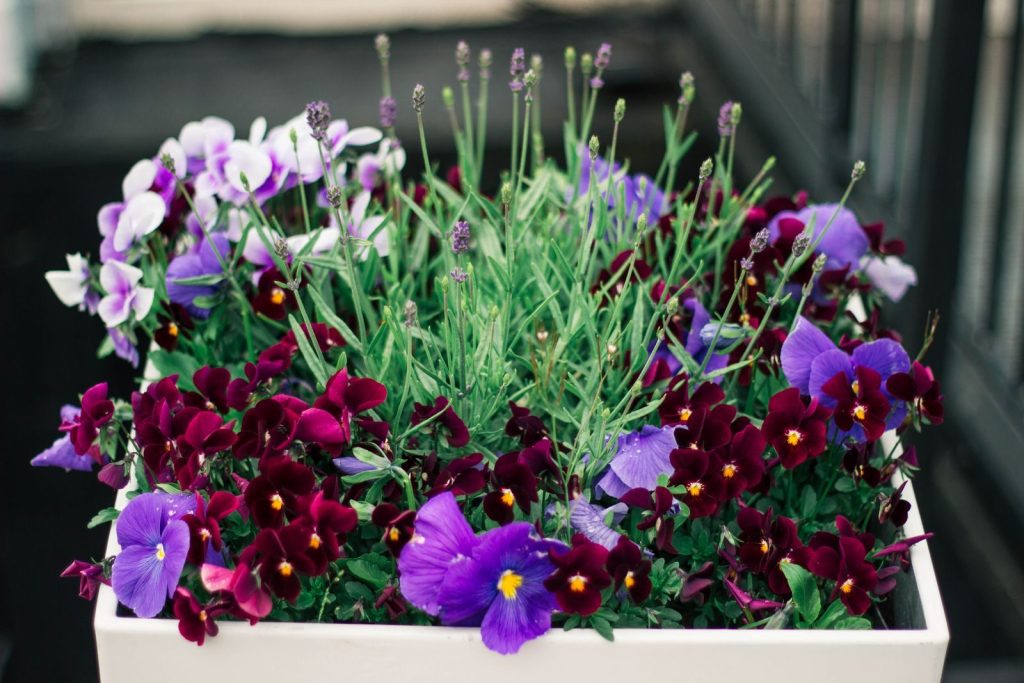
Mix long-lived perennials with seasonal annuals instead of relying on one or the other. The perennials provide structure year after year, while annual flowers can be swapped each season to keep containers looking fresh without replacing the entire planting.
Let Wheels Do The Heavy Lifting
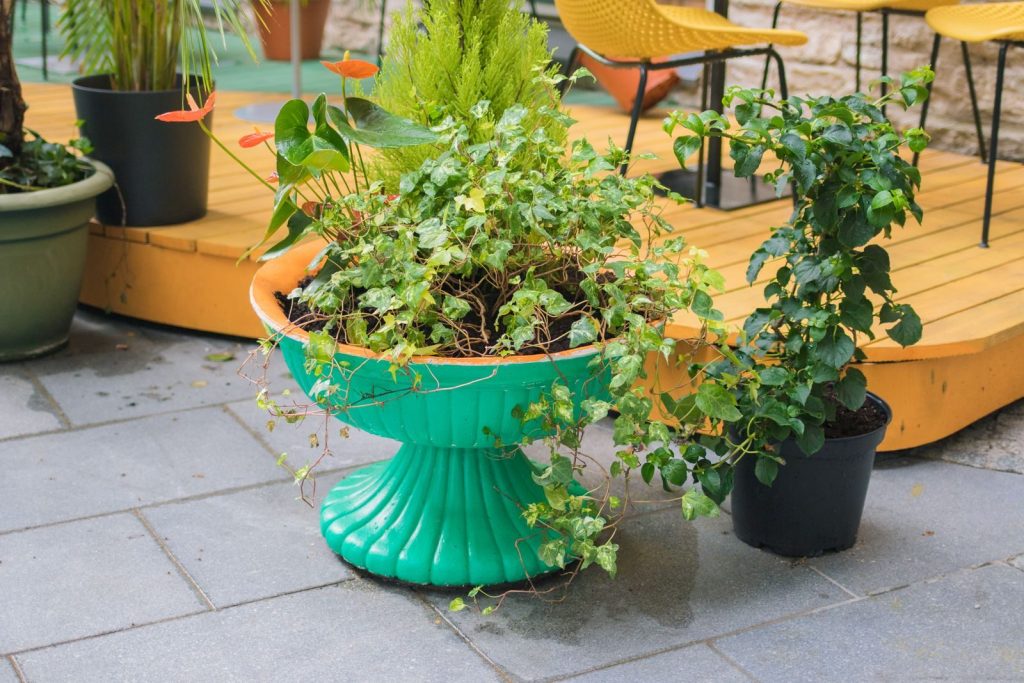
Large perennial containers can weigh well over 100 pounds after watering. Rolling plant caddies or hidden wheeled platforms make it easy to reposition heavy pots for better sunlight, storm protection, or outdoor entertaining without risking injury.
Group Pots To Create Their Own Microclimate
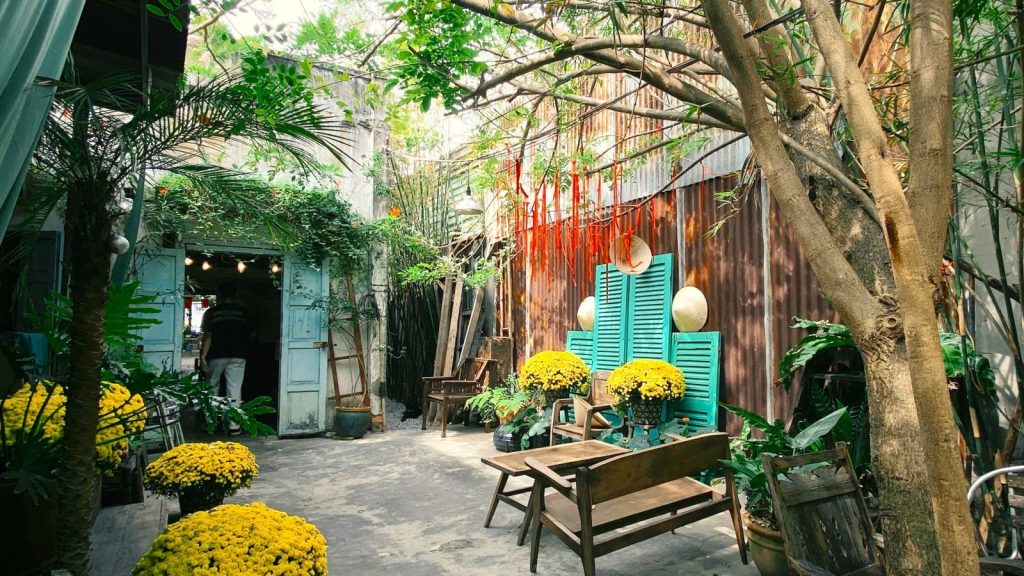
Instead of scattering containers across a patio, cluster them together. The plants naturally shelter one another from drying winds, reduce moisture loss, and help roots stay cooler during summer heat. This simple arrangement can also create a fuller, more established garden look.
Don’t Forget The Space Beneath The Soil
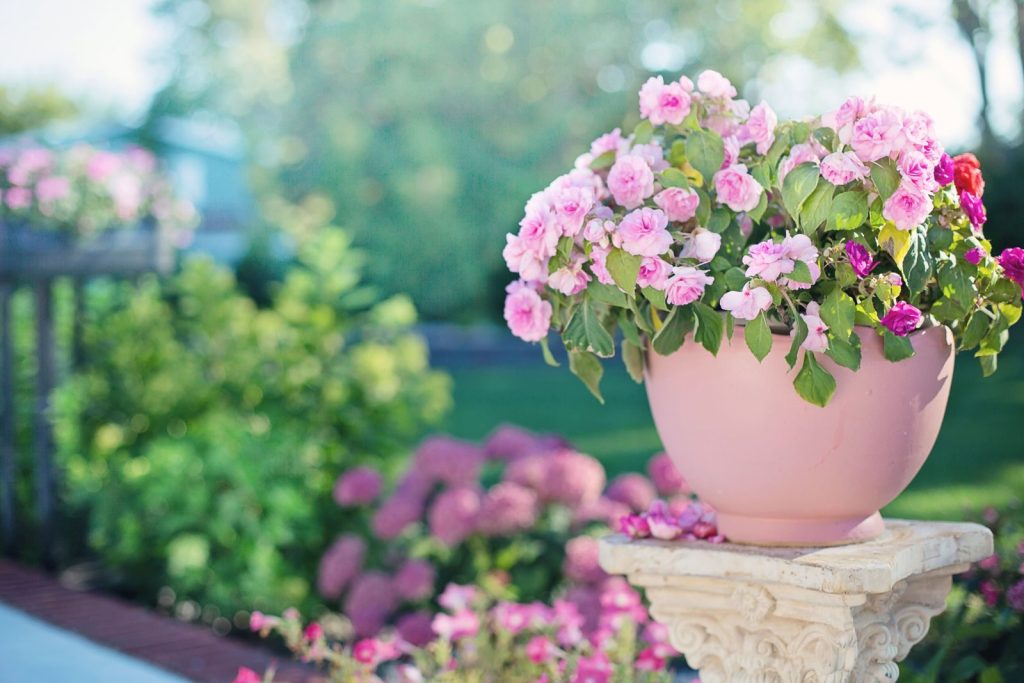
Many gardeners finish planting once the flowers are in place, but the soil surface deserves attention too. A thin layer of decorative gravel, pine bark, or shredded mulch helps reduce evaporation, keeps roots cooler, and gives containers a polished appearance.
Containers Can Be Permanent Homes Too
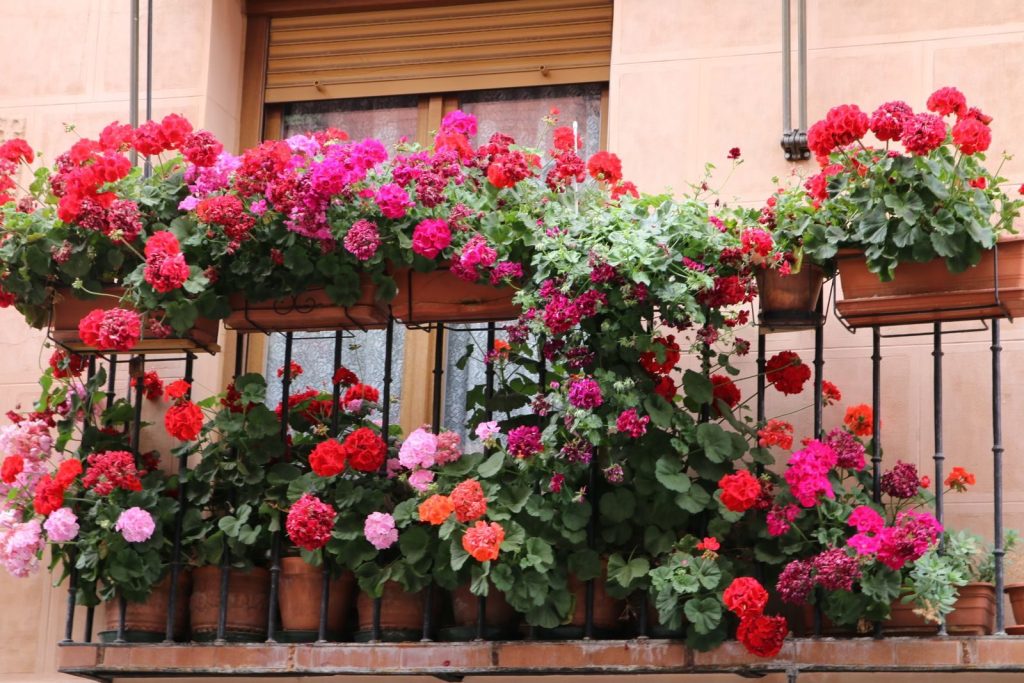
Growing perennials in pots isn’t just a solution for small spaces. It’s a flexible way to experiment with design, protect valuable plants, and enjoy long-lasting blooms on patios, balconies, rooftops, and entryways. With the right container, thoughtful planting, and a few clever techniques, perennials can thrive well beyond the traditional garden bed.