

Most people don’t think twice about their home address until they discover it’s showing up in online searches, old marketplace listings, or people-search websites. While it’s almost impossible to erase every trace of your address from the internet, you can make it much harder for strangers to find. These privacy hacks focus on reducing your digital footprint using practical steps that many people never think to take.
Search Yourself Like A Stranger Would

Before fixing your online privacy, find out what’s already public. Search your full name, phone number, and address using multiple search engines and browse beyond the first page of results. You may uncover forgotten directory listings, cached webpages, or old forum posts you completely forgot existed. Make a list before you start removing anything.
Remove Yourself From People-Search Websites

Many data broker websites collect information from public records and compile detailed personal profiles that often include home addresses, relatives, and phone numbers. Most major sites offer an opt-out request, although the process varies. Removing yourself from several of the biggest databases can significantly reduce how easily someone finds your address.
Check Old Marketplace Listings Before They Check You

Old Facebook Marketplace, Craigslist, or local selling posts often reveal neighbourhoods, street names, landmarks, or pickup locations. Even if the item was sold years ago, the listing may still be searchable. Deleting outdated listings is one of the quickest ways to remove location clues.
Review Photos For Accidental Location Clues

It’s not always the caption that gives you away. House numbers, street signs, school uniforms, distinctive buildings, license plates, and even neighborhood landmarks can reveal more than you intended. Scroll through older social media albums with fresh eyes and crop or remove photos that expose unnecessary details.
Separate Your Personal Life From Online Sign-Ups

Using one email address for banking, newsletters, shopping, contests, and social media makes it much easier for companies to connect pieces of your online identity. Creating a second email for promotions and public registrations helps reduce how often your personal information travels between databases.
Audit Location Permissions Every Few Months
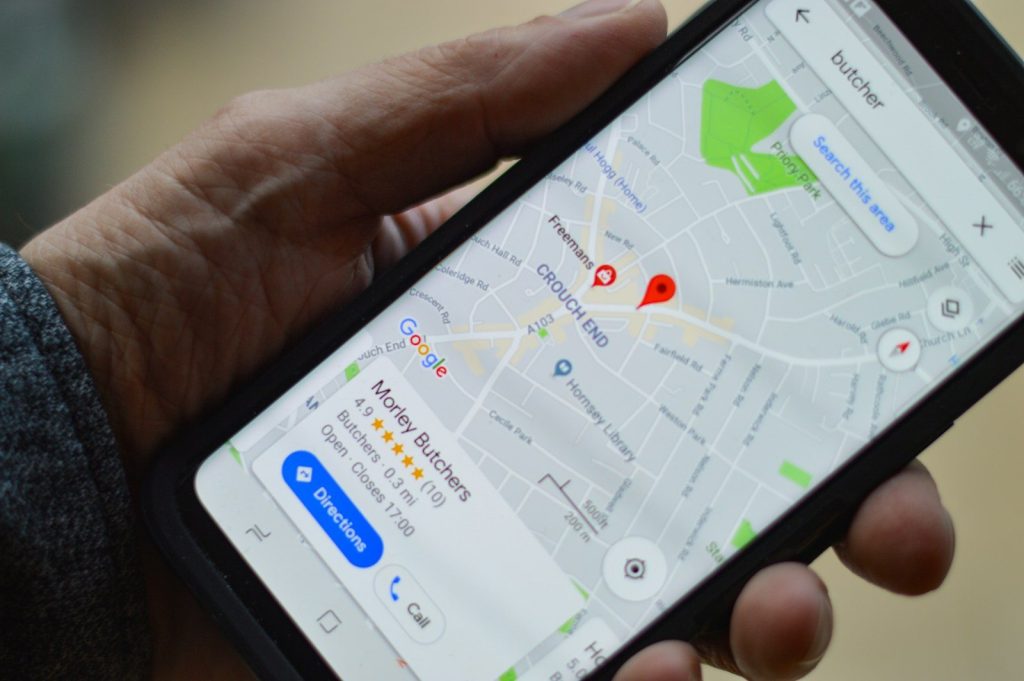
Many apps continue tracking your location long after you’ve stopped using location-based features. Open your phone’s privacy settings every few months and ask yourself whether each app truly needs continuous access. Removing unnecessary permissions limits how much location data is collected over time.
Blur Your Home On Street View If Privacy Matters

Several mapping services allow homeowners to request that images of their property be blurred. While this won’t remove your address from public records, it can reduce the amount of visual information available to strangers who search for your home online.
Privacy Isn’t About Disappearing. It’s About Sharing Less

Your home address doesn’t usually become public through one big mistake. It’s often dozens of small pieces of information collected over time. Searching for yourself, cleaning up old listings, reviewing photos, limiting app permissions, and opting out of people-search websites all help shrink your digital footprint. The less information available online, the harder it becomes for strangers to connect the dots.