

The body’s ability to handle a sugar hit isn’t constant throughout the day, it actually gets noticeably worse in the hours after lunch, when cortisol naturally dips and insulin sensitivity follows it down. That means the same cookie or soda that barely registers at breakfast can send blood sugar climbing higher, then crashing harder, in the mid-afternoon than it would at almost any other point in the day. Repeated sharp swings like that, over months and years, are part of what researchers studying dementia risk have been paying closer attention to, and the fix isn’t cutting out afternoon snacks entirely, it’s changing how you approach them.
Understand Why the Timing Itself Works Against You
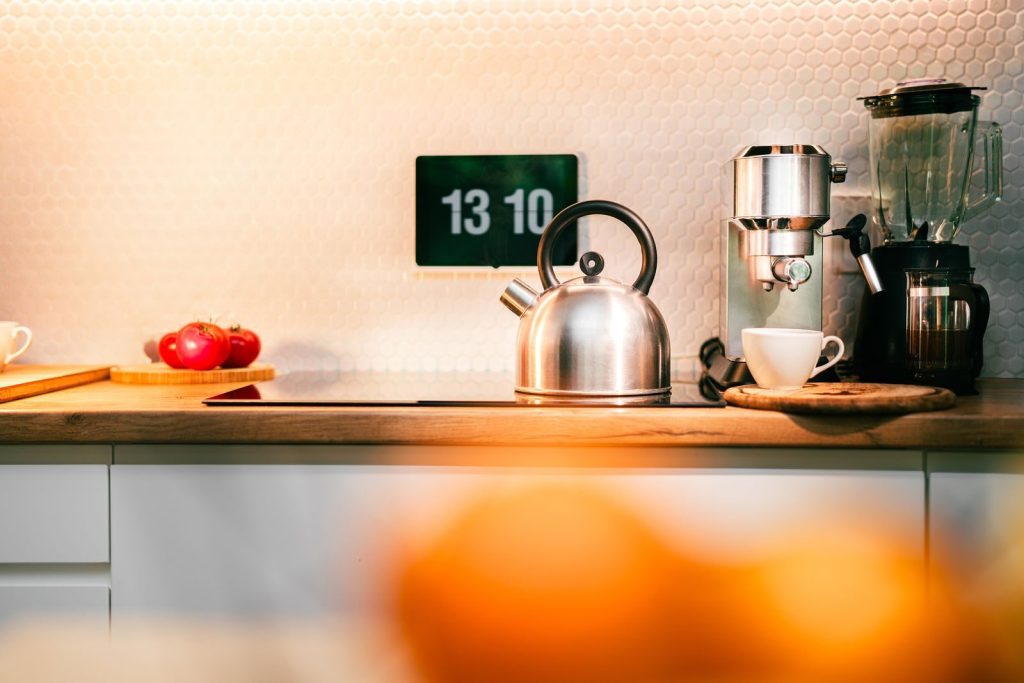
This isn’t about willpower or which snack is “healthiest” in the abstract, it’s about chemistry that shifts over the course of the day. Cortisol and insulin sensitivity both naturally dip in the afternoon, so the body is simply less equipped to handle a sugar load at that point than it was a few hours earlier. Knowing that the timing itself is working against you changes the whole approach, from “stop snacking” to “snack differently.”
Never Eat the Sugar Alone, Pair It With Protein or Fat
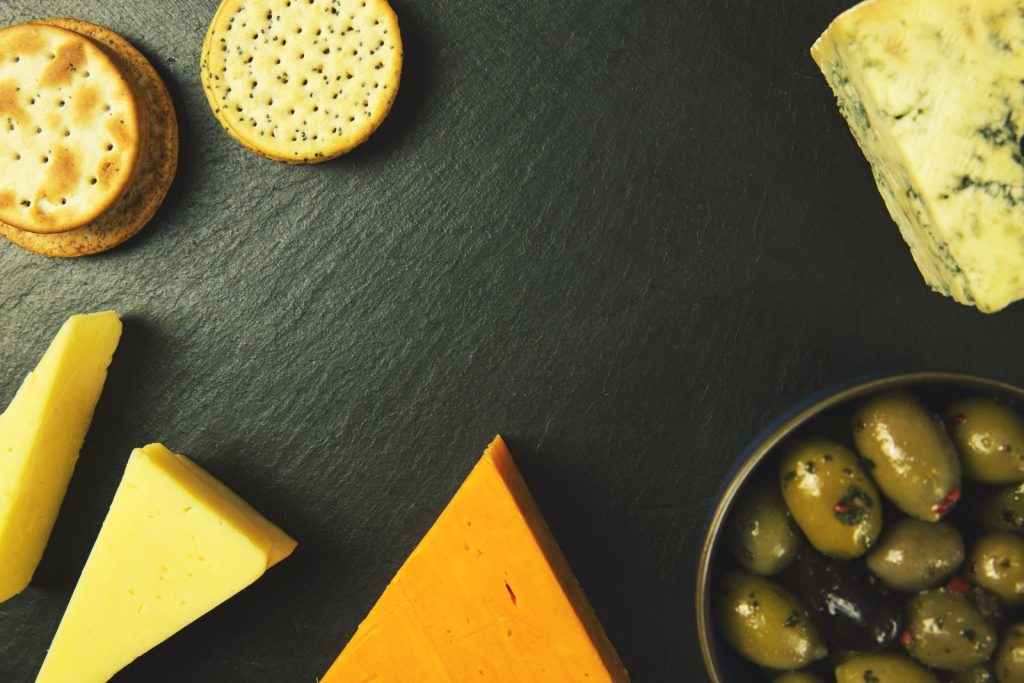
A handful of crackers hits completely differently than the same crackers eaten alongside a piece of cheese or a few almonds, since protein and fat slow down how quickly sugar enters the bloodstream. This is the single most useful change on this entire list, and it doesn’t require giving up a single snack you already enjoy, just adding something alongside it.
Take a Short Walk Right After Eating It
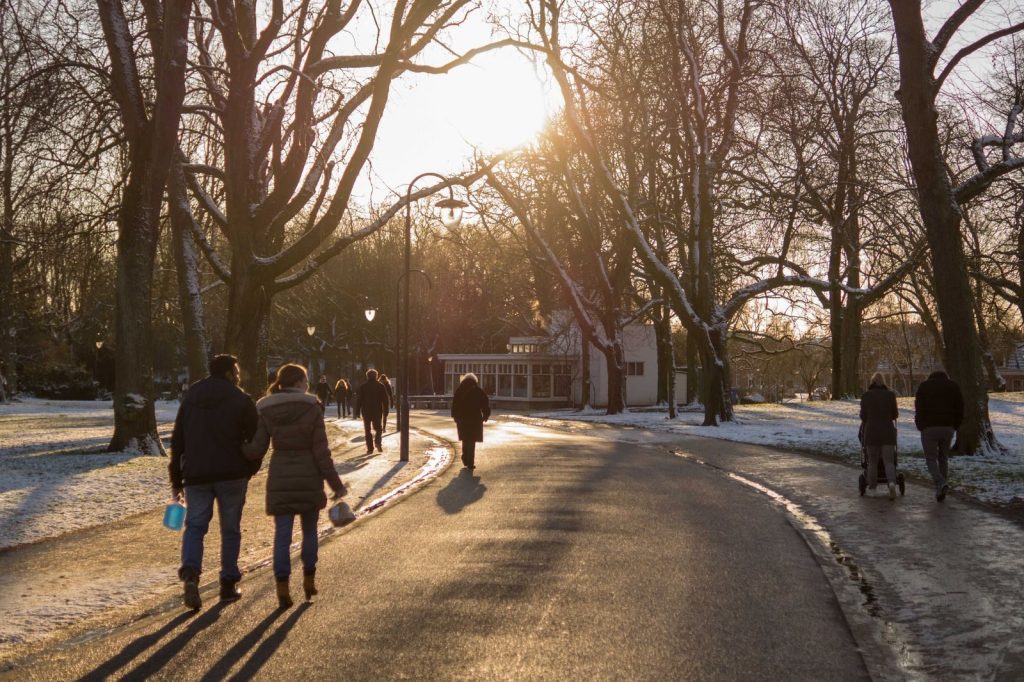
Moving your muscles pulls glucose out of the bloodstream directly, almost like opening a second exit door for the sugar that just hit your system. A walk around the block or even a few minutes pacing during a phone call does measurably more than sitting still does, and it works specifically because of when you do it, immediately after eating, not whenever you happen to get around to exercise that day.
Swap In a Lower-Glycemic Option When You Can
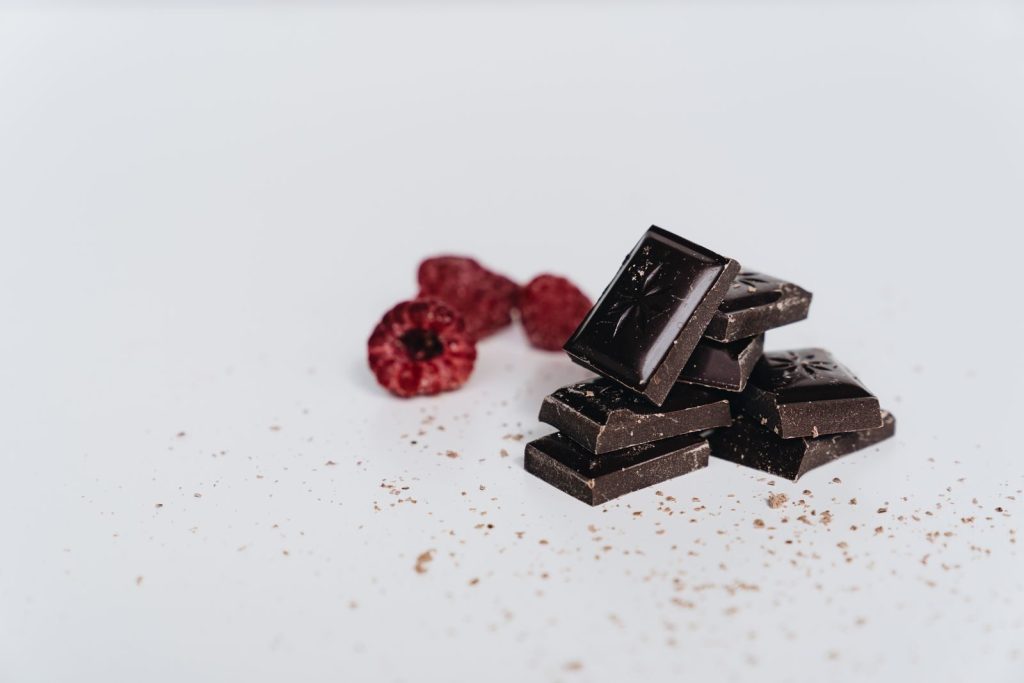
Not every sweet craving needs the same response. Berries, an apple, or a square of dark chocolate raise blood sugar more slowly than candy, soda, or anything made mostly of refined flour, which means less of a spike to begin with rather than just a smaller crash to manage afterwards. Keep one or two of these on hand specifically for the afternoon stretch, since that’s when the swap matters most.
Don’t Skip or Skimp on Lunch to “Save Room”
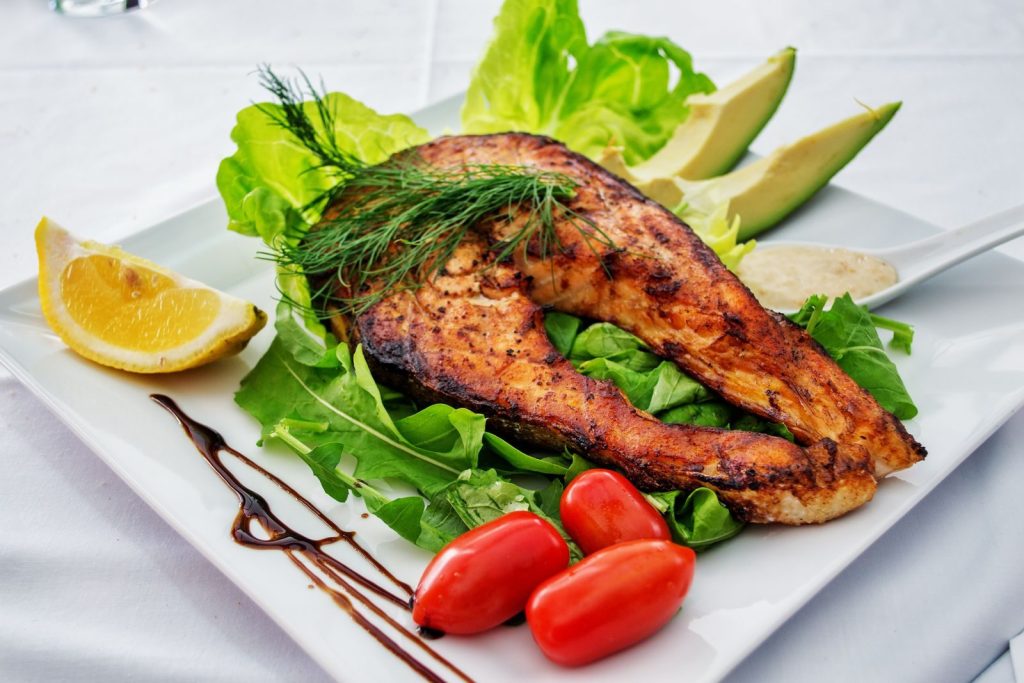
Arriving at mid-afternoon already running low on stable energy sets up whatever snack comes next to hit harder, since the body has less of a buffer left to work with. A lunch with real protein and fiber in it does more to prevent an afternoon crash than anything you do at snack time itself, because the problem often starts hours earlier than people realize.
Drink a Glass of Water Before You Decide You Need a Snack

Dehydration produces a kind of foggy, low-energy feeling that’s easy to mistake for a sugar craving, especially in the afternoon when energy is already dipping for other reasons. A glass of water and a few minutes’ wait sometimes resolves the craving entirely, and when it doesn’t, at least you’re reaching for the snack because you actually want it, not because you were thirsty.
Portion It Out Before You Start Eating
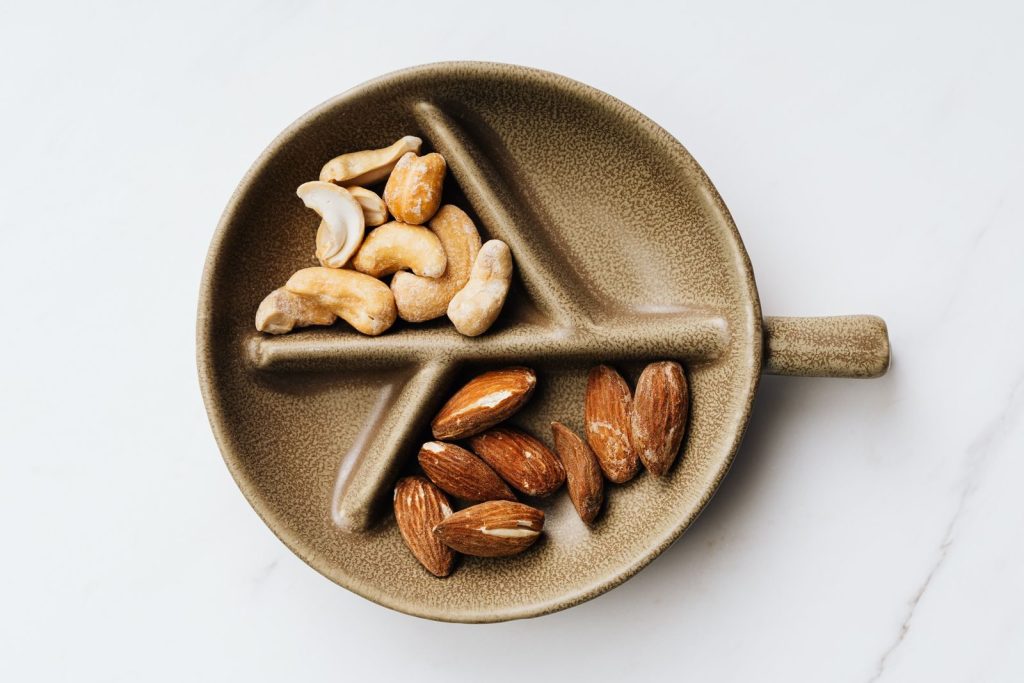
Eating straight from a bag or box makes it almost impossible to gauge how much sugar you’ve actually had until it’s already done its damage. Putting a single portion on a plate or in a small bowl before you take the first bite turns an open-ended snack into a defined one, which is most of what separates a manageable treat from an accidental binge.
Remember This Connects to More Than Just the Afternoon

A rough blood sugar swing doesn’t necessarily end when the afternoon does; it can affect how well you sleep that night, and sleep quality is its own separate piece of the long-term brain health picture. Treating the afternoon snack as one part of a bigger daily rhythm, rather than an isolated decision, is what actually moves the needle over time.
Small Shifts, Not a Snack Ban
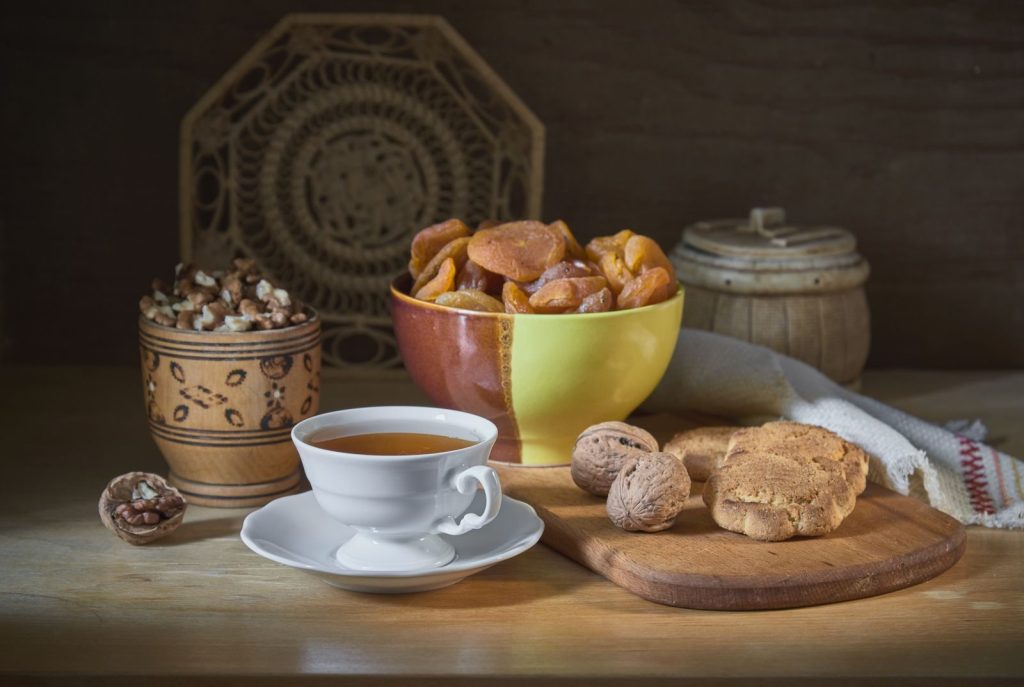
None of this means giving up the foods you enjoy in the afternoon, it means giving your body a little more help handling them: something alongside the sugar, a short walk afterward, and a lunch that actually holds you over. Small, repeatable habits like these do more over months and years than any single afternoon ever could.