

Many people check their bank balance regularly but rarely look at how their account actually works. Small banking habits can quietly lead to unnecessary fees, missed interest, or overlooked fraud. The good news is that a few simple changes can help you keep more of your money without changing your income. These banking hacks focus on practical habits that make everyday accounts work harder for you.
Turn On Low-Balance And Transaction Alerts
Most banking apps allow you to receive notifications whenever your balance drops below a chosen amount or when large purchases are made. These alerts can help prevent overdraft fees and make it easier to spot suspicious activity quickly.
Review Your Automatic Payments Every Few Months

Streaming services, gym memberships, forgotten apps, and trial subscriptions can quietly continue charging long after you’ve stopped using them. Reviewing recurring payments several times a year helps eliminate expenses that often go unnoticed.
Keep A Small Buffer In Your Checking Account
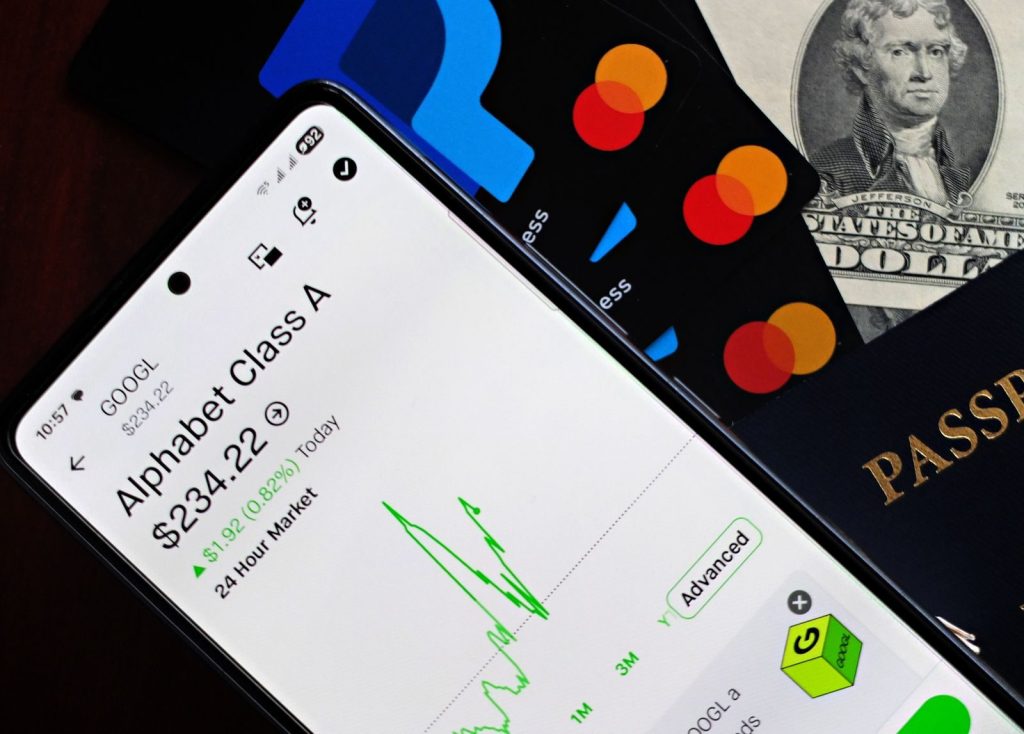
Rather than aiming to spend every available dollar, leaving a modest cushion in your checking account can reduce the risk of overdrafts caused by delayed transactions, automatic bill payments, or unexpected purchases.
Compare Savings Rates Once A Year

Interest rates on savings accounts can change over time, and not all banks offer the same returns. Spending a few minutes each year comparing available options may help your savings earn more without requiring additional deposits.
Check Your Statements For More Than Purchases
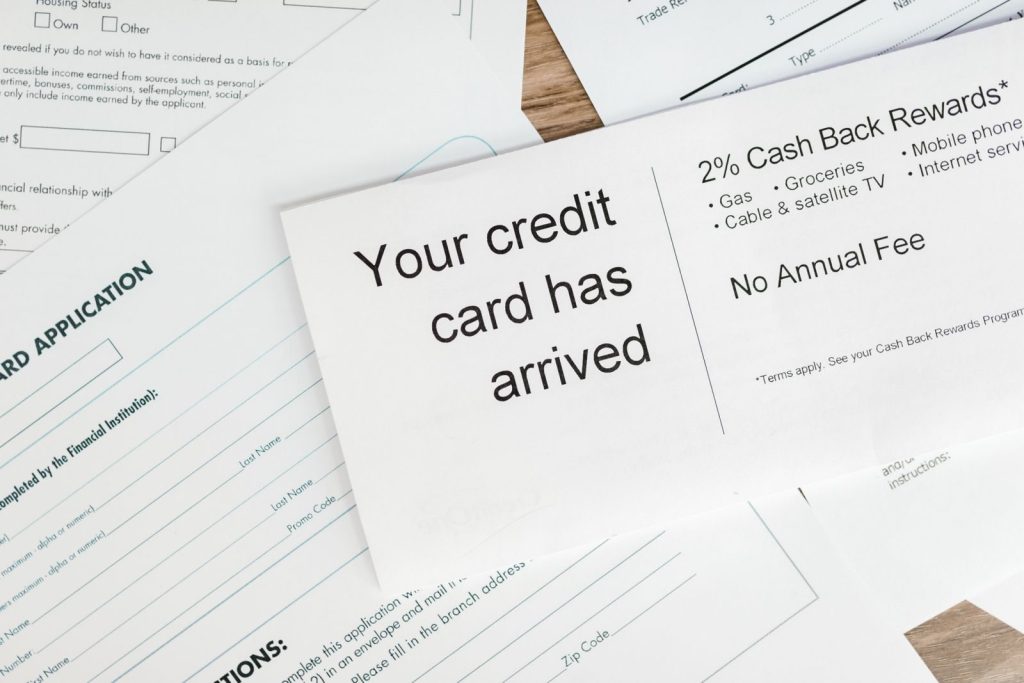
Many people only scan their statements for unfamiliar transactions. It’s also worth reviewing monthly maintenance fees, ATM charges, foreign transaction fees, and other service costs that can quietly add up over time.
Keep Your Contact Information Up To Date
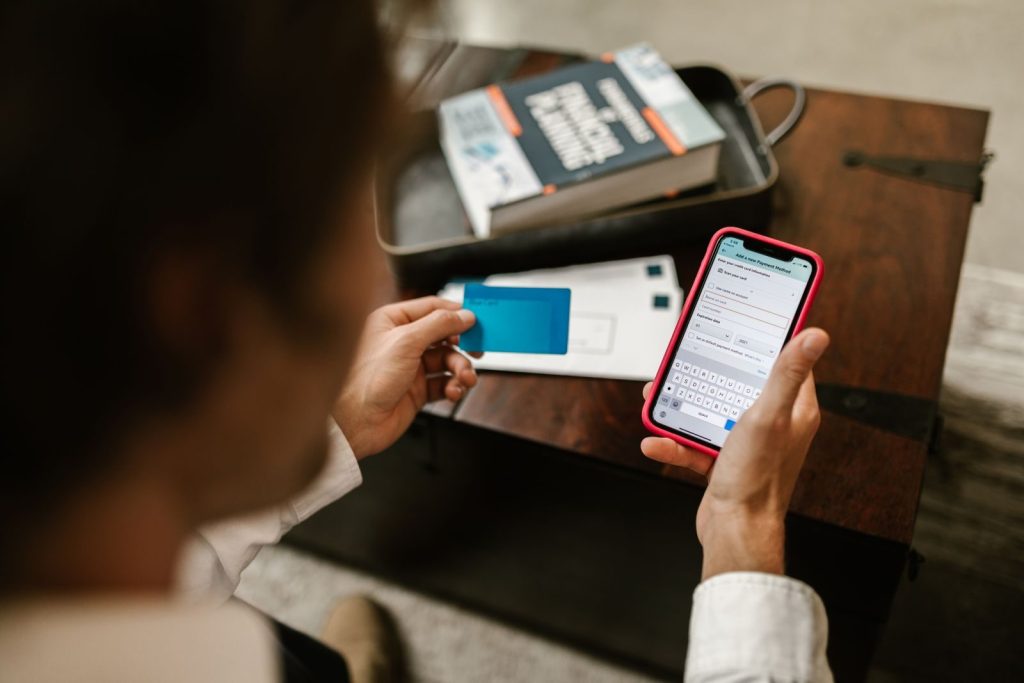
Banks often send fraud alerts, verification requests, and important account notifications by phone, email, or text. Outdated contact details could delay warnings about suspicious activity or prevent you from responding quickly.
Add Beneficiaries Before You Need To

Many people postpone naming beneficiaries on eligible accounts. Keeping this information current can simplify the transfer of assets and reduce administrative complications for loved ones in the future..
Smart Banking Is Mostly About Small Habits
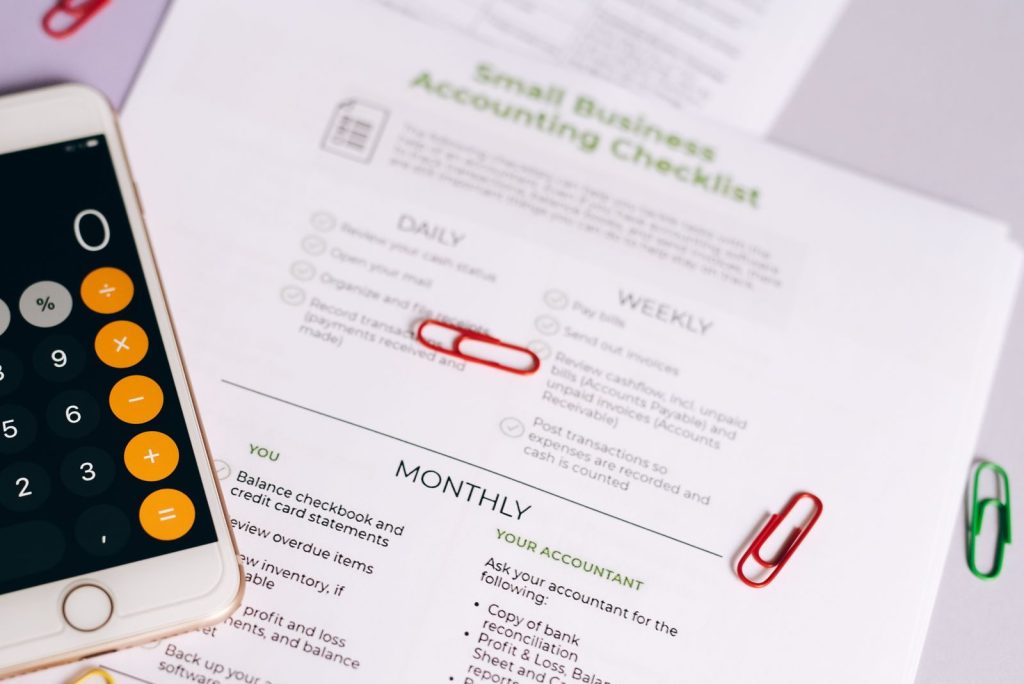
Managing your money isn’t only about earning more. It’s also about avoiding unnecessary losses. Reviewing subscriptions, checking statements carefully, comparing savings rates, enabling alerts, and keeping your account information current are simple habits that can help your bank account work more efficiently every day.