

Aluminium foil is one of the most-reached-for items in any kitchen, and almost everyone uses it the same way without ever questioning it. A food safety professor at Northeastern University recently put it plainly: while foil has plenty of legitimate uses, certain situations turn it from a convenience into an actual risk, to appliances, to food quality, and in some cases to health. None of these requires throwing out the roll, just knowing which jobs foil was never actually designed to do.
Never Put It in the Microwave
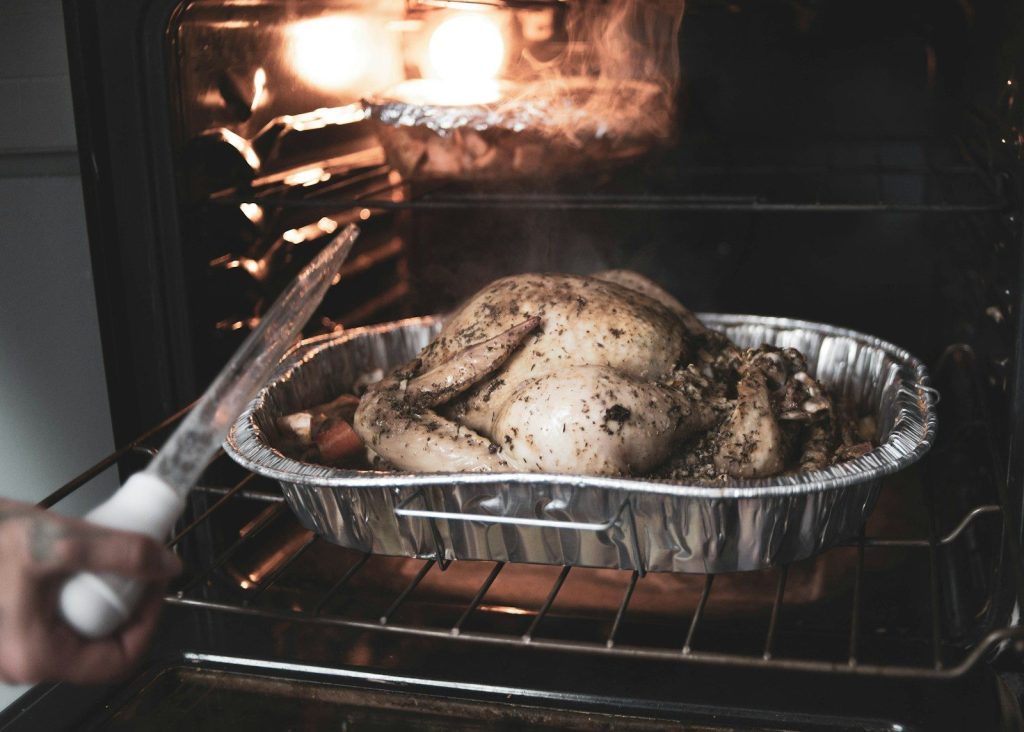
Aluminum foil reflects microwaves instead of allowing them to pass through, which causes arcing, sparks, and can start a fire inside the appliance. Even a small crinkle of foil accidentally left on a plate can trigger it. Microwave-safe covers, parchment paper, or a damp paper towel handle the same splatter-prevention job without any risk.
Stop Marinating Anything Acidic in a Foil-Lined Dish
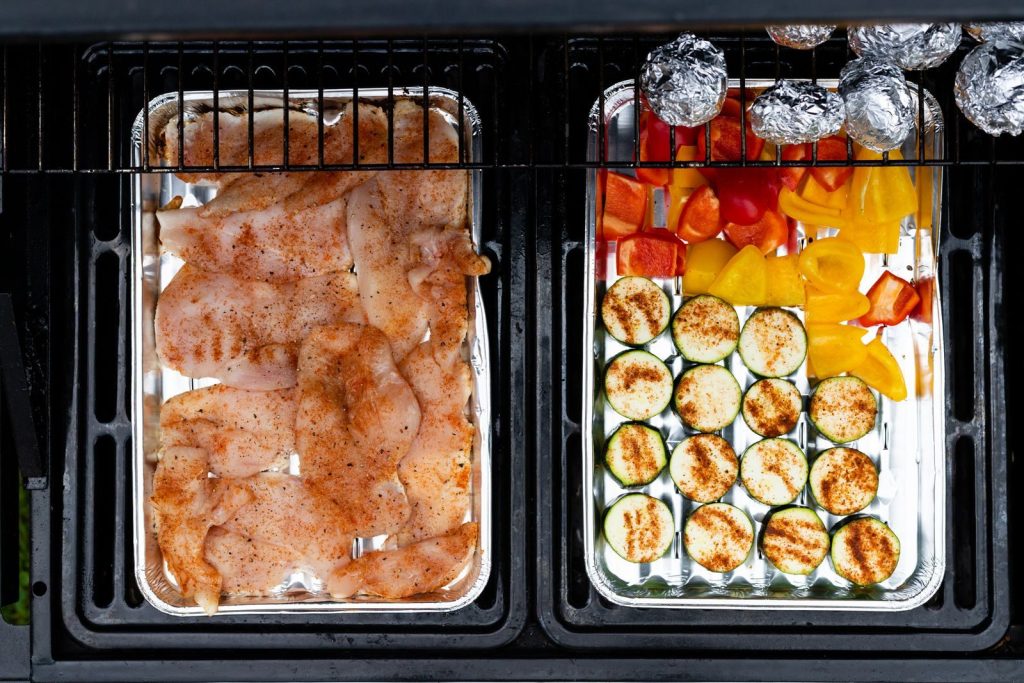
Tomatoes, citrus, vinegar, and wine all react chemically with aluminium when they sit in contact long enough, which breaks down the foil’s surface and transfers aluminium into the marinade itself. The reaction also produces a noticeable metallic taste in the finished dish. Glass or ceramic containers handle acidic marinades without any interaction.
Never Line the Bottom of Your Oven With It
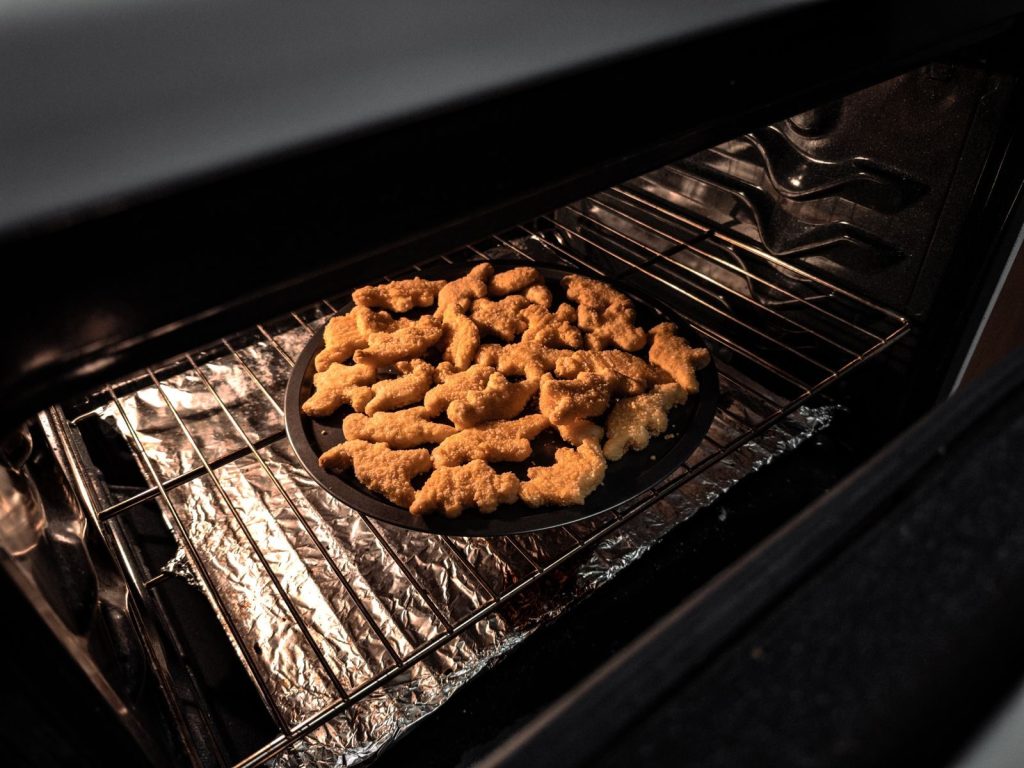
It seems like an easy cleanup solution but foil laid across the oven floor blocks airflow, causes uneven heat distribution, and can scratch the enamel coating underneath. Grease that drips onto foil can also ignite at high temperatures, turning a cleanup shortcut into a fire hazard. A purpose-made oven liner or a sheet pan on a lower rack catches drips without the same risks.
Do Not Use It as a Lid Over Dishes in the Air Fryer
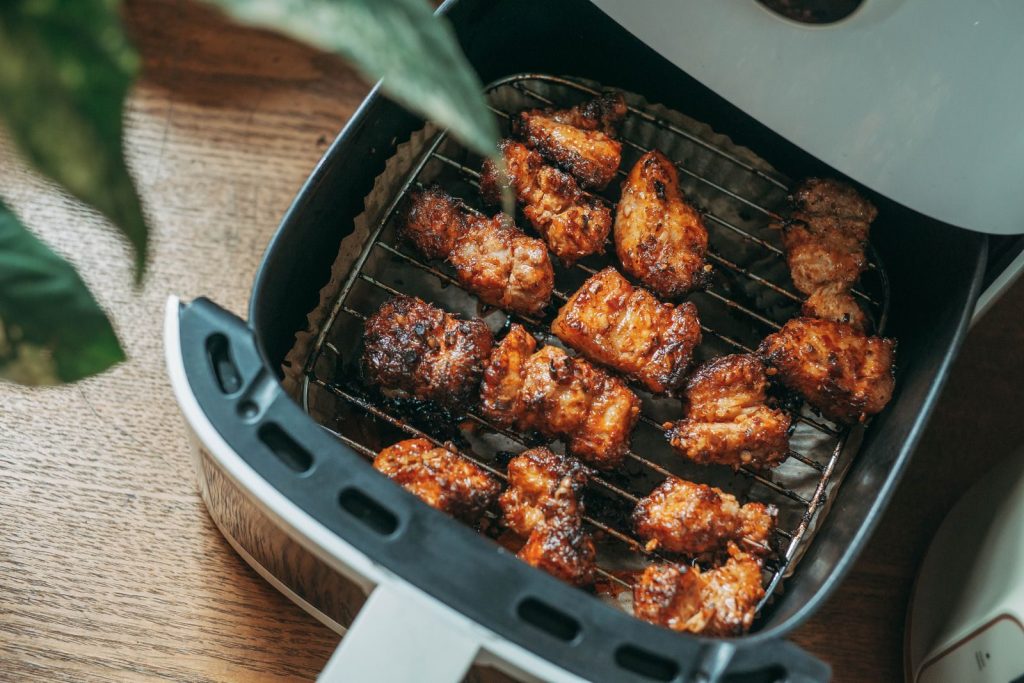
Air fryers rely on rapid, circulating hot air to cook food, and covering the basket or tray with foil blocks that circulation entirely, which defeats the purpose of the appliance. Loose pieces of foil can also get pulled up by the fan into the heating element. If the goal is easy cleanup, lining just the bottom of the basket with a small piece of foil weighted down by food is the safer approach.
Avoid Wrapping Leftover Acidic Foods for Long Fridge Storage
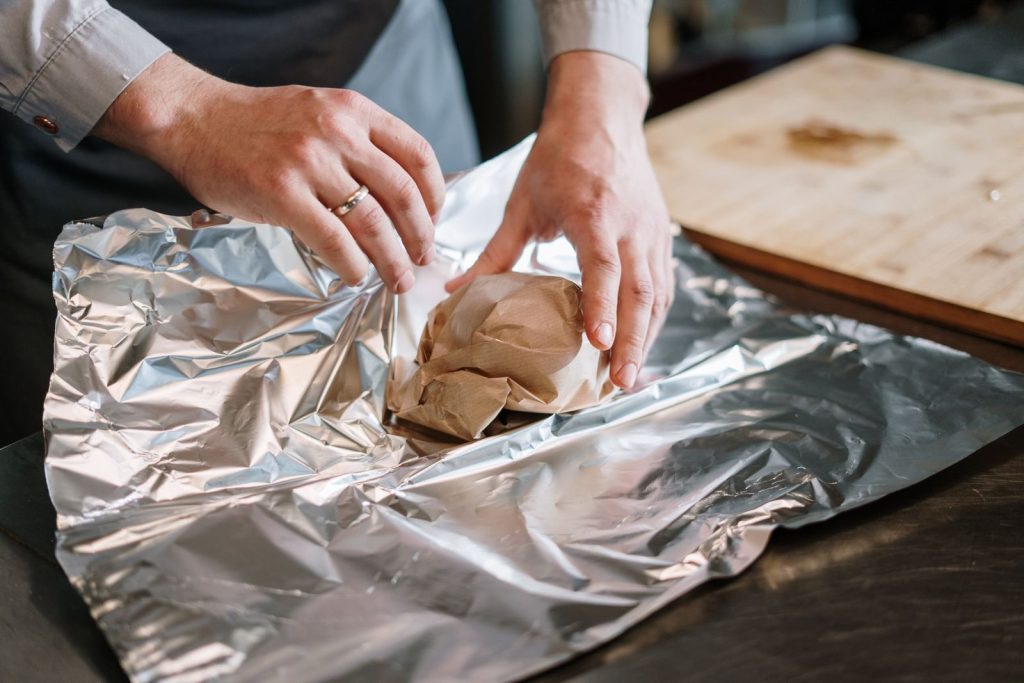
Short-term foil wrapping is generally fine for most foods, but acidic leftovers like tomato-based sauces, citrus dishes, or pickled foods react with foil over time in the fridge the same way they do during cooking. Extended contact degrades the foil and can alter the flavor and quality of the food. Airtight glass or stainless steel containers handle fridge storage for these foods without any reaction.
Stop Reusing Foil That Touched Raw Meat or Fish
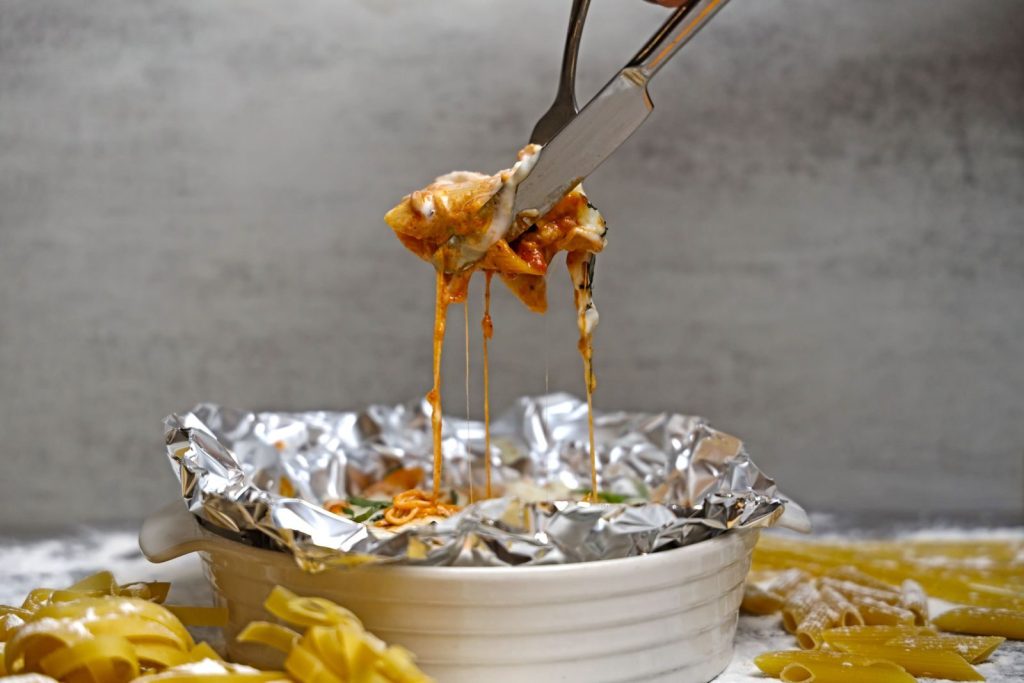
Reused foil carries food residues and bacteria on its surface from the first use, and unlike a washable container, foil cannot be cleaned effectively enough to reuse safely after contact with raw proteins. The cost difference between using a fresh sheet and risking cross-contamination makes this one of the clearer food safety calls in the kitchen.
Never Use It to Line the Grill Directly
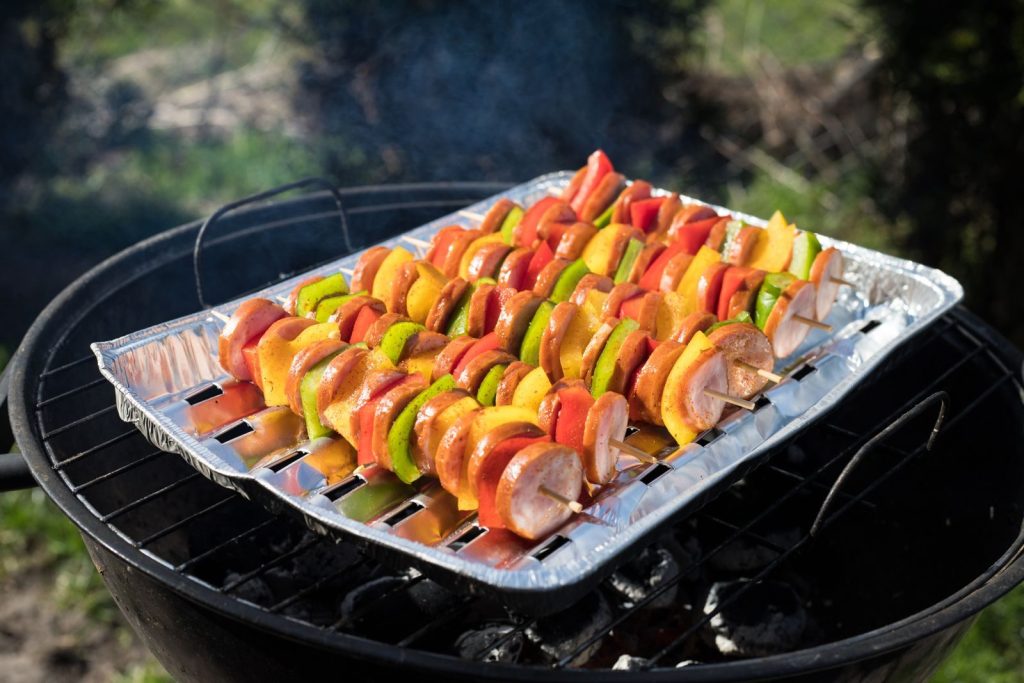
Covering grill grates entirely with foil traps heat underneath, blocks the airflow that controls cooking temperature, and can cause dangerous flare-ups when grease has nowhere to drain. It also defeats the point of grill marks and the dry, direct heat cooking that grilling is designed to produce. Foil packets for delicate vegetables or fish work well on the grill, just not as a full liner.
Do Not Bake Cookies or Delicate Pastries Directly on Foil
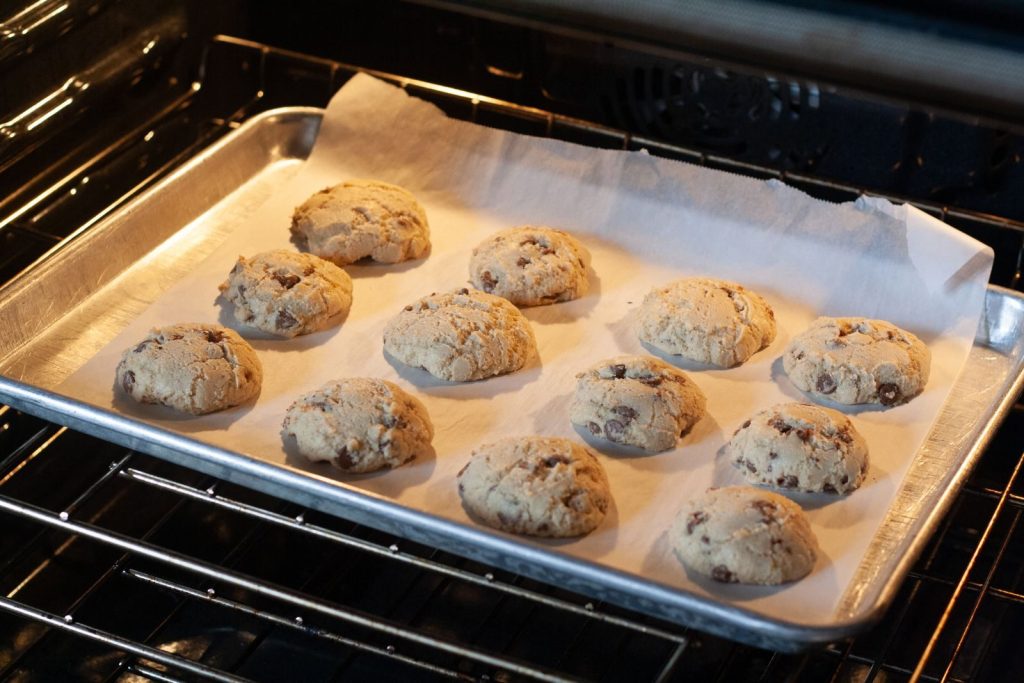
Aluminum is a highly efficient heat conductor, which means the bottom surface of whatever sits on foil gets significantly more heat than the top. Cookies brown and burn on the bottom before the center is properly cooked, and delicate pastries stick more readily to foil than to a silicone mat or parchment paper. Both alternatives distribute heat more evenly and release food more cleanly.
Avoid Long-Term Contact With Salty Foods
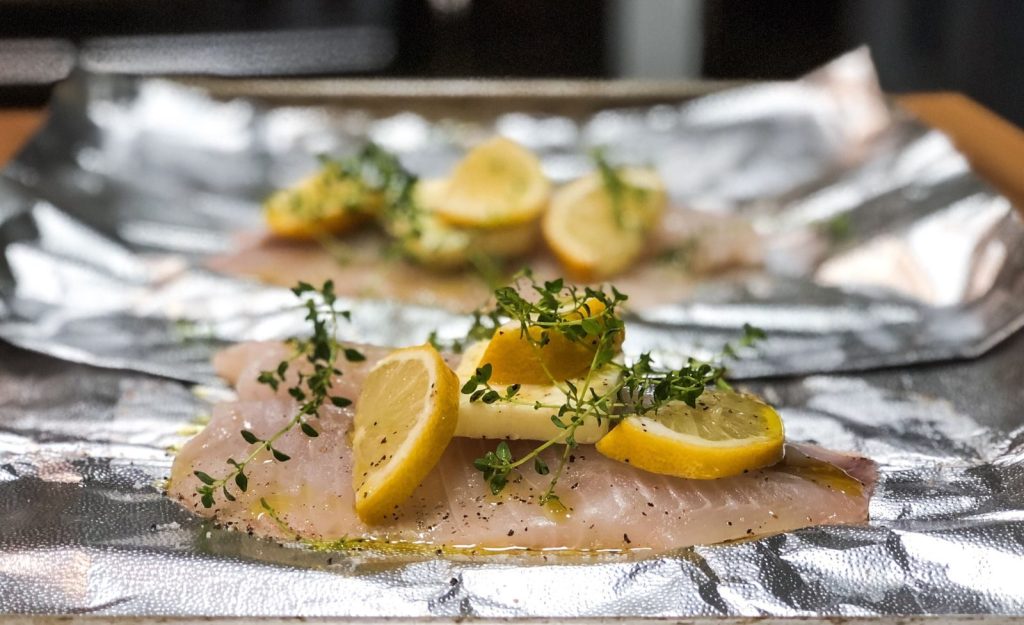
Salt accelerates the same chemical reaction that acidic foods trigger with aluminum, particularly under heat, which is why heavily salted or brined foods left in foil for extended periods can develop an off taste. The effect is less immediate than with acids but accumulates with longer contact time. Parchment-lined storage or a proper container eliminates the interaction entirely.
One Roll, Nine Rules
None of this means retiring the foil roll entirely, just reserving it for the jobs it actually handles well: covering dishes in a conventional oven, wrapping food for short transport, and lining sheet pans for roasting non-acidic ingredients. For everything else on this list, a better alternative already exists in most kitchens.