

Most people glance up at the night sky, see a handful of stars through all the ambient light, and assume that’s just what’s up there. It isn’t. A surprising amount of what NASA captures comes down to a technique most casual stargazers never learn, not a telescope budget only a space agency could afford.
Your Eyes Need Thirty Minutes, Not Thirty Seconds
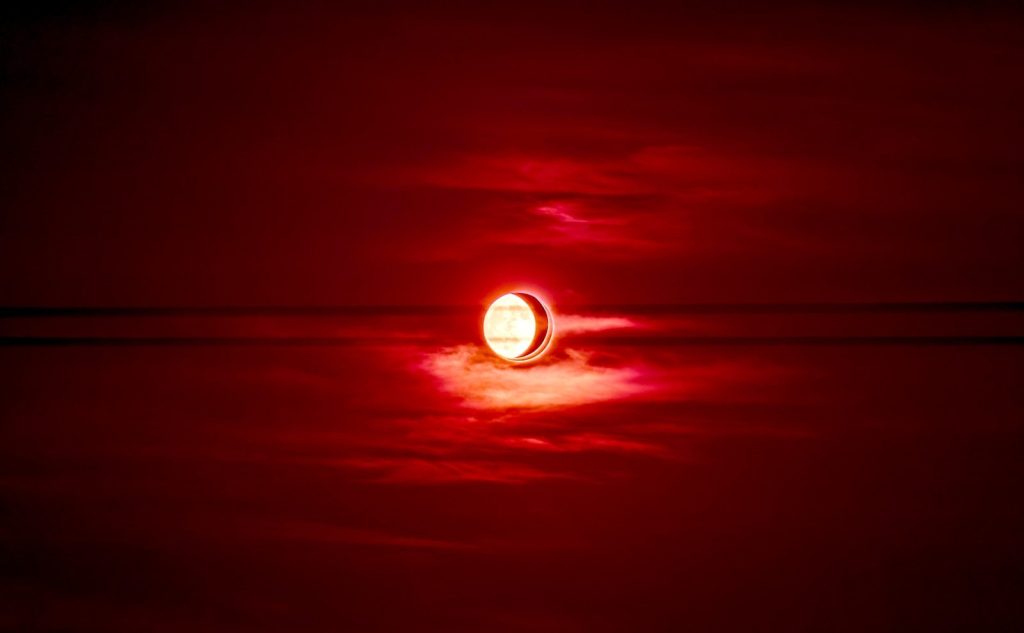
Real night vision takes a full twenty to thirty minutes to fully kick in, and one glance at a bright phone screen resets that clock back to zero. Switching a phone to red-light mode lets you check star charts or adjust gear without undoing all that adjustment.
A Map Most People Have Never Heard Of Changes Everything
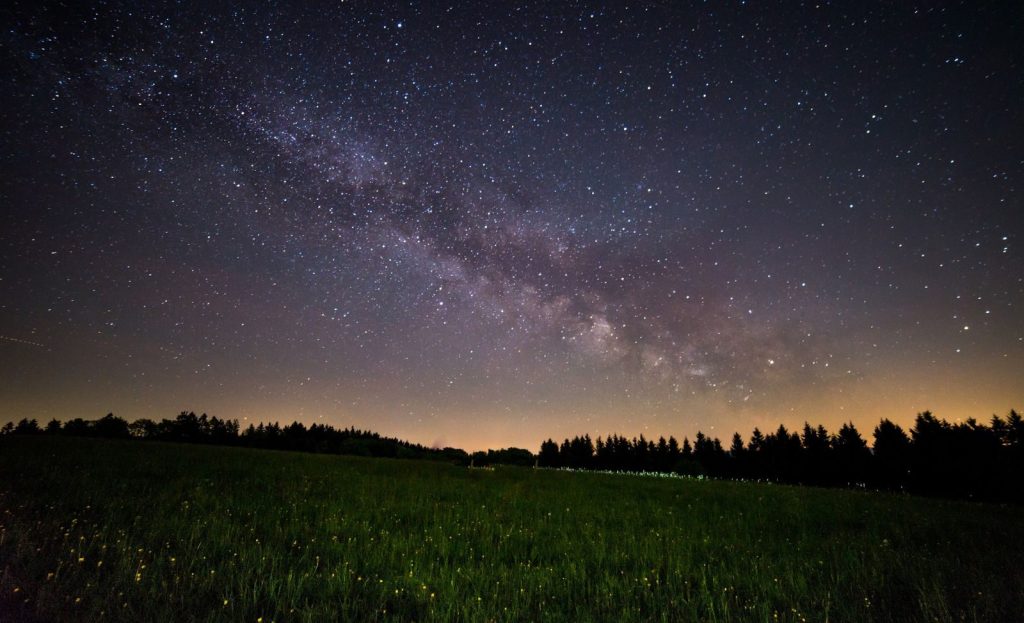
Free light pollution maps show exactly how far a short drive needs to go to reach genuinely dark skies, something most people never think to check before heading out. The difference between a backyard in town and a spot twenty minutes away can be dramatic.
Time It Around the One Night a Month the Sky Goes Dark
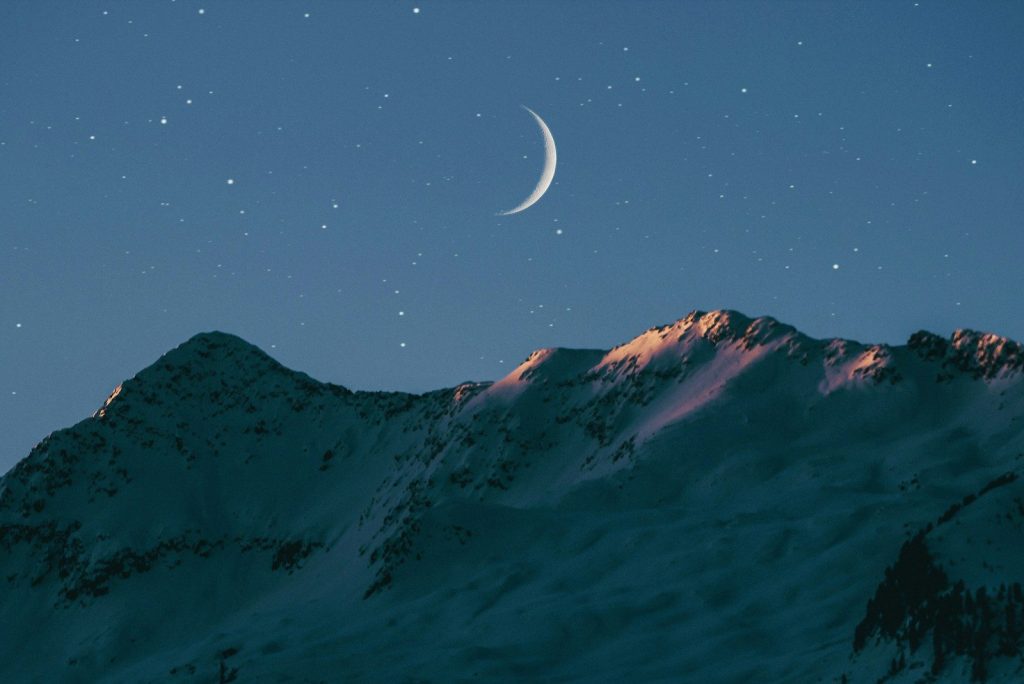
A full moon is bright enough to wash out fainter stars and deep-sky objects almost as effectively as a streetlight does. Planning a serious stargazing night around the days close to a new moon reveals far more than the same spot would show on a brighter night.
Skip the Telescope and Grab Binoculars First
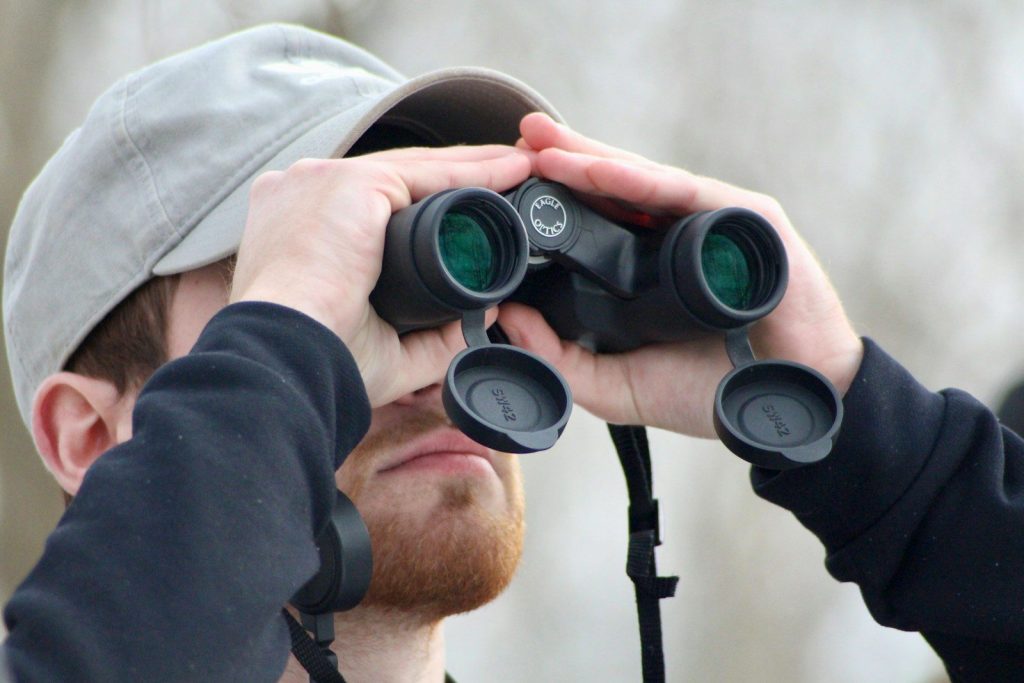
A decent pair of binoculars gathers far more light than the naked eye and covers a much wider field of view than most beginner telescopes, making it easier to actually find what you’re looking for. Experienced stargazers reach for binoculars before a telescope for exactly that reason.
The Twenty Minute Wait Nobody Tells Beginners About
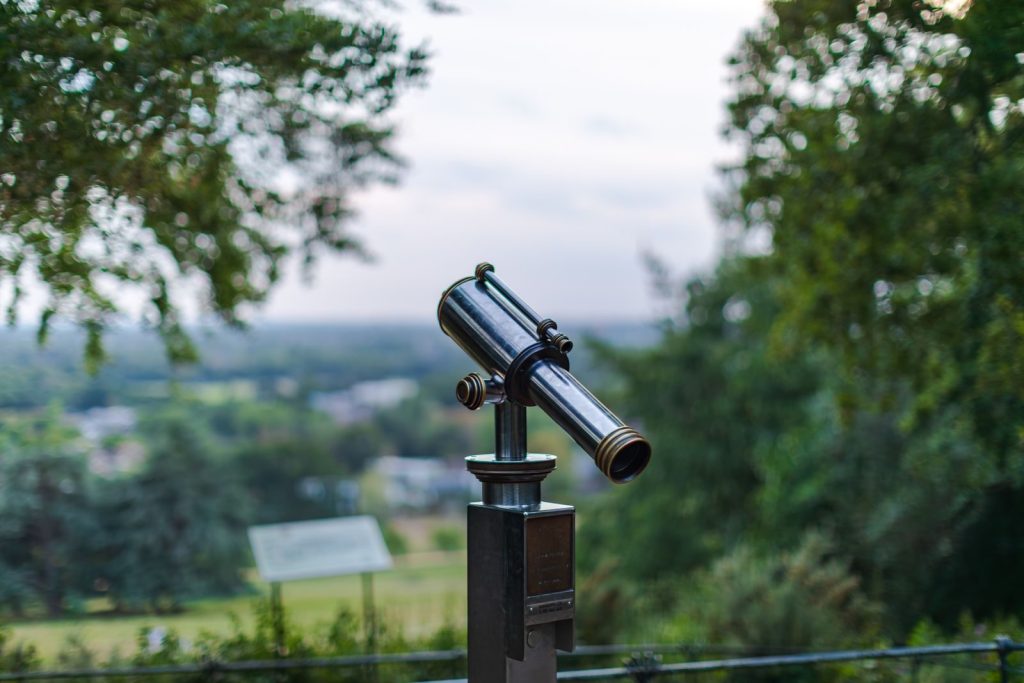
A telescope brought straight from a warm house into cold night air needs time for the air inside the tube to match the outside temperature, or the image comes out blurry and shimmering. Setting it up twenty to thirty minutes before actually looking through it solves a problem most beginners blame on the equipment itself.
The Number on the Box That Actually Matters
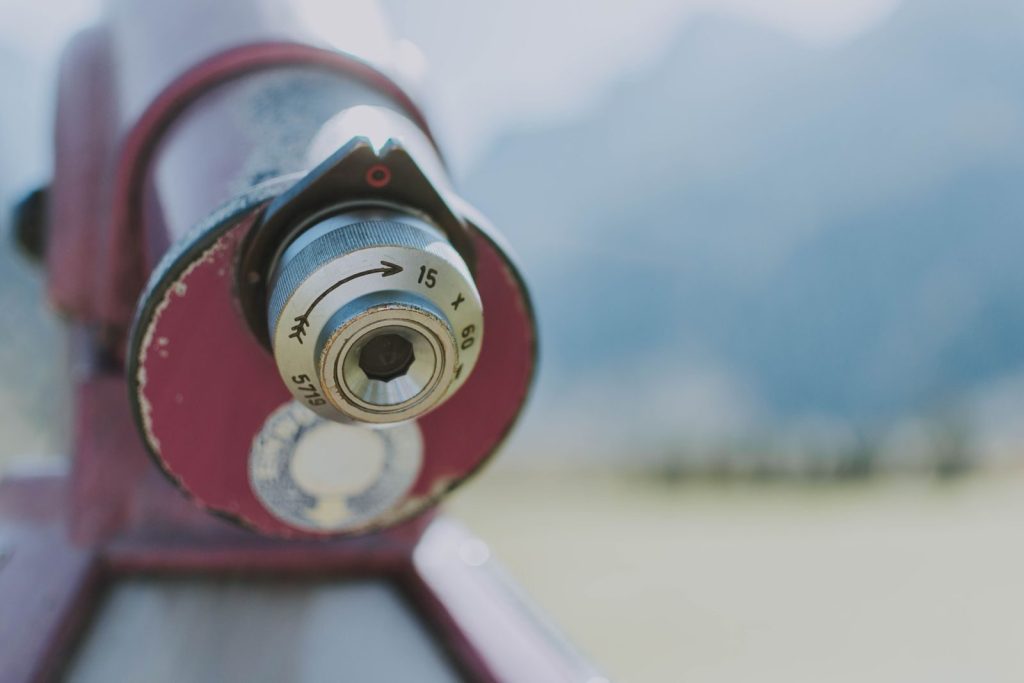
A telescope advertised with huge magnification but a small lens often produces a dim, blurry image, since the size of the lens or mirror is what determines how much light and detail it can capture. A larger aperture with modest magnification will almost always outperform the flashy high-zoom version.
An App That Turns Guesswork Into Knowing Exactly Where to Look
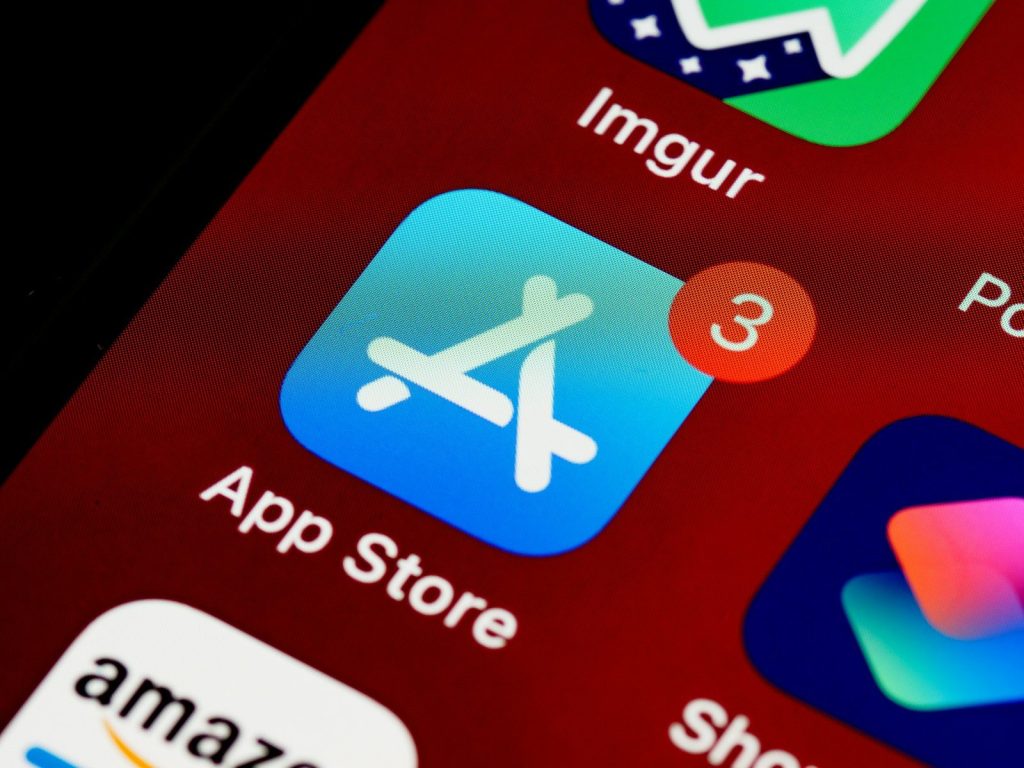
Pointing a telescope at random patches of sky leads to a lot of frustrated searching, while a star chart app held up to the sky shows exactly which planets and constellations are overhead in real time. It turns wandering around in the dark into knowing precisely where to point.
A Trick That Turns a Memory Into an Actual Photo
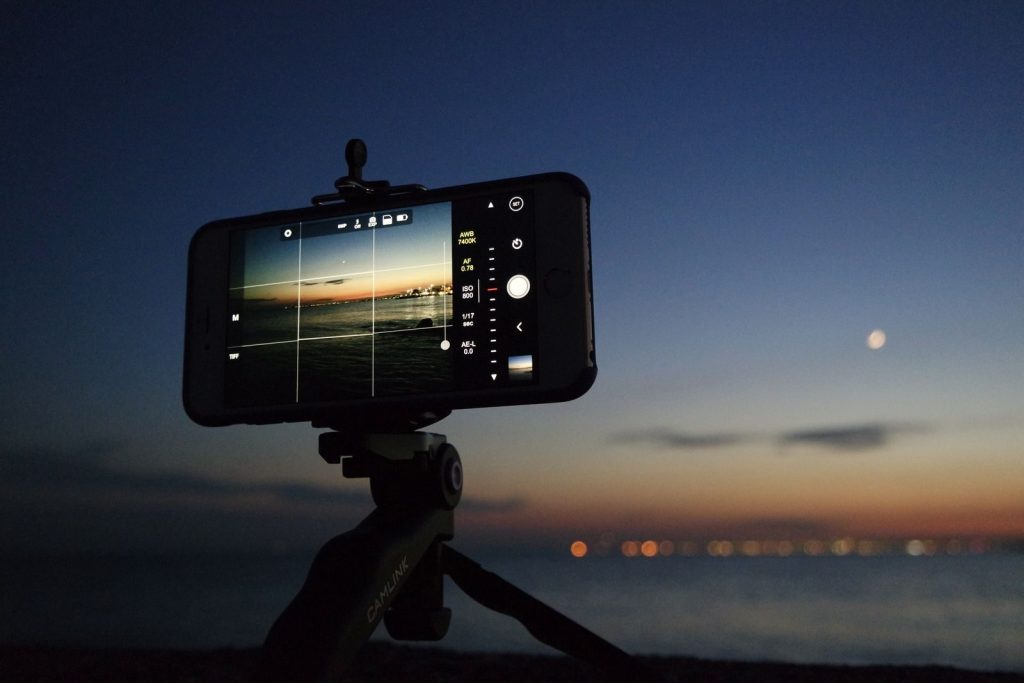
Holding a smartphone camera directly up to a telescope’s eyepiece can capture a surprisingly clear shot of the moon or bright planets with nothing more than a steady hand or a cheap adapter. It’s the simplest way to walk away with proof instead of just a memory.
The Free Way to Look Through a Telescope You’ll Never Own
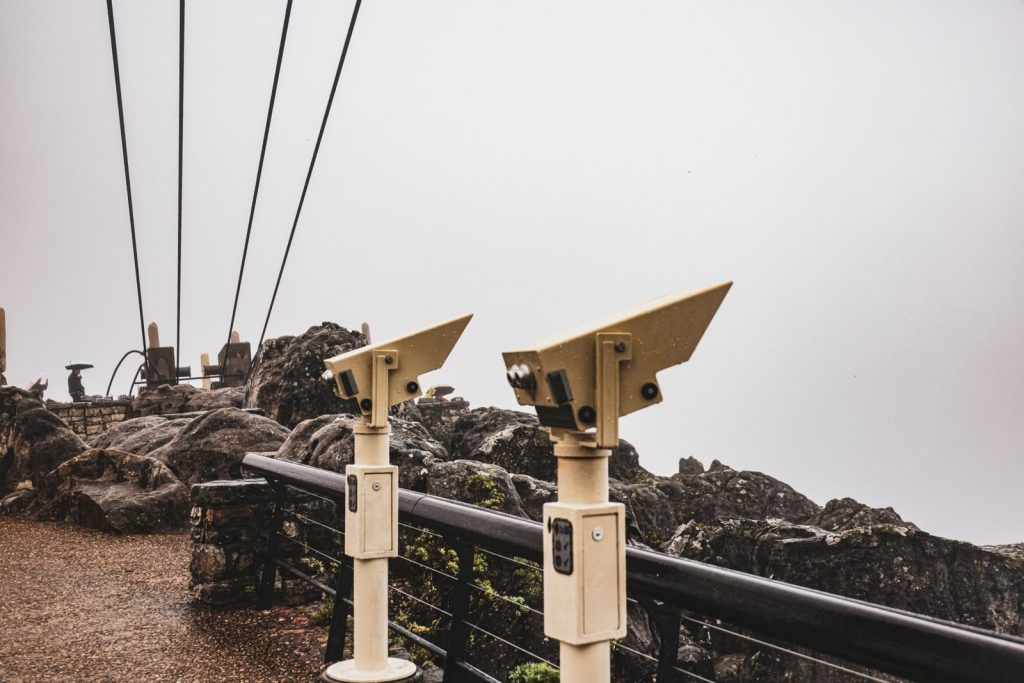
Astronomy clubs regularly host star parties where members bring out telescopes far more powerful than most people would ever buy themselves, and they’re almost always happy to let a newcomer take a look. It’s the fastest way to see genuinely impressive views without spending a cent.
The Sky Was Never the Expensive Part
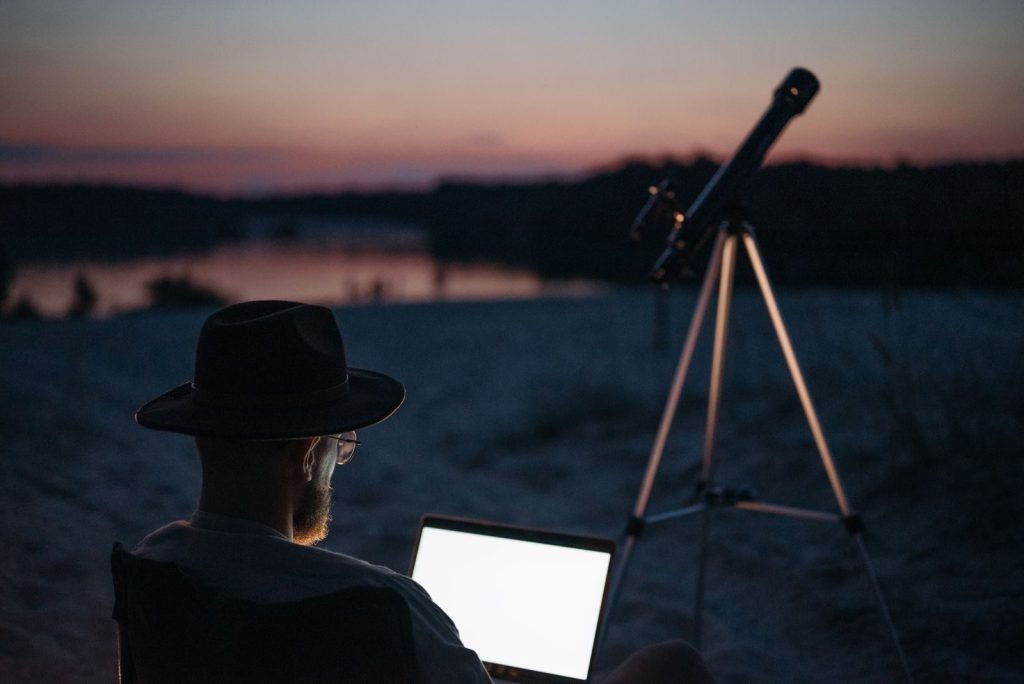
None of this requires a NASA-sized budget, just the right timing, a little patience, and a handful of hacks most people never learn. The next clear, dark night is all the opportunity required.