

Woodworking looks complicated from the outside, but most of the real improvement comes from small, practical habits. A few smart changes in how you cut, sand, and assemble can instantly make your work look more refined.
These hacks focus on simple workshop techniques that save time and reduce frustration. Nothing fancy or expensive, just reliable ways to get smoother results and fewer mistakes on every project.
Clamping hacks that keep wood perfectly aligned
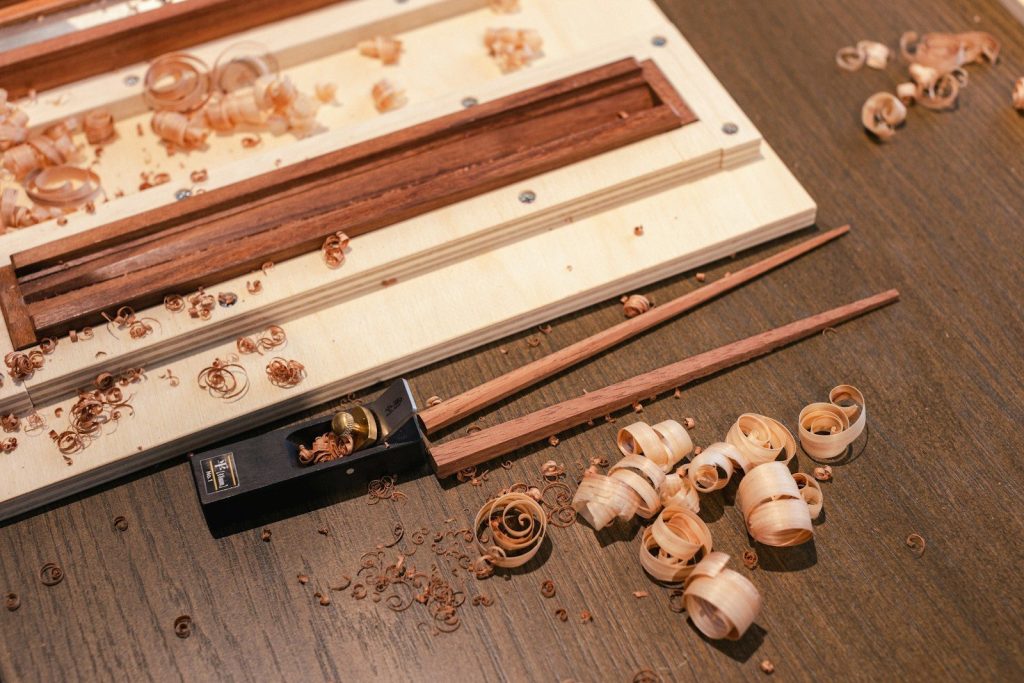
Clamps can easily throw pieces slightly off if the pressure is uneven. Adding scrap wood pads between the clamp and surface spreads the force and helps keep everything steady while the glue sets.
Doing a full dry fit before applying glue gives you a clear picture of how everything lines up. It reduces panic during assembly and helps you catch alignment issues before they become permanent.
Sanding hacks for smoother surfaces in less time
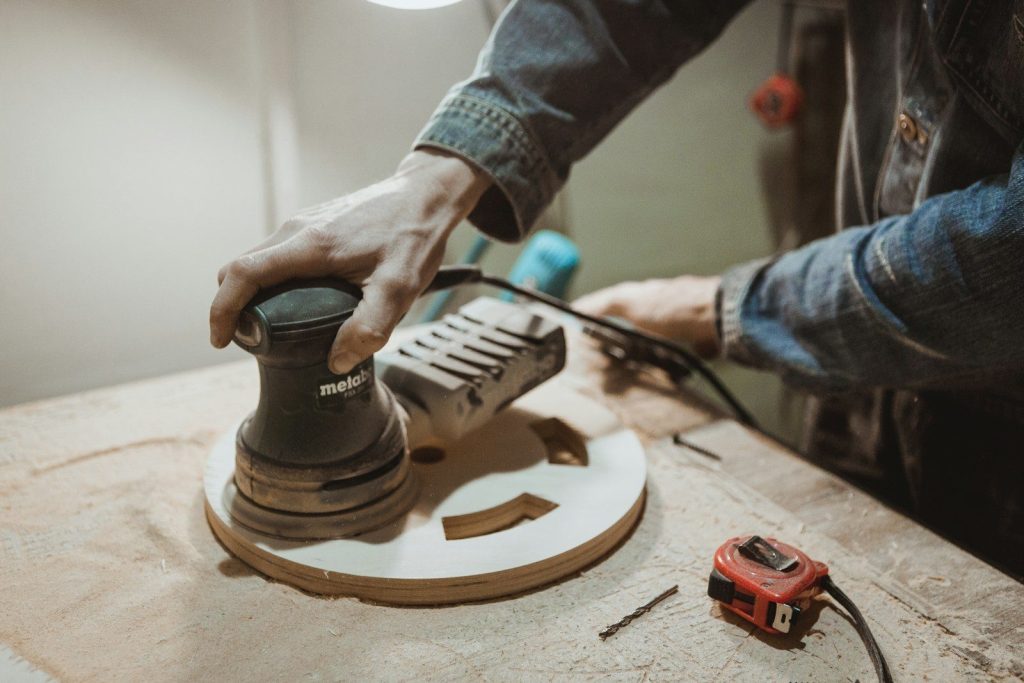
Sanding works best when you move through grits step by step instead of jumping around. Each level removes scratches from the previous one, giving you a cleaner surface without extra effort.
Changing sanding direction between grits helps reveal hidden flaws you might miss otherwise. Flexible sanding blocks also help you stay consistent on curves and edges without flattening details.
Measuring hacks that stop small errors from growing
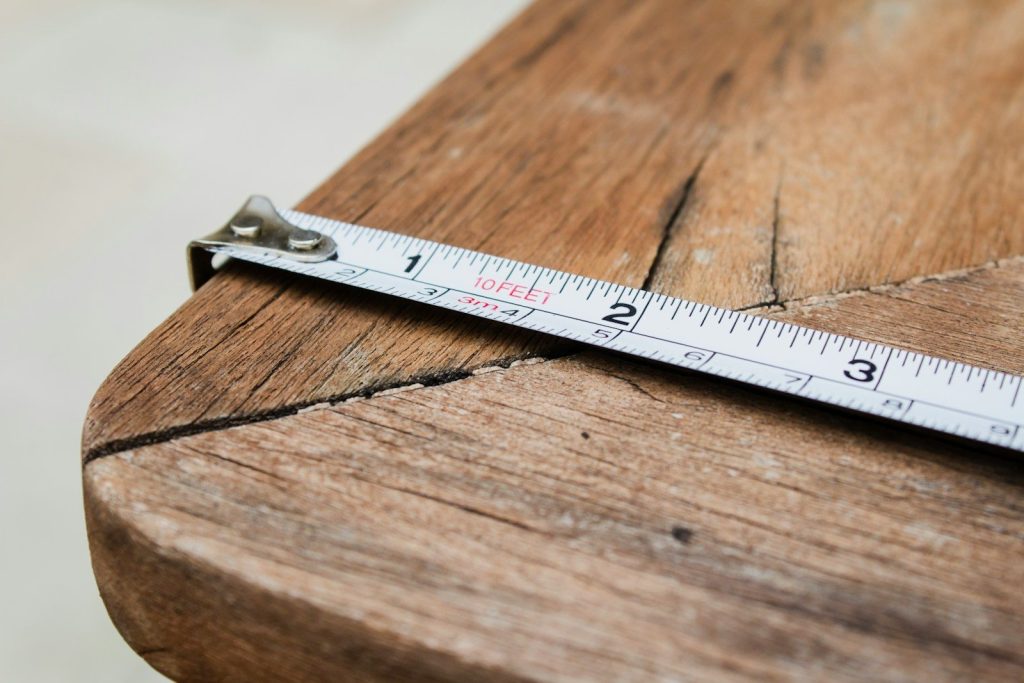
A story stick lets you transfer measurements without constantly rechecking a tape measure. It keeps multiple pieces consistent and reduces the risk of small measurement errors stacking up.
Checking diagonals is a quick way to confirm a frame is square. When both diagonals match, you know the structure is aligned and ready for final assembly.
Glue hacks that keep projects clean and strong
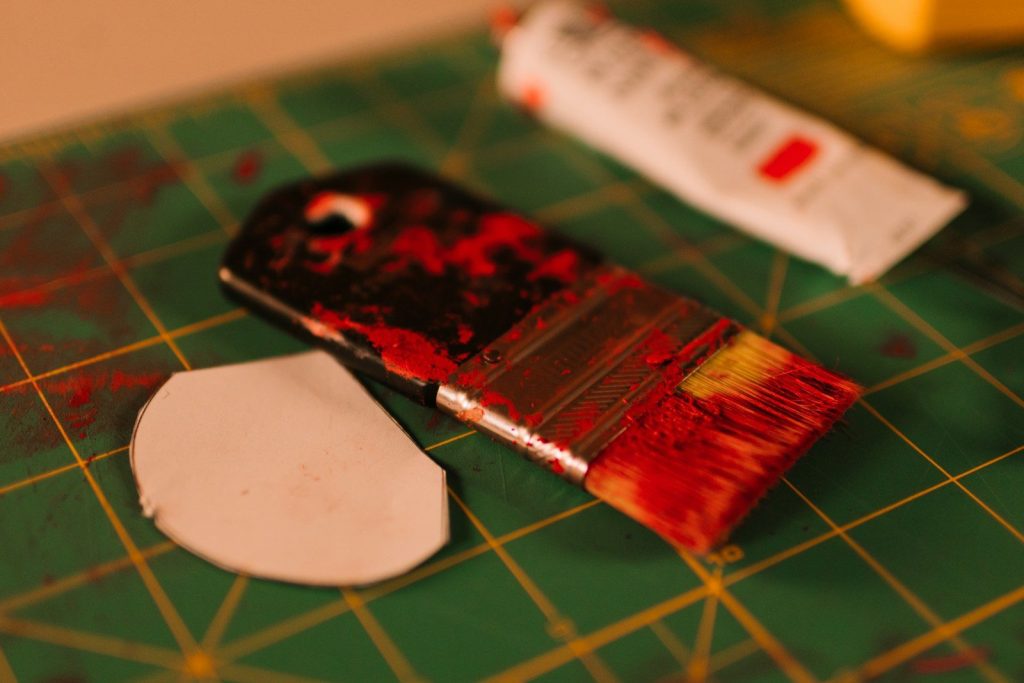
Using a brush or spreader for glue gives you better control over coverage. Thin even layers bond more effectively and prevent messy squeeze-out along the edges.
Masking edges before gluing makes cleanup much easier once everything dries. You can peel the tape away and get clean lines without scraping hardened glue.
Scrap wood hacks that make leftovers useful again
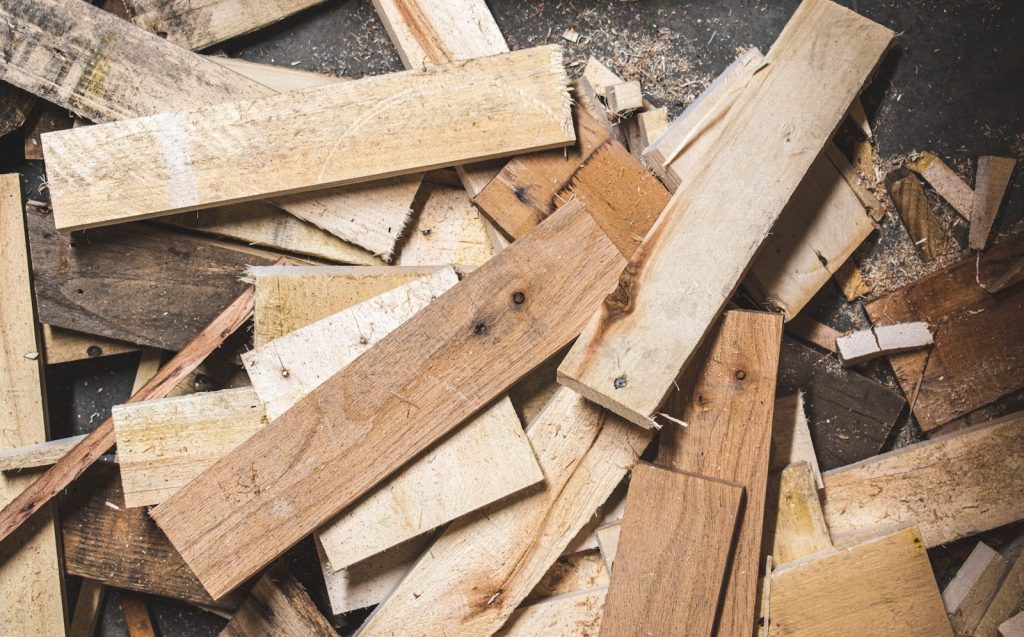
Instead of tossing scraps, organize them by size so they can be reused easily. Small pieces often become spacers, guides, or quick setup tools when you need them most.
Scrap wood is also perfect for test cuts before working on full pieces. It helps you avoid mistakes and saves material during setup and adjustments.
Cutting hacks for cleaner and repeatable results
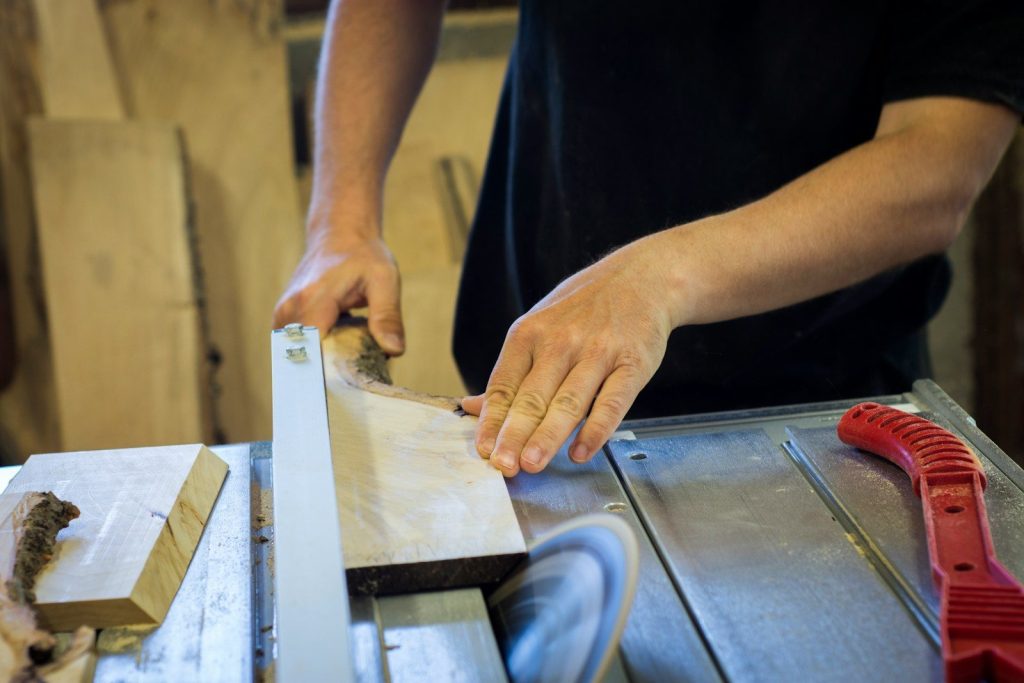
A stop block on your saw guide makes repeat cuts fast and consistent. Once it is set, you no longer need to measure each piece individually.
Lightly scoring your cut line before the full cut helps reduce tear-out. It guides the blade and gives you cleaner edges with less sanding afterward.
Finishing hacks that make wood look polished
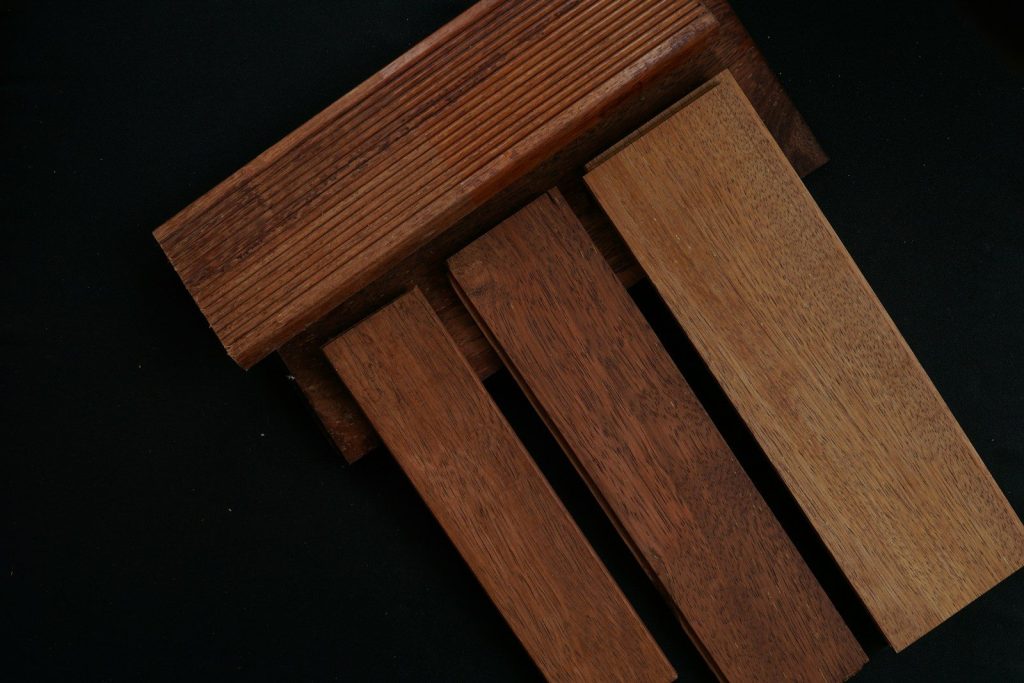
Wiping wood lightly before finishing raises the grain early so you can smooth it out before applying stain or sealant. This prevents rough texture from showing later.
Applying thin coats and sanding lightly between layers builds a smoother and more professional finish. It reduces streaks and improves the final look of the project.
Joinery hacks that strengthen every build
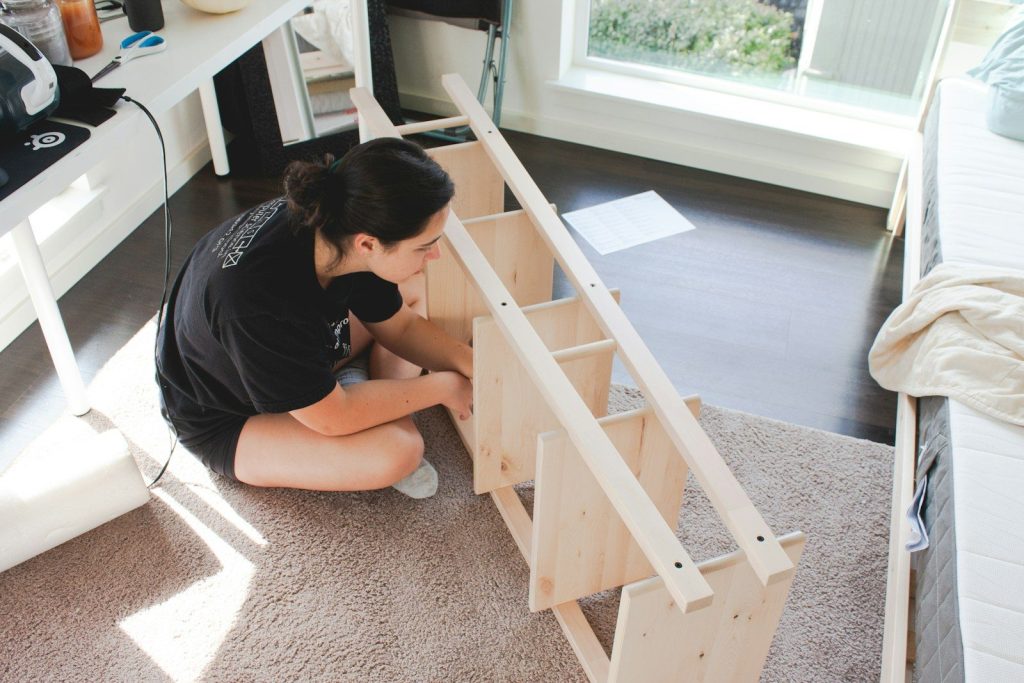
Adding hidden corner blocks inside joints gives extra strength without changing the design. It helps furniture stay solid over time, especially on heavier builds.
Dry fitting everything before final assembly helps catch small alignment issues early. It makes glue-up easier and reduces mistakes when everything needs to come together quickly.