

Woodworking often looks like a craft reserved for experts,s but many of the smartest results come from simple field-tested tricks. Small adjustments in measuring, cutting, and joining can completely change how projects turn out and save a lot of frustration in the process.
There are clever shop habits and simple techniques that make wood more predictable, even for beginners. These hacks focus on accuracy, stability,y and better use of everyday tools so anyone can build cleaner, er stronger results without expensive upgrades.
Woodworking Hacks: Smarter Measuring Shortcuts
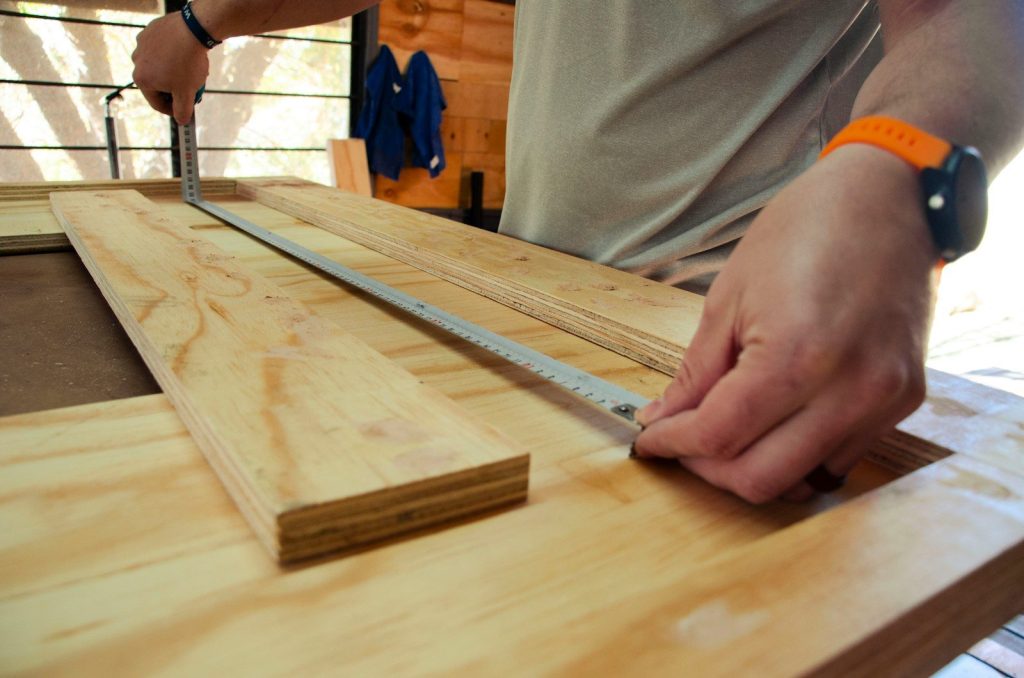
Using consistent reference edges instead of re-measuring every time keeps your cuts far more accurate. This simple habit reduces small errors that build up across multiple pieces and helps boards stay aligned during assembly without extra tools.
Measuring from one fixed baseline also prevents mistakes that happen when you switch board ends. It is a small change in workflow that keeps dimensions consistent and makes repeat cuts more reliable for frame and basic structures.
Woodworking Hacks: Clamping Without Damage
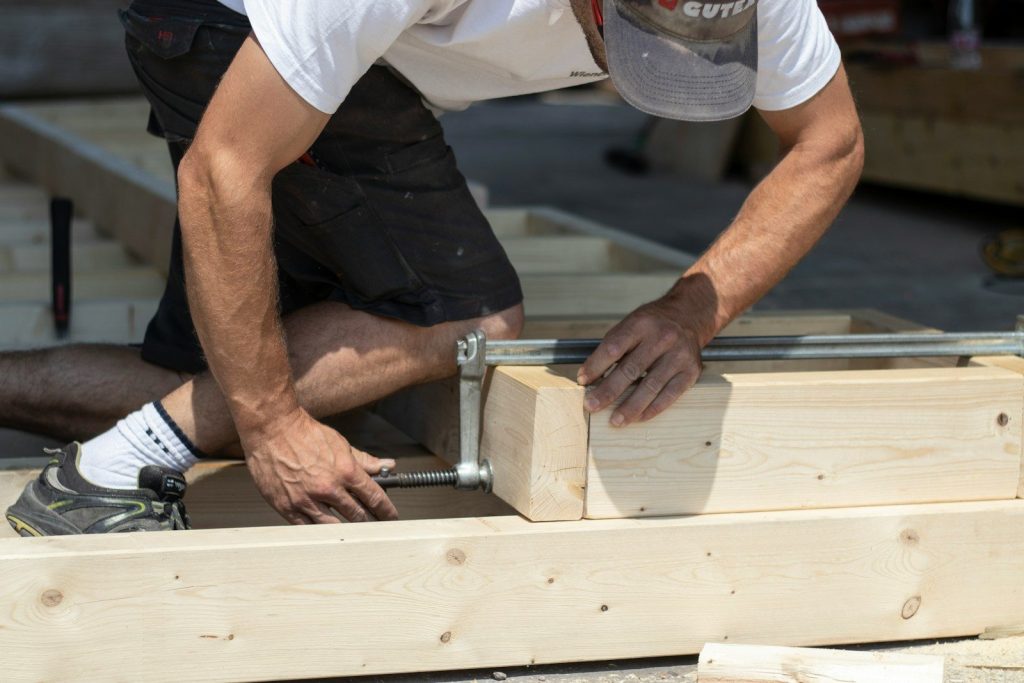
Scrap wood blocks placed between clamps and the surface help spread pressure evenly. This prevents dents and marks while keeping joints tight and stable during glue-ups, which is especially useful on soft wood materials.
Dry-fitting everything before applying glue gives you control over clamp placement. It removes guesswork during assembly and helps you apply pressure in the right direction so parts close cleanly without shifting.
Woodworking Hacks: Cutting With Control
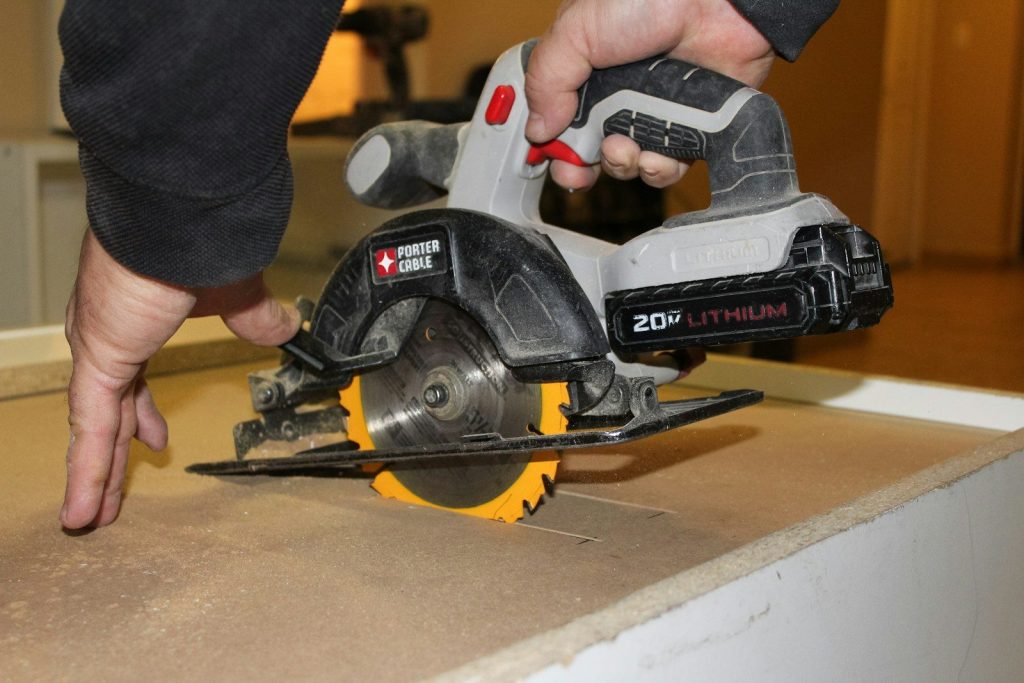
Supporting long boards on both sides of the cut line prevents binding and tearing. This setup improves stability and leads to smoother edges even when using basic saws in a home workshop.
Scoring cut lines lightly with a knife improves blade guidance. It reduces wandering in softer wood and gives cleaner results in joinery trim and detail work where precision matters most.
Woodworking Hack: Stronger Joinery Basics
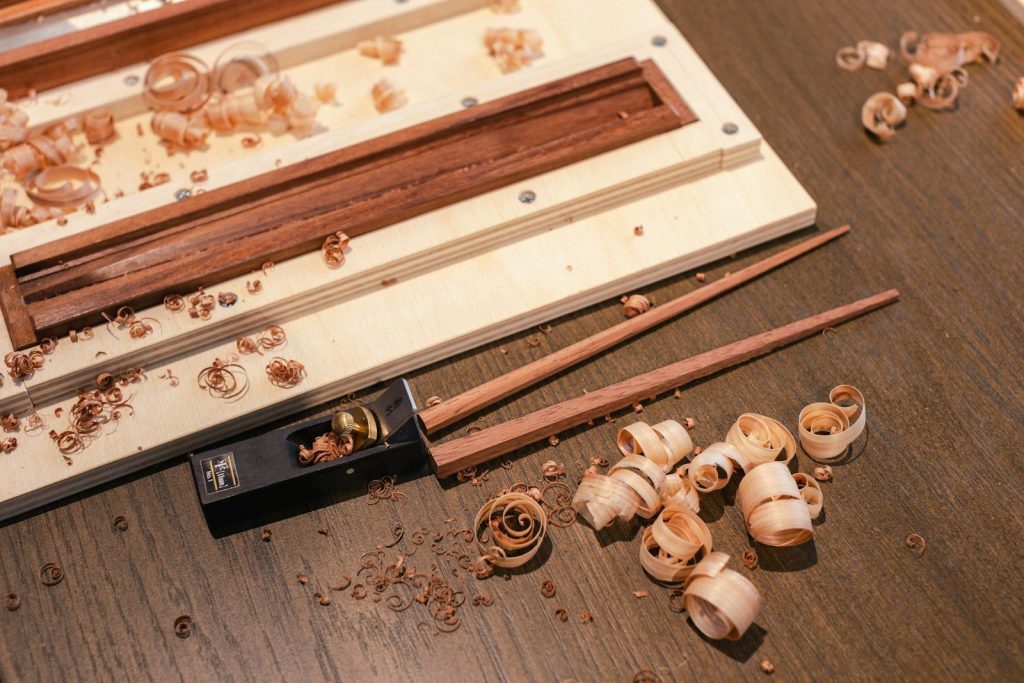
Lightly roughing smooth surfaces before gluing improves how well the adhesive grips. This small step increases joint strength and helps prevent separation in furniture projects under regular stress.
Test fitting joints before final assembly allows small corrections that improve alignment. It also helps you understand how pressure moves through the structure, so weak points can be reinforced early.
Woodworking Hacks: Layout Accuracy Tips
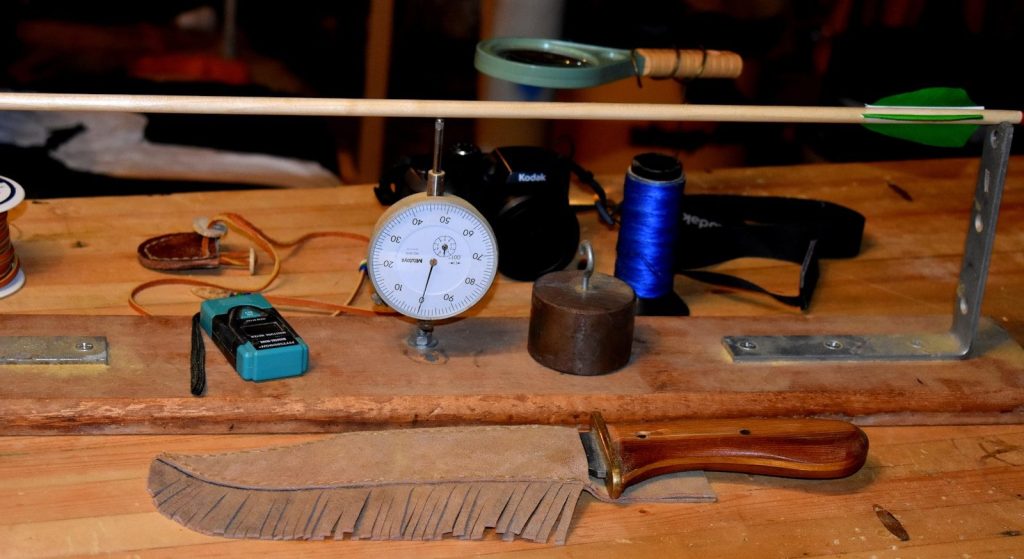
Story sticks help transfer measurements quickly without repeating calculations. This keeps multiple parts consistent and reduces errors during larger builds where precision across many pieces is important.
Marking waste sides clearly before cutting prevents costly mistakes. This simple visual habit helps you avoid removing the wrong section and keeps your workflow organized when working with valuable wood.
Woodworking Hacks: Better Finishing Results
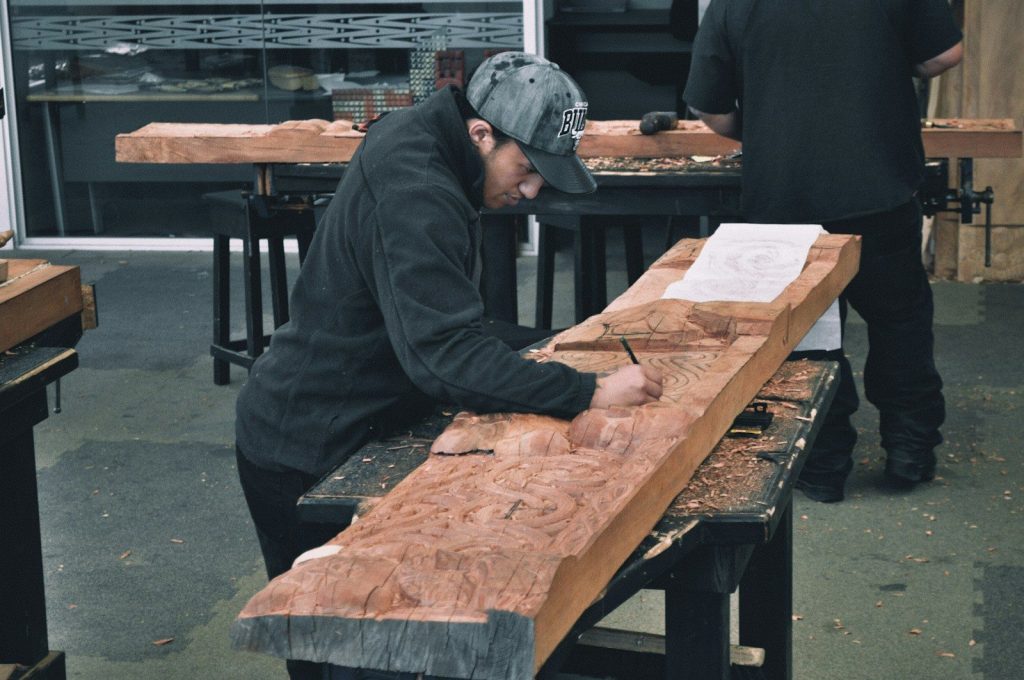
Lightly misting wood before final sanding raises fibers for smoother removal. This creates an even surface that helps stains absorb more consistently and improves the final appearance.
Applying multiple thin coats instead of one thick layer gives better control. It reduces drips and uneven texture while producing a smoother professional finish across the entire project.
Woodworking Hacks: Fixing Mistakes Fast
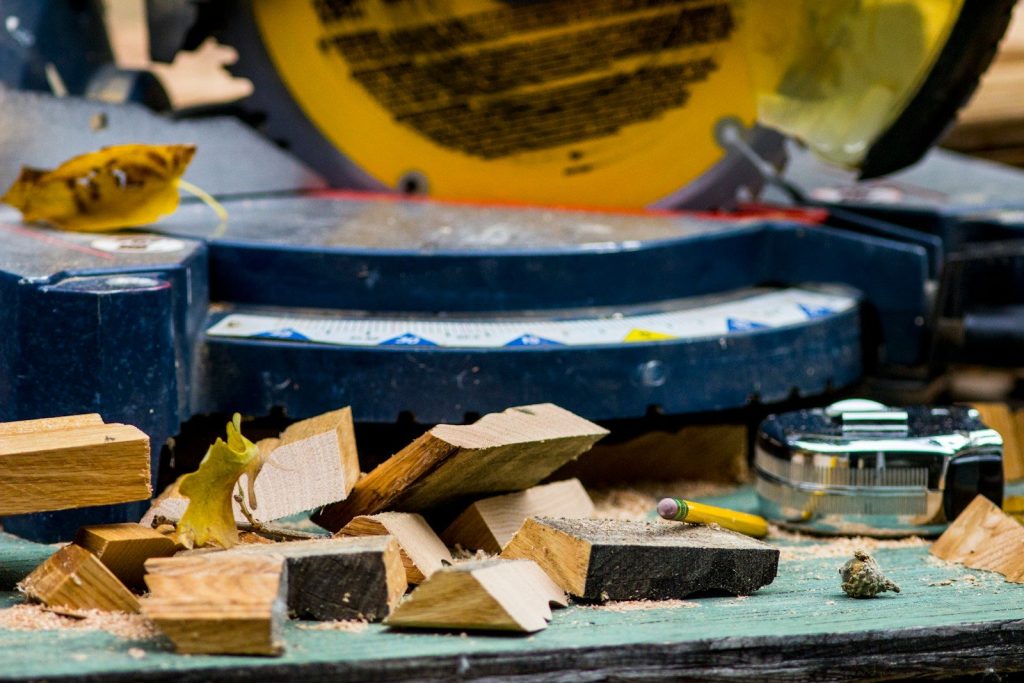
Keeping filler and scrap pieces nearby allows quick repairs during work. Small gaps and cracks can be fixed immeimmediatelyyh keeps projects moving without starting over.
Sliding-sanding even joints helps refine the fit instead of forcing parts together. This controlled adjustment reduces damage and improves final alignment in tight builds.
Woodworking Hacks: Smarter Workshop Flow
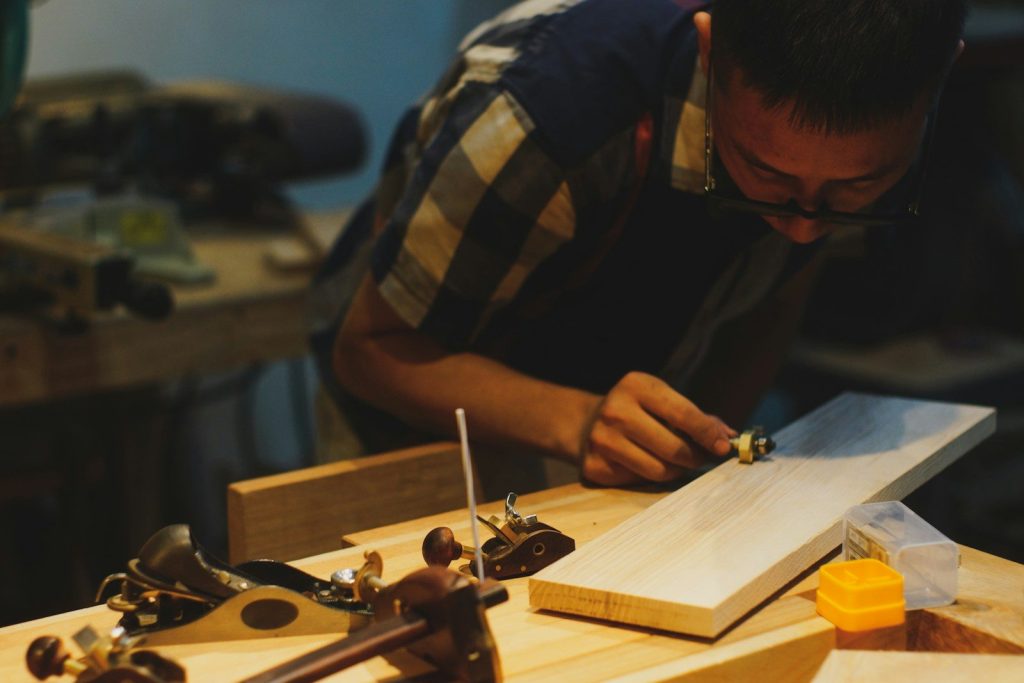
Keeping tools within easy reach reduces unnecessary movement and improves focus. This speeds up work and helps avoid mistakes caused by constant searching during detailed tasks.
Resetting your workspace after each major step prevents clutter buildup. It helps you catch issues early and keeps complex projects easier to manage from start to finish.