

Stepping into the wilderness can seem intimidating at first, but many survival challenges become far more manageable when you know a few smart tricks. The difference between feeling overwhelmed and feeling confident often comes down to preparation, awareness, and knowing how to work with your surroundings instead of against them.
What looks effortless in the outdoors is usually the result of simple habits practiced consistently. From finding resources to staying comfortable in changing conditions, these practical strategies reveal how small adjustments can make a big impact when nature becomes your environment.
Reading the Landscape Like a Local
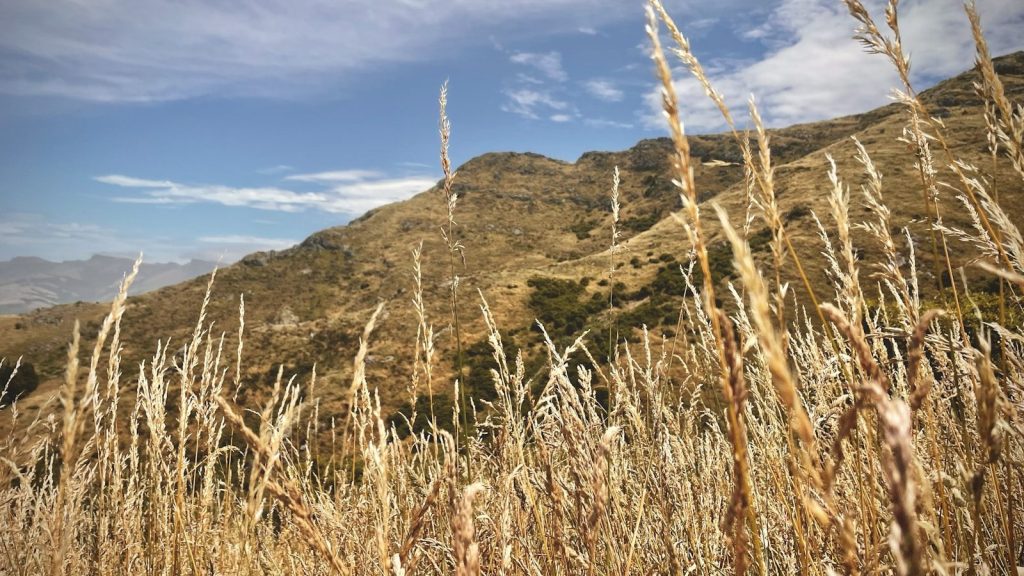
One of the most useful skills outdoors is learning to pay attention to natural clues. Terrain, vegetation, and even the way sunlight moves across a location can reveal valuable information about shelter opportunities, water sources, and safer routes through unfamiliar areas.
Instead of rushing from one place to another, slow observation often saves time and energy. People who spend extended periods outdoors frequently rely on patterns in the environment rather than complicated equipment, allowing them to make smarter decisions with fewer resources.
Let Nature Do Part of the Work
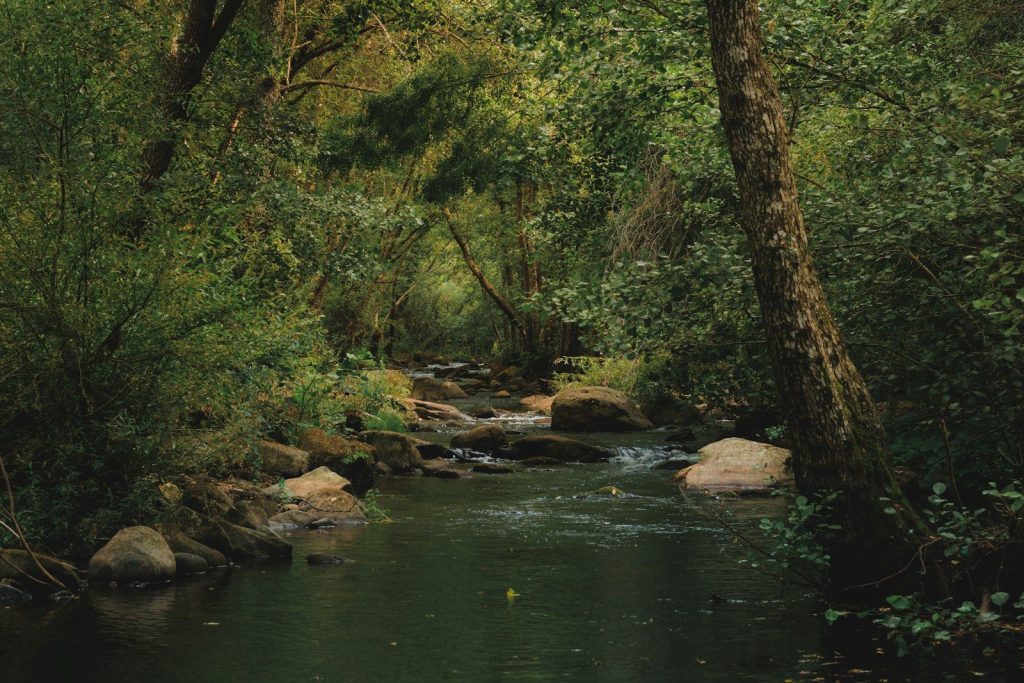
Many beginners waste energy trying to force solutions. Experienced outdoor enthusiasts often look for ways to use existing features such as fallen trees, rock formations, or natural wind barriers to make tasks easier and more efficient.
This approach reduces physical effort while increasing comfort. A carefully chosen location can provide protection from the weather, improve rest, and minimize the amount of work needed to create a functional living space.
The Secret Value of Staying Organized
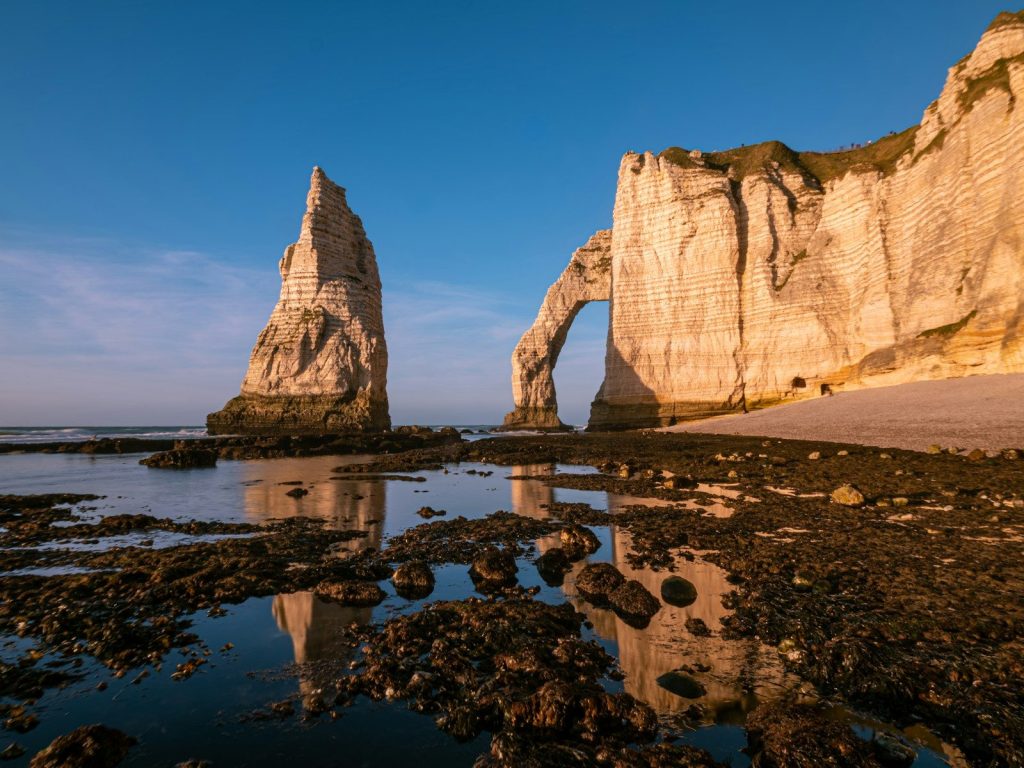
When resources are limited, organization becomes a powerful advantage. Keeping essential items in predictable locations prevents unnecessary searching and helps maintain focus during demanding situations.
A simple routine can also reduce mistakes. Small habits such as returning tools to the same place or preparing supplies before they are needed often create a smoother experience and free up mental energy for more important decisions.
Why Energy Management Matters More Than Speed

Many outdoor challenges are easier to handle when you focus on conserving effort rather than moving quickly. Pacing activities throughout the day can help maintain strength and prevent exhaustion from becoming a larger problem.
Strategic breaks are often more valuable than people realize. Taking time to assess conditions, hydrate, and recover can improve judgment and help ensure that each task is completed more effectively.
Turning Everyday Materials Into Useful Tools
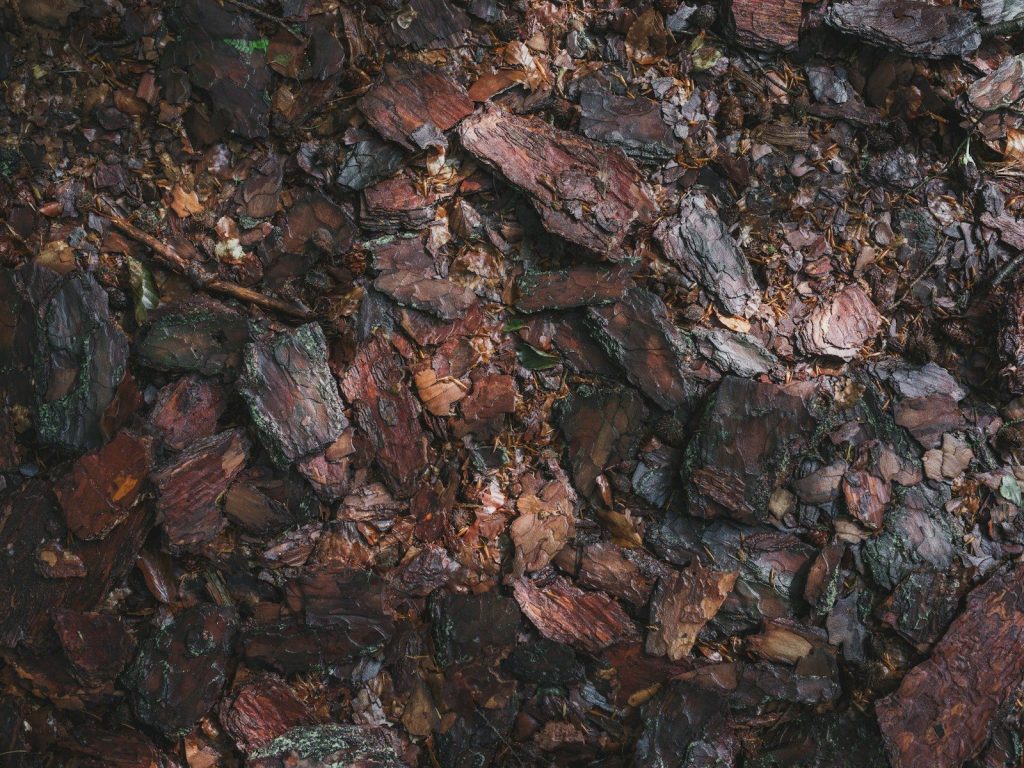
Resourcefulness is often about seeing potential where others see ordinary objects. Natural materials can frequently be adapted for multiple purposes, making it possible to solve problems without carrying excessive gear.
This mindset encourages creativity and flexibility. The ability to repurpose available materials can provide practical solutions while reducing dependence on specialized equipment that may not always be accessible.
Building Comfort Before You Need It
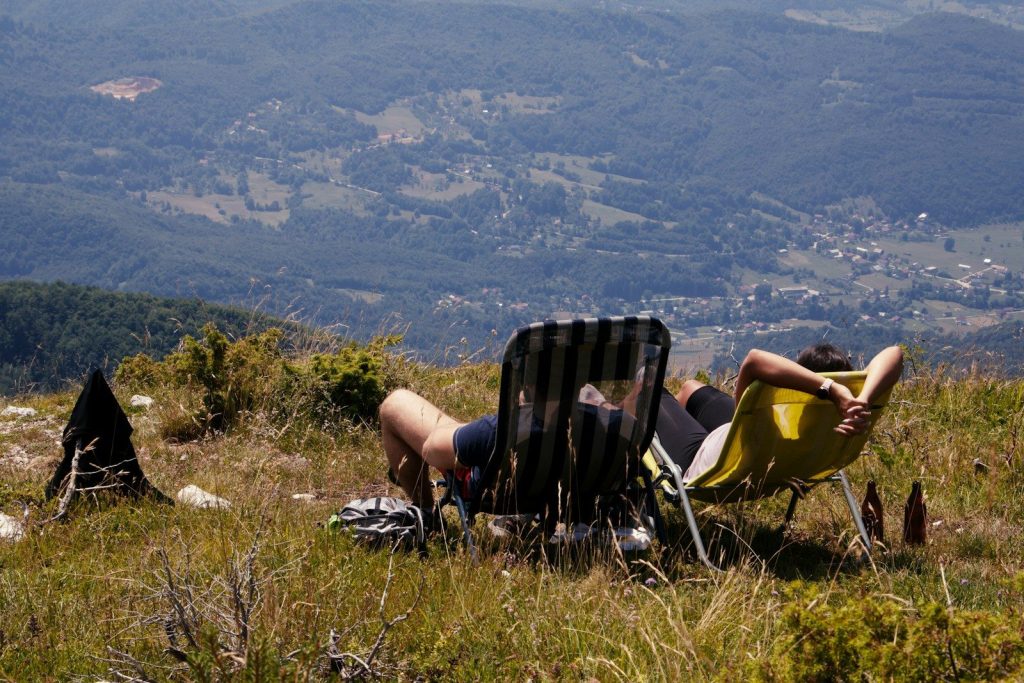
Many outdoor experts focus on comfort early rather than waiting for conditions to worsen. A dry resting area, protection from wind, and reliable access to basic necessities can dramatically improve the overall experience.
These small improvements often pay off later. Investing effort before discomfort appears can help maintain morale and reduce the likelihood of larger challenges developing throughout the day or night.
The Advantage of Constant Awareness
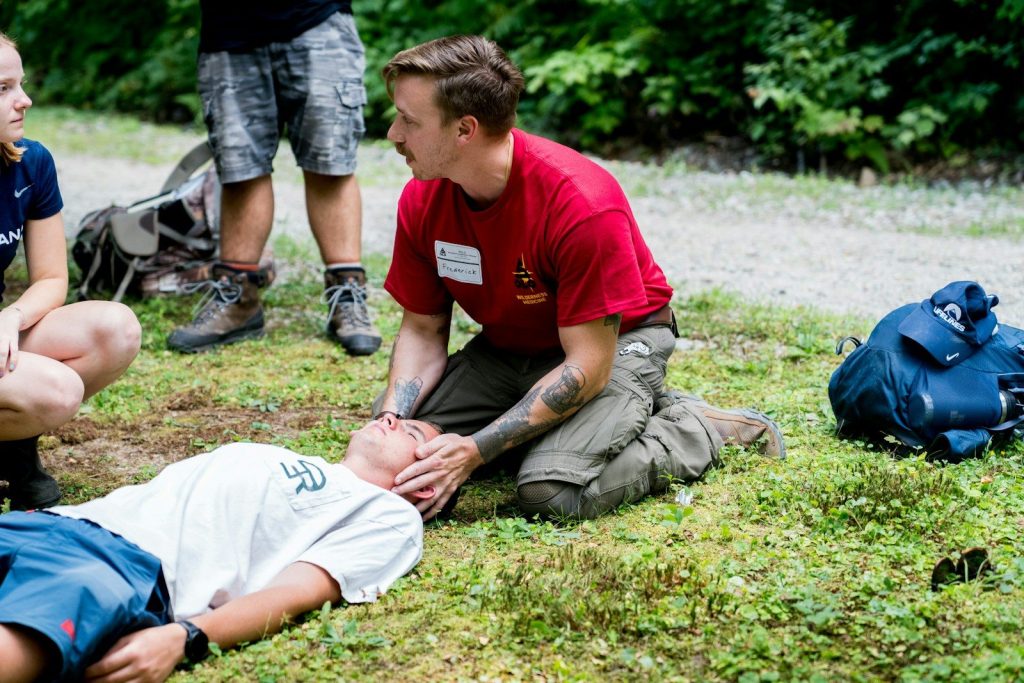
Situational awareness is one of the most overlooked outdoor skills. Paying attention to weather shifts, changing terrain, and available resources allows you to adapt before conditions become difficult.
Small observations made consistently often lead to better outcomes than reacting after problems appear. Awareness creates options, and options provide flexibility when circumstances change unexpectedly.
Confidence Comes From Repetition
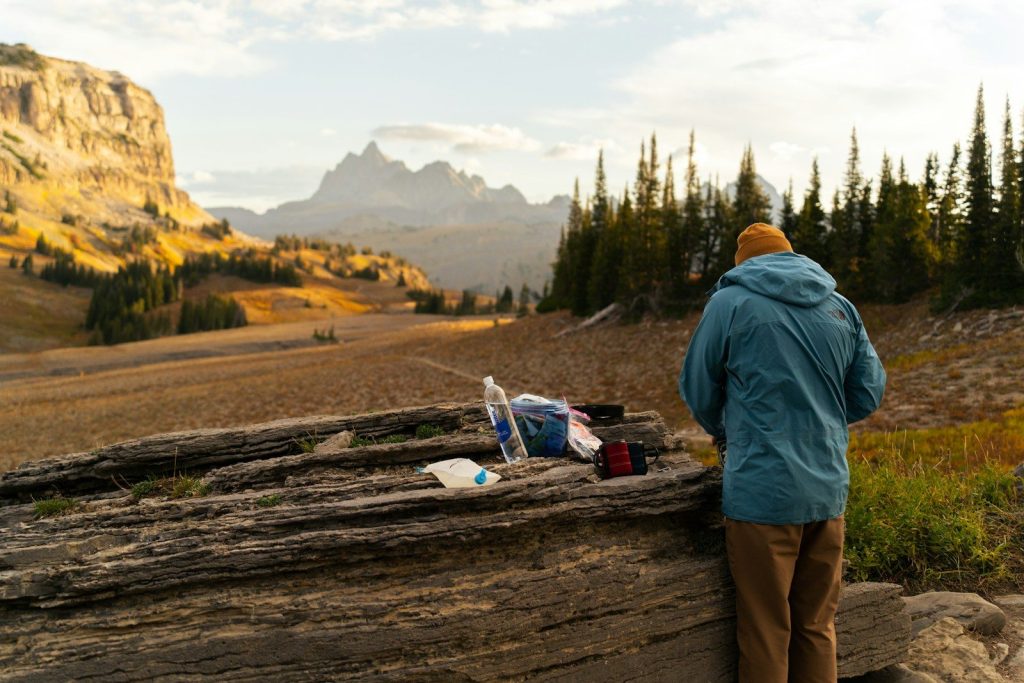
The most effective outdoor skills rarely depend on strength or expensive equipment. Confidence usually develops through repeated practice of simple techniques that gradually become second nature.
Each experience builds a stronger understanding of what works and what does not. Over time, these lessons create a practical toolkit that makes spending time in the wilderness feel more manageable, adaptable, and rewarding.