
Most people have something they struggle to part with. Sometimes it is an old sweater that no longer fits. Sometimes it is a box of souvenirs, a stack of greeting cards, or an item tied to a specific chapter of life. Letting go is rarely about the object itself. More often, it is about memories, identity, guilt, or the fear of losing a piece of the past. If you’ve ever found yourself holding onto something long after its usefulness has faded, these clever hacks may help make the process a little easier.
Ask What The Item Represents

People often keep objects because of what they symbolise rather than what they are. A diary note may represent a friendship, A flower may represent a happier moment. Identifying the memory behind the item can help you realise that the meaning often remains even if the object does not.
Take A Photo Before Letting It Go

Many possessions occupy physical space long after they’ve stopped serving a purpose. Taking a photograph can preserve the memory without requiring you to keep the item itself. For some people, creating a digital memory album makes the decision feel far less permanent.
Try The Six-Month Question

Ask yourself a simple question: “If I found this item today, would I choose to bring it into my life?” Looking at possessions through the lens of the present rather than the past can sometimes change the answer.
Separate Guilt From Value
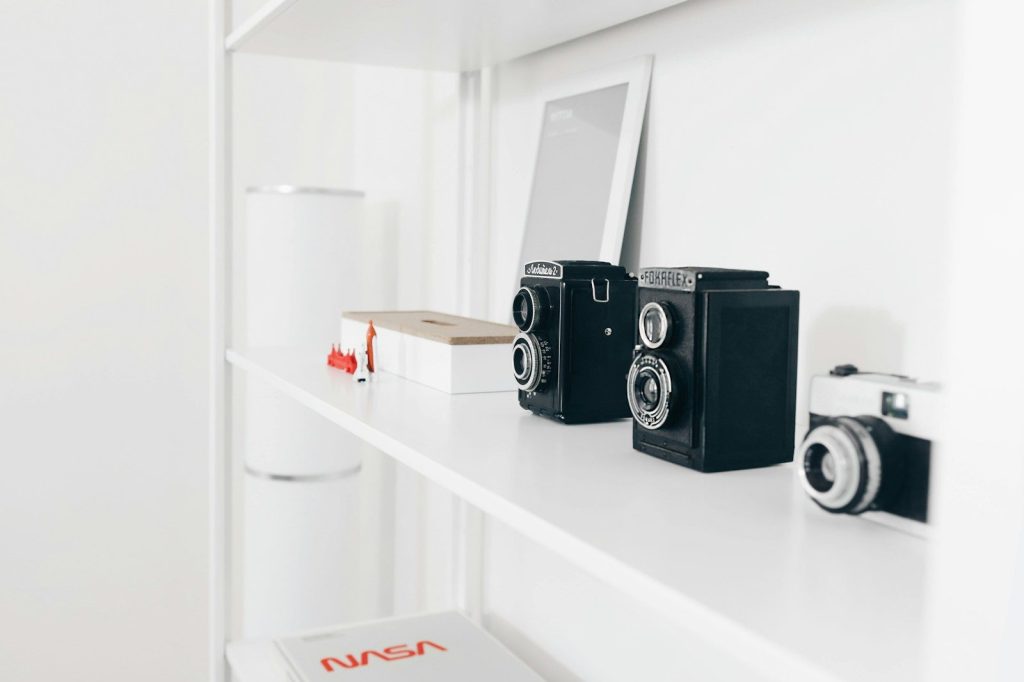
Many items stay in homes because they were expensive, gifted by someone special, or purchased with good intentions. Keeping something solely because of guilt rarely makes it more useful. Recognizing the difference between emotional obligation and actual value can make decisions easier.
Focus On What You’re Making Room For

People often concentrate on what they are losing instead of what they are gaining. More space, less stress, easier cleaning, and greater clarity can all be benefits of letting go. Shifting your attention toward the future rather than the object itself can change the emotional equation.
Let Someone Else Create A New Story

Some belongings still have value even if they no longer fit your life. Donating or gifting them allows those items to become useful again. Many people find it easier to let go when they imagine an object continuing its journey instead of ending it.
Start With The Least Emotional Item

Trying to tackle the most sentimental possession first can feel overwhelming. Building confidence with easier decisions creates momentum and helps develop the habit of letting go. Small wins often make larger decisions feel much more manageable later.
Letting Go Isn’t About Forgetting

Many people assume letting go means abandoning memories or dismissing the importance of the past. In reality, memories often stay with us regardless of what happens to the objects attached to them. The goal is not to erase meaningful experiences. It is to create space for the life you are living now while still appreciating the chapters that came before it.