

Getting caught in rain, mud, or a surprise stream crossing is almost a rite of passage for anyone who spends time outdoors. The real challenge begins afterward when damp boots refuse to dry, leaving you with uncomfortable feet and footwear that feels worse the next day.
What surprises many people is that faster is not always better when it comes to drying boots. A few smart tricks can speed things up while protecting the materials, helping your boots stay comfortable, odor-free, and ready for the next adventure.
Start With the Water You Can Remove
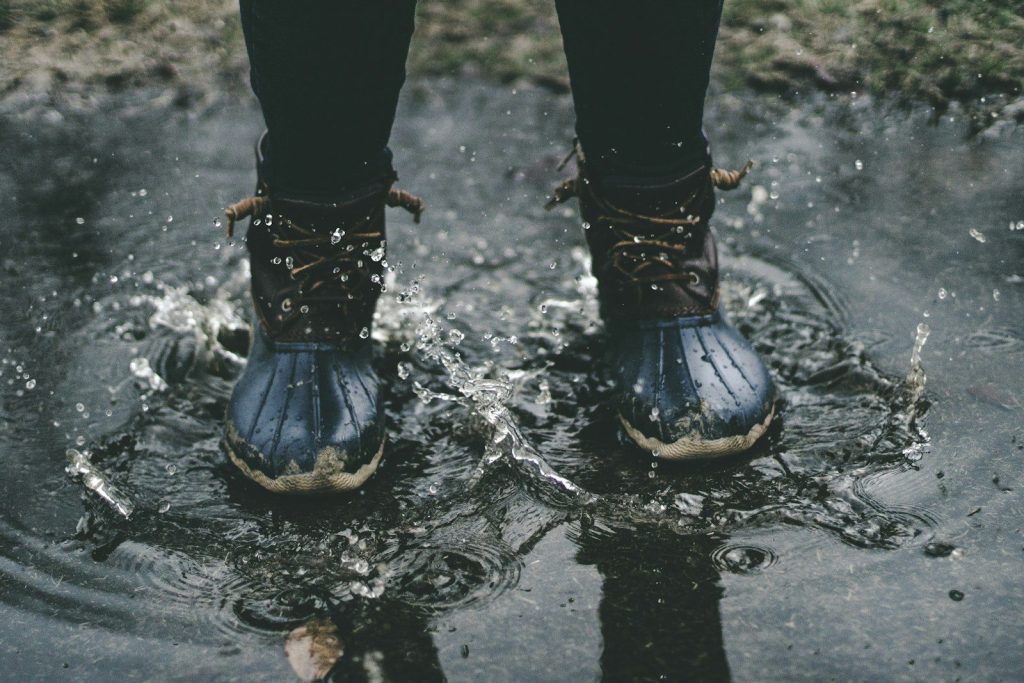
The quickest way to shorten drying time is to get rid of excess moisture before you do anything else. Turn boots upside down, shake out trapped water, and wipe away surface dampness. Even a minute spent removing obvious moisture can save hours later.
Many people skip this step and immediately look for a heat source. That often leaves hidden moisture trapped inside linings and seams. Removing as much water as possible at the start creates a much better foundation for everything that follows.
Open Up Every Hidden Damp Spot
One of the easiest ways to improve drying speed is to remove anything that blocks airflow. Insoles, inserts, and even tightly laced sections can hold surprising amounts of water long after the outside appears dry.
Separating these components allows each part to dry on its own. It also helps you spot areas where moisture tends to linger, preventing that frustrating situation where boots feel dry until you put them on.
Let Air Do the Heavy Lifting
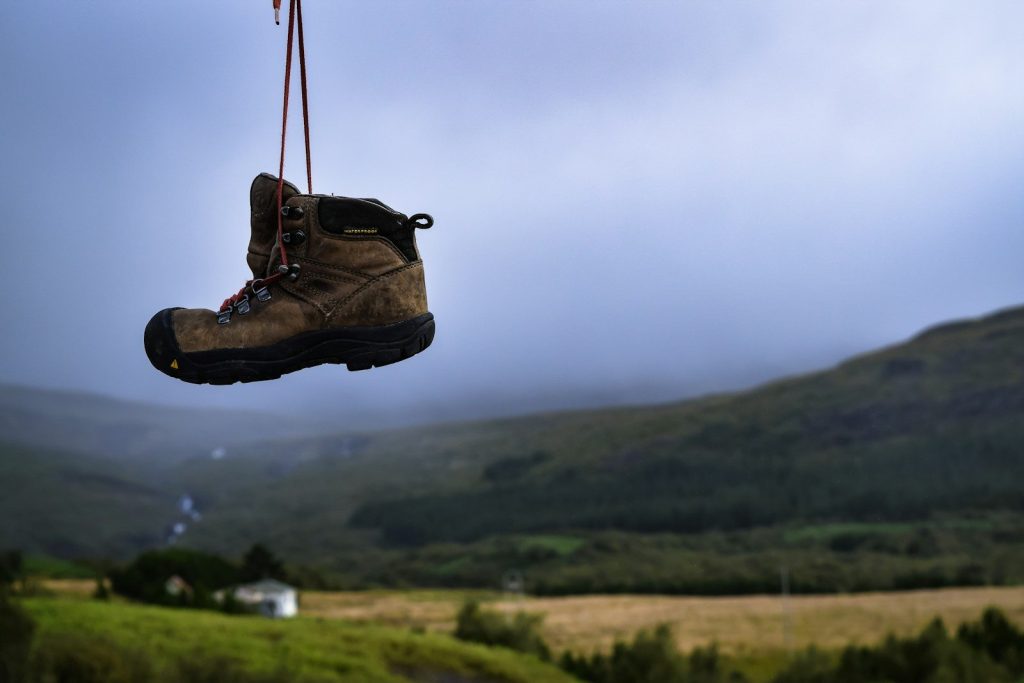
Moving air is often more effective than people realize. A breezy outdoor location or a steady fan can pull moisture away without stressing the materials inside the boot.
The key is consistency rather than intensity. Gentle airflow encourages evaporation throughout the boot instead of drying only the outer surface while leaving the interior damp and uncomfortable.
The Simple Stuffing Trick That Still Wins
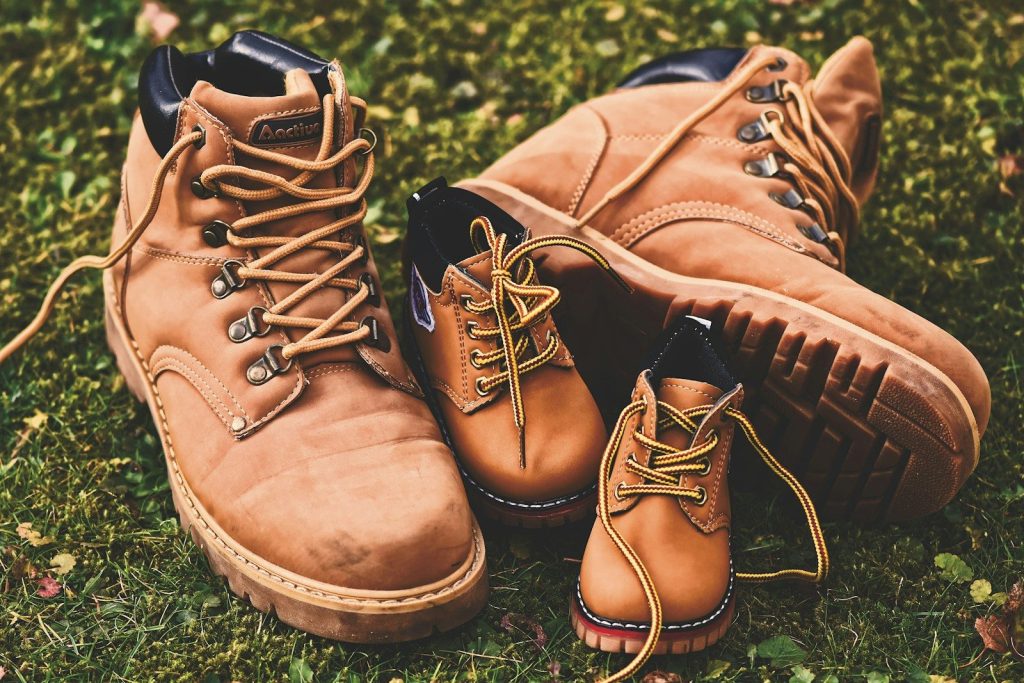
There is a reason experienced hikers and outdoor workers keep returning to the same method. Filling boots with absorbent paper helps draw moisture from deep inside while supporting the boot’s shape.
The real secret is replacing the paper once it becomes damp. Fresh material continues pulling moisture outward, making the process far more effective than stuffing boots once and forgetting about them.
Why Heat Often Creates Bigger Problems

When boots are soaked, the temptation to place them next to a heater or fire is hard to resist. It feels like the fastest solution, but excessive heat can cause materials to stiffen, shrink, or wear out sooner than expected.
A slower drying process may require more patience, yet it often protects leather, adhesives, and waterproof components. Preserving those features today can mean many more comfortable miles later.
Create a Better Outdoor Drying Setup
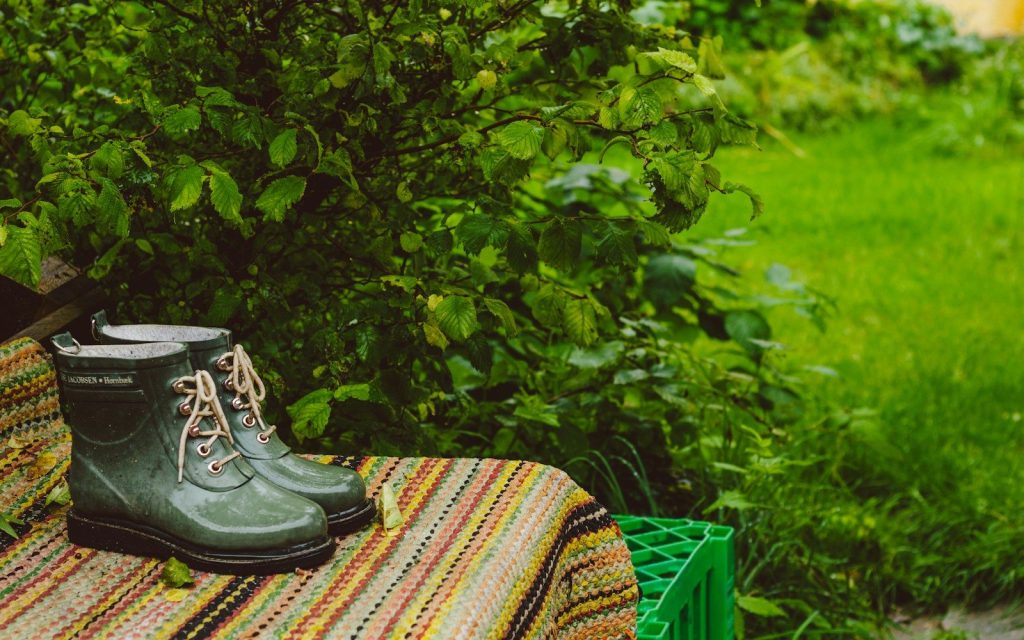
Location matters more than many people think. Boots left in still air can remain damp for much longer than expected, even when conditions seem dry.
Instead of focusing only on warmth, look for places where air naturally circulates. A sheltered area with steady airflow can dramatically improve drying results without exposing boots to damaging conditions.
Outsmart Lingering Odors Before They Start
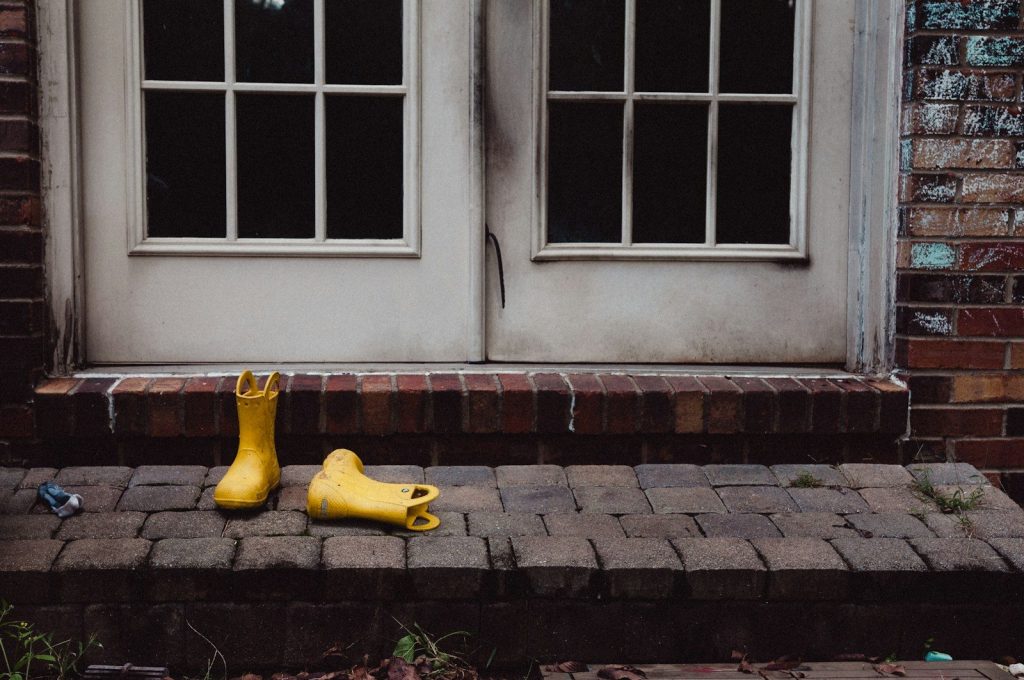
Moisture is not the only problem wet boots create. Damp interiors can quickly develop unpleasant smells that seem impossible to remove once they settle in.
Drying boots thoroughly and consistently is one of the easiest ways to prevent odors from taking hold. Giving moisture fewer places to hide means fewer opportunities for stale smells to develop in the first place.
Small Habits That Make the Next Trip Easier
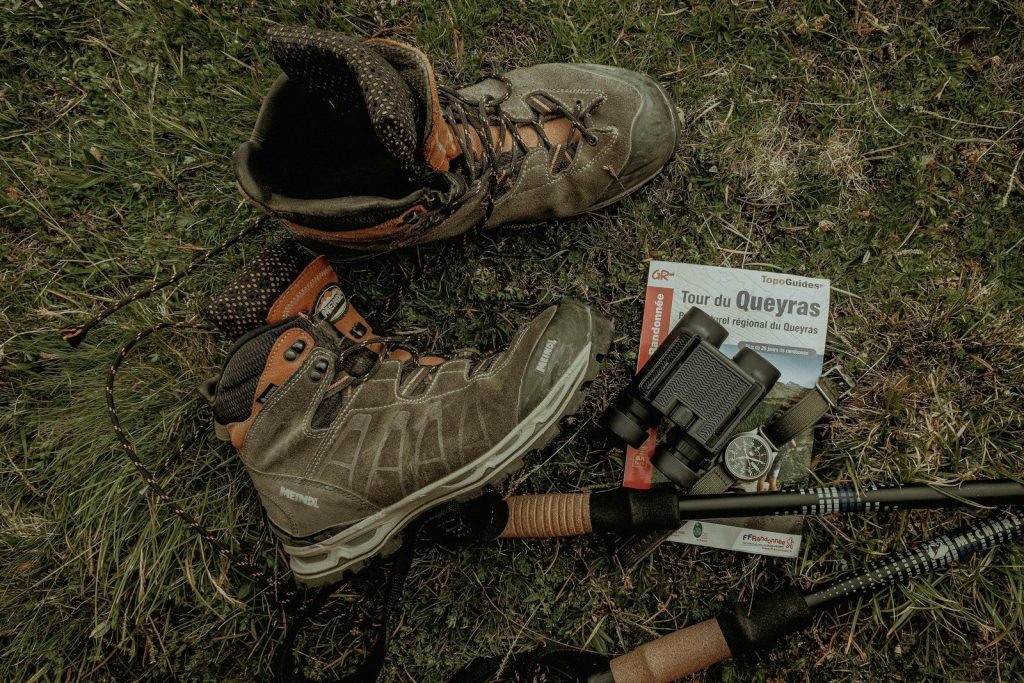
The smartest outdoor enthusiasts think beyond today’s wet boots. Keeping absorbent materials nearby, allowing boots time to recover between uses, and drying them properly after every outing can save plenty of frustration.
These simple habits may seem minor, but they often determine whether your boots feel ready for the next adventure or become the piece of gear you dread putting on again.