

Stress is part of daily life, but constantly elevated cortisol levels can leave you feeling tired, irritable, and mentally drained. While no single food can magically switch off stress, certain foods provide nutrients that support a healthier stress response. If you’re looking for practical ways to help your body stay balanced, these foods are worth adding to your shopping list.
1. Kiwifruit Before Bed
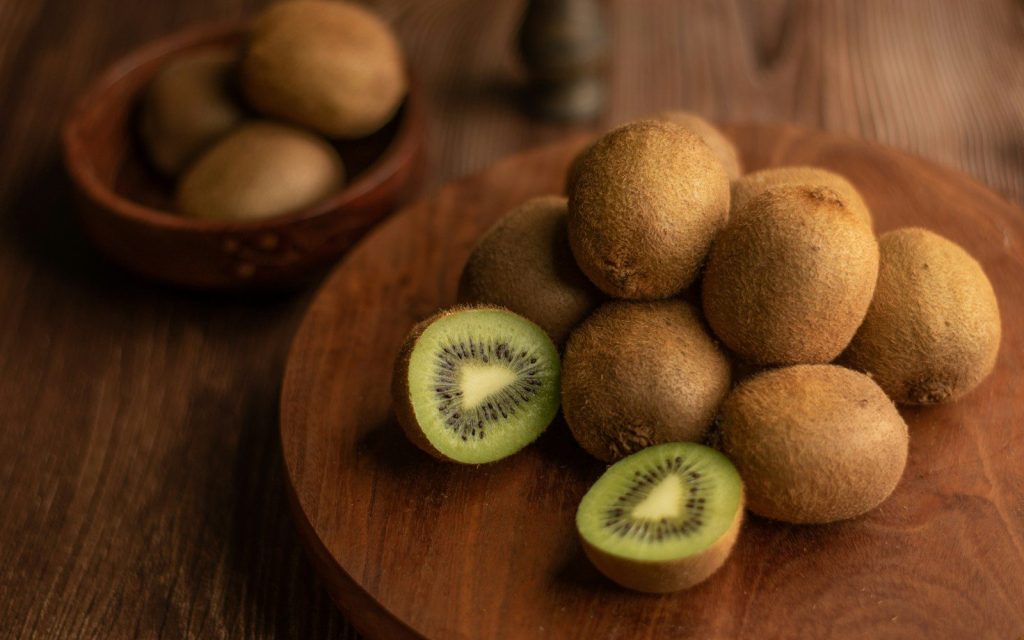
If stress tends to keep you awake at night, try adding kiwi to your evening routine. Kiwifruit contains vitamin C and naturally occurring serotonin, both of which are linked to sleep quality. Better sleep can help keep cortisol levels from remaining elevated overnight.
A simple hack is to eat one or two kiwis about an hour before bedtime as part of a light evening snack.
2. Pumpkin Seeds For Magnesium Support
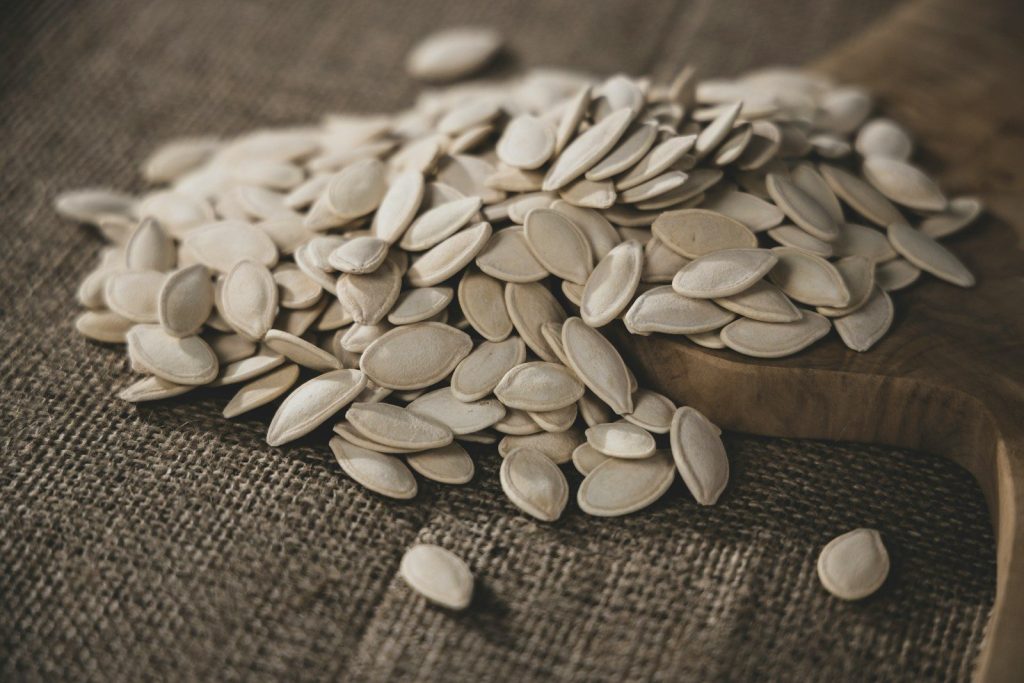
Many people focus on protein and forget about magnesium, a mineral involved in hundreds of bodily processes, including stress regulation.
Pumpkin seeds provide a concentrated source of magnesium and are easy to sprinkle over salads, oatmeal, or yogurt. Keeping a small container at your desk can also make for a smarter stress-friendly snack than reaching for sweets.
3. Tart Cherries In The Evening
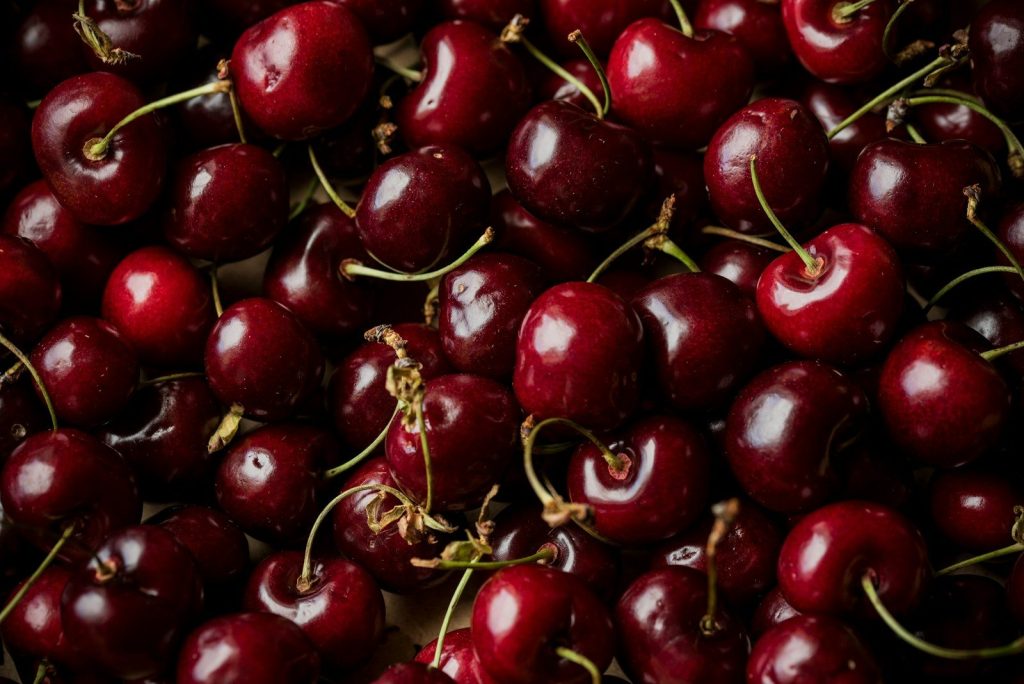
Tart cherries naturally contain compounds associated with sleep support and recovery. Since poor sleep and high cortisol often go hand in hand, incorporating tart cherries may help create a healthier nighttime routine.
Unsweetened tart cherry juice or frozen tart cherries blended into a smoothie can be an easy addition to your week.
4. Lentils For Steadier Energy
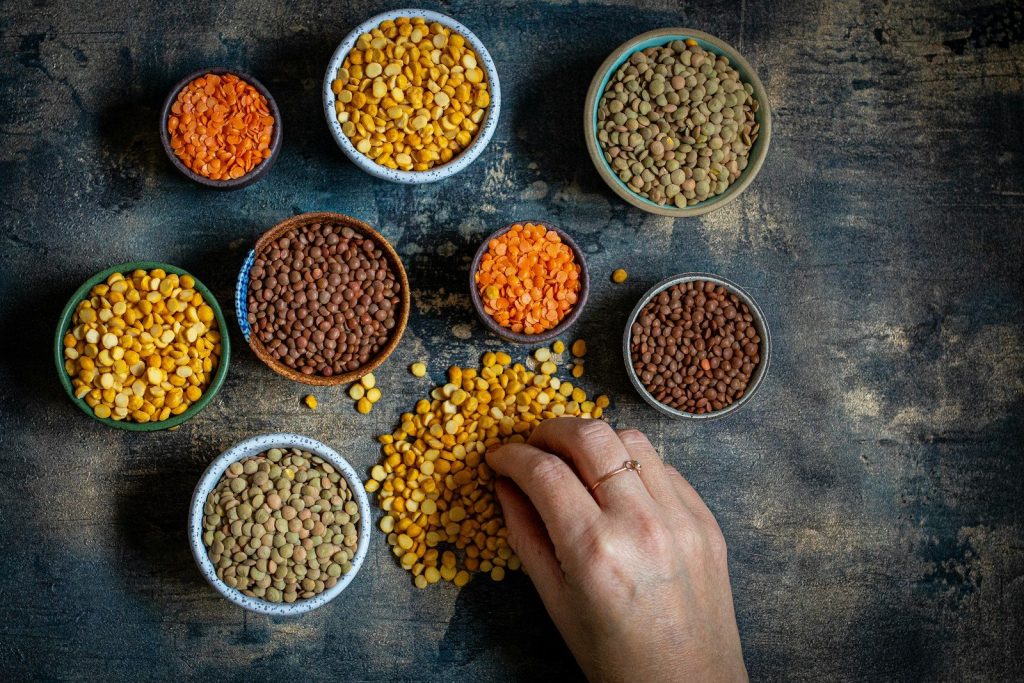
Blood sugar swings can add extra strain to the body’s stress response. Lentils digest slowly thanks to their fiber and protein content, helping promote more stable energy throughout the day.
A batch of lentil soup or a lentil-based grain bowl can help prevent the mid-afternoon crash that often sends people searching for caffeine.
5. Avocados For Everyday Stress Nutrition
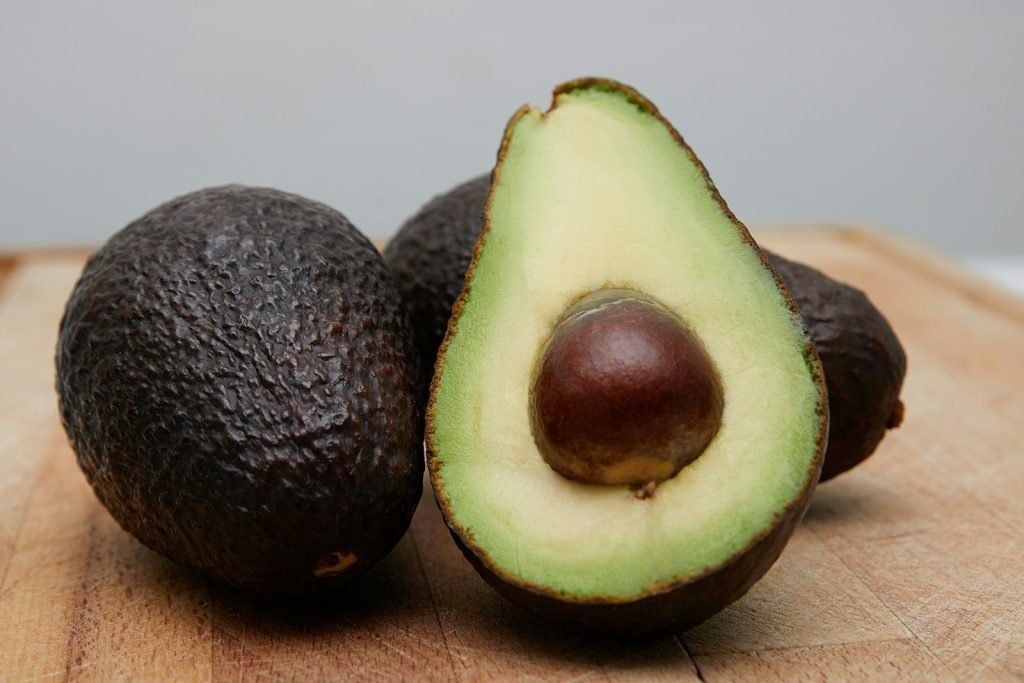
Avocados provide potassium, fiber, and healthy fats that support overall cardiovascular and metabolic health. Potassium is especially useful because chronic stress can influence blood pressure regulation.
Try mashing avocado onto whole-grain toast or adding sliced avocado to sandwiches instead of relying solely on spreads.
6. Fermented Foods For The Gut-Brain Connection

Researchers continue to explore the connection between gut health and stress. Foods such as kimchi, kefir, sauerkraut, and plain yogurt contain beneficial microbes that may support a healthier gut environment.
One practical trick is to pair a fermented food with a regular meal rather than treating it as a separate health project. Small, consistent servings often fit more easily into daily life.
7. Oysters For Zinc
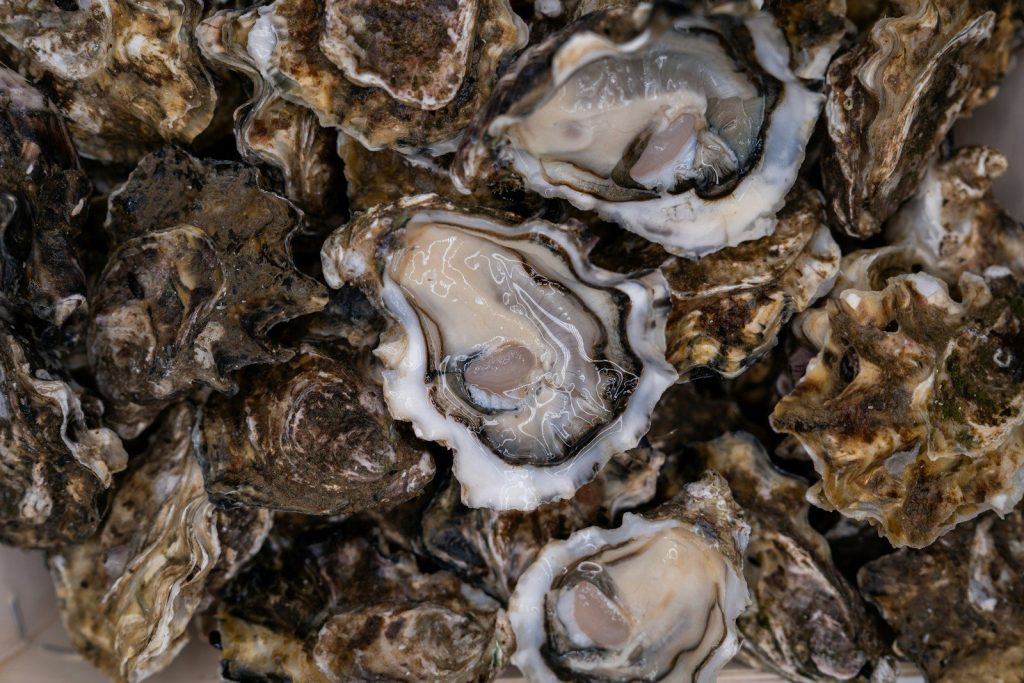
Zinc plays a role in immune function and stress regulation. Oysters happen to be one of the richest food sources of this mineral.
If oysters aren’t your thing, other shellfish can also help increase zinc intake. The goal is simply to include zinc-rich foods more regularly instead of relying on supplements alone.
8. Dark Leafy Greens With Lunch
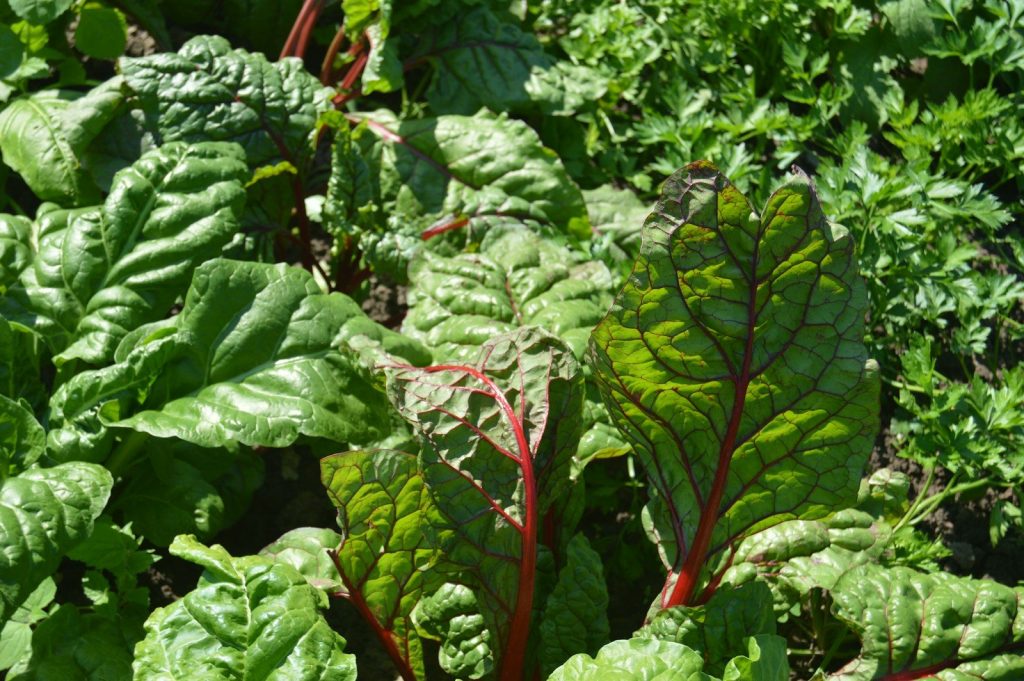
Spinach, Swiss chard, and other leafy greens provide magnesium, folate, and antioxidants that support overall well-being.
Many people save vegetables for dinner, but adding greens at lunch can help spread nutrient intake throughout the day. A handful blended into a smoothie or added to a wrap works surprisingly well.
9. Fatty Fish Twice A Week
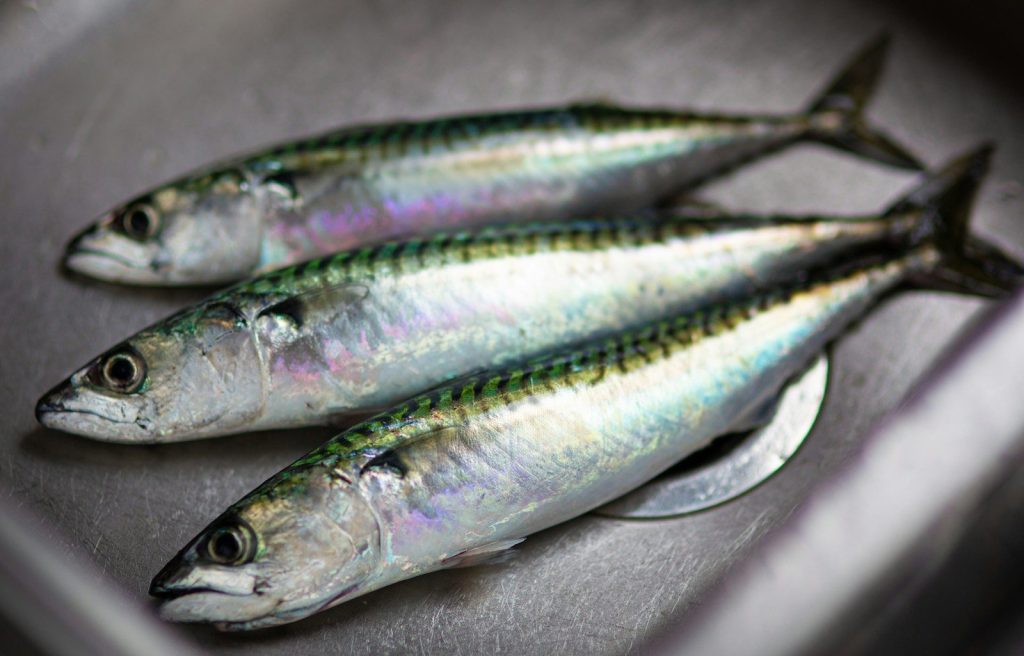
Salmon, sardines, trout, and mackerel contain omega-3 fatty acids that help support brain health and the body’s response to stress.
A useful habit is to keep canned sardines or salmon on hand for quick meals. Convenience often determines whether healthy intentions actually become healthy habits.
10. Cacao Nibs Instead Of Sugary Stress Snacks
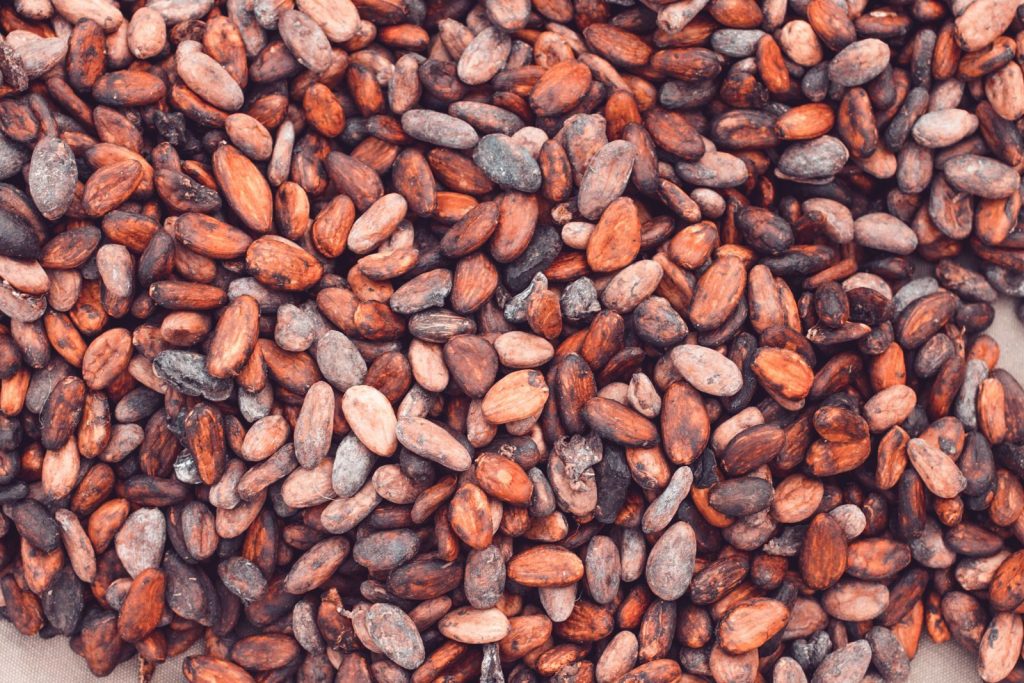
When stress hits, many people reach for highly processed sweets. Cacao nibs offer a crunchier option that provides flavanols and minerals without the heavy sugar load found in many desserts.
Sprinkle them over oatmeal, yogurt, or homemade trail mix when you’re craving something satisfying but want to keep your snack a little more balanced.
The Bottom Line

Reducing cortisol isn’t about finding a miracle food. Small dietary habits often have the greatest impact over time. Adding magnesium-rich seeds, omega-3-packed fish, fermented foods, and nutrient-dense fruits can help support your body’s natural stress response while improving overall health. Think of these foods as simple stress-management upgrades that work best when paired with good sleep, regular movement, and daily recovery time.