

Walking is one of the simplest ways to stay active, but doing the same route at the same pace every day can limit its benefits. Small changes to how, when, and where you walk can make your routine more engaging while supporting balance, endurance, strength, and long-term consistency. These seven walking hacks are backed by research and used by fitness professionals to help people get more from every step.
Change Your Pace Every Few Minutes

You don’t have to turn your walk into a sprint. Alternating between a comfortable pace and a brisk pace every few minutes challenges your heart and muscles more than maintaining one speed the entire time. Many walking programs use intervals because they naturally increase intensity without making the workout feel overwhelming.
Look For Hills Instead Of More Distance

Adding gentle hills can increase the challenge without adding another mile to your route. Walking uphill recruits more muscles in the legs and glutes, while downhill sections improve balance and coordination when taken carefully.
Walk After A Meal When You Can

A short walk after eating, particularly after larger meals, has been linked to better post-meal blood sugar control compared with remaining seated. Even ten to fifteen minutes can become an easy habit that fits naturally into the day.
Try A Different Surface Once A Week
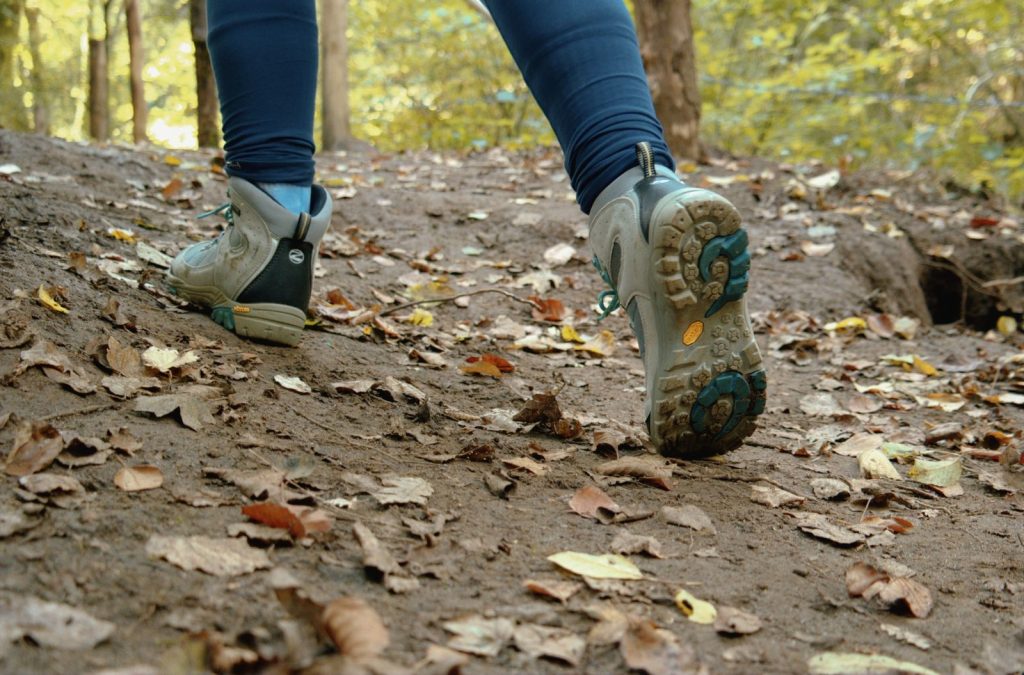
Switching between sidewalks, forest trails, grass, boardwalks, or packed gravel changes how your body works to maintain balance. These small adjustments engage stabilising muscles that perfectly flat pavement doesn’t challenge as much.
Use Landmarks Instead Of Constantly Checking Your Watch

Rather than stopping every few minutes to check time or distance, pick landmarks such as the next bridge, bench, or large tree as mini goals. This keeps your attention on the environment instead of your screen and can make longer walks feel more enjoyable.
Leave One Ear Free

If you enjoy music or podcasts, consider keeping one earbud out when walking outdoors. It helps you stay aware of cyclists, traffic, runners, wildlife, and other people around you while still enjoying your audio.
Walk Somewhere New Every Month

One of the biggest reasons walking routines fade is boredom. Exploring botanical gardens, waterfront paths, historic neighborhoods, nature reserves, or unfamiliar parks keeps the experience mentally engaging and gives you something new to look forward to.
A Better Walk Doesn’t Always Mean A Harder Walk

The most effective walking routine isn’t necessarily the longest or fastest one. Small changes like varying your pace, choosing different terrain, walking after meals, or simply exploring new places can keep the habit fresh while helping your body adapt in new ways. Sometimes getting more from a walk is simply about walking a little differently.