

Most people see an old cup and assume it is only worth sentimental value. Collectors, however, know that certain details can turn an ordinary-looking piece into something surprisingly desirable.
The trick is knowing what to look for before donating, selling, or overlooking vintage drinkware. These expert-inspired hacks can help you identify clues that may point to unexpected value hiding in plain sight.
Check the Bottom First Hack
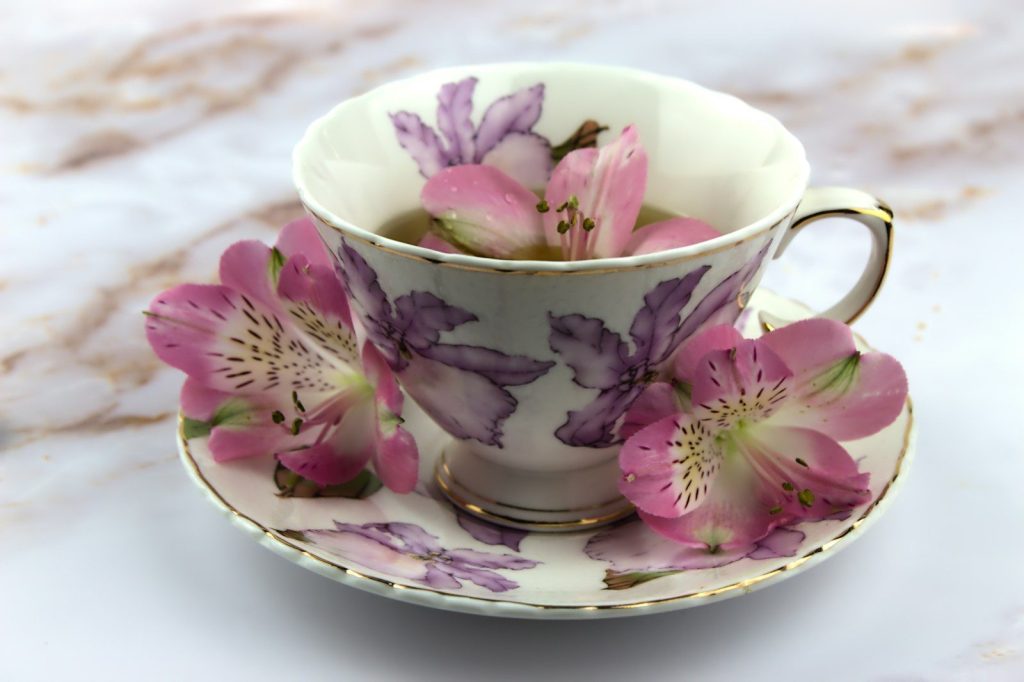
The fastest way to evaluate a vintage cup is to flip it over. Manufacturer marks, stamps, and logos often reveal more than the design itself.
The hack is to make the bottom your starting point. A small maker’s mark can provide valuable clues about age, rarity, and collector interest.
Look for Complete Sets Hack
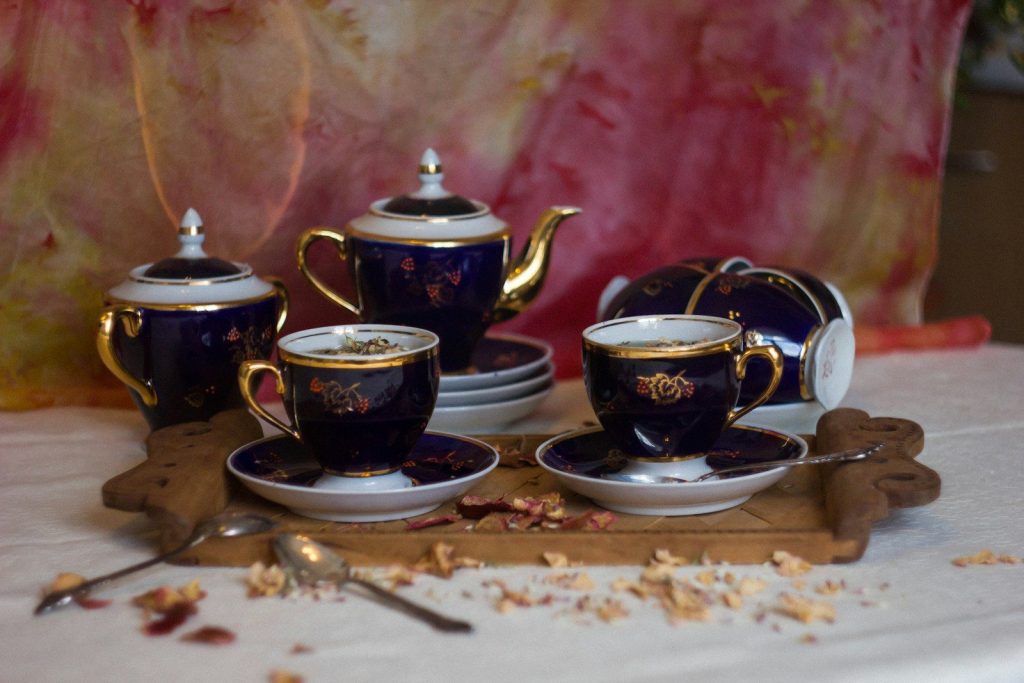
Collectors often pay more for matching pieces than for individual items. A single cup may be interesting, but a coordinated set can attract greater attention.
The hack is to search cabinets, storage boxes, and attics for matching pieces before selling. Keeping sets together can significantly improve appeal.
Pay Attention to Unusual Patterns Hack
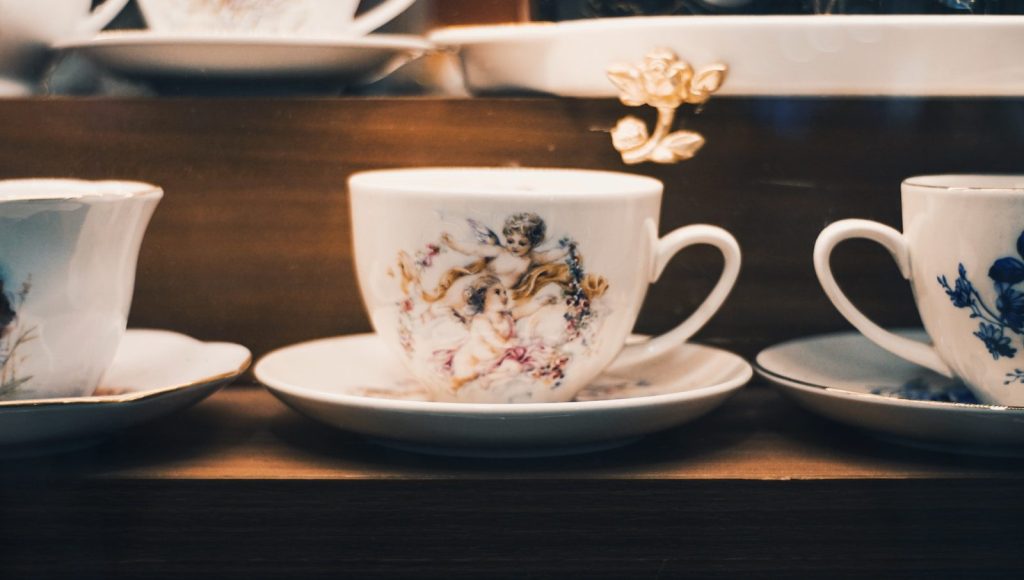
Many people focus on the condition alone and ignore design details. Yet unique patterns often play a major role in collectibility.
The hack is to compare unusual artwork, colors, and motifs with common designs. Distinctive patterns tend to stand out in collector markets.
Watch for Limited Production Clues Hack
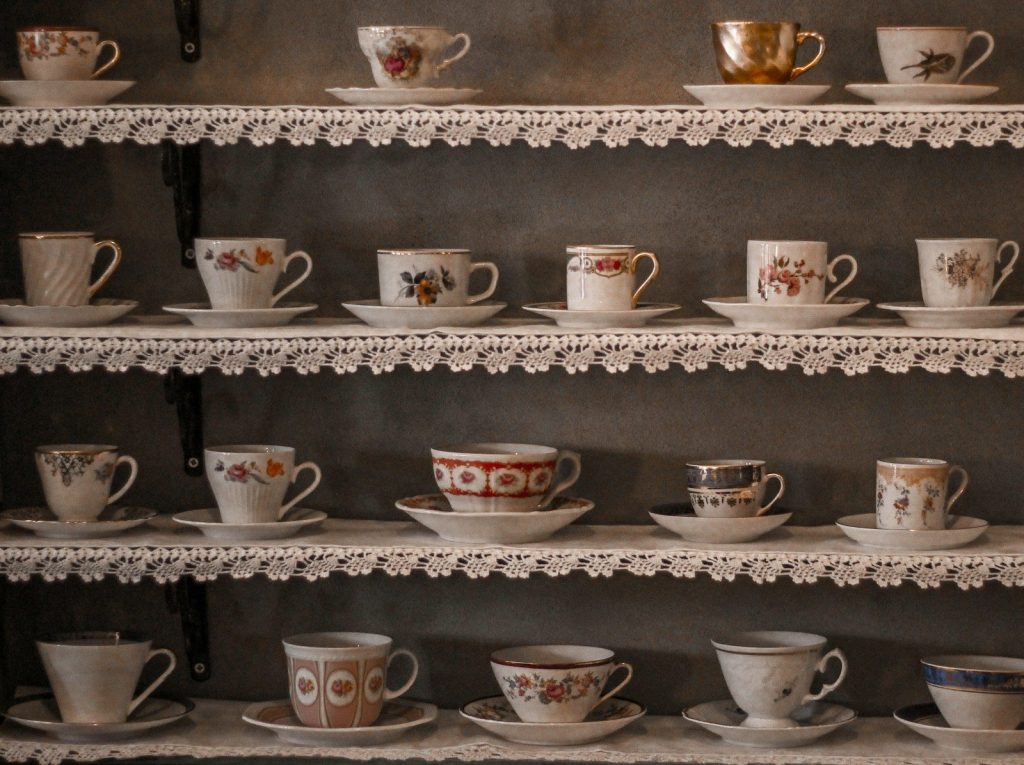
Not every vintage item was produced in massive numbers. Some designs were only available briefly or in specific regions.
The hack is to research production dates and special editions. Scarcity often increases interest among collectors looking for harder-to-find pieces.
Inspect Gold Trim Carefully Hack
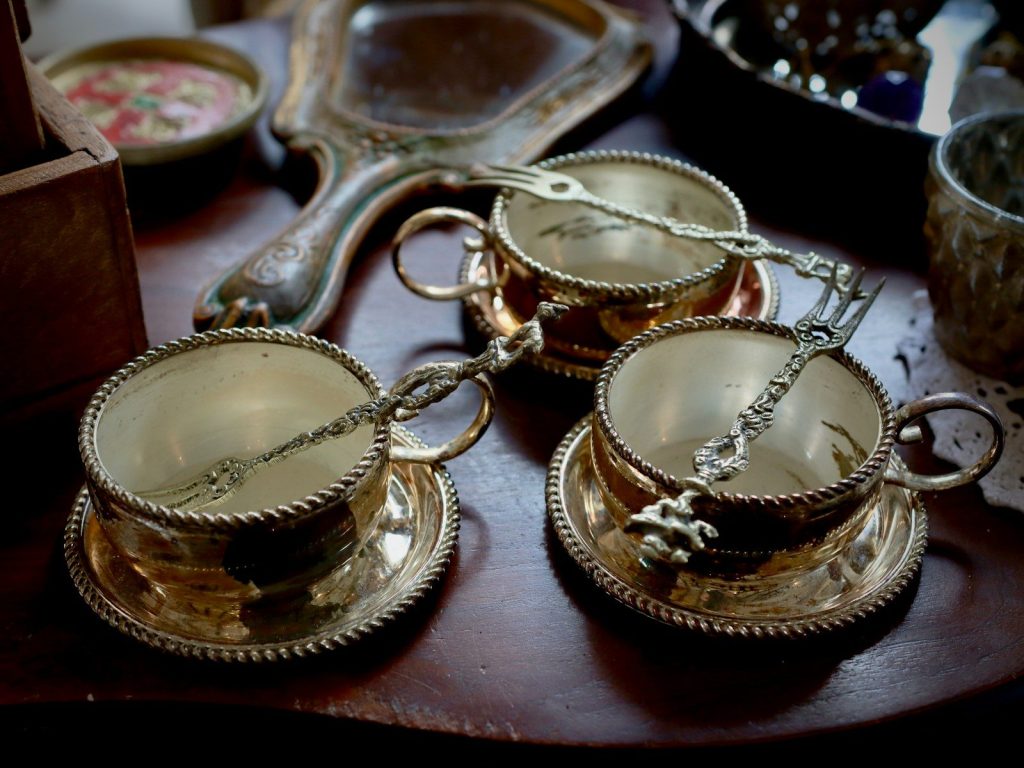
Decorative gold accents can be a useful clue when evaluating older cups. These details often signal higher-end manufacturing or special collections.
The hack is to examine trim quality and condition closely. Well-preserved decorative elements may increase overall desirability.
Condition Matters More Than Age Hack
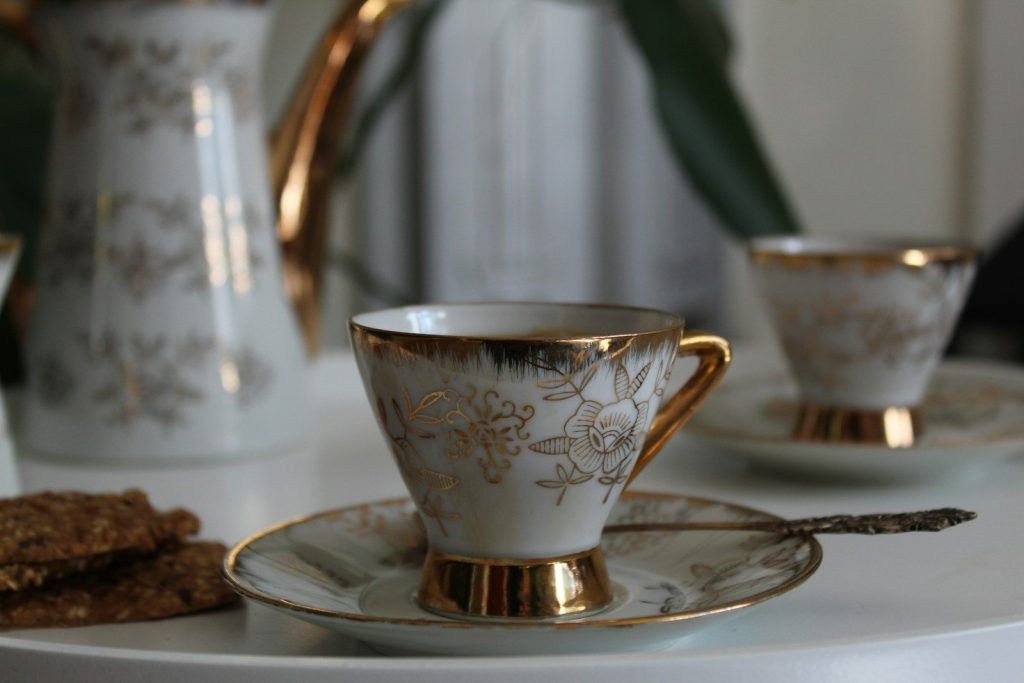
Many people assume older automatically means more valuable. In reality, damage can greatly affect what collectors are willing to pay.
The hack is to inspect for chips, cracks, repairs, and fading before making assumptions. A newer, pristine piece may outperform an older, damaged one.
Research Before You Donate Hack
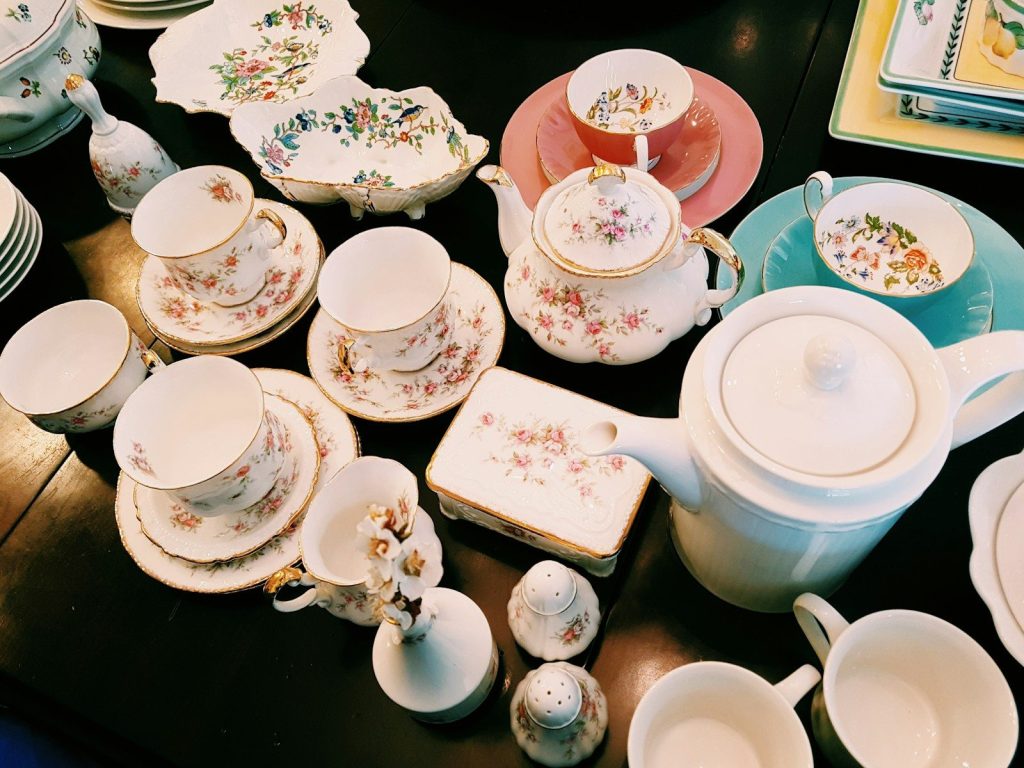
Valuable items sometimes end up in donation piles simply because owners never checked their history. A few minutes of research can prevent costly mistakes.
The hack is to search maker names and identifying marks online before letting go of vintage drinkware. Surprises are more common than many people realize.
Trust the Details Others Ignore Hack
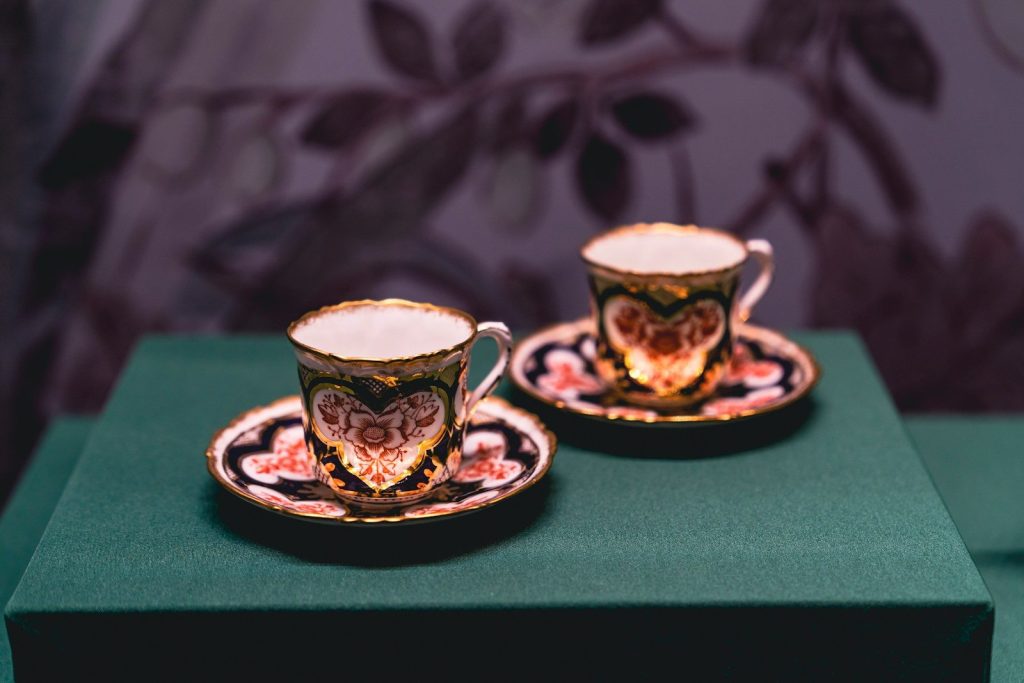
Experienced collectors often focus on small features that casual buyers overlook. Handles, markings, shapes, and decorative finishes can all matter.
The hack is to slow down and study the details before judging an item’s worth. Sometimes the most valuable clues are hiding where few people think to look.