

A packed calendar does not always mean a productive week. Small scheduling habits often create the biggest difference, helping you stay focused without feeling like every hour is already spoken for.
The best calendar tricks are surprisingly simple, yet many people overlook them. These practical ideas can help you organize your time more naturally while leaving room for work, rest, and the unexpected moments every busy week brings.
Build Your Week Before It Begins
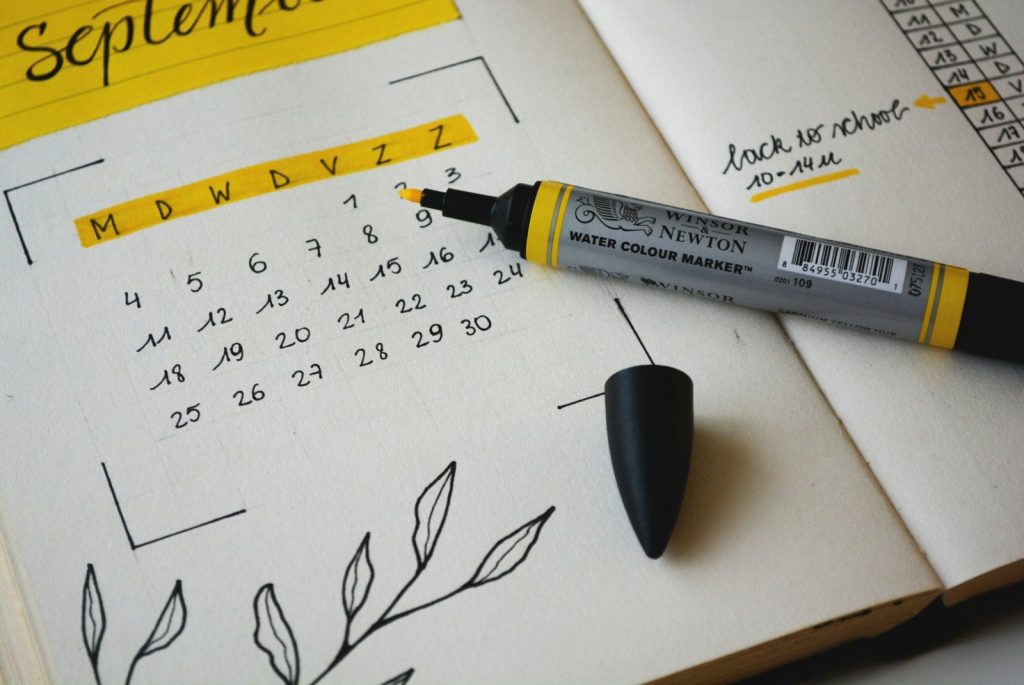
Start planning your week before Monday arrives. Spending a few quiet minutes reviewing appointments and priorities makes the coming days feel more manageable instead of rushed.
Group similar tasks together while identifying your busiest periods. Seeing everything in advance helps you avoid last-minute surprises and gives your schedule a more balanced rhythm.
Protect Time That Belongs to You

Treat personal time with the same importance as meetings. Adding exercise, family dinners, or quiet breaks to your calendar makes them less likely to disappear.
These blocks also create breathing room between responsibilities. Even short breaks can improve focus and prevent your entire day from feeling packed from morning until night.
Give Every Task a Real Home

Instead of keeping long to-do lists, assign important tasks to specific times. A calendar creates commitment that a simple checklist often cannot provide.
Choose realistic time blocks instead of filling every empty space. Leaving a little flexibility makes it easier to stay on schedule when unexpected things happen.
Use Color Without Overdoing It

A simple color system makes your calendar easier to scan at a glance. Different shades for work, personal plans, and deadlines reduce confusion during busy days.
Keep your categories limited so the calendar stays clean. Too many colors can become distracting and make important events harder to notice quickly.
Add Buffers Between Busy Moments

Scheduling events back to back often creates unnecessary stress. Leave short gaps between appointments to reset, travel, or finish lingering tasks without rushing.
Those extra minutes can also absorb unexpected delays. Instead of throwing off your entire day, small interruptions become much easier to handle.
Set Gentle Reminders Before Deadlines

Notifications work best when they arrive early enough to be useful. A reminder the day before gives you time to prepare instead of scrambling at the last minute.
For major projects, add several reminders spread across the week. Smaller checkpoints make large responsibilities feel more manageable and easier to complete.
Review Your Calendar Every Evening

Take a quick look at tomorrow before ending the day. Knowing what comes next helps you prepare mentally and reduces the morning scramble.
This habit also gives you a chance to adjust priorities if something has changed. A few minutes of planning can save much more time later.
Keep Your Calendar Flexible

The most effective schedule is one that can adapt when life changes. Avoid filling every available minute because unexpected opportunities and challenges always appear.
Think of your calendar as a helpful guide instead of a strict rulebook. A little flexibility keeps busy weeks productive while making daily life feel much easier to manage.