

A gazebo can do far more than add a pretty roof to your backyard. The right setup can create a shaded dining area, a bug-free hangout, a grilling station, or even a comfortable outdoor room without a full renovation.
The trick is choosing based on how you actually use your space. From measuring the footprint to picking the right roof, anchoring system, and weather protection, these practical hacks can help you avoid an expensive outdoor mistake.
Measure Your Dream Setup Before You Buy
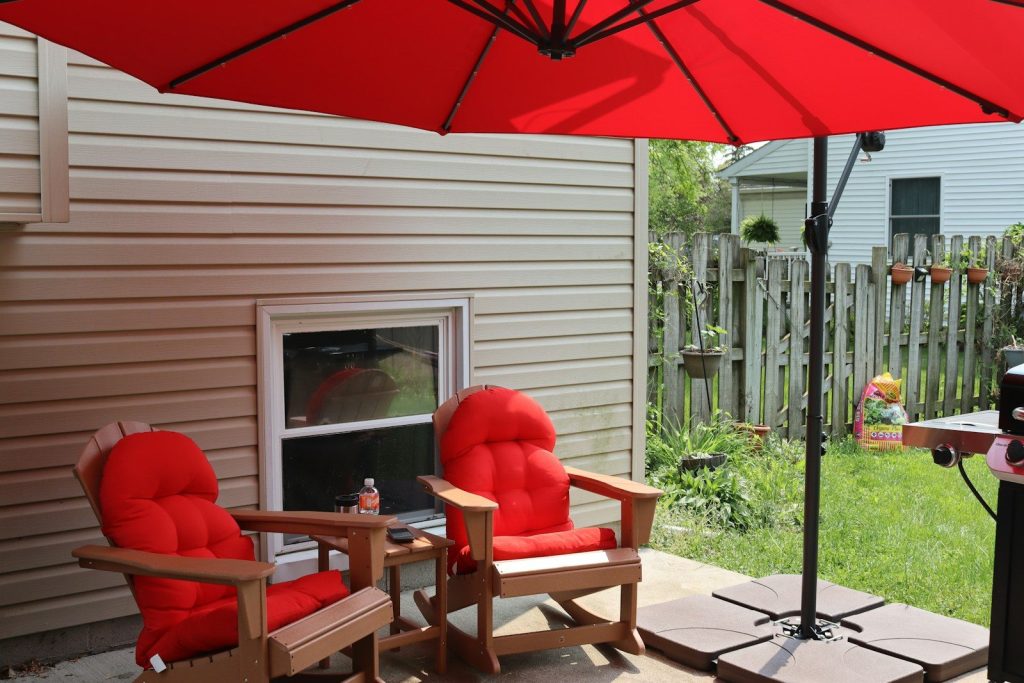
Use furniture as your measuring tool before shopping. Mark out the space needed for chairs, a table, or a grill, then add room for people to walk around comfortably. A gazebo that technically fits may still feel cramped once everything is inside.
Also check the ground carefully. Roots, rocks, uneven soil, and drainage issues can turn installation into a headache. Measuring first helps you choose a structure that fits your yard instead of forcing your yard to fit the gazebo.
Match the Gazebo to Your Real Weather
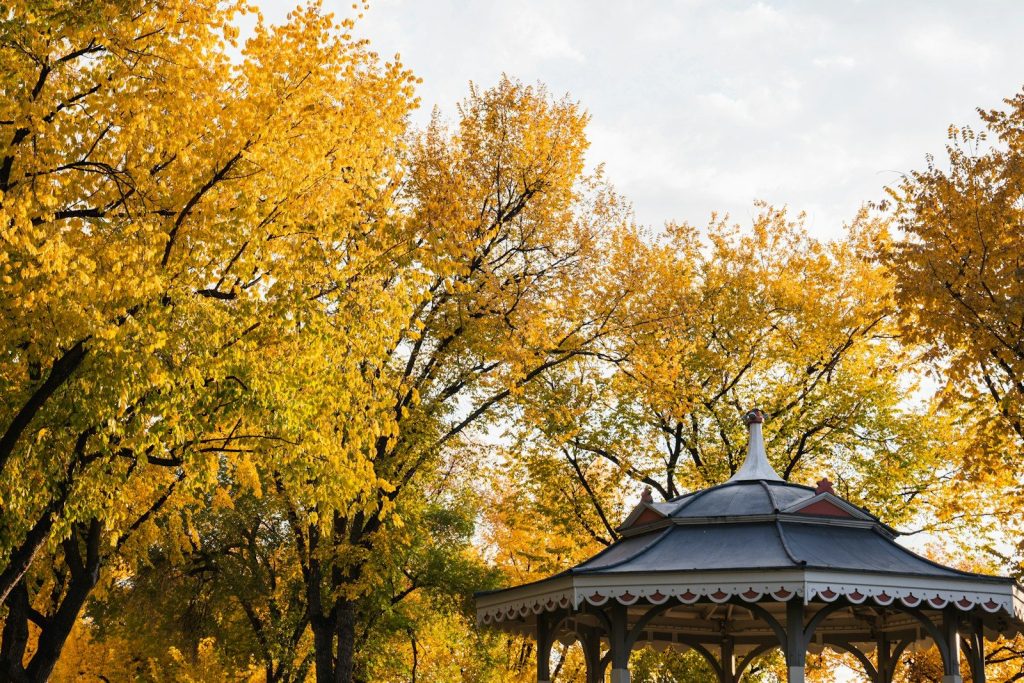
If your area gets strong winds, heavy rain, or snow, skip the temptation to choose based on looks alone. Permanent hardtop models generally offer more stability, while lightweight pop-up designs are better for temporary shade and easy transport.
A smart shortcut is to check the manufacturer’s wind and snow ratings before buying. That single detail can reveal whether a gazebo is built for year-round use or should be packed away when severe weather arrives.
Use a Double Roof to Beat Stuffy Summer Heat
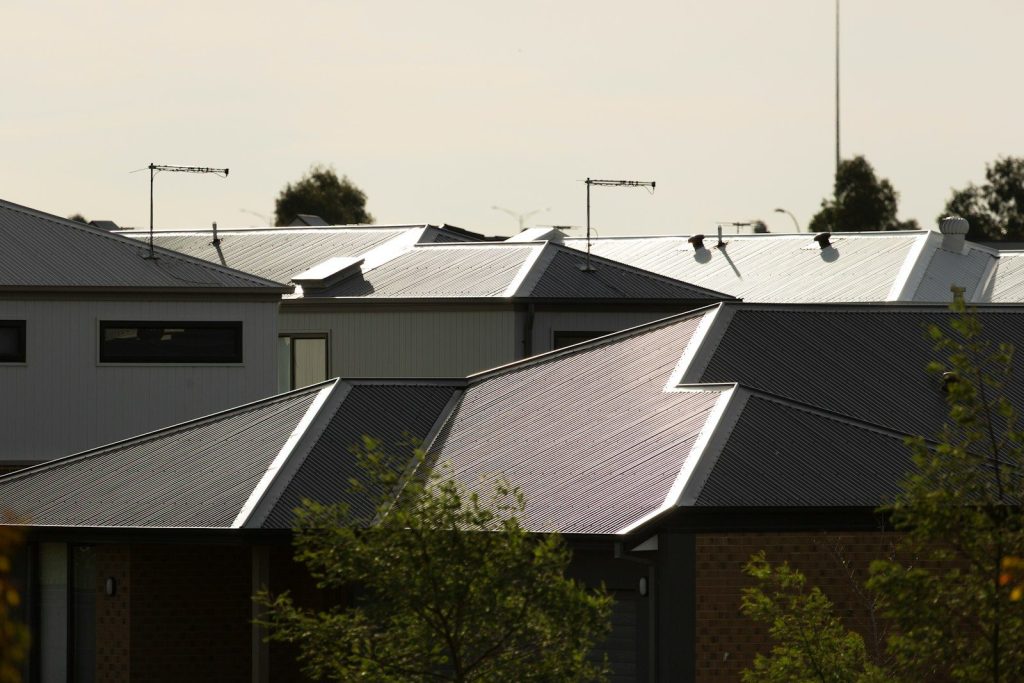
A double-roof design can make an outdoor shelter feel noticeably more comfortable. The gap between roof layers allows hot air to escape while the upper roof still helps block rain and sunlight.
This feature is especially useful if you plan to spend long afternoons beneath the gazebo. Instead of treating the roof as simple overhead coverage, look for designs that encourage airflow. That small detail can make the difference between a relaxing retreat and a sweltering outdoor box.
Turn a Small Gazebo Into a Full Outdoor Room
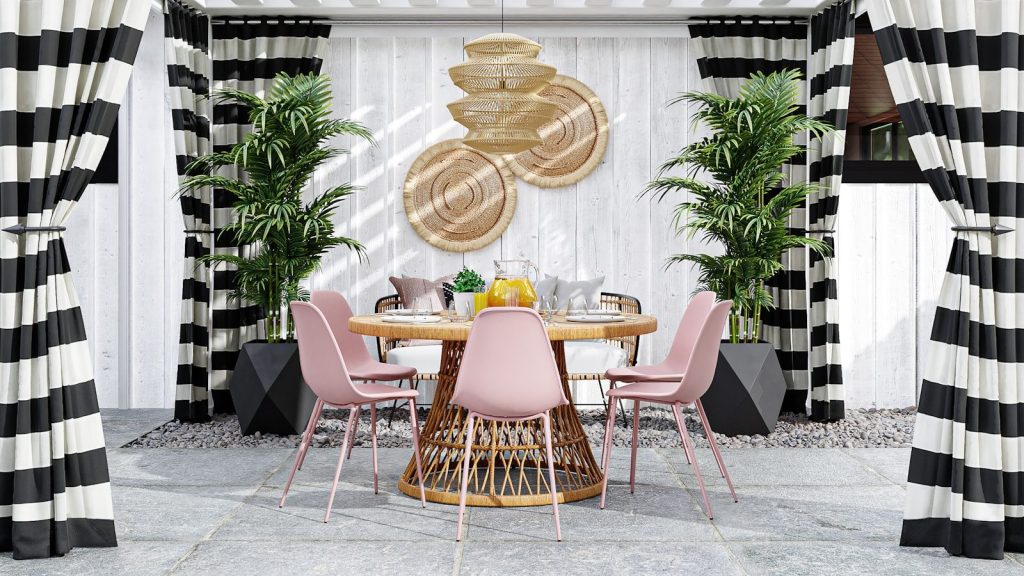
You do not need the biggest structure to create a useful backyard escape. A smaller gazebo can work beautifully when every feature has a job. Add seating, compact tables, hanging storage, or curtains to make the space feel more finished.
For dining, rectangular designs often make better use of long tables, while square or round shapes can work well for smaller seating areas. Choose the shape around your main activity, not simply the style that looks best online.
Keep Bugs Out Without Blocking the Breeze

If mosquitoes ruin your evenings, built-in mesh netting can be one of the most useful upgrades. It helps create a more comfortable space while allowing air and views to pass through.
Curtains can add another layer of flexibility by blocking sunlight, rain, wind, or unwanted attention. The practical trick is to treat these features as adjustable tools. Open them when you want airflow and views, then close them when insects or weather move in.
Build a Backyard Grill Zone That Works Harder
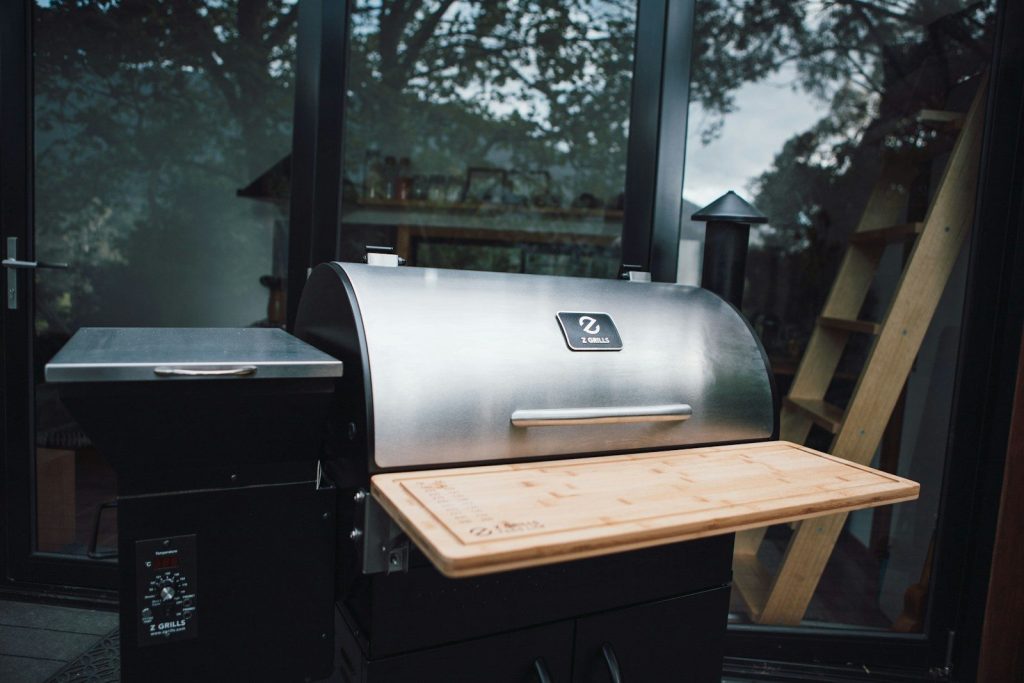
A grilling gazebo becomes far more useful when it includes shelves, hooks, lighting, and good ventilation. These details keep tools and ingredients close instead of forcing you to run back and forth to the kitchen.
Look for a roof design that encourages airflow, but never treat a canopy as a substitute for safe grilling practices. Keep proper clearance, watch the smoke, and choose a structure designed for the activity rather than improvising beneath a basic shade canopy.
Pick Materials Based on Maintenance
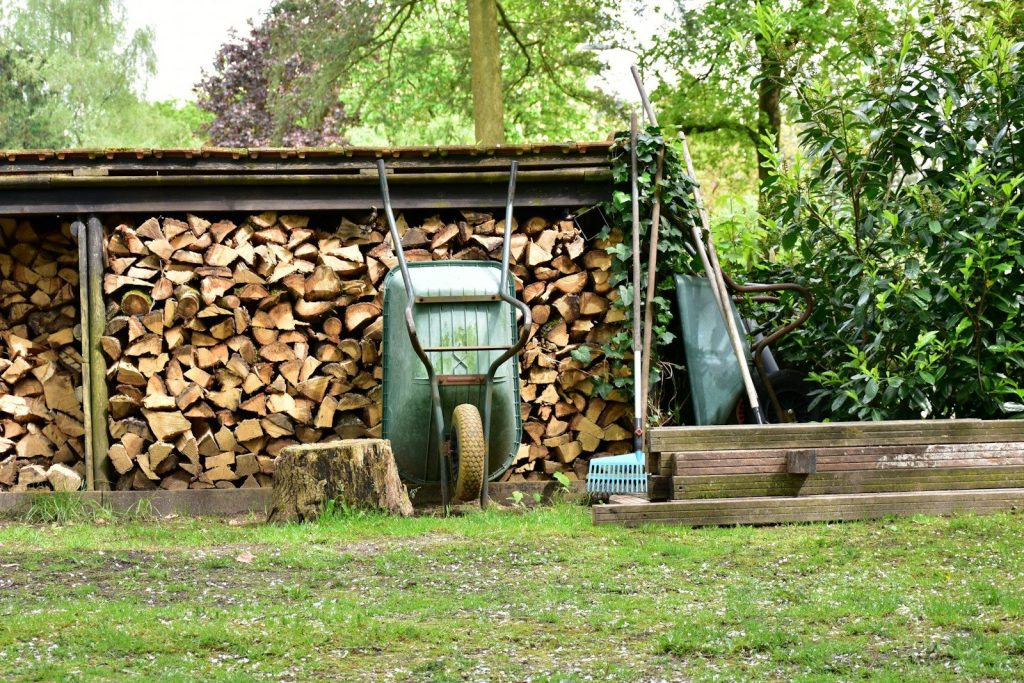
Wood can deliver a warm, classic appearance, but it may require regular refinishing. Steel is strong and heavy, while aluminum can provide strength with better resistance to rust. The best choice depends on how much maintenance you are willing to handle.
A useful buying hack is to think beyond the first impression. A beautiful gazebo that needs frequent upkeep may become frustrating, while a slightly simpler material could save time and maintenance costs over the years.
Never Forget the Anchor and Permission Check
One of the easiest mistakes is focusing on the gazebo itself while ignoring what holds it in place. Depending on the surface, you may need stakes, bolts, screws, or another anchoring method to improve stability.
Before installation, also check local rules or homeowners association requirements. Some structures may require permission, and many gazebos do not include a floor. Planning the foundation, anchoring, and approvals first can save you from costly surprises later.
Featured Image: By Brian Wangenheim on Unsplash