

Most thrift store shoppers walk past shelves of old glassware without a second glance. Collectors, however, know that certain pieces can be far more interesting than their price tags suggest.
The secret is learning which details deserve a closer look. These thrift store glassware hacks can help you shop smarter, spot overlooked gems, and avoid missing potentially valuable finds.
The Color Clue Hack
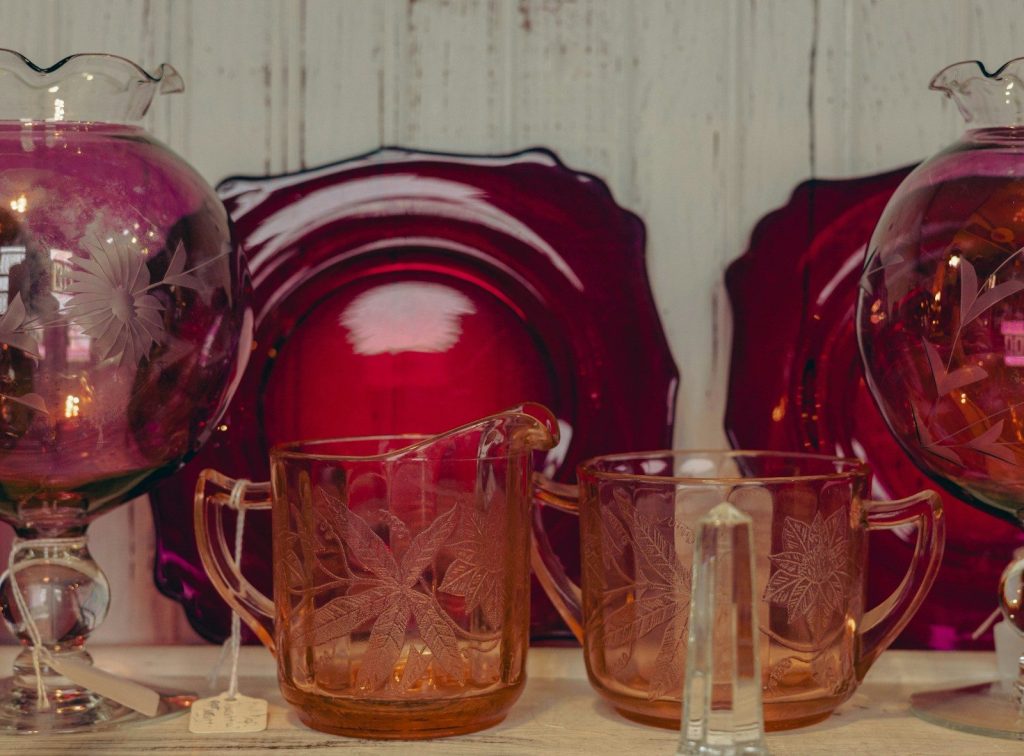
One of the fastest ways to identify potentially interesting glassware is by paying attention to unusual colors. Distinctive shades often stand out from ordinary pieces.
The hack is to scan shelves for glass in uncommon hues before checking anything else. Unique colors can be a useful starting point for further research.
The Pattern Recognition Hack

Many valuable pieces attract attention because of their intricate patterns rather than their overall shape. Details often tell a bigger story.
The hack is to look closely at etched designs, pressed patterns, and decorative textures. Distinctive craftsmanship can signal collectible appeal.
The Weight Test Hack

Mass-produced glassware often feels different from older, higher-quality pieces. Weight and construction can reveal important clues.
The hack is to carefully compare similar items in your hand. Heavier and more solid pieces may deserve a closer inspection.
The Matching Set Hack

Single glasses can be interesting, but complete sets often attract greater interest from collectors and buyers.
The hack is to check nearby shelves for matching pieces before heading to checkout. A full set may be worth far more than one item alone.
The Maker Mark Hack

Many shoppers focus only on appearance and forget to check the bottom. Some of the most useful information is hidden there.
The hack is to flip glassware over and inspect for marks, logos, or manufacturer names. These details can help identify age and origin.
The Damage Inspection Hack

A beautiful piece can lose much of its appeal if it has significant chips or cracks. Condition matters more than many shoppers realize.
The hack is to inspect rims, bases, and handles carefully under good lighting. Small flaws are easier to spot before you buy.
The Research Before Resell Hack
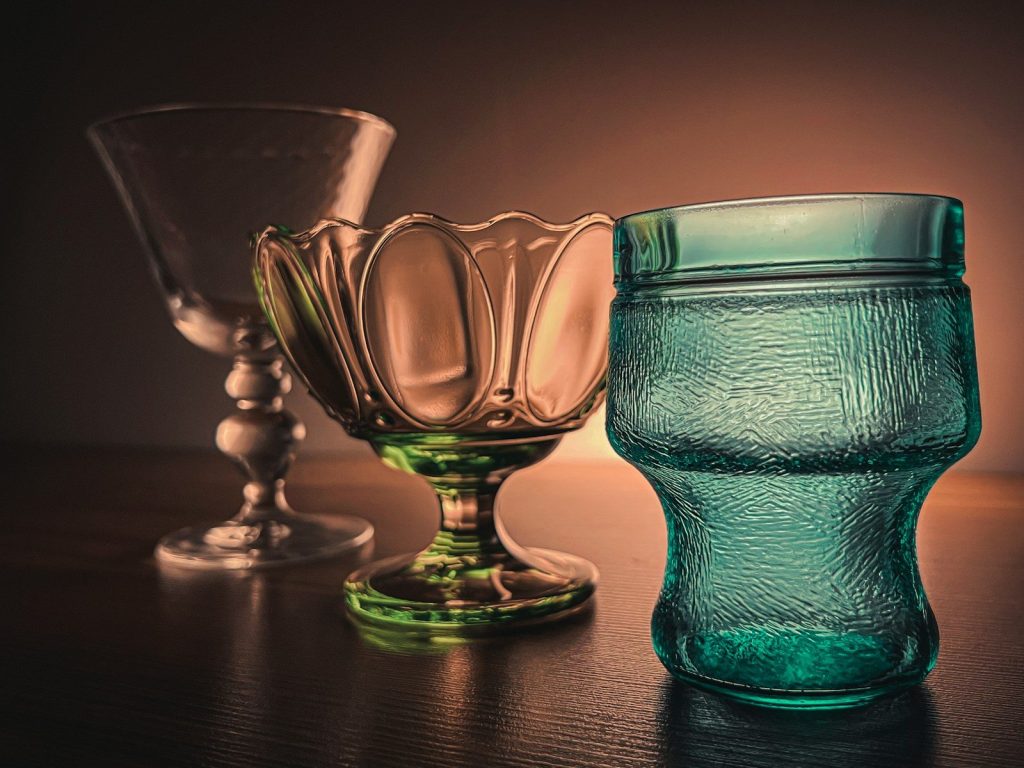
Many people assume they know what a piece is worth based on appearance alone. That can lead to missed opportunities.
The hack is to spend a few minutes researching similar items before selling or donating. A quick search may reveal surprising collector demand.
The Ignore the Dust Hack

Thrift store treasures rarely look perfect sitting on a shelf. Dust and poor display conditions can make great finds easy to overlook.
The hack is to focus on the shape, pattern, and craftsmanship rather than surface appearance. Sometimes the most interesting pieces are hiding beneath years of neglect.