

Many retirees spend years focusing on how much they’ve saved, only to discover that where the money is located can matter almost as much as how much they have. Financial planner Julia Lembcke recently highlighted a mistake she sees repeatedly: retirees draining taxable accounts first while leaving large traditional 401(k) and IRA balances untouched. At first glance, it sounds logical. In practice, it can create larger required withdrawals, higher taxable income, and bigger tax bills later in retirement. These clever retirement hacks are based on the same concerns experts are increasingly discussing.
Find Out How Much Of Your Retirement Money Is Pre-Tax

According to Lembcke, many retirees hold 60% to 70% of their assets in pre-tax accounts such as traditional 401(k)s and IRAs. In some cases, that number reaches 90% or more. Understanding your own breakdown is one of the first steps because future taxes are tied directly to those balances. A portfolio that looks diversified on paper may be heavily concentrated from a tax perspective.
Stop Looking At Retirement Accounts In Isolation

Many people view each retirement account separately instead of as part of a larger system. The article’s central message is that withdrawal sequencing matters. The order in which money is withdrawn can significantly affect lifetime taxes, Medicare costs, and future required distributions. Experts increasingly encourage retirees to evaluate how accounts work together rather than independently.
Don’t Automatically Drain Taxable Accounts First
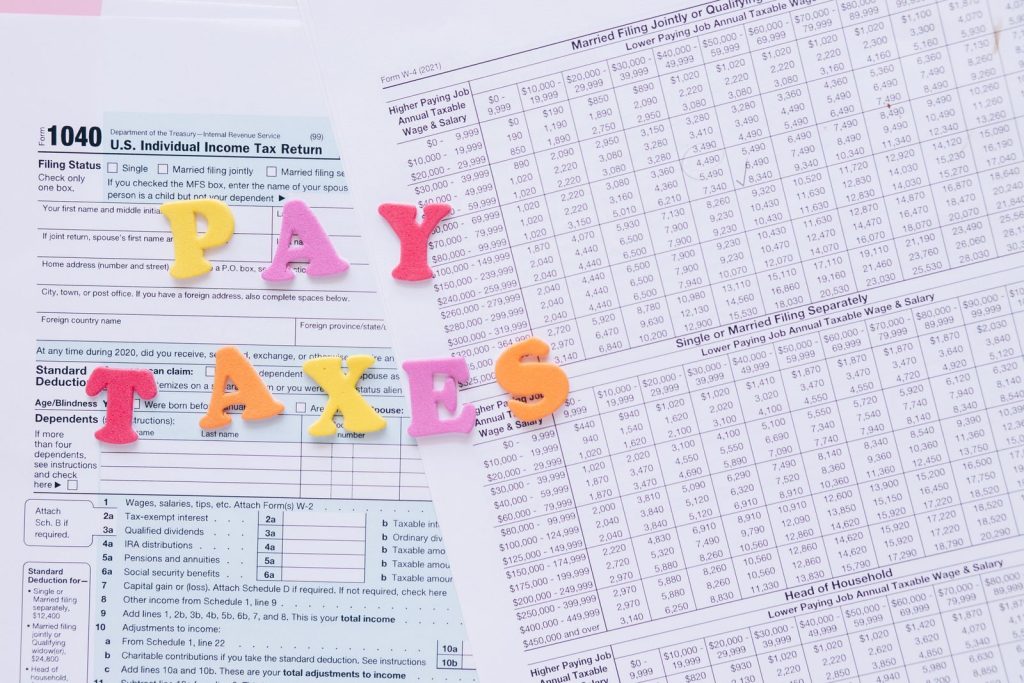
The traditional approach often suggests spending taxable brokerage assets before touching retirement accounts. The article argues that this strategy can backfire for some retirees. Leaving large pre-tax balances untouched may allow them to continue growing until required minimum distributions begin, creating larger future withdrawals and potentially larger tax bills.
Pay Attention To The RMD Snowball Effect

Required Minimum Distributions, commonly called RMDs, begin later in retirement and force withdrawals from many pre-tax accounts. The article highlights how retirees who postpone withdrawals for years may discover that their account balances have grown enough to create much larger RMDs than expected. In some cases, required withdrawals can exceed what retirees actually need to spend.
Know Why Age 63 Matters

One of the most interesting insights from the article involves Medicare’s two-year lookback period. Income earned around age 63 can influence Medicare premiums beginning at age 65. This is why some planners discuss Roth conversions before age 63, when retirees may have more flexibility and fewer income complications.
Why Some Planners Talk About Roth Conversion Windows

Some financial planners pay close attention to the years between retirement and the beginning of Medicare-related income considerations. During this period, retirees may have greater flexibility when evaluating different withdrawal and tax-planning strategies. One approach that is often discussed involves Roth conversions, which can potentially reduce future balances in pre-tax accounts. The listicle’s broader point is not that every retiree should pursue this strategy, but that timing can play an important role in long-term tax planning.
Remember That Retirement Taxes Are About Timing

One of the strongest messages from the article is that retirement tax planning is often a timing challenge. A poorly timed withdrawal, conversion, or distribution can create ripple effects involving tax brackets, Medicare surcharges, and investment taxes. Reviewing withdrawal strategies regularly may help retirees avoid surprises later.
The Sequence May Matter More Than You Think

Many retirees spend decades building their savings but relatively little time thinking about how those savings will eventually be withdrawn. The article’s core lesson is simple: retirement accounts do not exist in isolation. The sequence of withdrawals, the timing of Roth conversions, and the balance between account types can all influence future taxes. While every situation is different, understanding these moving pieces may help retirees keep more of the money they worked so hard to save.