

Nature hides some of its strangest discoveries in plain sight. Giant fungi that look like brains, trees that swallow objects, fish with terrifying mouths, glowing insects, and bizarre animal tracks often go unnoticed because most people walk past them without a second glance. These exploration hacks focus on where unusual discoveries tend to happen and why some people seem to find fascinating things wherever they go.
Check What Washed Up Overnight
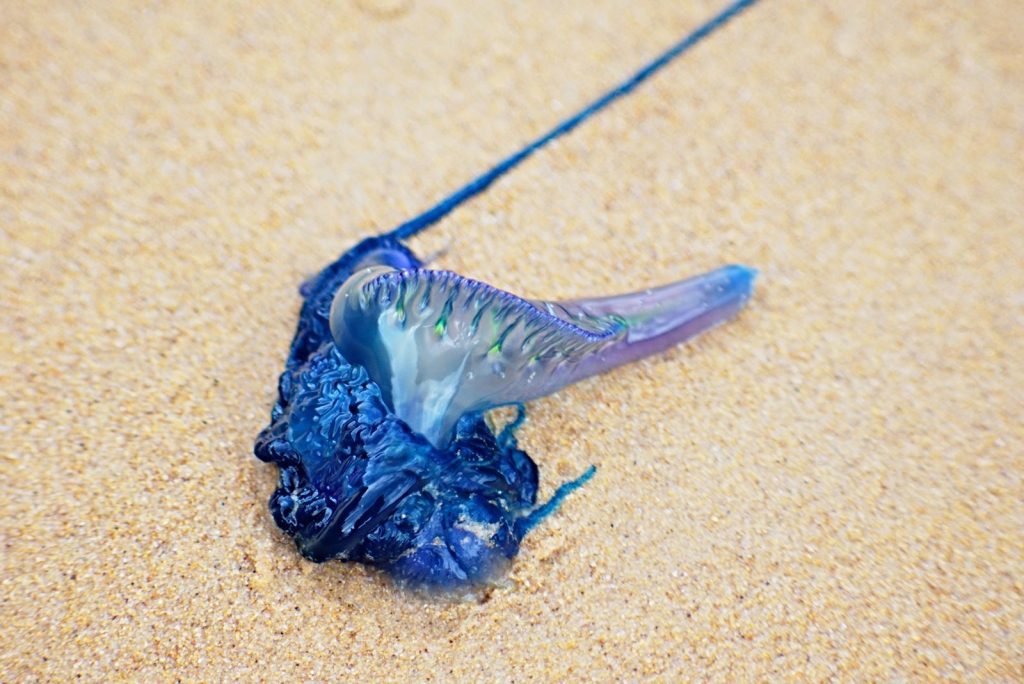
Beaches, riverbanks, and lake shores constantly collect objects carried by currents, storms, and tides. Many unusual discoveries happen early in the day before crowds arrive, including unusual shells, strange fish, driftwood formations, jellyfish, and occasionally creatures that rarely appear close to shore. Explorers who regularly check shorelines often encounter things most visitors never see.
Explore Immediately After Heavy Rain
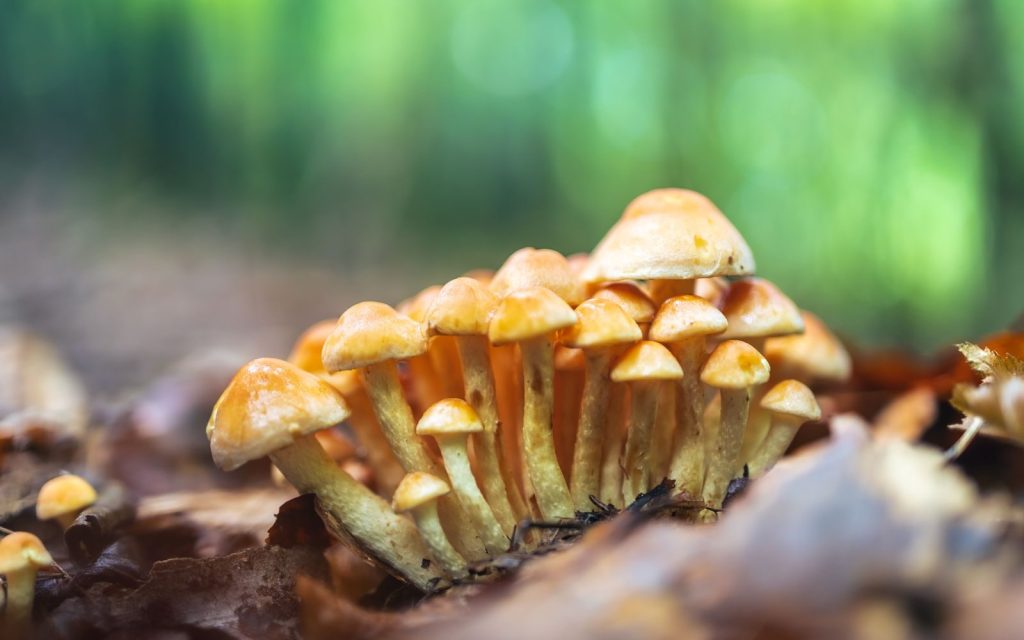
Rain changes landscapes dramatically. Mushrooms emerge, hidden streams appear, animal tracks become visible, and unusual plants often reveal themselves. Some of the most photogenic natural discoveries only exist for a few hours after a storm passes.
Look Under Things Most People Walk Past
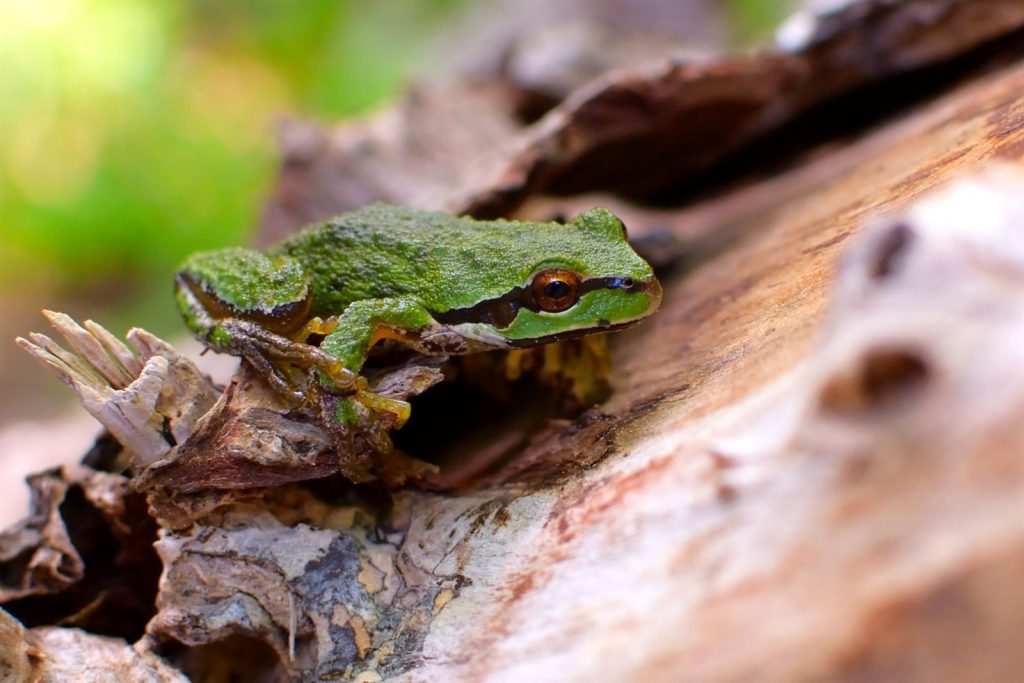
Logs, rocks, driftwood, and fallen branches often hide tiny ecosystems. Insects, frogs, salamanders, unusual fungi, and other creatures frequently live beneath surfaces that most people never think to examine. Looking beneath rather than ahead can completely change what you find.
Pay Attention To Unusual Colours
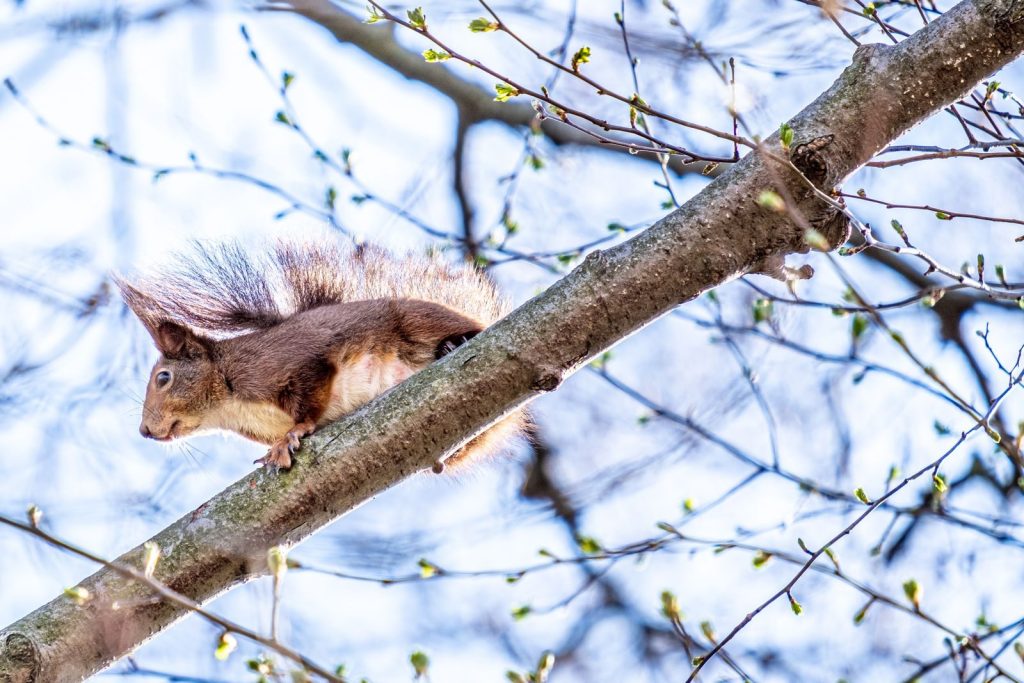
Nature often reveals its rarest surprises through colour. An unusually white squirrel, a bright blue mushroom, a vivid red insect, or a flower growing in a shade different from the rest of its patch can instantly signal something worth investigating. Many unusual discoveries happen because someone noticed a colour that seemed out of place and decided to take a closer look. Training yourself to scan for unexpected colours can help you spot wildlife, plants, and natural phenomena that most people walk right past.
Follow The Birds
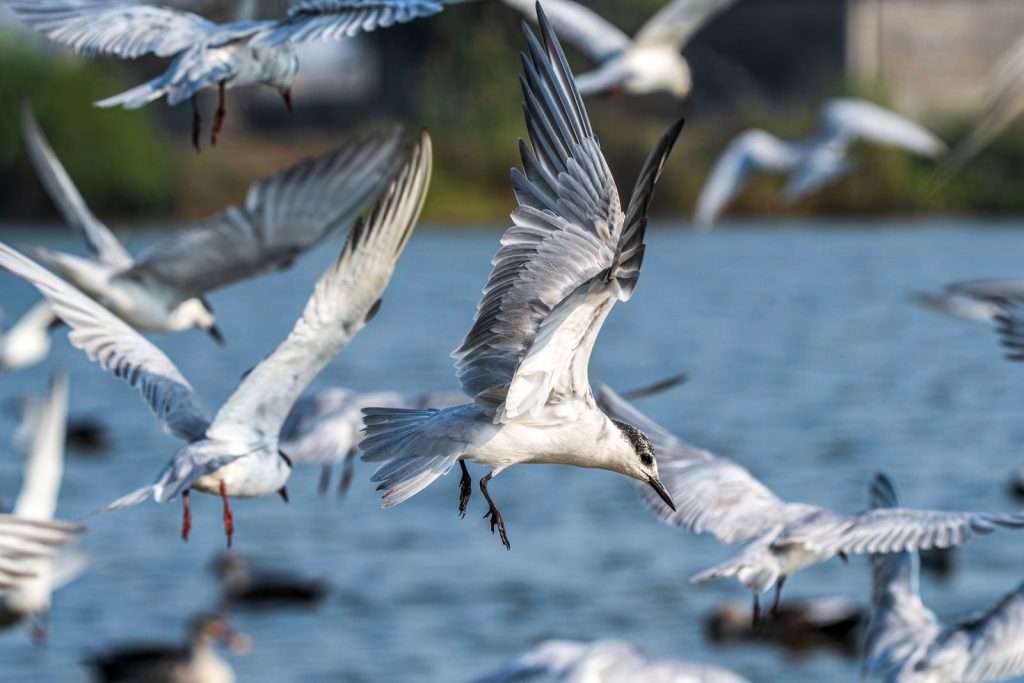
Birds often reveal activity happening elsewhere. Diving birds can indicate feeding fish. Large groups circling overhead may point toward wildlife activity. Watching what birds are paying attention to can lead explorers toward discoveries they might otherwise miss.
Visit The Same Place At Night
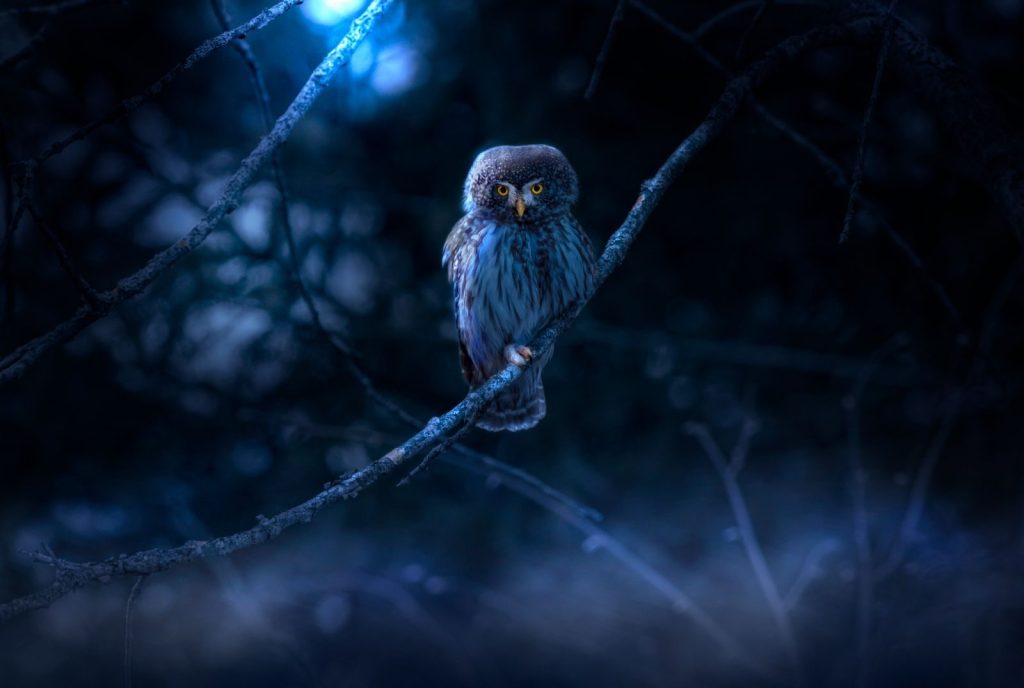
Many locations transform completely after dark. Creatures that remain hidden during the day become active, while different sounds, movements, and behaviours emerge. Exploring familiar places at dusk or after sunset often reveals a second version of the landscape.
Follow Curiosity Instead Of The Trail
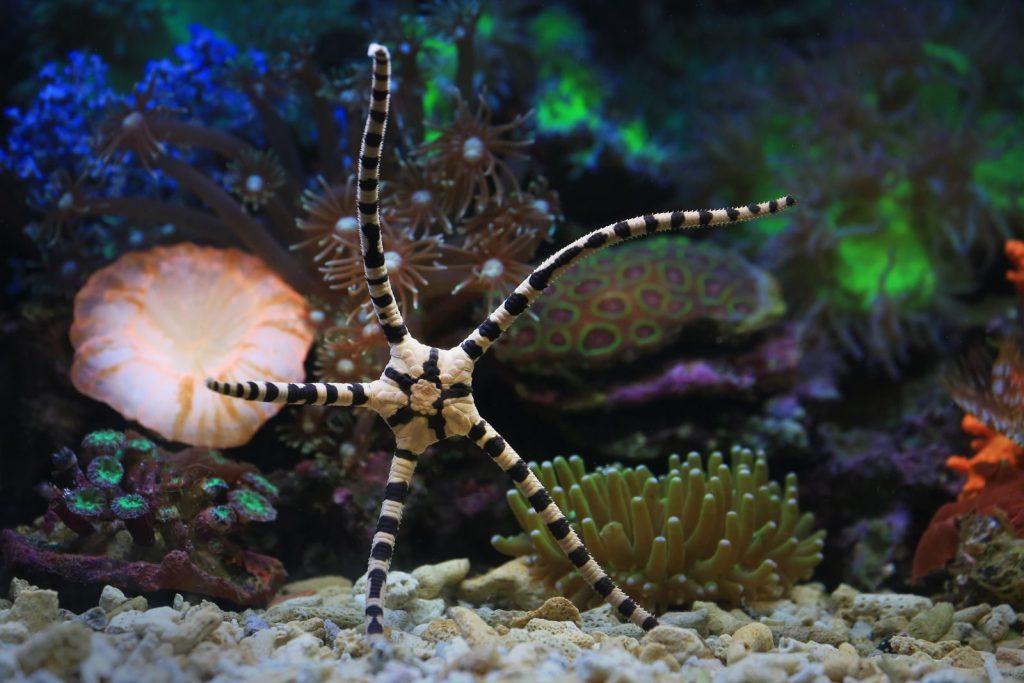
Many unusual discoveries happen a few feet away from where everyone else is looking. A strange plant beside the path, an unusual rock formation, a hidden tide pool, or a cluster of insects may never appear on a map or guidebook. The people who find the most interesting things often allow curiosity to guide them rather than sticking rigidly to a route.
The Strangest Discoveries Are Usually The Ones Nobody Expected
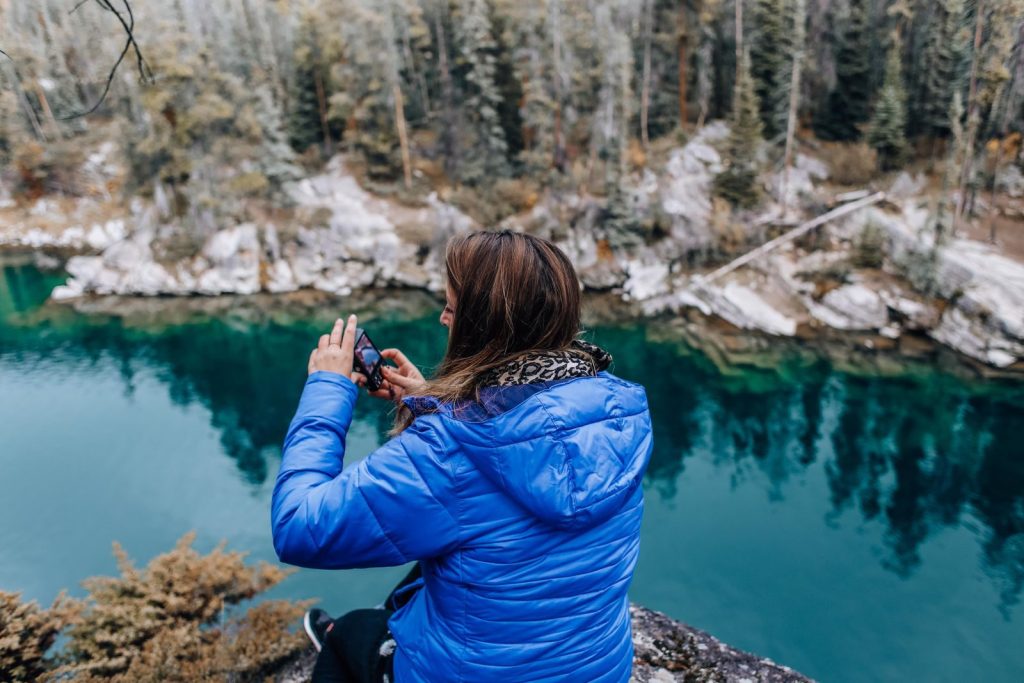
Most people head outdoors looking for scenery. The memorable stories usually come from finding something completely unexpected. Whether it’s an unusual animal, a strange plant, an odd natural formation, or a creature that seems almost unbelievable, nature rewards curiosity far more often than people think. Sometimes the most fascinating discovery is sitting just a few steps away from the trail.