

Food waste feels like an unavoidable part of modern life, especially when restaurants have to prepare for unpredictable crowds. Most people assume extra food gets dumped at closing time and forgotten by morning.
The reality can be far more creative. Some restaurant operators discovered that leftovers can become an opportunity rather than a problem, turning surplus meals into a system that helps communities while cutting waste. Here are the practical lessons anyone can borrow.
The Hidden Value in Extra Food
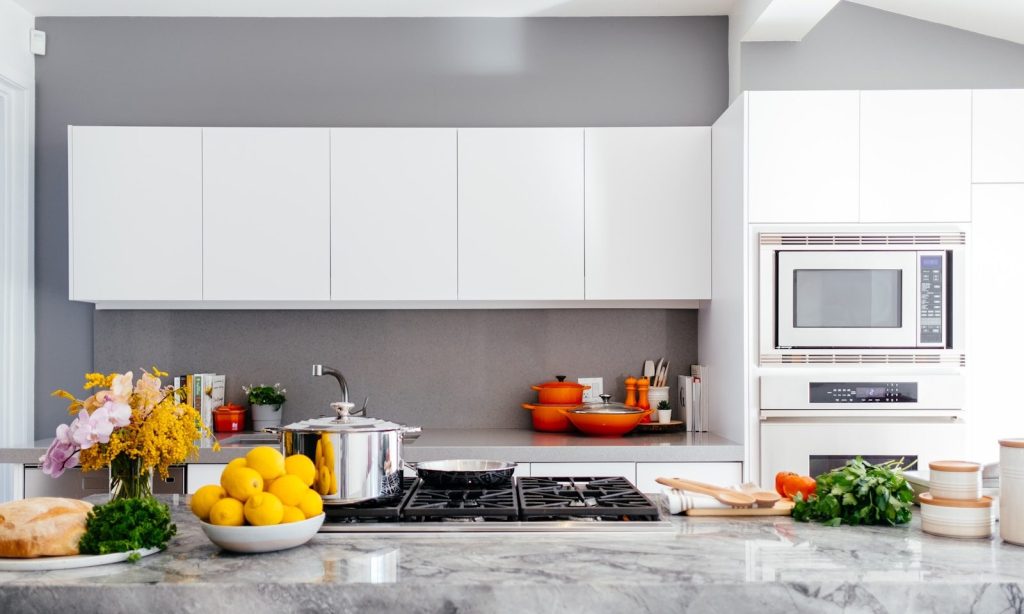
Most people see leftovers as a problem waiting to happen. Smart kitchens see something different. Extra food often represents usable ingredients that still have plenty of value when handled correctly.
The first hack is changing your mindset. Instead of asking what should be thrown away, ask what can safely serve another purpose. That small shift can dramatically reduce waste at home and in business settings.
Build a Plan Before Food Becomes Waste

One reason food gets tossed is that nobody has a clear plan once service ends. Successful operations create systems long before leftovers appear.
The practical takeaway is simple. Decide in advance where surplus food goes. Whether it is meal prep, freezing portions, or sharing with others, a preplanned destination prevents unnecessary waste.
Turn Surplus Into Community Support
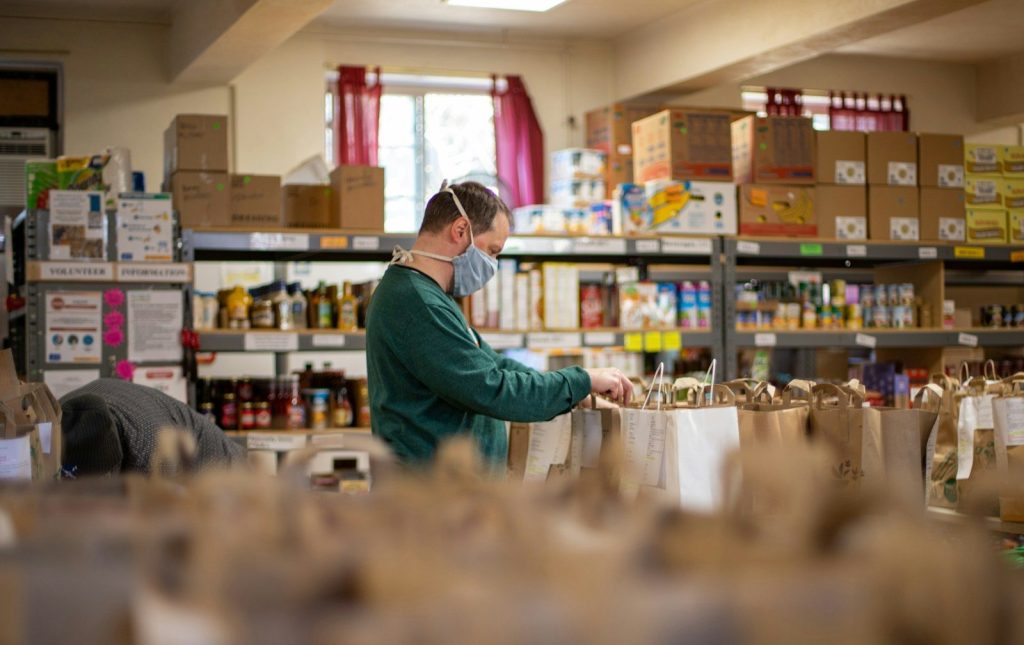
One overlooked trick is finding ways for extra food to help more people. Surplus meals can often serve a greater purpose when redirected instead of discarded.
The hack here is recognizing that leftovers can solve more than one problem. Excess food may help neighbors, shelters, community groups, or local organizations that can put it to good use while reducing waste at the same time.
Package Food Like a Pro
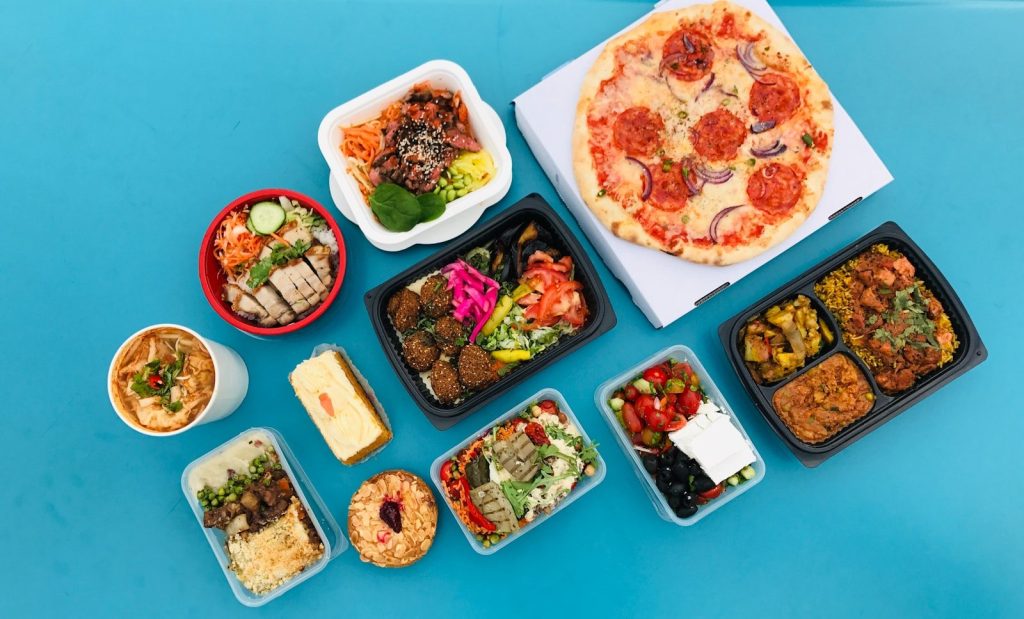
A key reason successful food recovery efforts work is proper handling. Surplus items are sorted, organized, and packaged in a way that keeps them useful for longer.
At home, using containers, labels, and storage dates can make leftovers more appealing and easier to use later. An organization often determines whether food gets eaten or forgotten in the back of the fridge.
Reinvent Leftovers Into New Meals
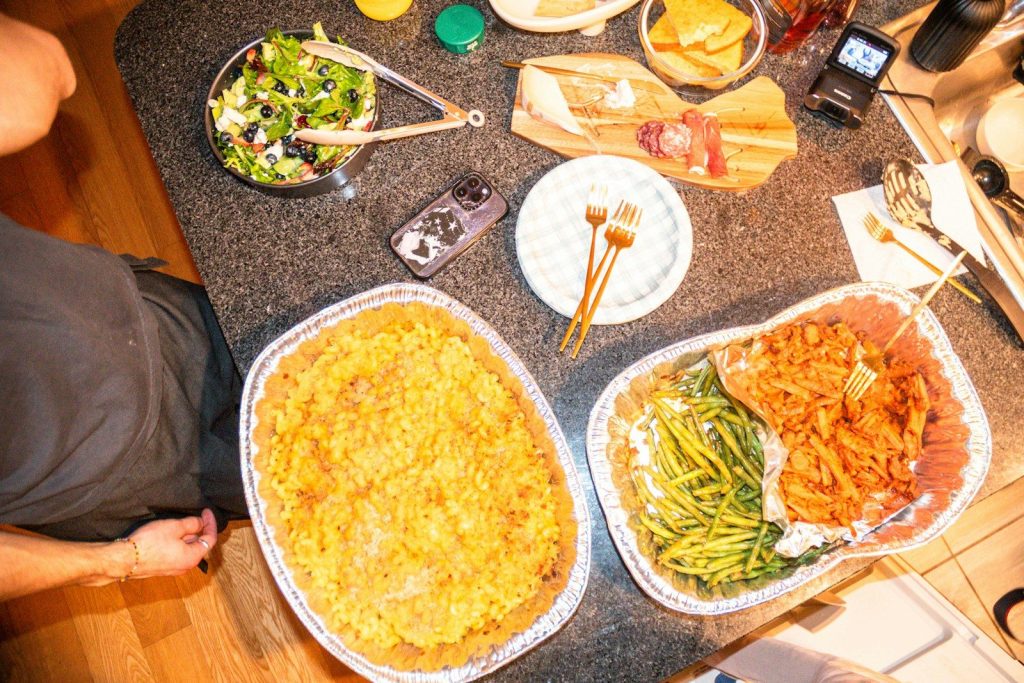
One of the smartest tricks involves transforming ingredients into completely different dishes. Leftover chicken can become casseroles, pasta dishes, wraps, soups, or rice bowls.
This approach prevents meal fatigue. When food returns with a new flavor profile or texture, people stop seeing it as leftovers and start seeing it as something fresh and worth eating.
Use Partnerships to Extend Food Life

Many successful waste reduction efforts depend on strong partnerships. Connecting with people who can use surplus food creates opportunities that might otherwise be missed.
The lesson applies anywhere. Friends, family, neighbors, and community groups can all become part of a network that keeps usable food from going to waste when there is simply too much to consume.
Respect Safety Above Everything
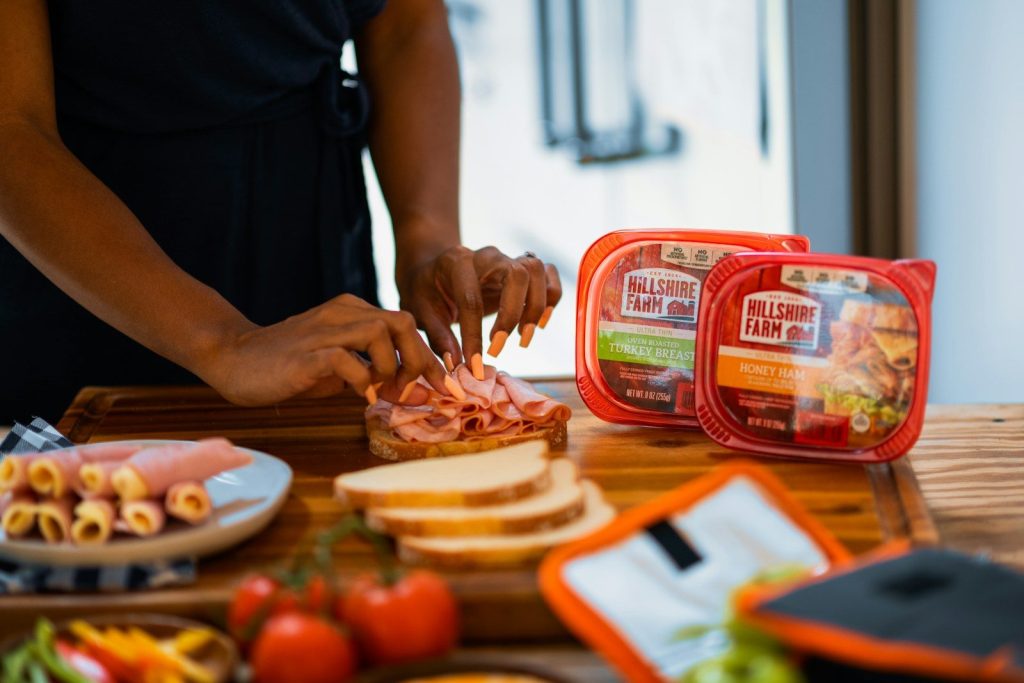
Not every leftover deserves a second life. Knowing what remains safe to eat is one of the most important habits for reducing waste responsibly.
Saving food is smart, but understanding proper storage times and handling practices is even smarter. A good waste reduction strategy always puts safety before convenience.
Measure What You Throw Away
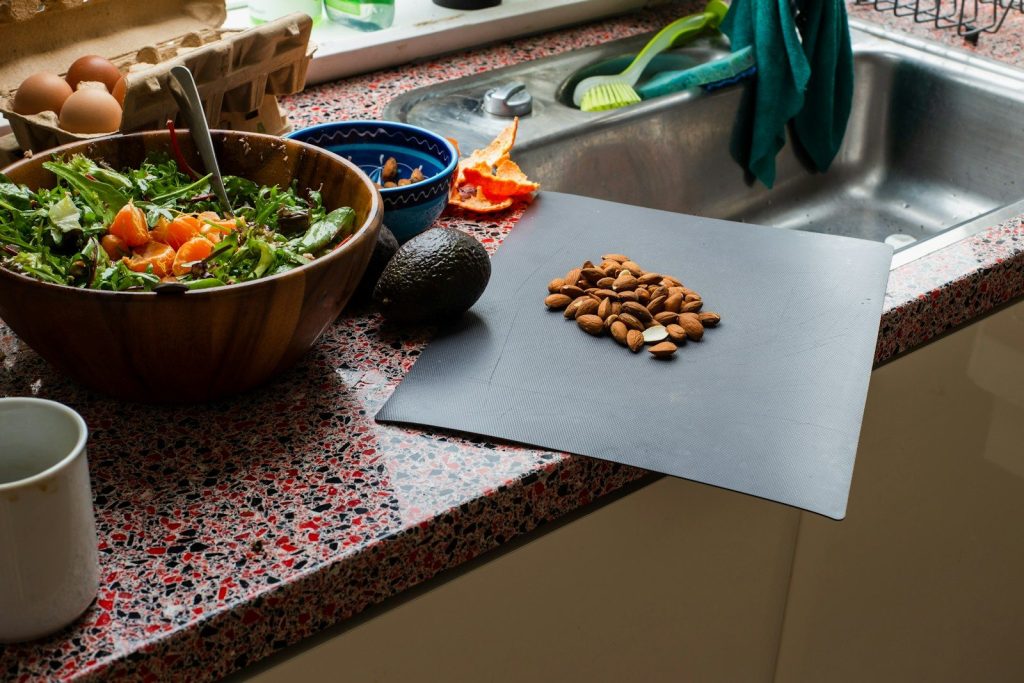
The most effective food-saving systems pay attention to results. Tracking what gets discarded helps identify patterns that often go unnoticed.
For individuals, keeping a simple record of wasted ingredients can reveal surprising habits. Once you know where the biggest losses happen, making meaningful changes becomes much easier.