

Old wallpaper does not always mean you need a messy weekend filled with scraping and repairs. In many homes, a few smart preparation tricks can create a fresh painted finish while saving plenty of time and effort.
The secret is knowing when painting is actually the better option and which shortcuts help you avoid common mistakes. These practical hacks can help you decide if your walls are ready for a simple makeover.
Know When Painting Is the Better Hack
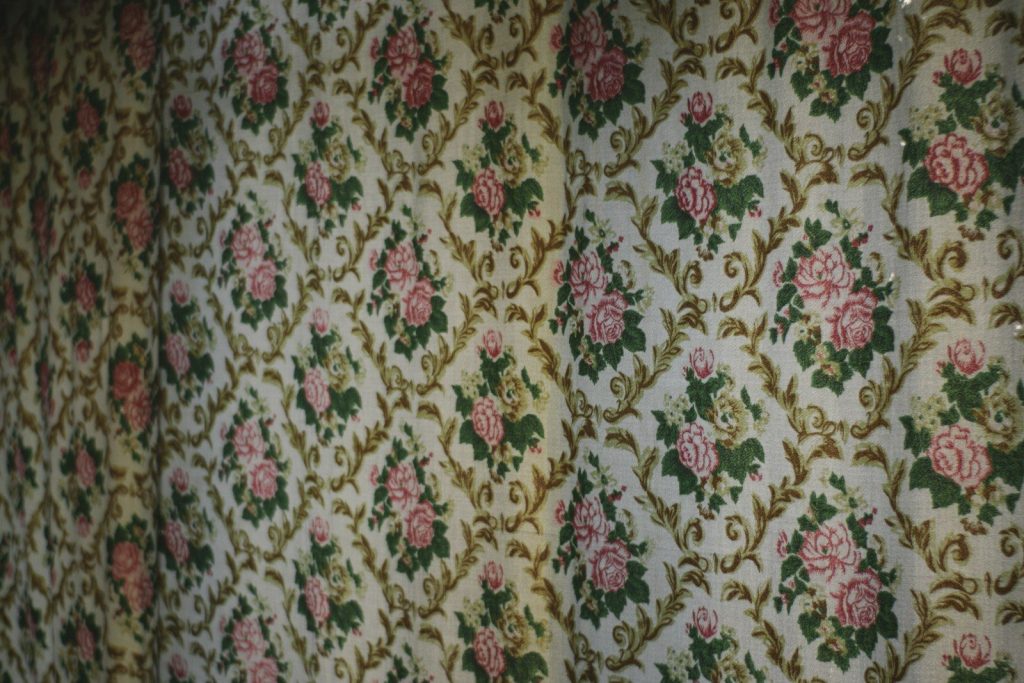
Wallpaper in good shape can often become a great base for paint. Smooth surfaces with tight seams usually respond much better than damaged paper, making this shortcut worth considering before grabbing removal tools.
If the wallpaper is peeling, ripped, or heavily textured, painting usually highlights every flaw. Taking a few minutes to inspect the walls first can save hours of frustration later.
Test One Small Spot First
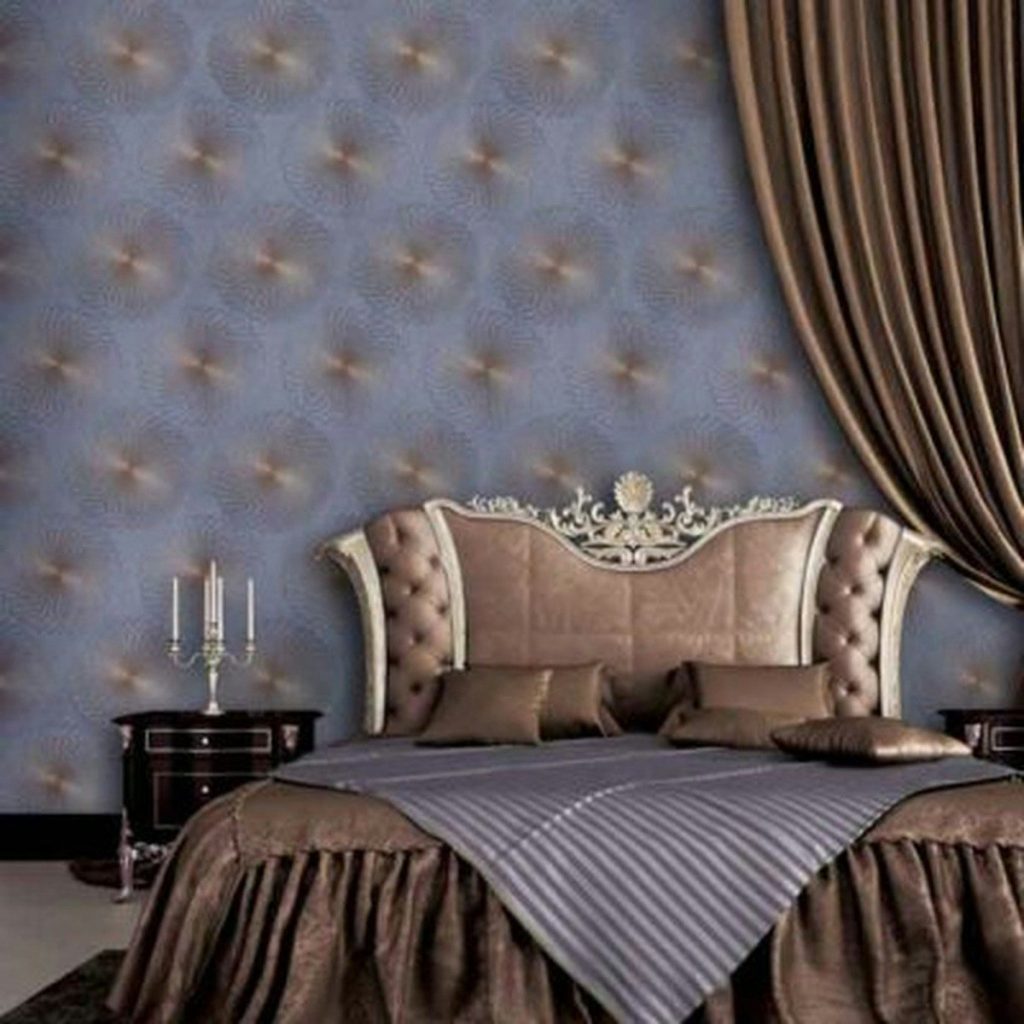
Instead of committing to the whole room, gently lift a hidden corner of wallpaper. If it comes away easily, removing everything may be the smarter long term choice before painting begins.
If the paper refuses to budge or removal threatens the drywall underneath, leaving it in place could actually protect the wall while giving you a fresh new finish.
Clean Without Soaking the Surface
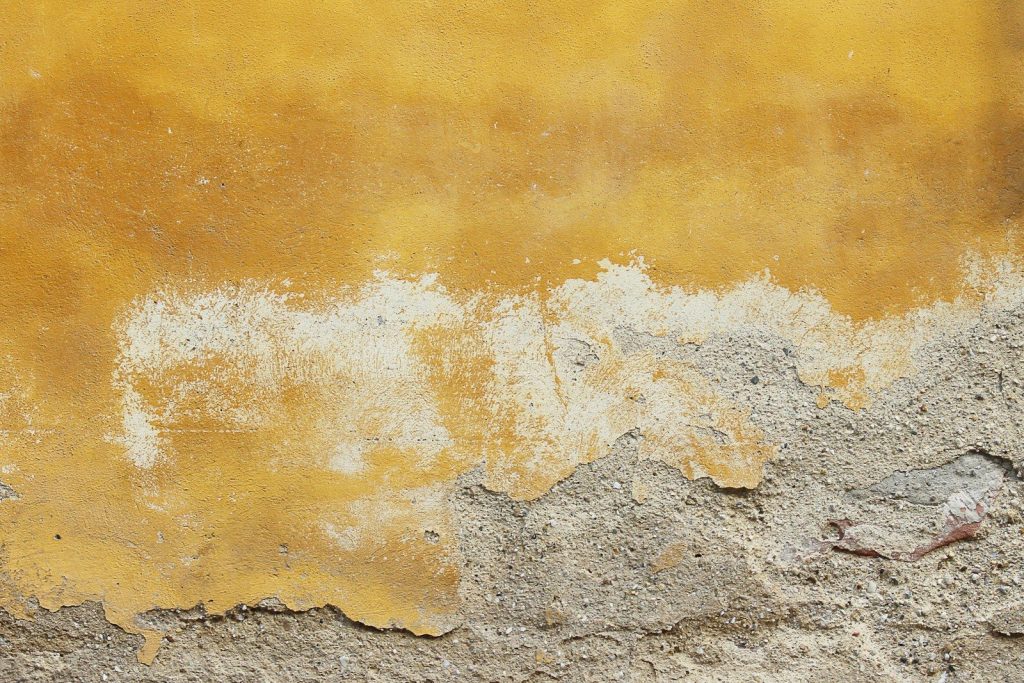
Dust and grease prevent primer from sticking properly, so a careful cleaning makes a huge difference. Use only a lightly damp cloth and avoid soaking the wallpaper with water.
Kitchen walls may need extra attention with a gentle cleaner, but too much moisture can loosen old adhesive and create bubbles before the paint even dries.
Repair Tiny Flaws Before They Grow
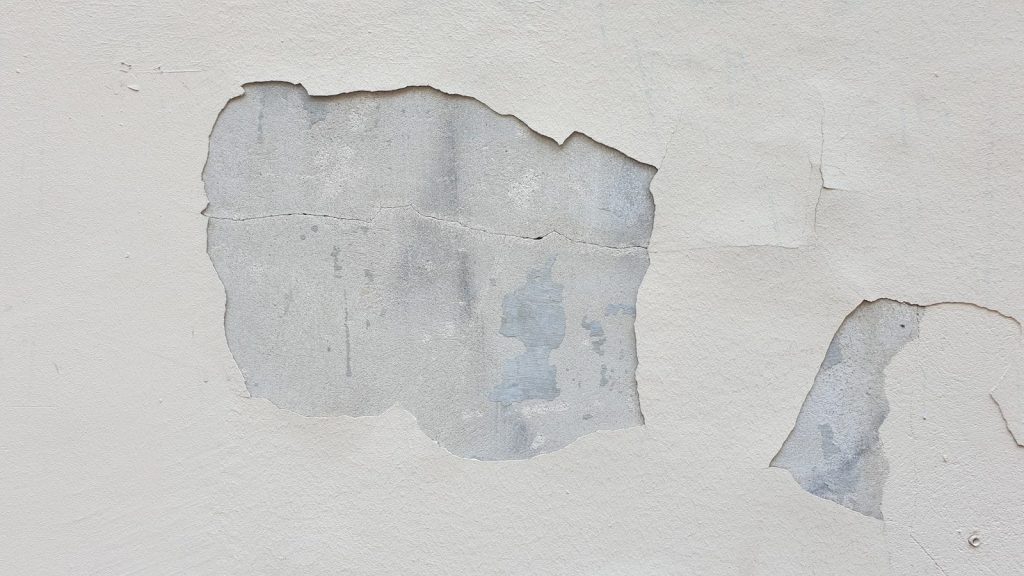
Loose seams and lifted edges rarely disappear beneath paint. Reattach them with wallpaper seam adhesive or trim damaged pieces before filling uneven spots with spackle.
After repairs dry, lightly sand the patched areas until everything feels smooth. This simple step helps create a finish that looks far more polished once painted.
Pick the Primer That Does the Heavy Work
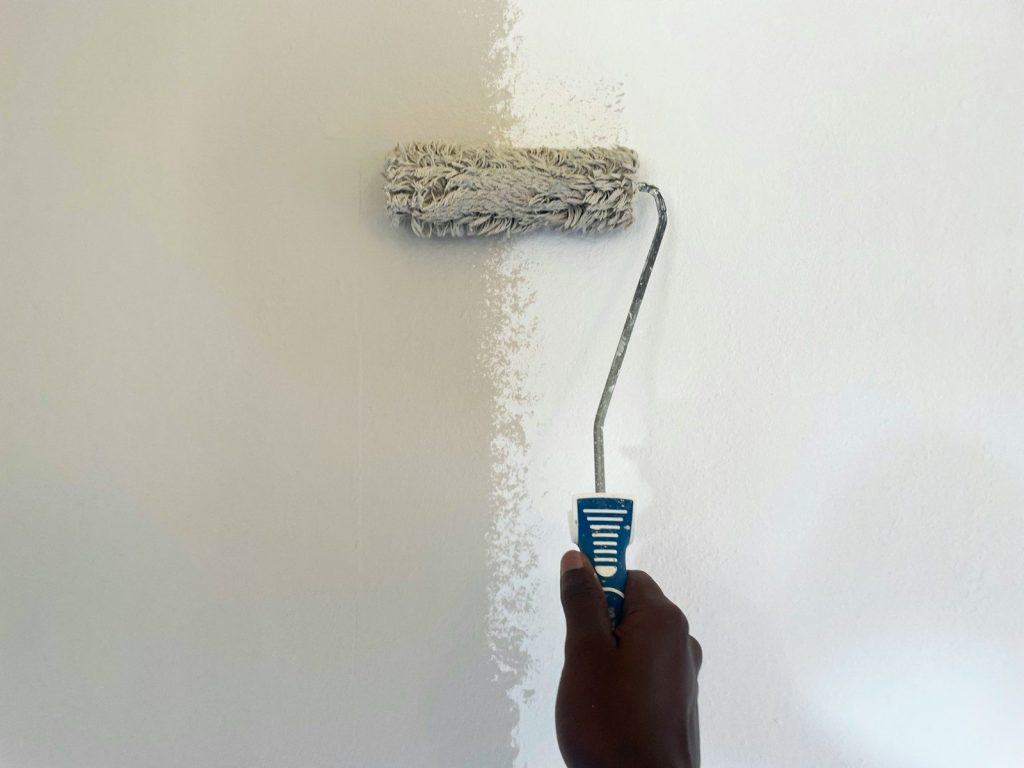
One of the biggest wallpaper painting tricks happens before the color goes on. An oil based primer helps seal the paper and keeps moisture from weakening the adhesive underneath.
Apply primer carefully around trim with a brush before rolling larger sections. Giving it enough drying time creates a much stronger foundation for the final paint coats.
Expect More Than One Coat
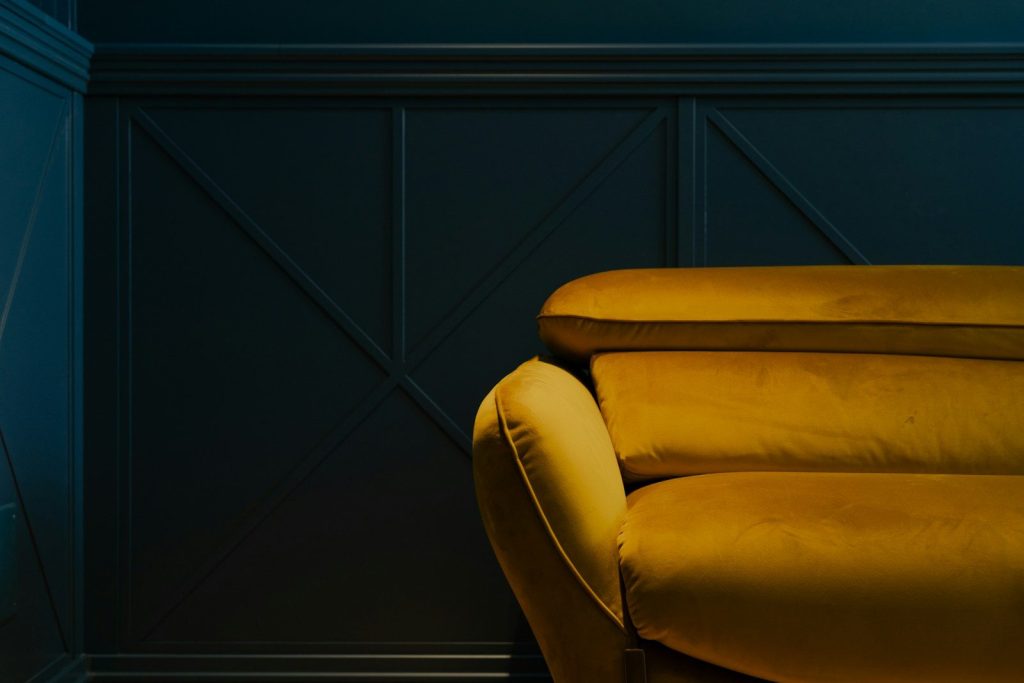
Busy patterns and dark wallpaper often need extra coverage. Two thin coats usually hide the old design better than one heavy application while producing a smoother appearance.
Allow each layer to dry completely before adding another. Patience during this stage often delivers the clean finish that makes old wallpaper nearly impossible to spot.
Understand the Tradeoffs Before You Begin
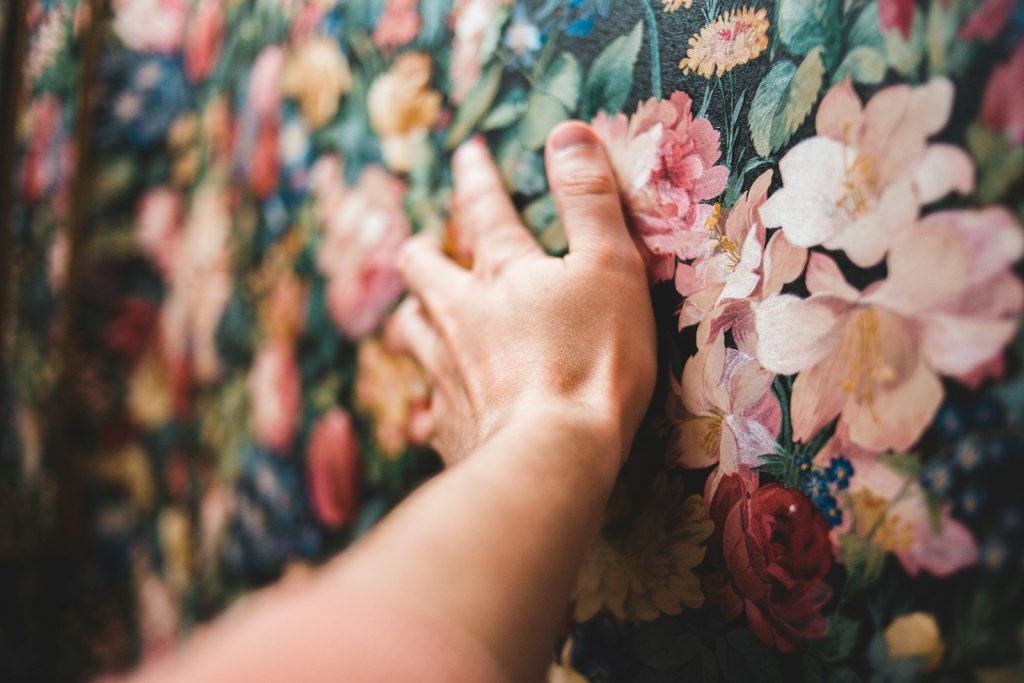
Painting over wallpaper saves money and skips the mess of stripping old paper. It is also an approachable project for many homeowners tackling a quick room refresh.
The catch is that future wallpaper removal becomes much harder, and some seams may still remain faintly visible despite careful preparation and multiple coats.
Make the Finish Last Longer
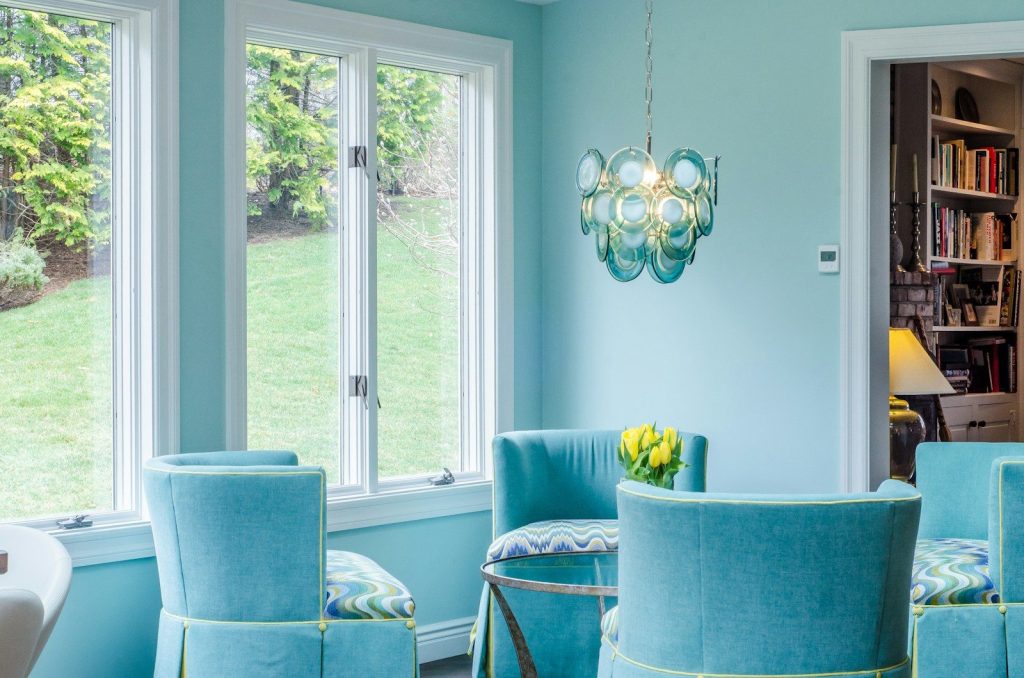
Good preparation often matters more than expensive paint. Clean walls, careful repairs, quality primer, and steady drying times all work together to create a finish that stays looking fresh.
When these simple hacks are followed, painting over wallpaper becomes less of a shortcut and more of a practical makeover that saves both effort and time.
Featured Image: By Mitchell Luo on Unsplash