

A nighttime shower feels amazing, but what happens after can make a bigger difference than most people realize. A few simple habits can help protect your hair, your scalp, and even your pillow without adding much time to your routine.
The biggest surprise is that sleeping with wet hair is not automatically a disaster. The real trick is knowing when it becomes a habit and how a few easy changes can keep damage to a minimum while you sleep.
Stop Soaking Your Pillow

A dripping pillow holds moisture longer than your hair needs. Gently squeeze out excess water with a soft towel before bed so your scalp stays more comfortable through the night.
This tiny habit also gives your hair a head start on drying naturally. Less trapped moisture means fewer chances for irritation and less morning bedhead.
Treat Wet Hair Like Delicate Fabric

Hair stretches more when it is wet, making it easier to snap while you toss and turn. Rough rubbing against cotton pillows can slowly create split ends.
A gentle leave in conditioner and loose hair can reduce friction. Saving tight buns for dry hair is another easy win.
Upgrade Your Pillowcase
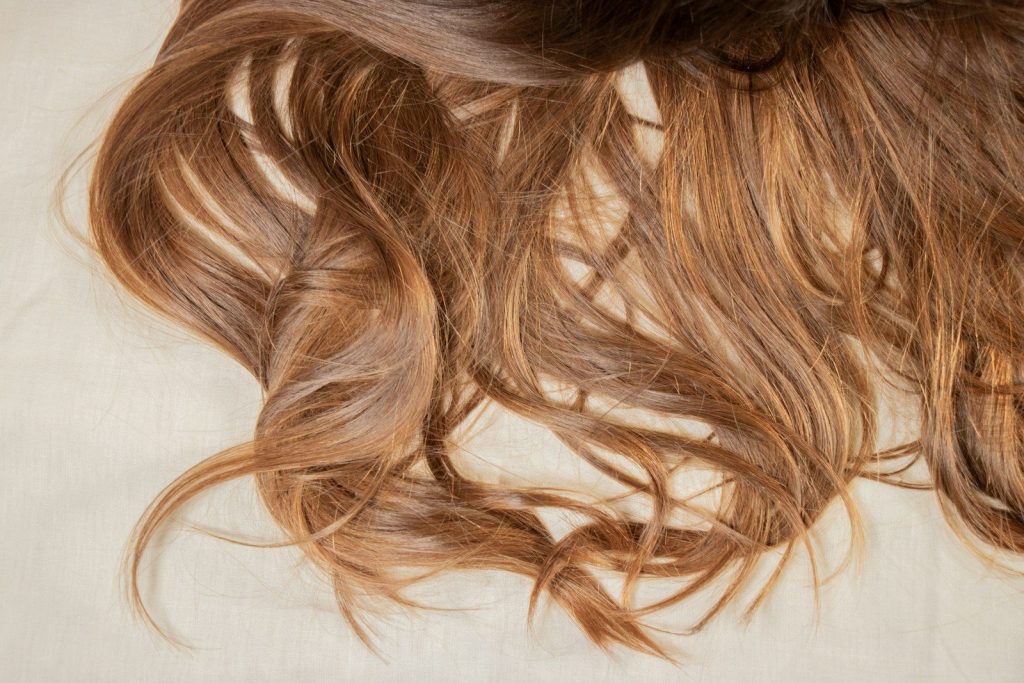
Your pillowcase quietly affects your hair every night. Smooth fabrics create less friction, helping strands glide instead of snag.
If buying silk is not your style, simply keeping pillowcases fresh and clean can also improve your nighttime routine while reducing buildup.
Dry the Roots First

Short on time before bed. Focus on your roots instead of every strand. The scalp is where lingering moisture causes the biggest concerns.
Using a dryer on a cool or low setting for just a few minutes can make a noticeable difference without exposing hair to excessive heat.
Forget the Cold Myth

Many people still believe wet hair causes colds. Viruses cause colds, not damp hair, so sleeping with wet hair is not the direct culprit.
The real issue is repeated moisture that can encourage scalp irritation and leave hair more vulnerable to damage over time.
Know When Your Hair Needs Extra Care

Fine, curly, or chemically treated hair often reacts more dramatically to overnight friction. These hair types benefit most from protective bedtime habits.
Even a loose braid after most of the moisture is gone can help reduce tangles without pulling on fragile strands.
Give Your Scalp Room to Breathe

A damp scalp stays warm for hours under blankets and pillows. That cozy environment can sometimes encourage unwanted yeast or bacteria to multiply.
Letting your hair air dry for a while before bed is one of the simplest ways to keep your scalp feeling fresher.
Build a Better Night Routine
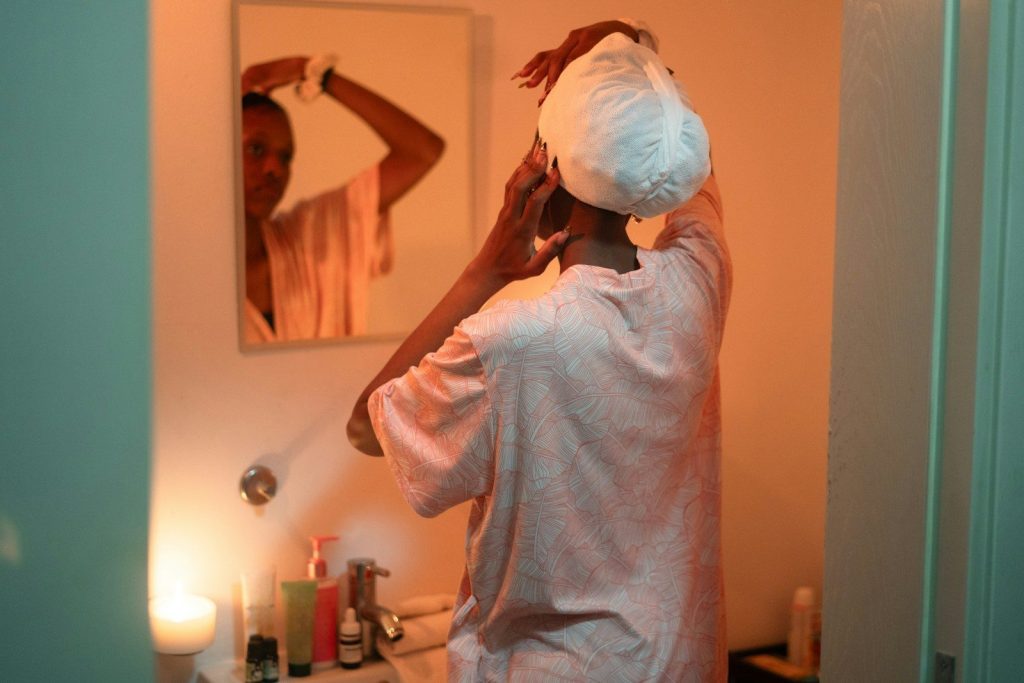
You do not have to give up evening showers to protect your hair. Small habits usually work better than dramatic changes that never stick.
Think of bedtime hair care as a collection of tiny upgrades. A little drying, a cleaner pillowcase, and gentler handling can add up to healthier looking hair over time.
Feature Image: By Mia Mocchi on Unsplash