

Most people recycle with good intentions, but a surprising number of everyday items can create bigger problems once they reach the sorting facility. A few simple habit changes can make your efforts far more effective while reducing unnecessary waste around your home.
These practical hacks help you spot common recycling traps before they happen. From greasy food boxes to hidden household items, each tip makes it easier to know what belongs in the bin and what deserves a different solution.
Skip the Wishful Recycling Habit
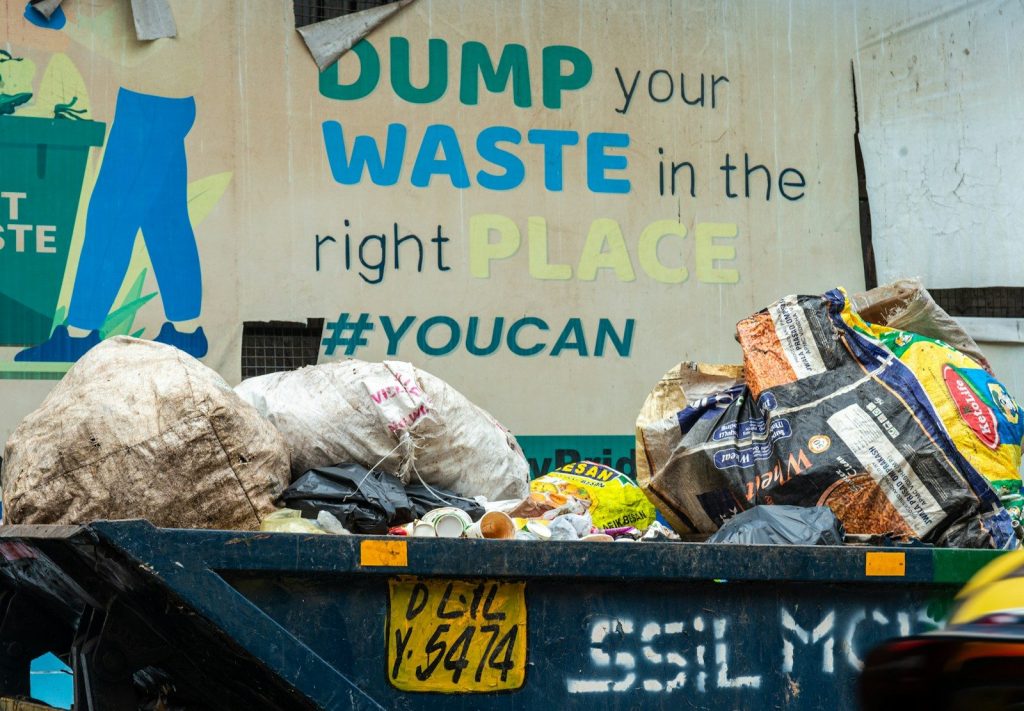
One of the easiest hacks is resisting the urge to toss every used item into the recycling bin. When questionable items get mixed in, entire batches may become harder to process, creating more waste instead of less.
Keep a small reminder near your recycling bin that says, when in doubt, check local rules. That quick pause can prevent contamination and improve the chances that your accepted recyclables actually get reused.
Keep Food Residue Out
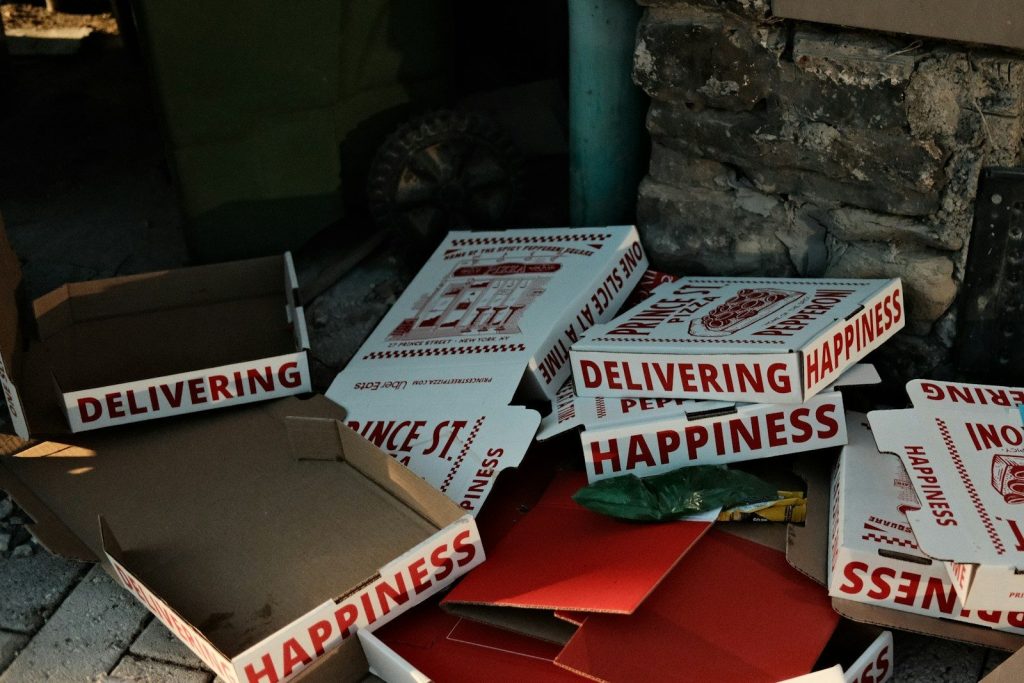
Grease and leftover food are common reasons recyclable containers get rejected. Pizza boxes with oily bottoms and takeout containers with stuck-on food often belong somewhere other than your recycling bin unless cleaned properly.
A fast rinse after meals saves time later and keeps recyclable containers in better condition. If the container cannot be cleaned, follow your local disposal guidance instead of guessing.
Treat Special Waste Separately
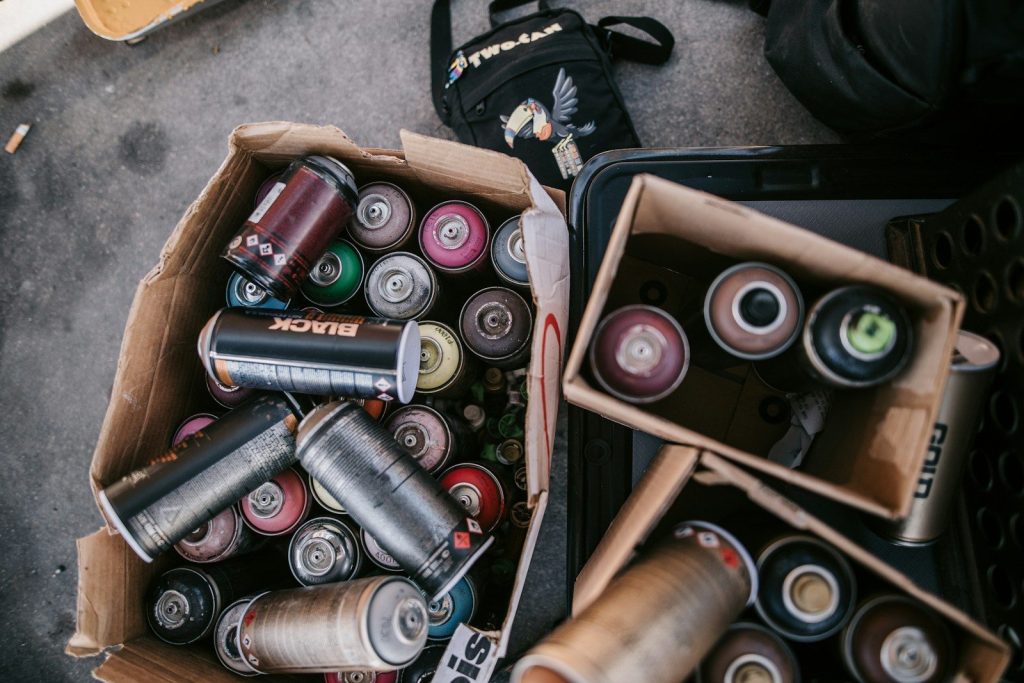
Batteries, aerosol cans, motor oil, and household chemicals should never be treated like everyday recyclables. These items usually require dedicated collection programs because of safety concerns.
Create a small storage spot for these materials until you can drop them off at an approved collection site. That simple system keeps hazardous items out of curbside bins.
Know Which Paper Loses Value
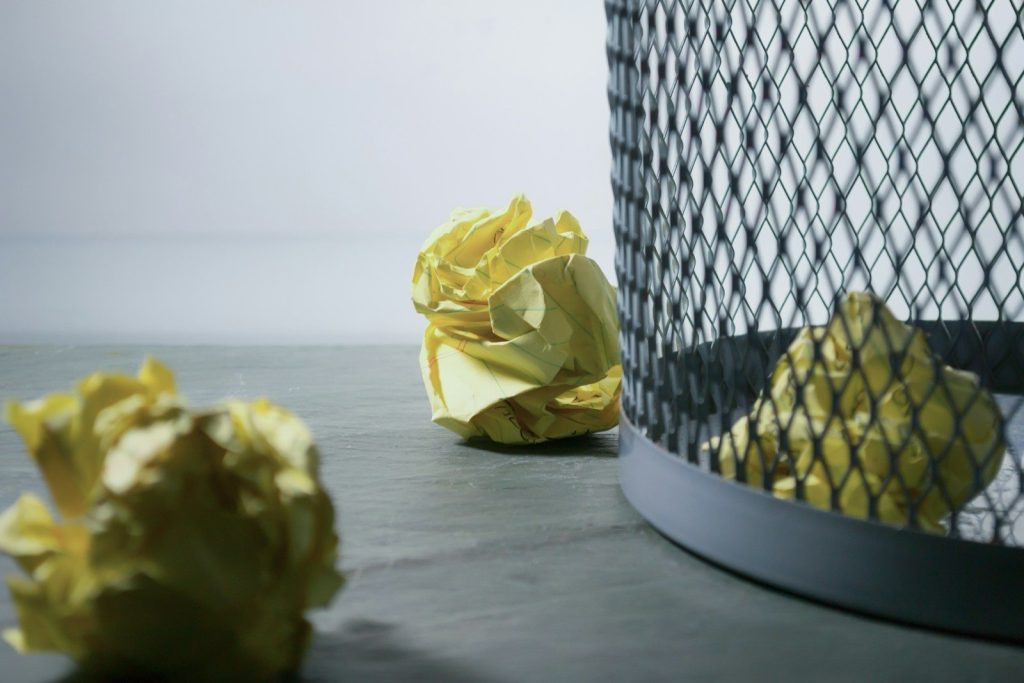
Not every paper product deserves a place in recycling. Wet paper, heavily dyed paper, used napkins, tissues, and paper towels often cannot be processed because the fibers are damaged or contaminated.
Instead of assuming every sheet belongs in the bin, separate clean paper from messy paper as you clean up. It only takes seconds and helps preserve higher quality recycling streams.
Watch Out for Plastic Traps
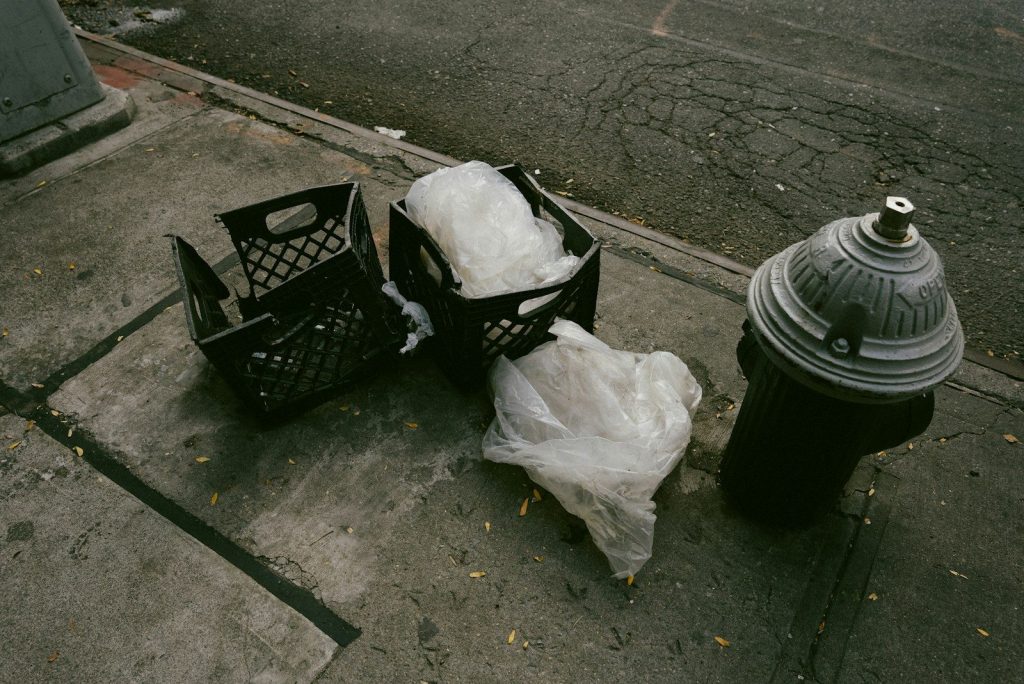
Plastic bags, plastic wrap, yogurt tubs, and containers without proper recycling labels often create sorting problems. Many curbside programs cannot process these items the same way they handle bottles and jugs.
Reuse plastic bags whenever possible and return eligible film plastics through store collection programs if available. Small habit changes like this reduce clutter in your home and keep recycling equipment running smoothly.
Give Unusual Items a Second Life
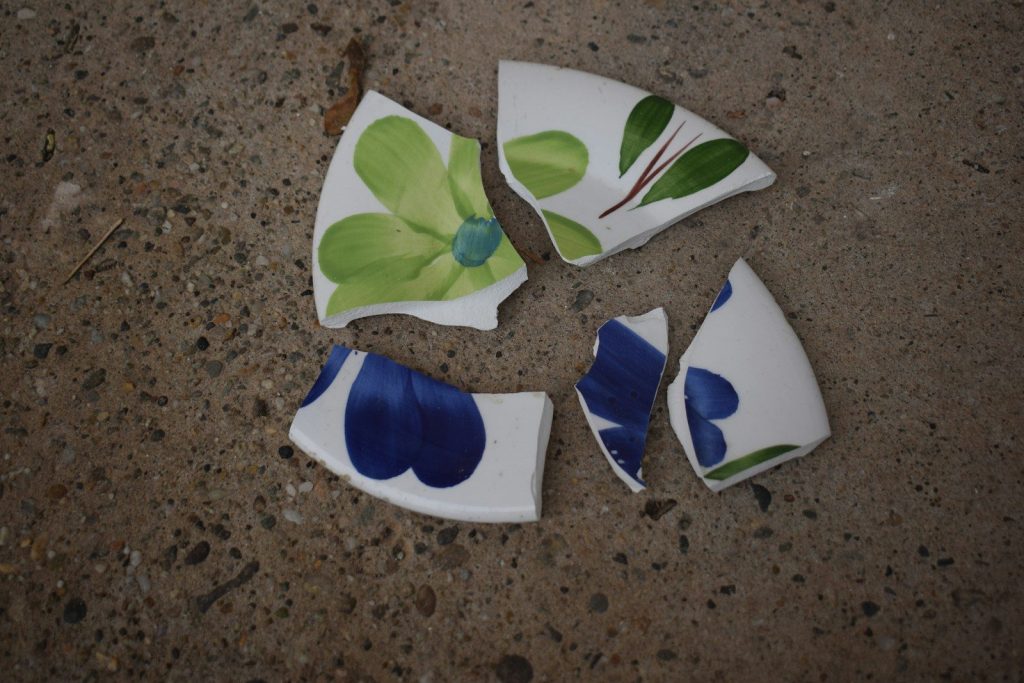
Broken mugs, ceramic dishes, wire hangers, and shredded paper often have better uses than heading straight to the recycling bin. Many can be reused around the house or donated where accepted.
A cracked mug can become a planter, while shredded paper works well as packing material or mulch in suitable situations. Reusing often creates more value than recycling.
Separate Items That Need Special Collection
Light bulbs, tires, medical waste, and shipping envelopes made from specialty materials usually follow different recycling paths. Mixing them into curbside bins only complicates the sorting process.
Keep a running list of nearby collection events or specialty drop-off locations. Having a plan before you need it makes proper disposal much easier.
Focus on Using Less First
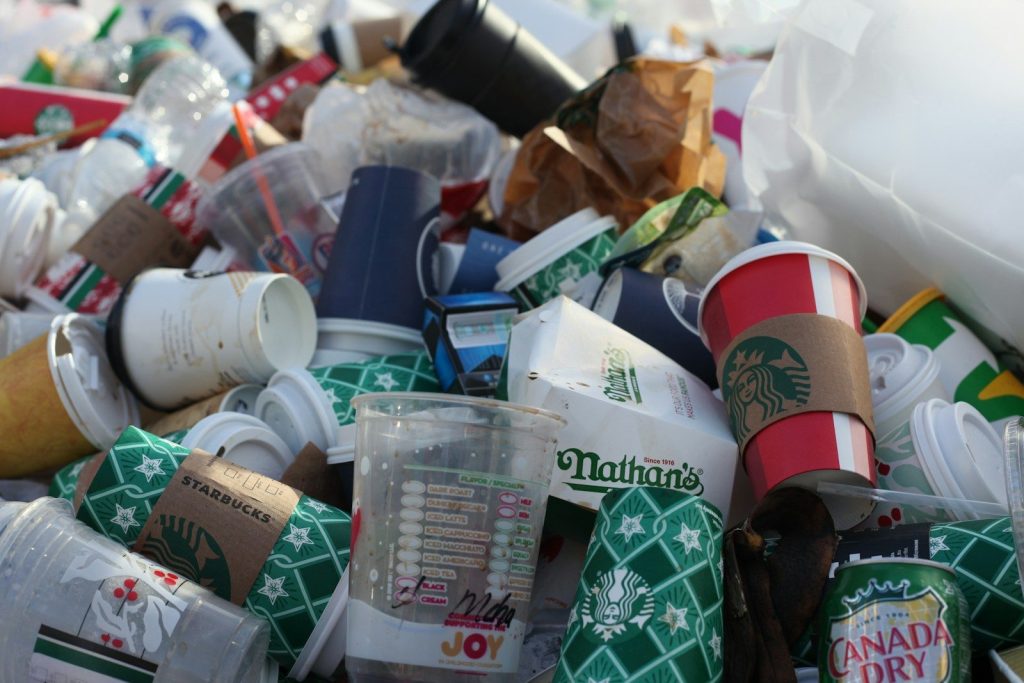
The smartest recycling hack starts before anything reaches the bin. Buying fewer disposable products, reusing containers, and choosing durable alternatives often has a bigger impact than recycling alone.
When you reduce waste at the source, you spend less time sorting trash and create fewer difficult disposal decisions. That simple shift can make your entire routine cleaner, easier, and more effective.
Featured Image: By Jas Min on Unsplash