

Potatoes seem like one of the easiest foods to keep around, which is why many people barely glance at them before tossing them into a recipe. Then one day, those smooth potatoes start growing tiny shoots, and suddenly a simple dinner ingredient becomes a question mark.
What surprises many home cooks is that the real issue is not the sprout itself. It is what the sprout can reveal about what has been happening inside the potato. Knowing a few simple storage and inspection tricks can help you avoid waste, spot warning signs early, and make smarter decisions before your next meal.
The Tiny Growths That Tell a Bigger Story
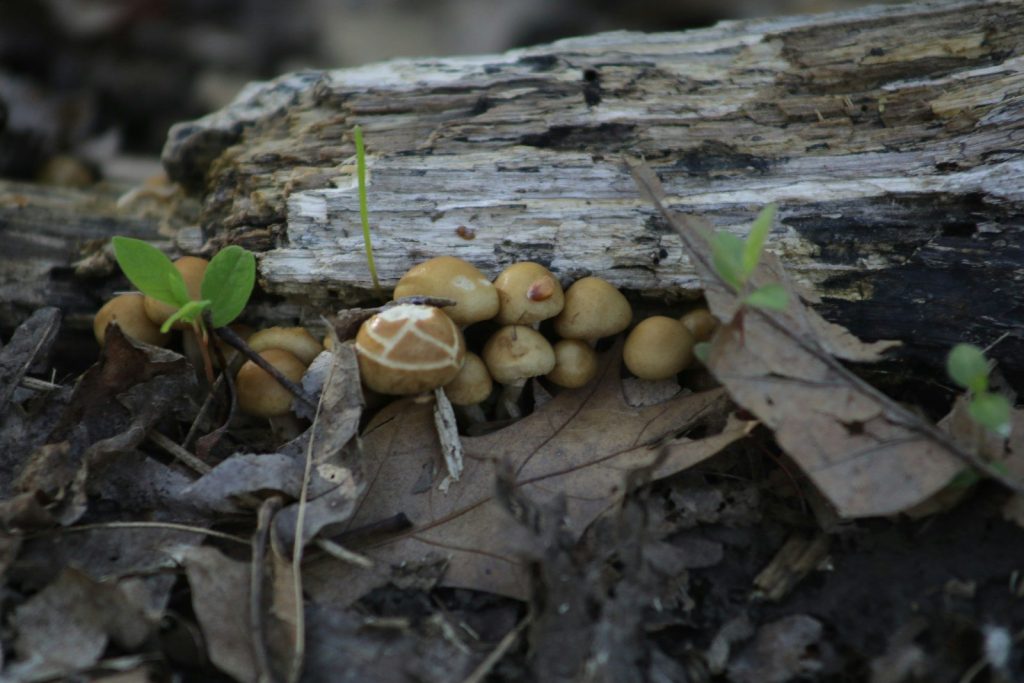
Those small sprouts are often treated as a cosmetic problem, but they can act like an early warning system in your kitchen. When potatoes begin sprouting, they are entering a new growth phase, and that change can affect more than just appearance.
A quick visual check before cooking can save you from relying on guesswork. Instead of assuming every potato is still good, use sprouts as a signal to take a closer look at the entire potato before it reaches your plate.
Why Color Can Be More Important Than Freshness
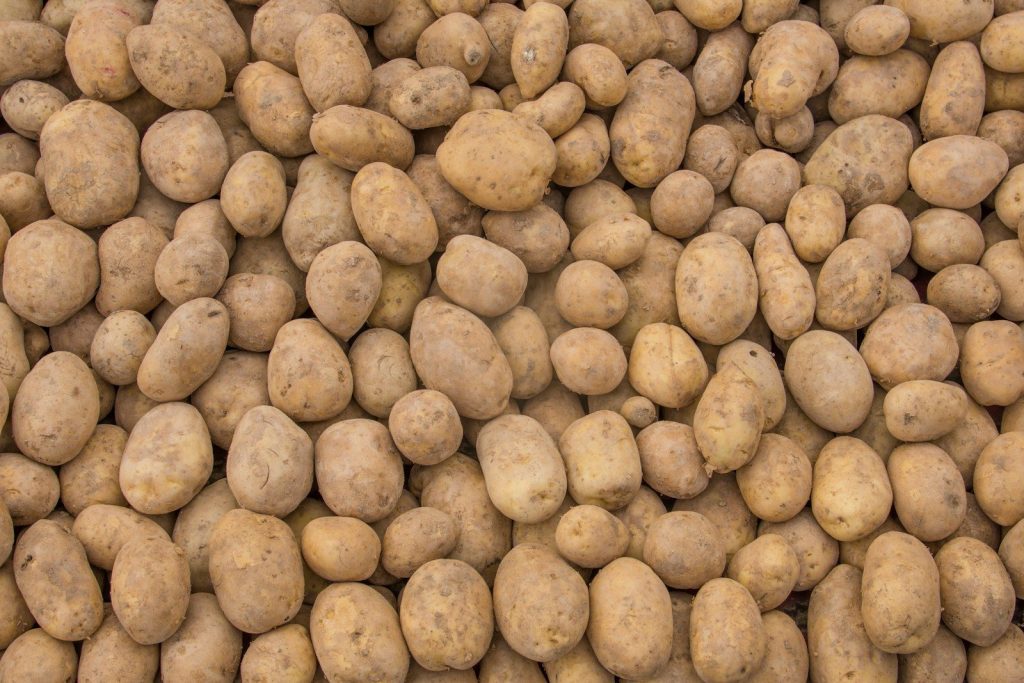
Many people focus on whether a potato feels firm, but color often reveals more. A green tint can be one of the easiest clues that something has changed beneath the surface.
The useful shortcut is simple. If you notice green patches spreading across the skin, do not treat them like normal aging. Think of it as a warning flag that deserves extra attention before you decide whether the potato is worth keeping.
The Mistake That Starts Long Before Cooking
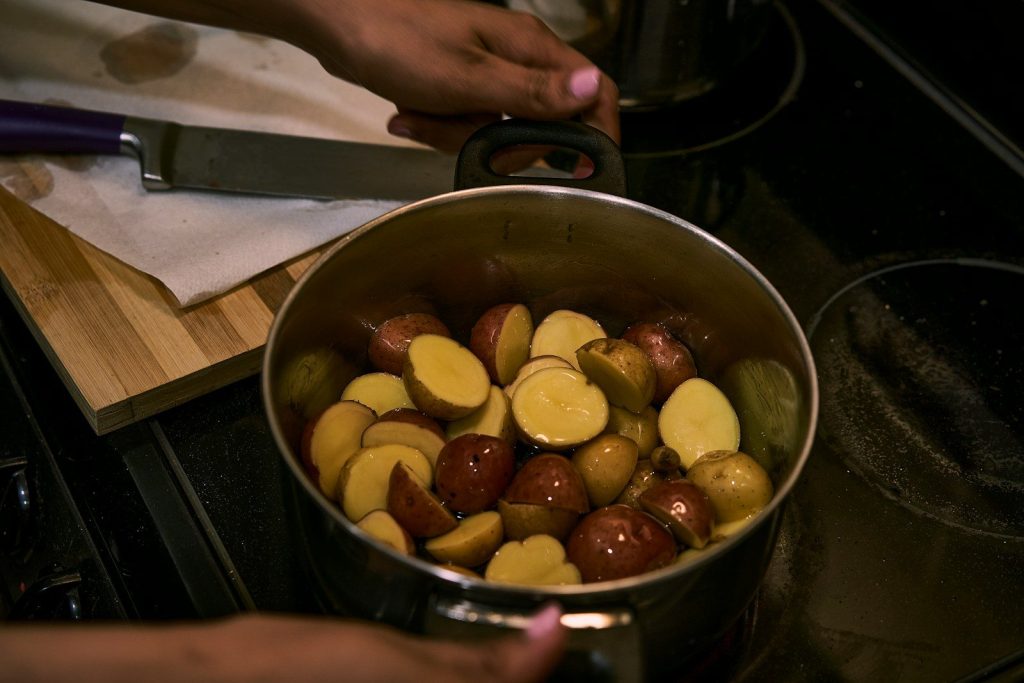
Most potato problems begin during storage rather than meal preparation. Light, warmth, and poor airflow can quietly encourage sprouting long before you notice visible changes.
Creating a better storage setup does not require special equipment. A cool, dark, ventilated location can dramatically slow down the process and help potatoes stay usable for longer without constant monitoring.
The Bulk Buying Trap Many Shoppers Miss
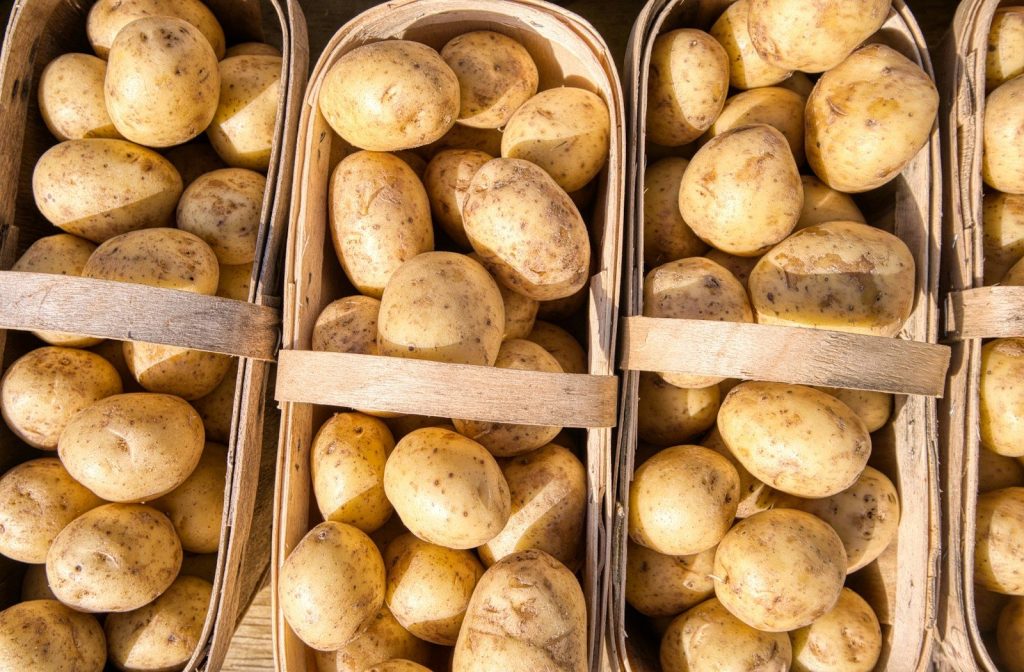
Buying the biggest bag often feels like a smart money-saving move. The catch is that potatoes can outlast your meal plans and begin changing before you get around to using them.
A surprisingly effective strategy is purchasing closer to your actual needs. Smaller quantities often reduce spoilage, lower waste, and make it easier to keep track of quality before sprouts begin appearing.
The Kitchen Pairing That Works Against You
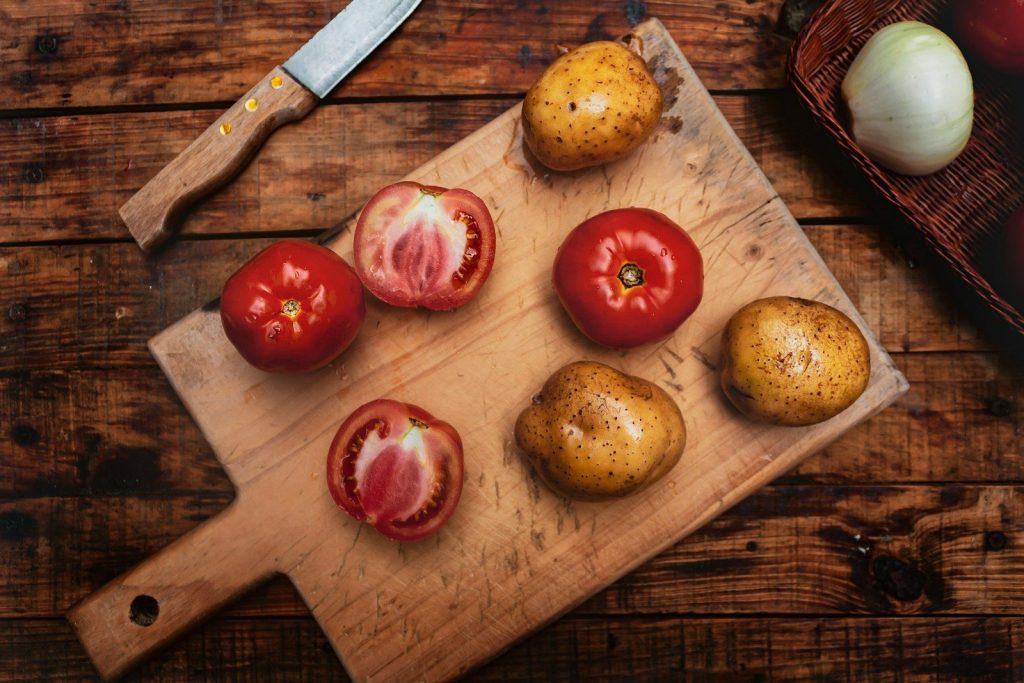
Many kitchens naturally store onions and potatoes side by side. It looks organized, but that convenience may come with an unexpected downside.
Keeping these ingredients separated can help reduce the conditions that encourage early sprouting. A little distance in storage can translate into extra days or even weeks of usable potatoes.
Why Cutting Away the Problem Is Not Always Enough
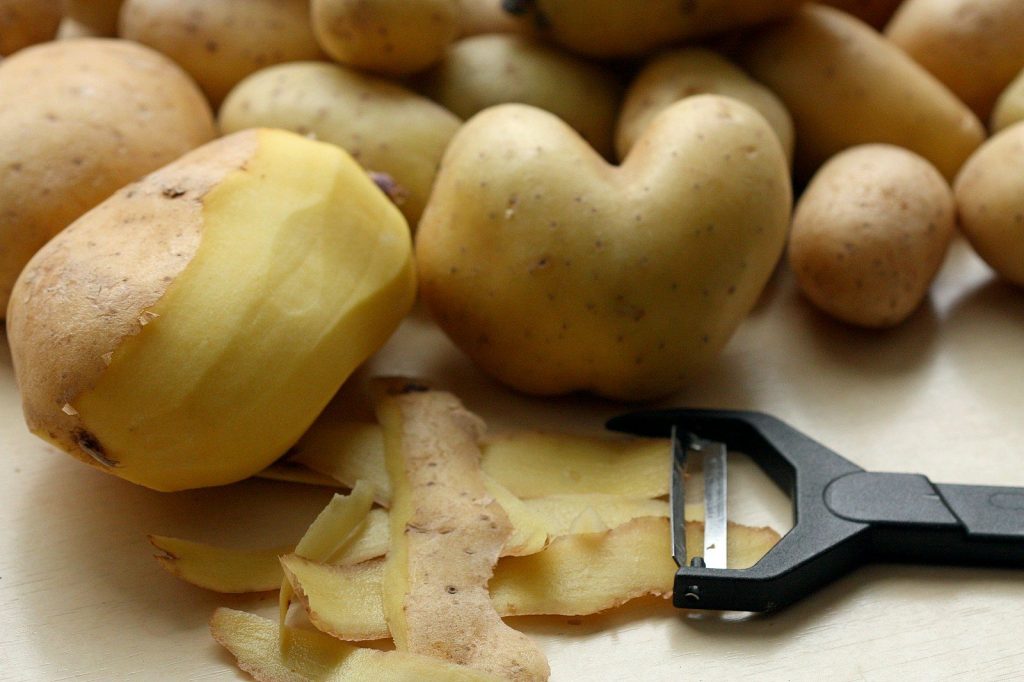
A common shortcut is removing visible sprouts and assuming the rest of the potato is unchanged. While this approach sounds practical, appearances do not always tell the full story.
The smarter habit is evaluating the entire potato instead of focusing only on the sprout. If multiple warning signs appear together, such as sprouting and greening, replacement may be the easier choice.
The Moisture Trick That Extends Shelf Life
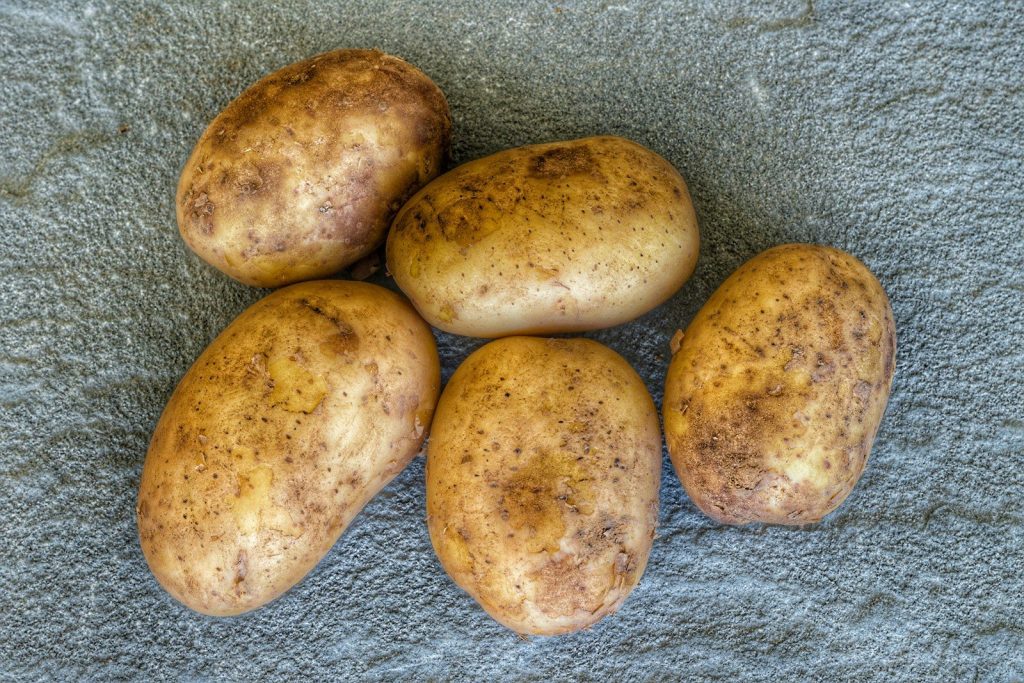
Many people wash produce immediately after bringing it home. Potatoes are one exception where waiting can actually work in your favor.
Keeping them dry until cooking day helps limit conditions that speed deterioration. It is a small adjustment that can make a noticeable difference in how long your potatoes stay in good condition.
The Five Second Check Before Every Recipe
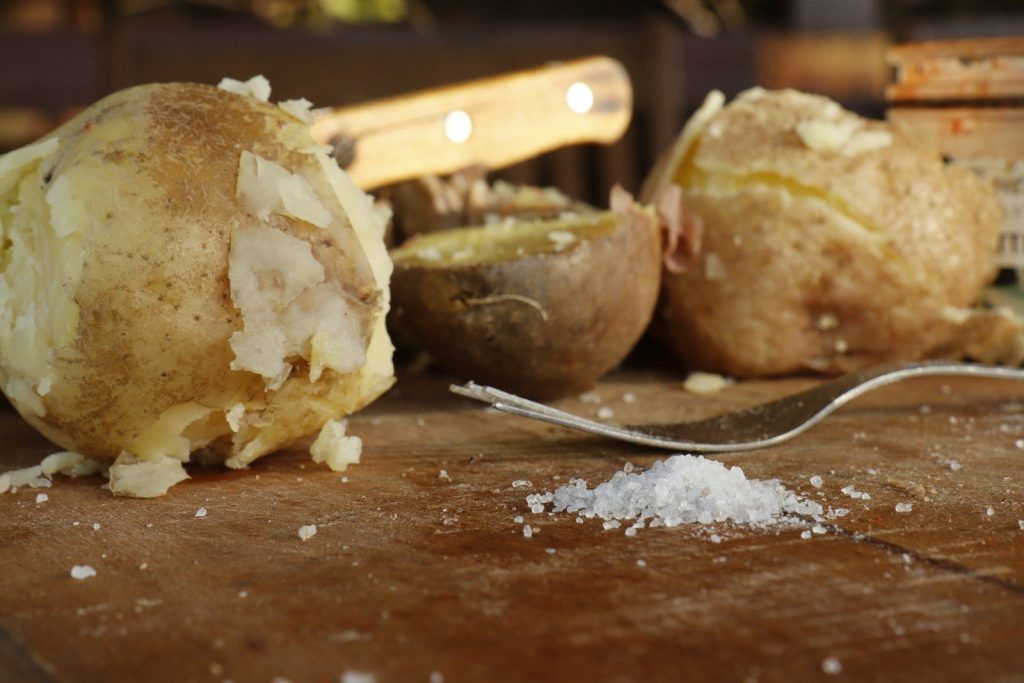
Before peeling, slicing, or roasting, take a quick pause and inspect the potato from every angle. Look for sprouts, unusual color changes, soft spots, and other signs that something has shifted during storage.
This fast routine takes only seconds but can prevent unpleasant surprises later. The more often you use this simple check, the easier it becomes to spot potential issues before they make their way into your meal.