

Some kitchen habits stick around for a reason. They are not flashy or complicated, but they quietly make everyday chores feel lighter. This dishwashing approach comes from a simple mindset shift that turns a messy sink routine into something smoother and more controlled.
It is the kind of method you usually only notice when someone else is doing dishes and suddenly everything looks effortless. Once you try it, the usual chaos of stacked plates and cloudy water starts to feel optional instead of normal.
Getting the sink ready before the water runs
The trick starts before any washing begins. The idea is to set up your space so you are not scrambling mid-task. That means clearing the counter, grouping dishes, and mentally planning the order so nothing feels random once you begin.
This small preparation step changes everything because it removes hesitation. Instead of bouncing between items, you move through the sink like a simple routine that already has direction.
Clearing scraps before anything touches water
One of the biggest efficiency upgrades is scraping plates first. Instead of letting food swirl around in the sink, everything goes straight into the trash or compost before washing even starts.
This keeps your water cleaner for longer and makes the whole experience less messy. It also means your sponge and soap are actually working on grease, not leftover bits of food.
Letting hot water do the early heavy lifting
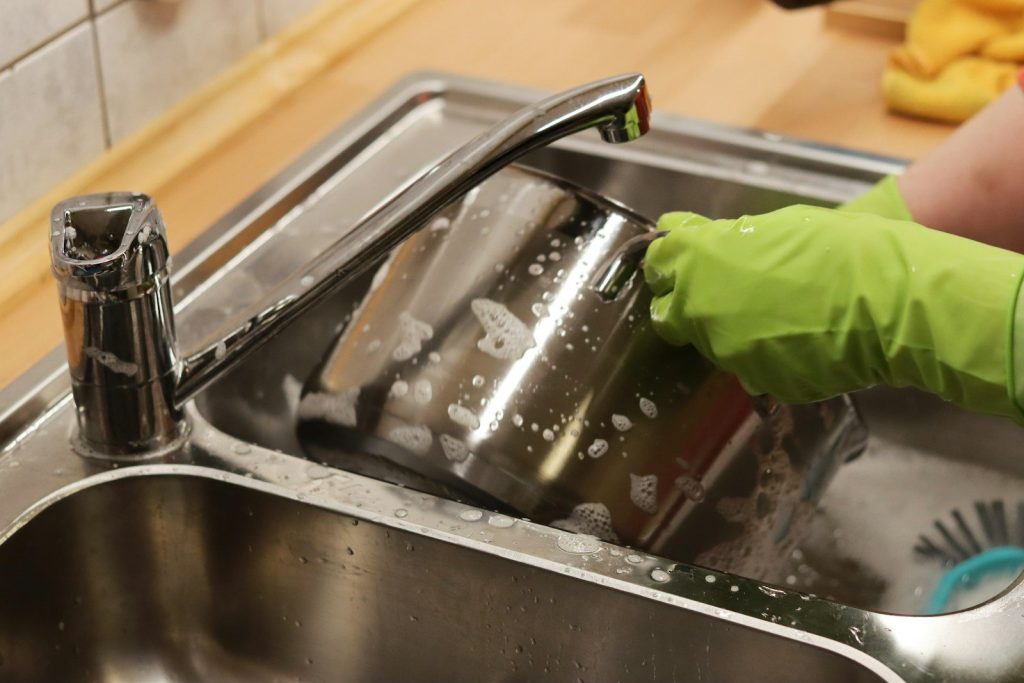
Starting with warm or hot water helps loosen stuck-on residue right away. You are not just rinsing, you are softening everything, so scrubbing becomes easier later.
It reduces effort without you even noticing. By the time you get to tougher spots, they already feel halfway cleaned before you touch them.
Using less soap than you think you need
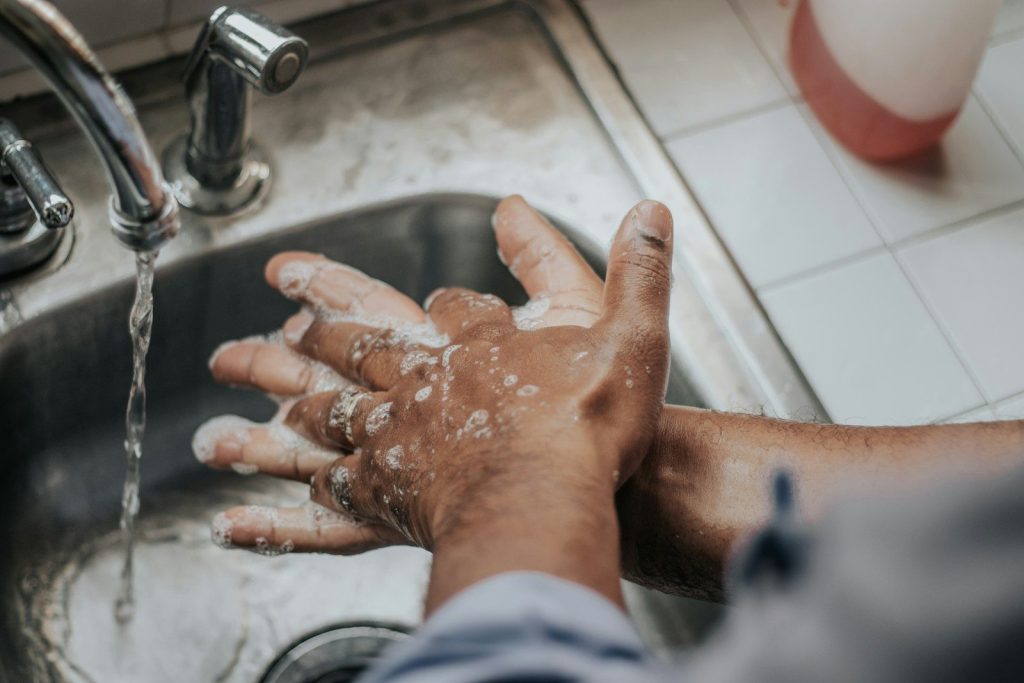
A common habit is overdoing dish soap, but the smarter approach is a small amount that spreads easily. Too much soap actually slows things down because it takes longer to rinse off.
A lighter touch keeps dishes cleaner and avoids that slippery finish. It also makes your sponge last longer since it is not overloaded every time you use it.
Washing in a planned order instead of randomly grabbing
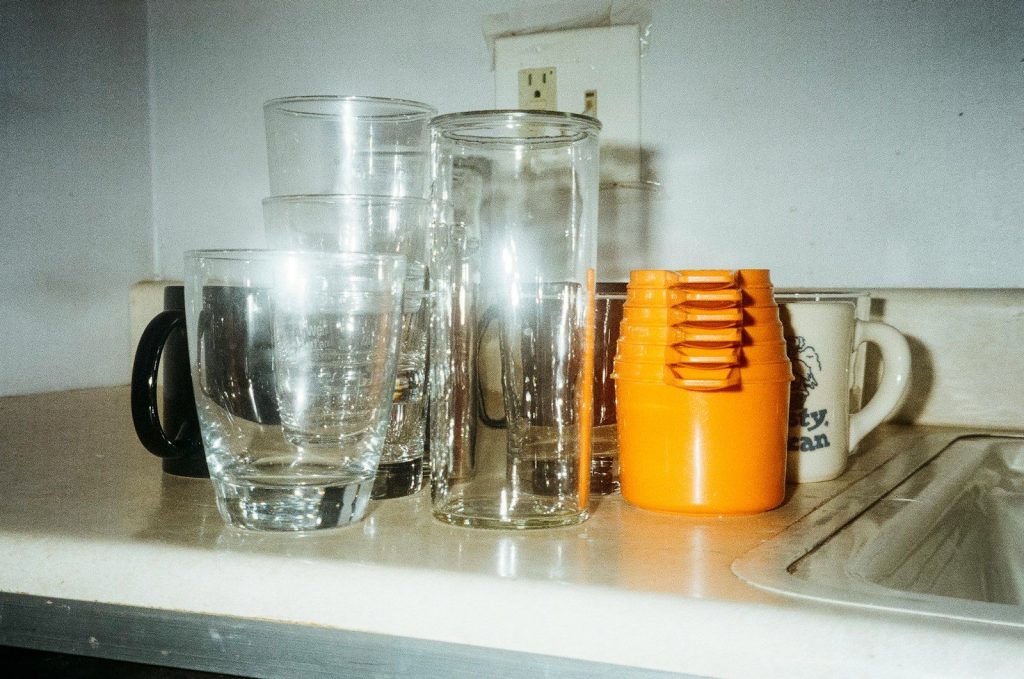
Start with the cleanest items like glasses and cups before moving to plates, then finish with greasy pans. This prevents oil from spreading across everything.
The order matters because it keeps your water usable for longer. You are not constantly fighting contamination from heavier dishes mixing in too early.
Rinsing as you go instead of waiting for the end
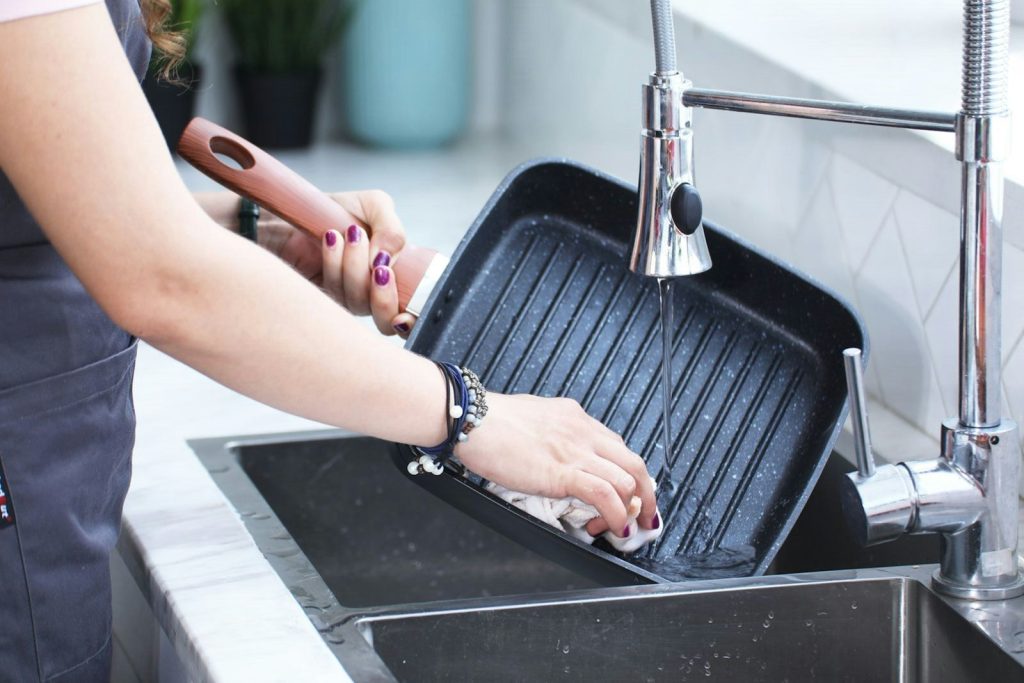
Instead of letting dishes pile up in suds, rinse each item right after washing. This keeps your workspace clear and prevents buildup.
It also makes progress feel steady. You can actually see clean dishes stacking up instead of guessing what is done and what is not.
Smart drying instead of stacking everything together
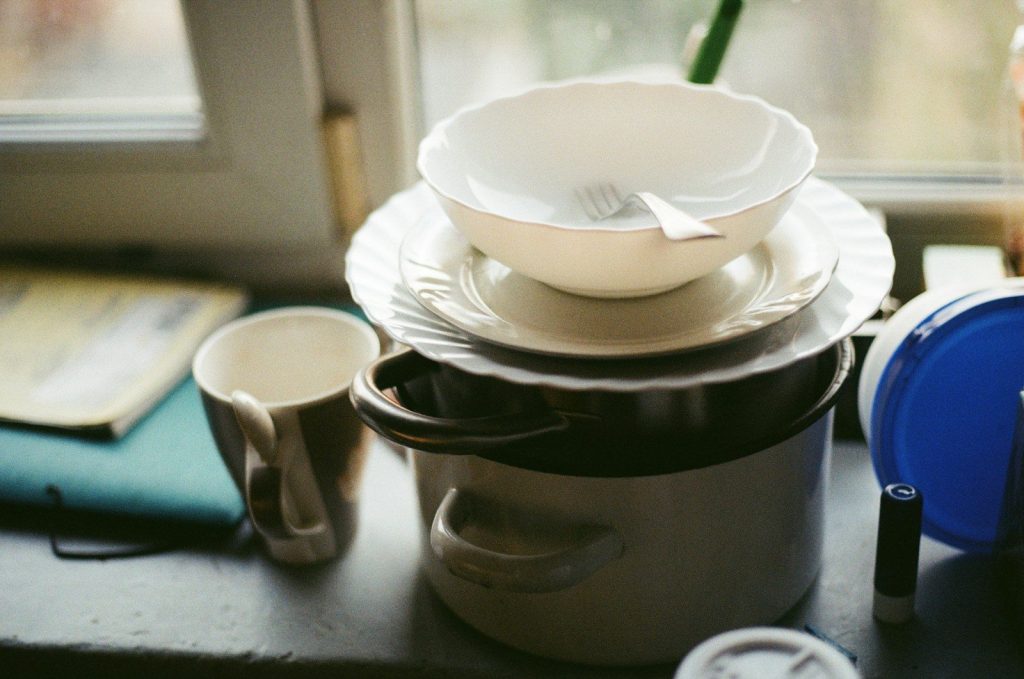
How you place dishes to dry matters more than most people think. Leaving space between items helps air circulate and speeds up drying time.
It also reduces water spots and keeps things from sticking together. A little spacing now saves time when you are putting everything away later.
A quick sink reset that changes tomorrow’s cleanup
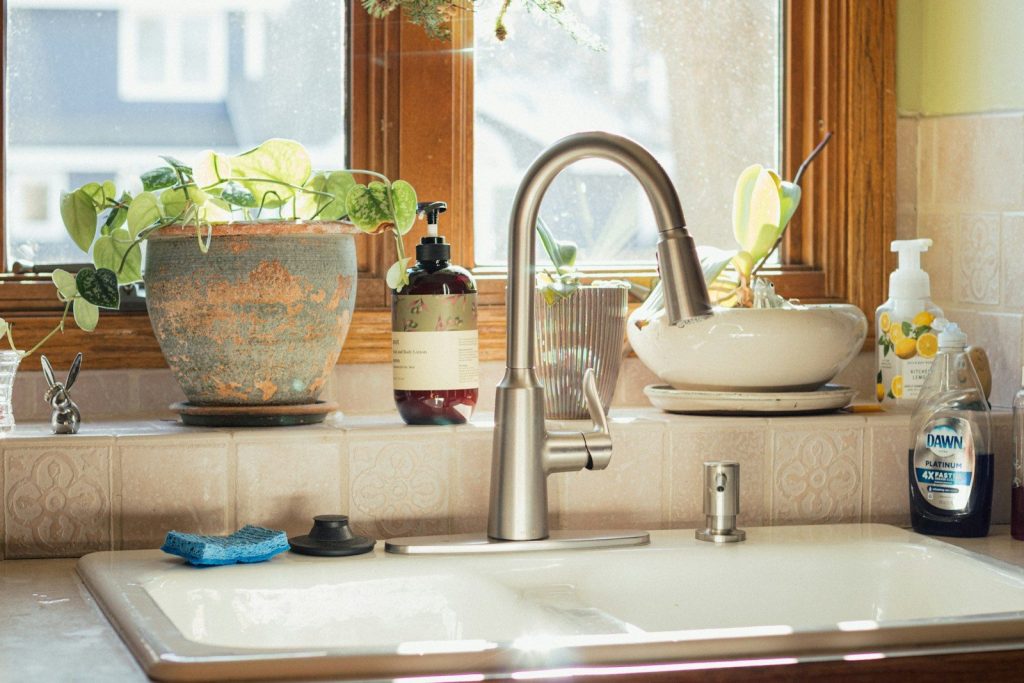
Once everything is clean, a fast wipe of the sink finishes the job properly. It removes residue and keeps buildup from starting again.
This small habit makes the next dishwashing session feel easier before it even begins. A clean sink sets the tone for a cleaner, less stressful kitchen routine overall.