

Dinner decisions can quietly turn into one of the most exhausting parts of the day. Between forgotten ingredients, last-minute grocery runs, expensive takeout and the endless question of what to cook, mealtime can create more clutter than the kitchen counter.
The good news is that a few simple planning tricks can take much of that pressure away. These practical hacks help you organize your meals before the week gets busy, making it easier to save money, eat better and actually enjoy cooking again.
Start With A Weekly Food Map
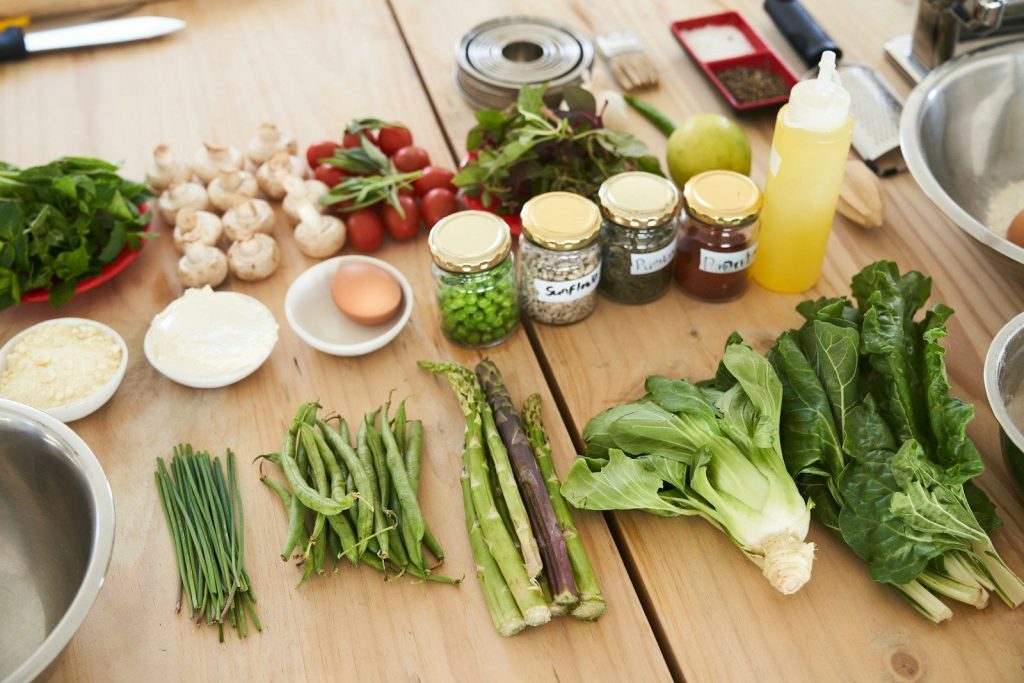
Instead of deciding what to eat every afternoon, sketch out a simple plan for the week ahead. Choose several dinners before shopping, then build your grocery list around those meals. This small habit can eliminate much of the daily decision-making that makes cooking feel harder than it needs to be.
You do not need a complicated spreadsheet or a perfect schedule. Even a loose lineup of meals gives your week structure while leaving room to change plans. The real hack is making fewer food decisions when you are already tired or busy.
Use A One Hour Planning Shortcut
A focused hour can save you several stressful evenings later. Use that time to choose recipes, check what you already have and organize the ingredients you will need. Once the plan is ready, the rest of the week becomes much easier to manage.
Think of this as a reset button for your kitchen routine. Rather than starting from scratch every night, you create a simple roadmap that keeps meals moving. A little preparation upfront can make the rest of the week feel surprisingly lighter.
Build Variety Without Starting Over
Meal planning does not mean eating the same few dishes repeatedly. Keep a collection of recipes you already enjoy, then mix in a few new options whenever you want something different. This gives you variety without forcing you to search endlessly for dinner inspiration.
A searchable recipe collection can make this even easier. When you can quickly find meals by preference or swap one choice for another, your plan stays flexible. That means organization does not have to come at the expense of spontaneity.
Shop With A Specific Mission
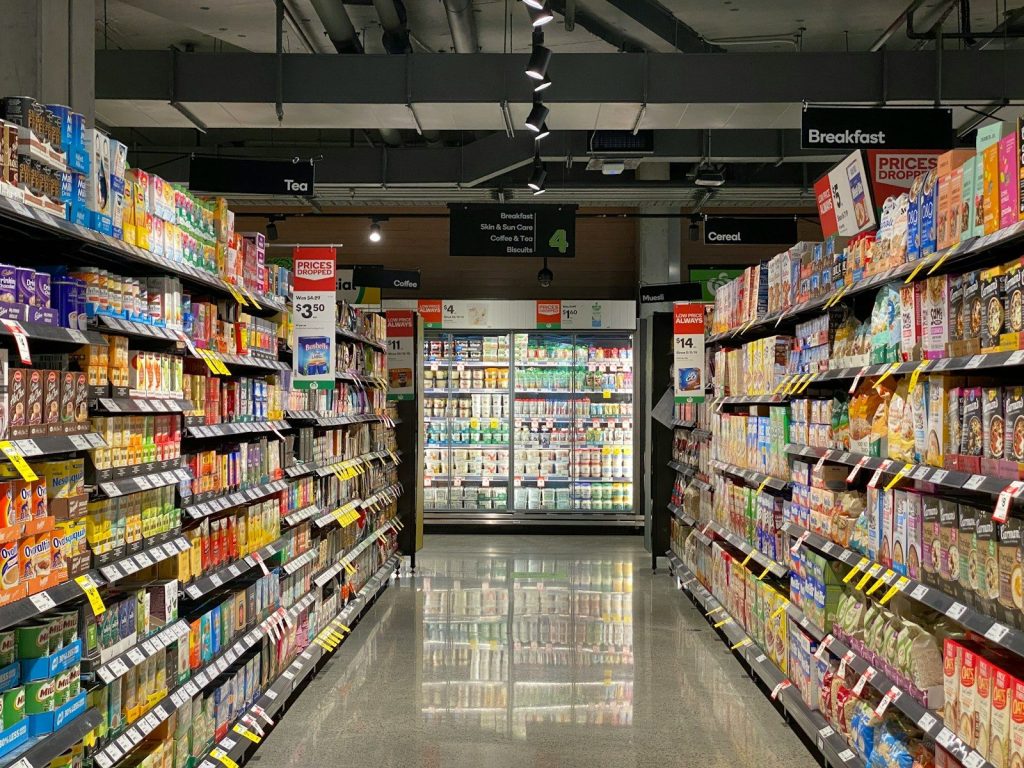
One of the easiest ways to waste money at the grocery store is shopping without a plan. A weekly meal outline gives every ingredient a purpose, helping you avoid random purchases that sit unused in the pantry or refrigerator.
Before heading out, look over your planned meals and check what you already own. This simple step can reduce duplicate purchases and make grocery trips faster. It also helps keep impulse buys from quietly inflating your food budget.
Turn Meal Planning Into A Health Hack
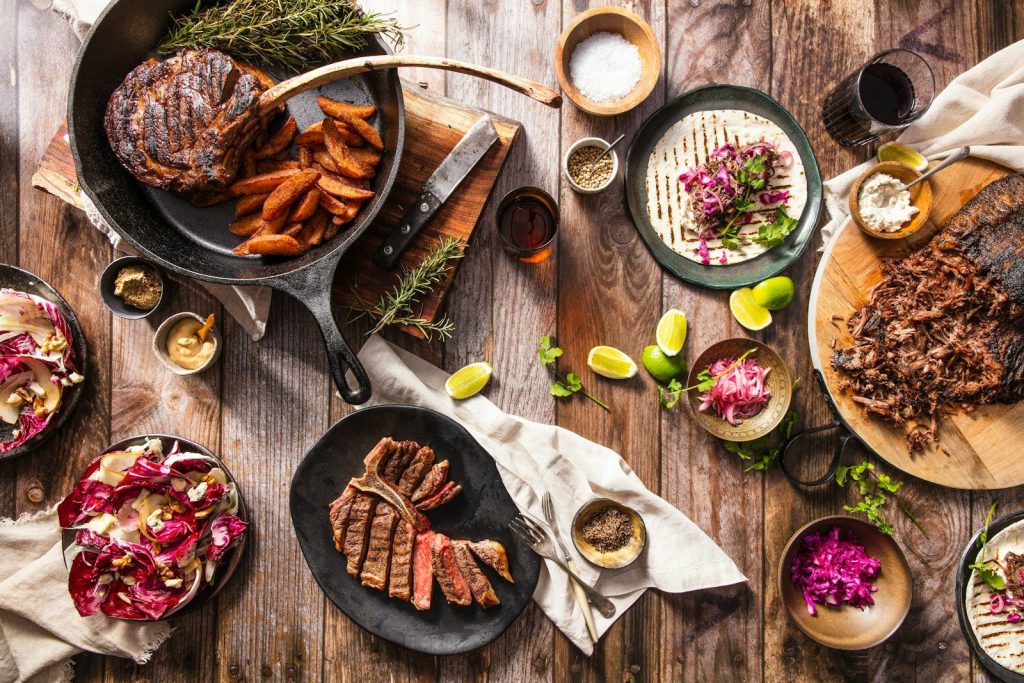
When dinner is undecided, convenience often wins. Having a meal ready to cook makes it easier to avoid automatically reaching for takeout or less nutritious options simply because you are tired.
The trick is not creating a perfect menu. It is making the better choice easier to reach. A little planning can put balanced meals in your path before hunger and exhaustion start making the decisions for you.
Keep Your Plan Flexible

A rigid schedule can make meal planning feel like another chore. Instead, treat your plan as a menu of possibilities. If Tuesday’s dinner no longer sounds appealing, swap it with another meal or move it to a different day.
This flexibility is what makes the system practical. You get the benefits of preparation without feeling trapped by a strict routine. The goal is less daily chaos, not another set of rules to follow.
Make Cooking Feel Enjoyable Again

When the decision about what to cook has already been handled, more energy can go toward the cooking itself. Familiar favorites can bring back the pleasure of preparing food, while new recipes can make the kitchen feel interesting again.
Organization can create room for creativity. Instead of spending your evening staring into the refrigerator and wondering what is possible, you can start with a clear idea and enjoy making it your own.
Let Technology Handle The Busywork
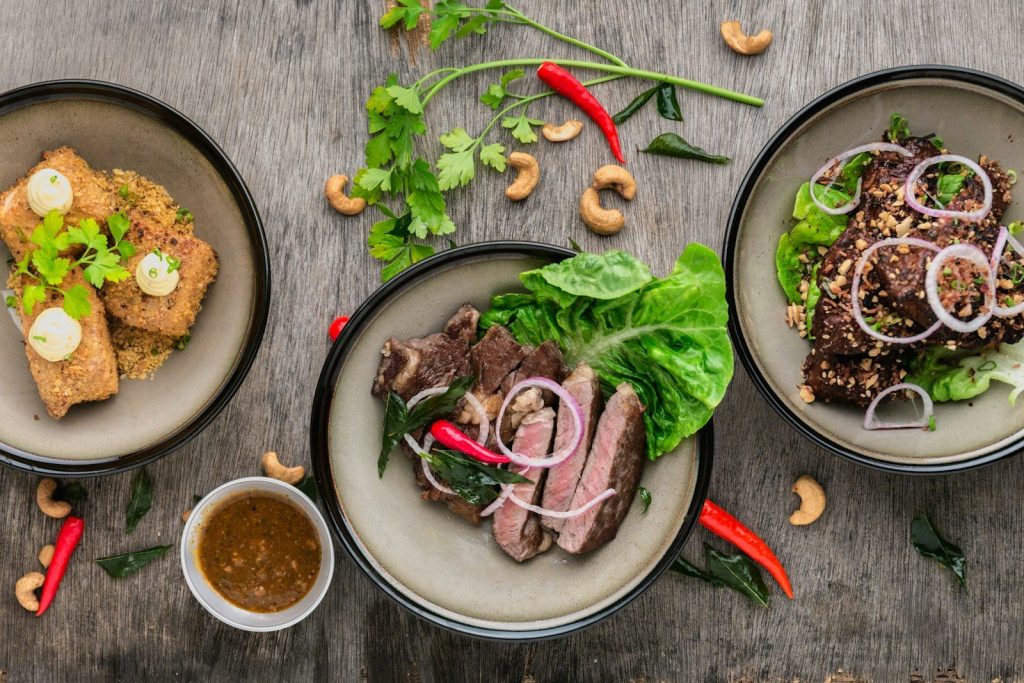
A meal planning tool can make the process even simpler by bringing recipes, weekly plans and easy substitutions into one place. The most useful systems are not about creating more work. They help remove the repetitive decisions that make meal planning feel overwhelming.
The best approach is the one you will actually use. Whether you prefer a digital planner, a handwritten list or a recipe app, the winning hack is creating a repeatable system that makes dinner easier before the day gets hectic.
Featured Image: By Jason Briscoe on Unsplash