

A cluttered entryway usually feels like a storage problem, but sometimes the real issue is how your hooks work. A small design tweak can make everyday items easier to hang while keeping everything looking neat.
This simple DIY idea turns an ordinary coat hook into something far more useful. Whether you need room for jackets, bags, or hats, these practical hacks help you squeeze more function from the space you already have.
Give Every Hook More Reach
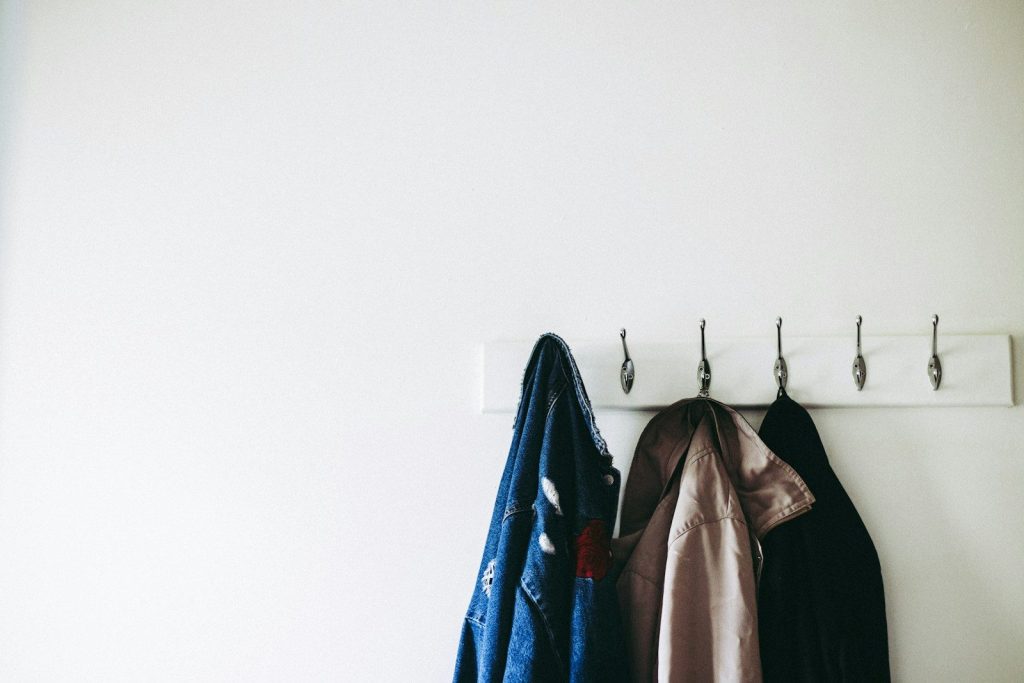
Standard hooks often force coats to bunch together. A turned or angled hook creates more space between hanging items, making each one easier to grab without pulling everything else down.
That small adjustment also helps bulky winter jackets hang naturally. Instead of piling up, they stay separated, helping your entryway look tidier throughout the day.
Use Natural Wood for a Warmer Look
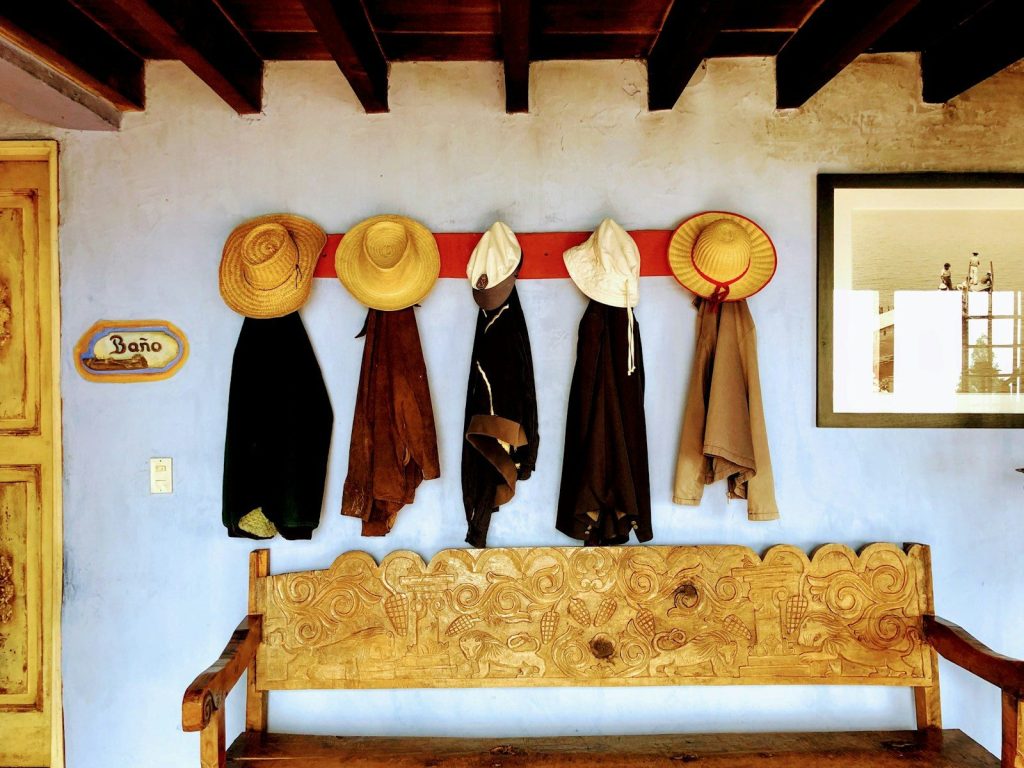
Wooden hooks blend into almost any decorating style while adding warmth that metal hardware sometimes lacks. They also feel comfortable to use every day.
A smooth finish protects the wood from moisture and daily wear. Light sanding before applying a finish creates a cleaner appearance and helps the project last much longer.
Make Small Entryways Feel Bigger
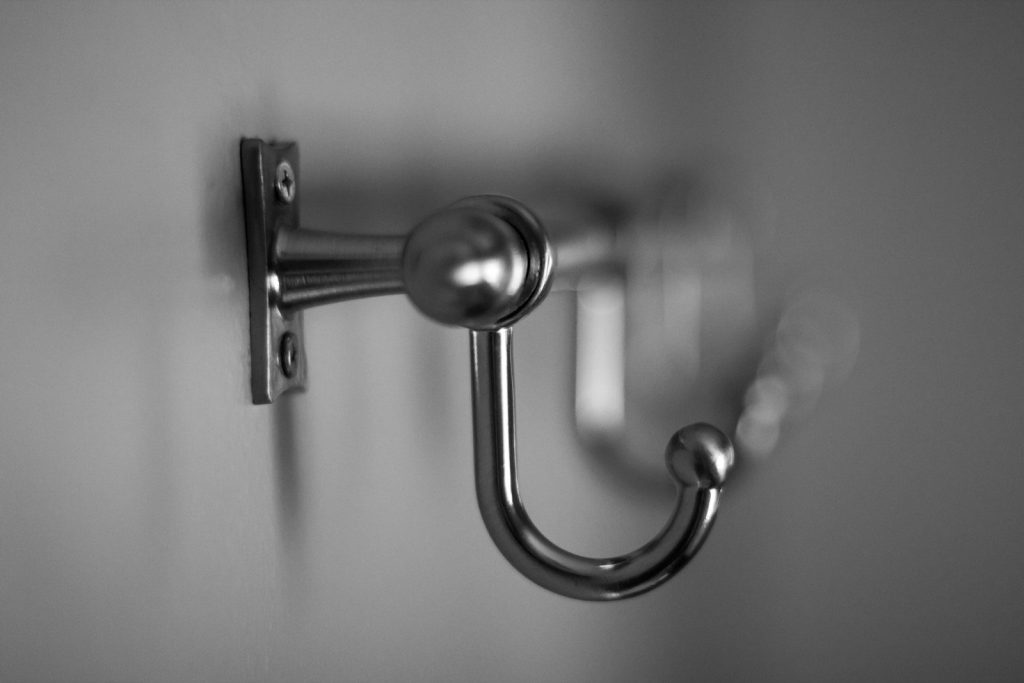
Limited wall space does not mean you need fewer hooks. Rotating or angled designs let each hook work harder without making the rack look crowded.
This approach keeps backpacks, scarves, and coats from overlapping so heavily. Even a narrow hallway feels more organized when every item has its own place.
Space Hooks Like a Pro
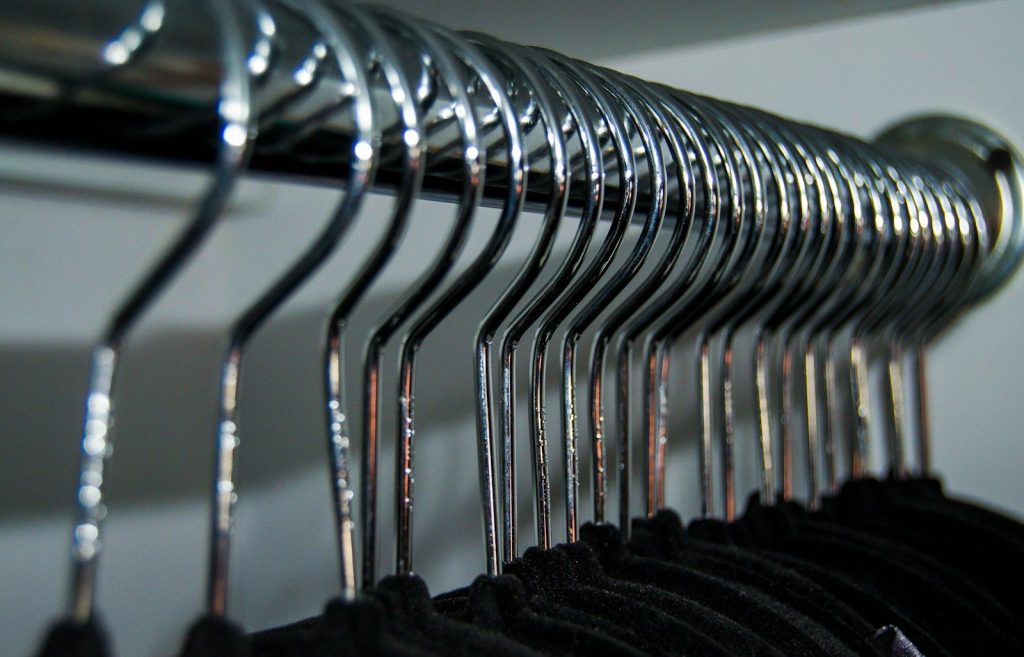
Crowding hooks too closely creates constant frustration. Leaving enough room between them allows larger coats and tote bags to hang without covering neighboring items.
A little planning before mounting the rack prevents wasted space later. Proper spacing improves both appearance and everyday convenience with almost no extra effort.
Build Strength Into the Design
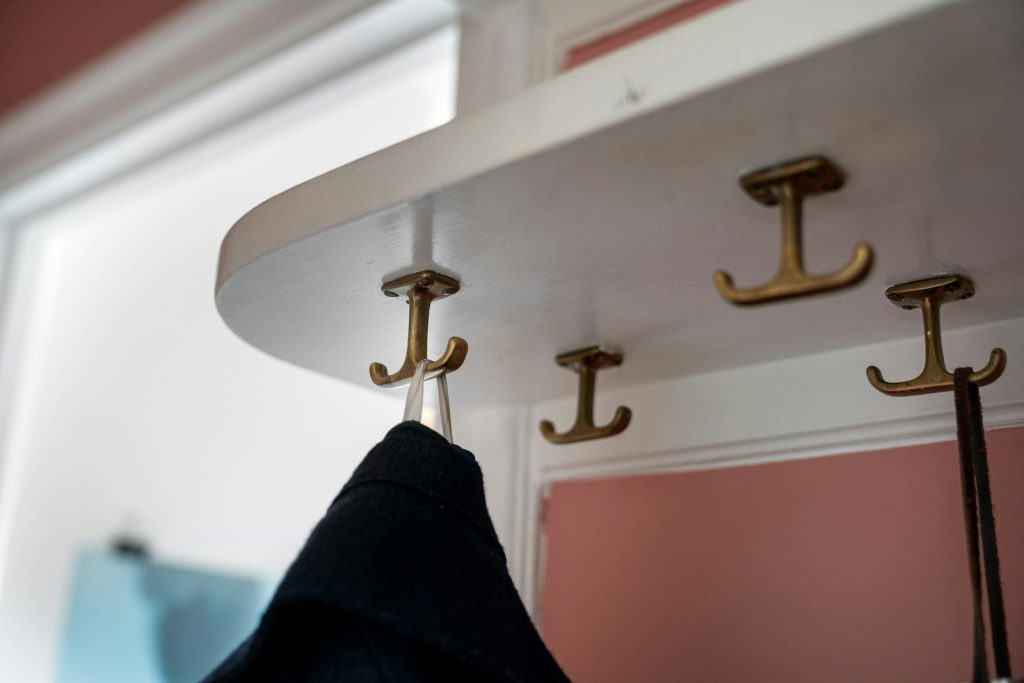
A stylish hook is only useful if it stays secure. Strong mounting keeps heavy backpacks and winter coats from loosening the rack over time.
Whenever possible, anchor the rack into solid framing or use hardware suited for your wall type. Better support means fewer repairs and much greater confidence every time you hang something.
Match the Hook to the Item
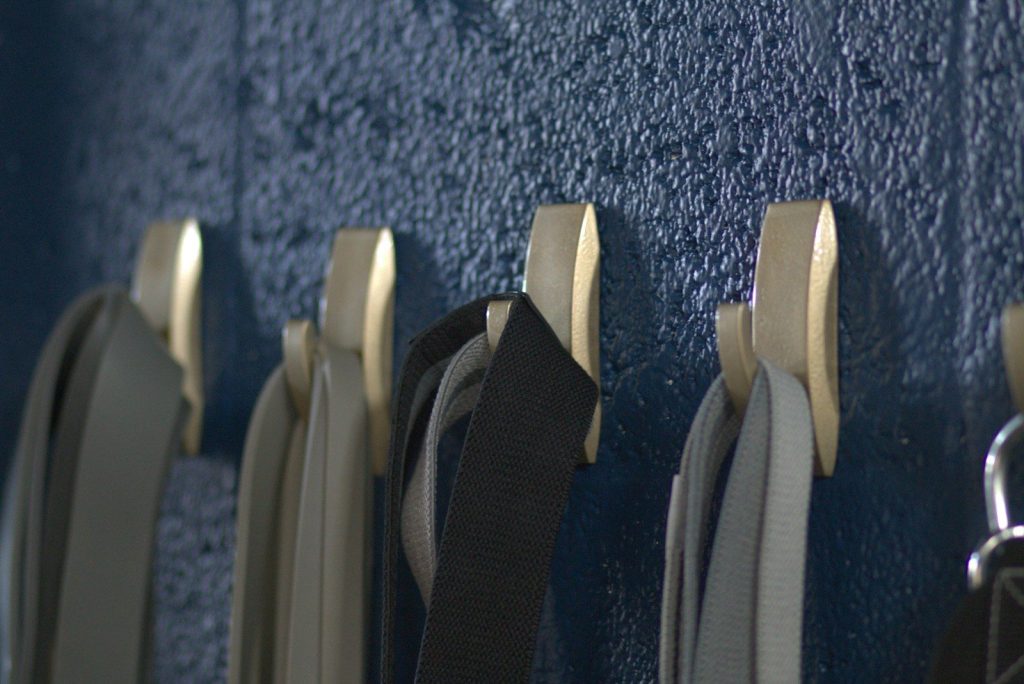
Not everything needs the same style of hook. Rounded shapes work well for coats, while smaller hooks easily manage keys, hats, or lightweight accessories.
Mixing different hook sizes creates a more flexible storage station. Everyone in the household can quickly find the right place for everyday essentials.
Add Style Without Extra Clutter
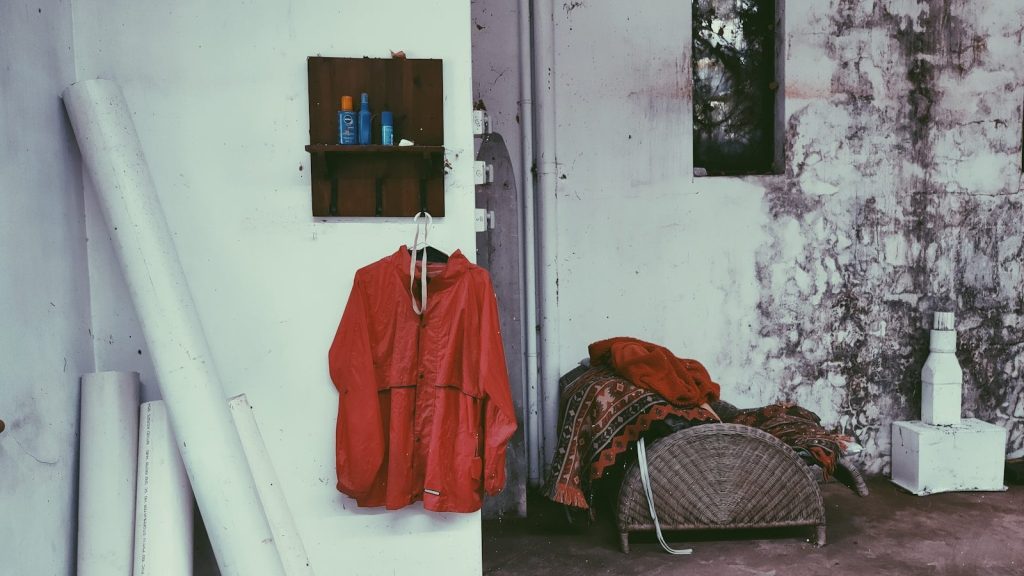
A coat rack can become part of your decor instead of something you try to hide. Attractive wood grain and carefully shaped hooks create a handcrafted look that feels intentional.
Simple details like rounded edges and a quality finish elevate the entire project. The result looks custom while staying practical for busy daily routines.
Think Beyond Coats
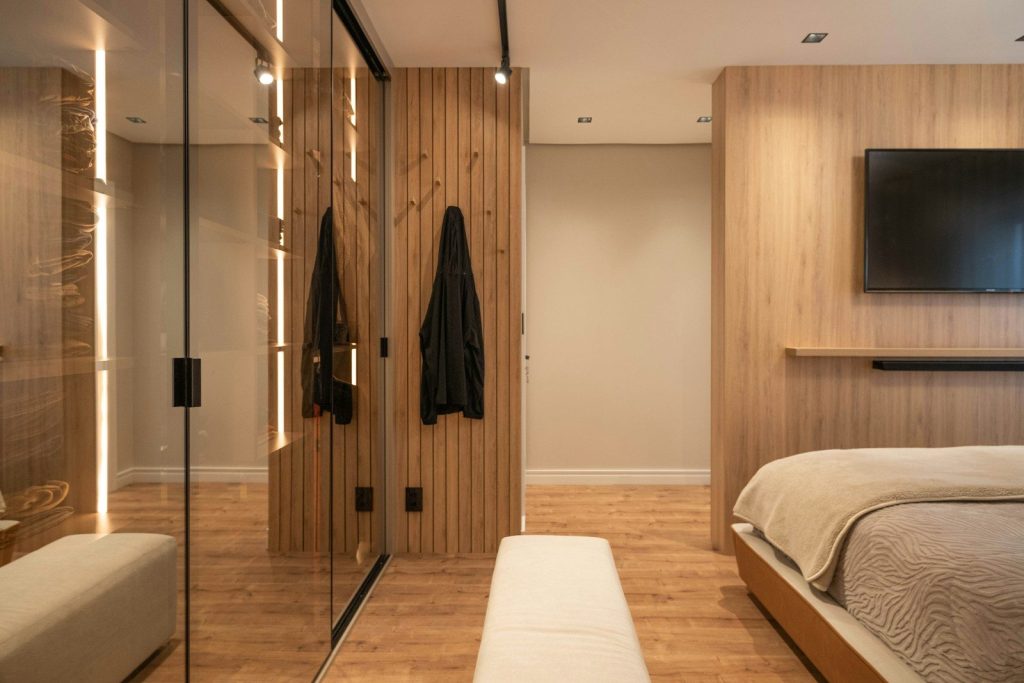
Once you see how useful an upgraded hook can be, you’ll find more places to use the idea. Laundry rooms, bedrooms, mudrooms, and even garages benefit from better hanging solutions.
The same simple concept keeps everyday items organized without adding bulky cabinets or shelves. One smart upgrade can solve several storage headaches around the home.
Featured Image: By Suad Kamardeen on Unsplash