

When researchers began studying the world’s Blue Zones, they weren’t looking for a miracle food. What caught their attention was something much broader. These communities had different cultures, climates, and cuisines, yet many shared everyday routines that encouraged movement, stronger relationships, and a slower pace of life. Looking beyond the menu reveals some of the most fascinating lessons these regions have to offer.
Gardens Are Part Of Everyday Life, Not A Weekend Hobby
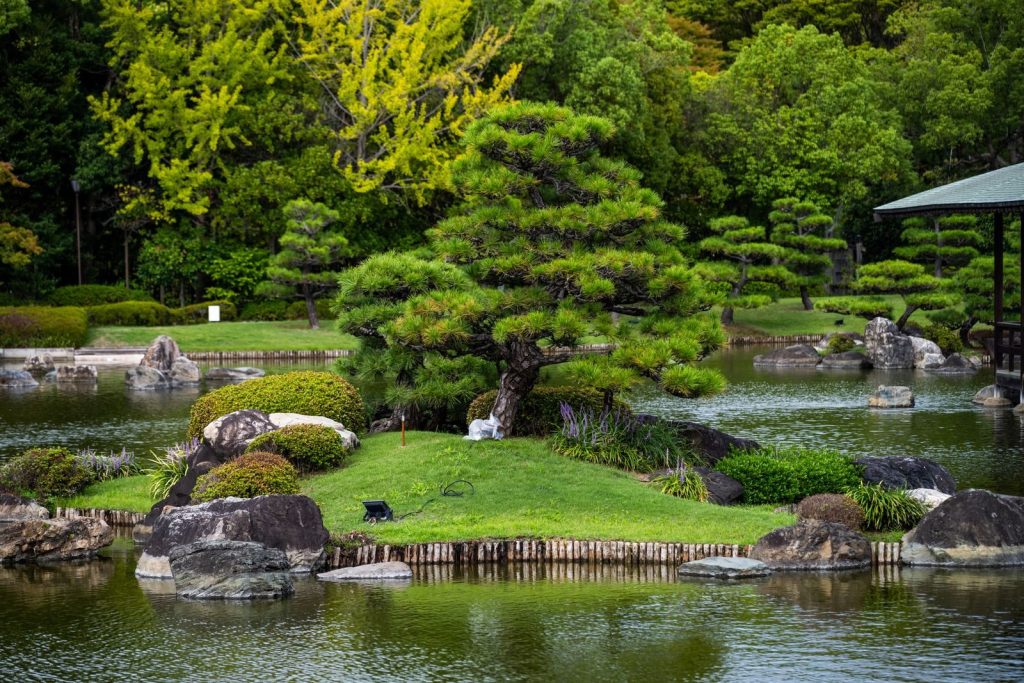
Across several Blue Zones, home gardens remain part of daily living. People grow herbs, beans, leafy greens, tomatoes, squash, and fruit within walking distance of their kitchens. Gardening naturally combines gentle movement, time outdoors, and a steady supply of seasonal produce without feeling like exercise.
The Day Often Starts On Foot
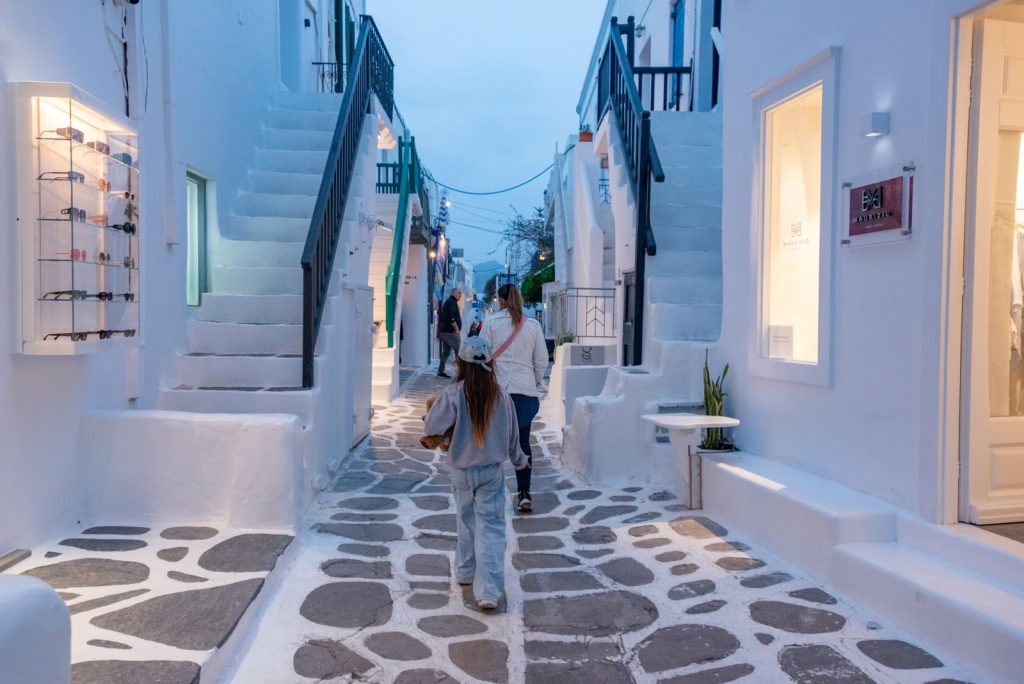
In places like Ikaria and Sardinia, narrow streets, hills, and closely connected villages encourage walking throughout the day. Shopping, visiting neighbors, or attending local gatherings often means walking rather than driving.
Bread Isn’t Grabbed Off A Supermarket Shelf
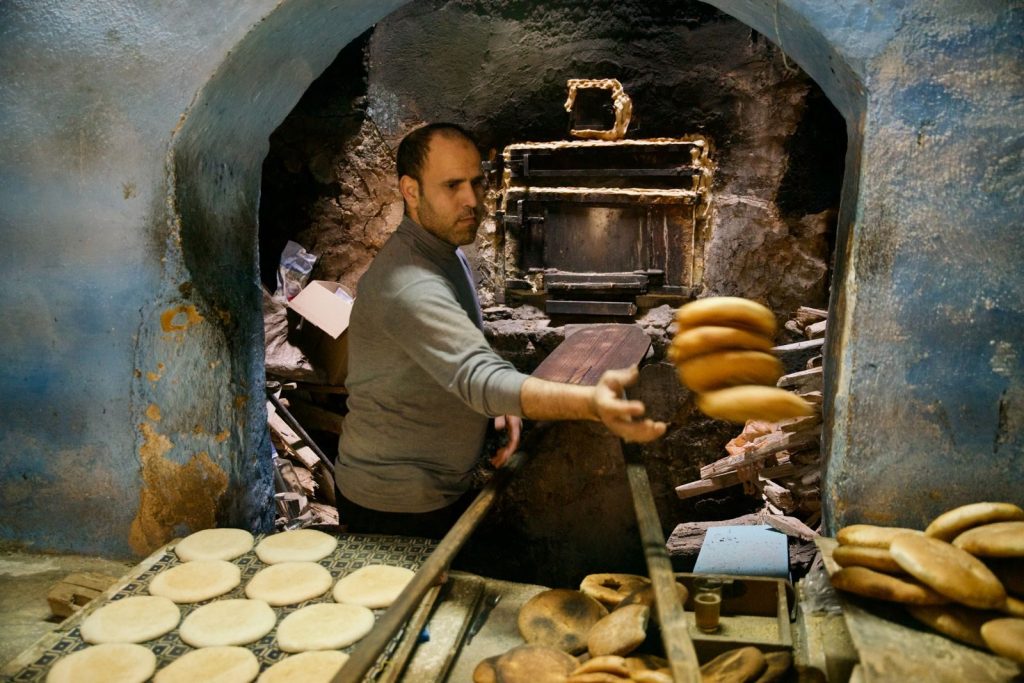
Traditional bread-making remains part of life in several Blue Zone regions. Families may still bake using long fermentation methods, local grains, and recipes passed through generations. The process itself becomes part of community life rather than simply buying packaged bread.
Older Adults Still Have A Job In The Community
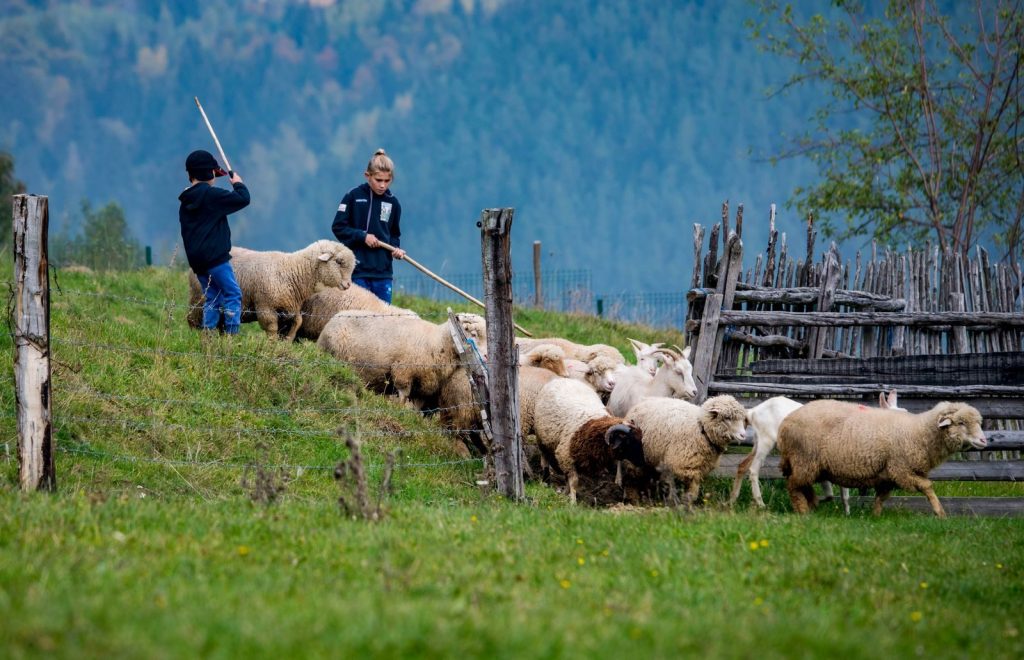
One striking pattern researchers noticed is that many older adults continue contributing long after retirement. Some tend vineyards, repair fishing nets, make pottery, weave baskets, care for grandchildren, or maintain family farms. Remaining useful is woven into community life instead of treated as optional.
Markets Replace One Big Weekly Grocery Trip
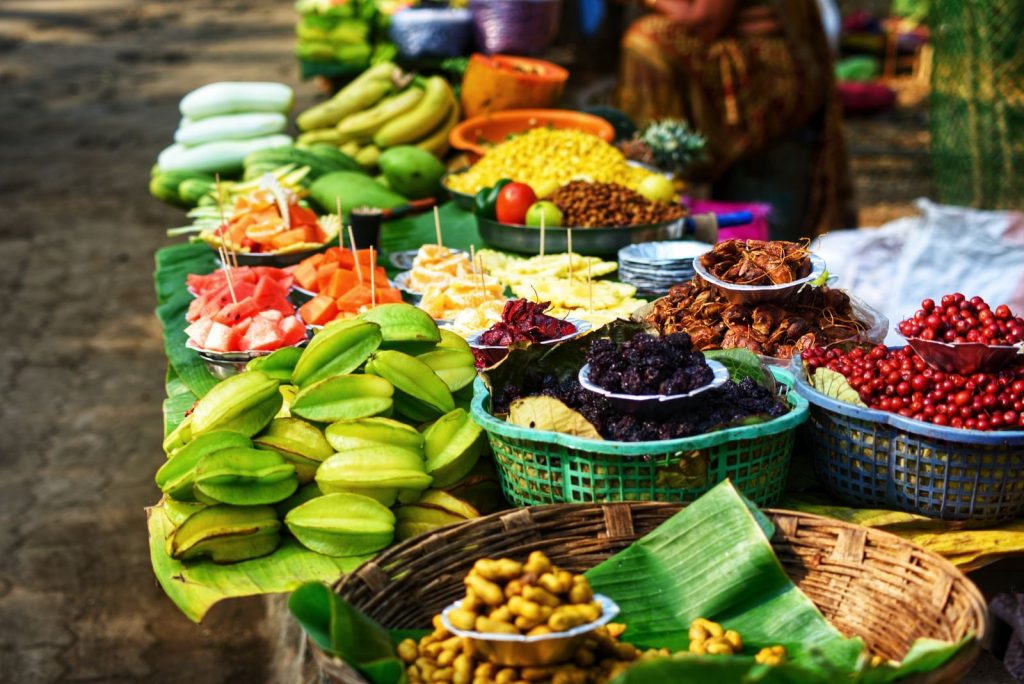
Instead of filling enormous shopping carts once a week, many Blue Zone residents buy smaller amounts of fresh food more frequently. Visiting neighbourhood bakeries, produce stalls, fish markets, and local shops naturally adds walking and regular social interaction.
Friendship Often Comes With A Standing Appointment
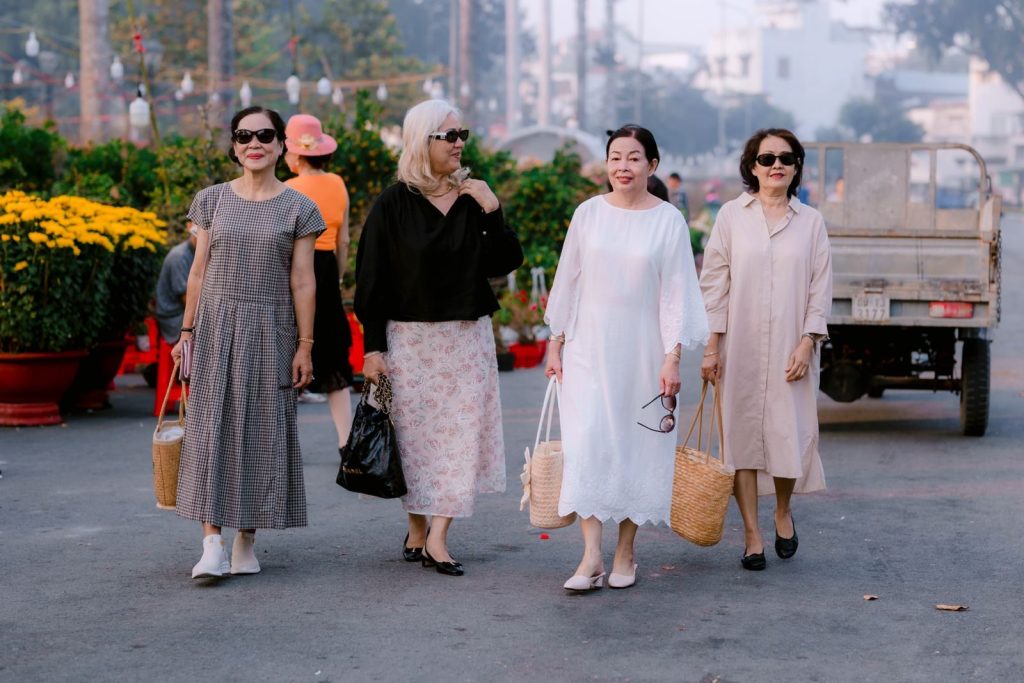
Researchers have highlighted long-lasting social traditions such as Okinawa’s moai, where small groups of friends continue meeting and supporting one another over many years. These gatherings aren’t special occasions. They’re simply part of everyday life.
Homes Are Designed To Be Lived In, Not Just Passed Through
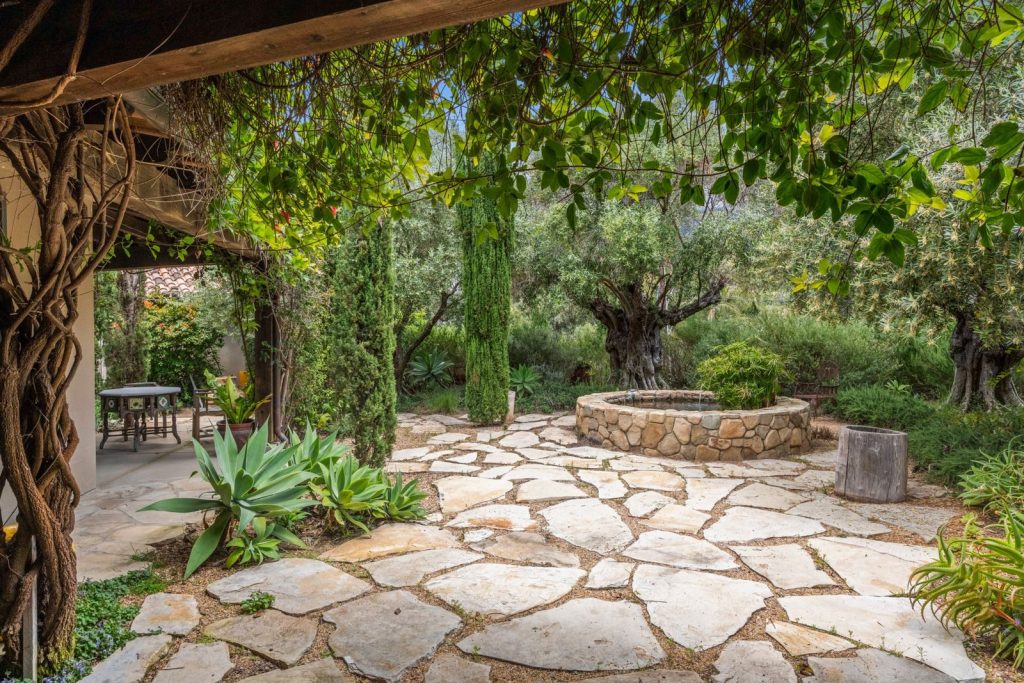
Many traditional Blue Zone homes blur the line between indoors and outdoors. Courtyards, porches, gardens, shared seating areas, and outdoor kitchens encourage people to spend more time outside, interact with neighbors, and stay physically active throughout the day.
Blue Zones Are Really About Everyday Design
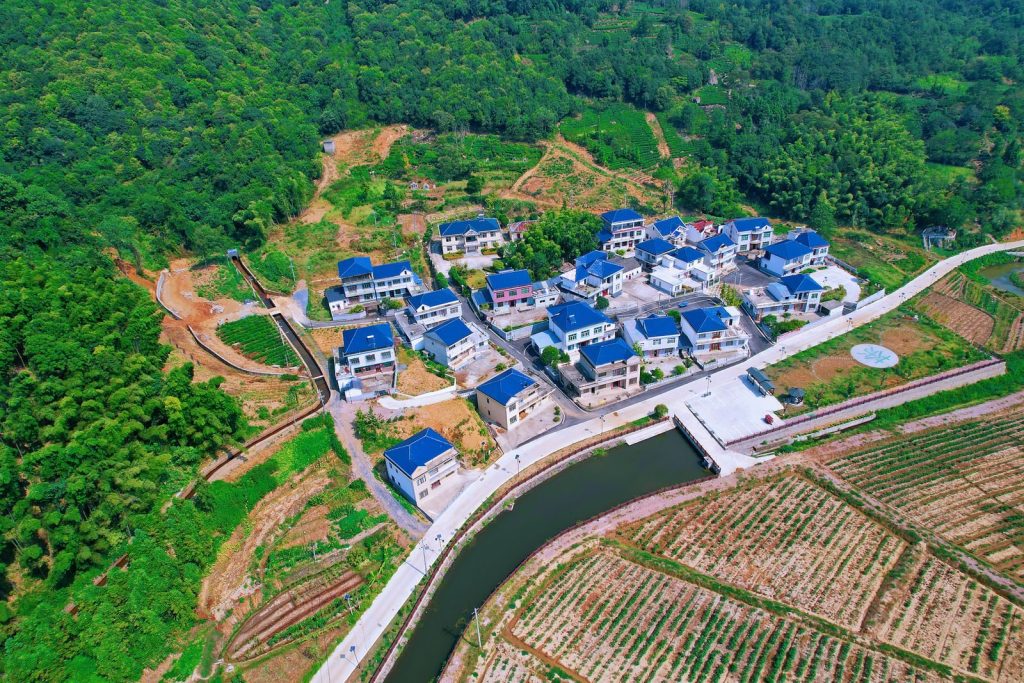
One reason Blue Zones continue to fascinate researchers is that their habits don’t usually rely on strict routines or expensive wellness trends. Instead, daily life naturally encourages movement, fresh food, craftsmanship, conversation, and strong local communities. Looking at how these places are built may be just as revealing as looking at what people eat.