

The kind of salad dressing recipe that gets repeated at every family dinner for thirty years almost always turns out to be embarrassingly simple, and this one is no exception: just olive oil and Worcestershire sauce, whisked together until smooth. Worcestershire already carries vinegar, anchovy, and a little sweetness built into one bottle, which means a two-ingredient dressing ends up tasting like something with twice as many components. The real trick isn’t the dressing itself, though; it’s knowing how far one batch can actually stretch.
Get the Ratio Right for Everyday Greens
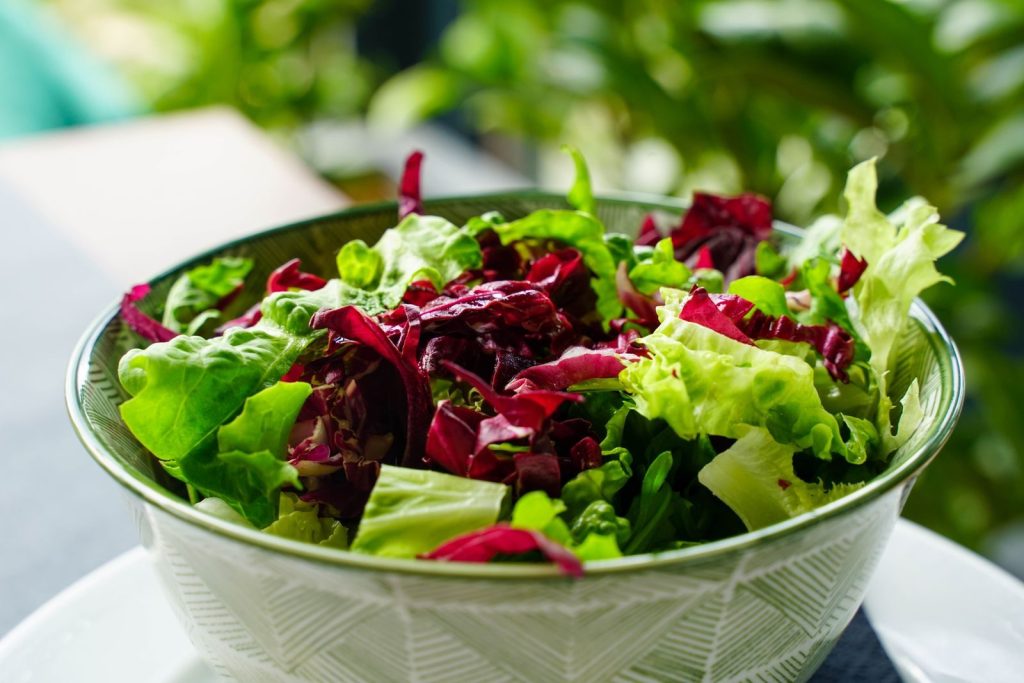
For a basic lettuce-and-vegetable salad, start with roughly four parts olive oil to one part Worcestershire, whisked until it’s fully combined rather than just stirred, since whisking is what keeps the dressing from separating on the plate. This ratio is light enough to coat everyday greens without drowning them, the base version to build every other application from.
Use It as a Drizzle, Not a Toss
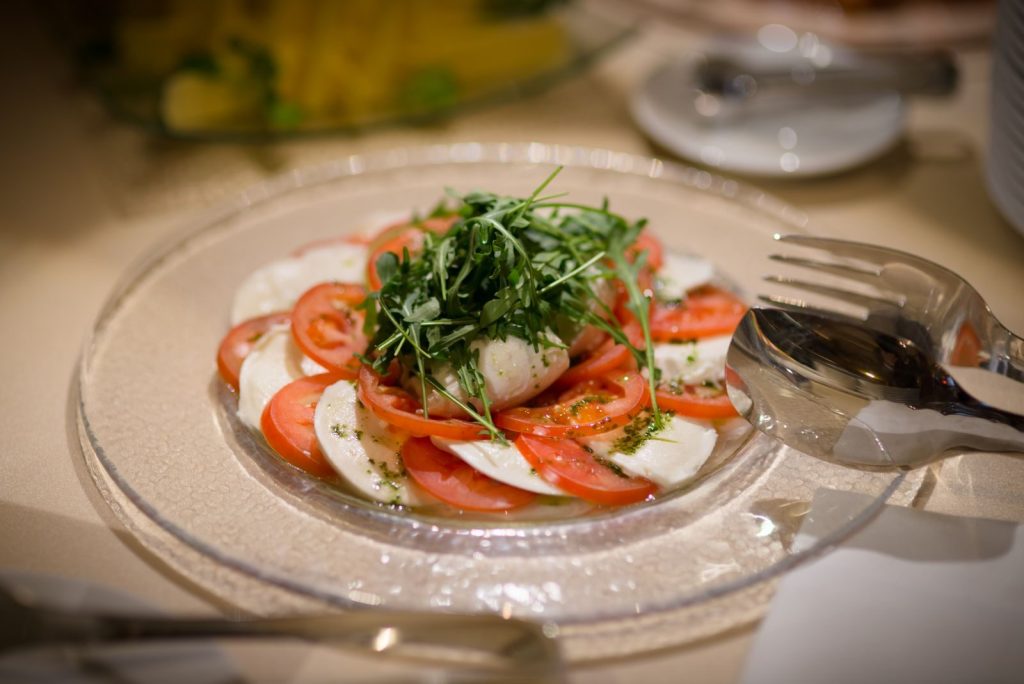
Tomatoes release water the moment they’re tossed in dressing, so instead of mixing this one in, drizzle it directly over sliced tomatoes and fresh mozzarella right before serving. The savoury depth from the Worcestershire stands in beautifully for the salt usually needed here, while keeping the tomatoes from turning watery and diluted.
Toss It On While the Vegetables Are Still Hot
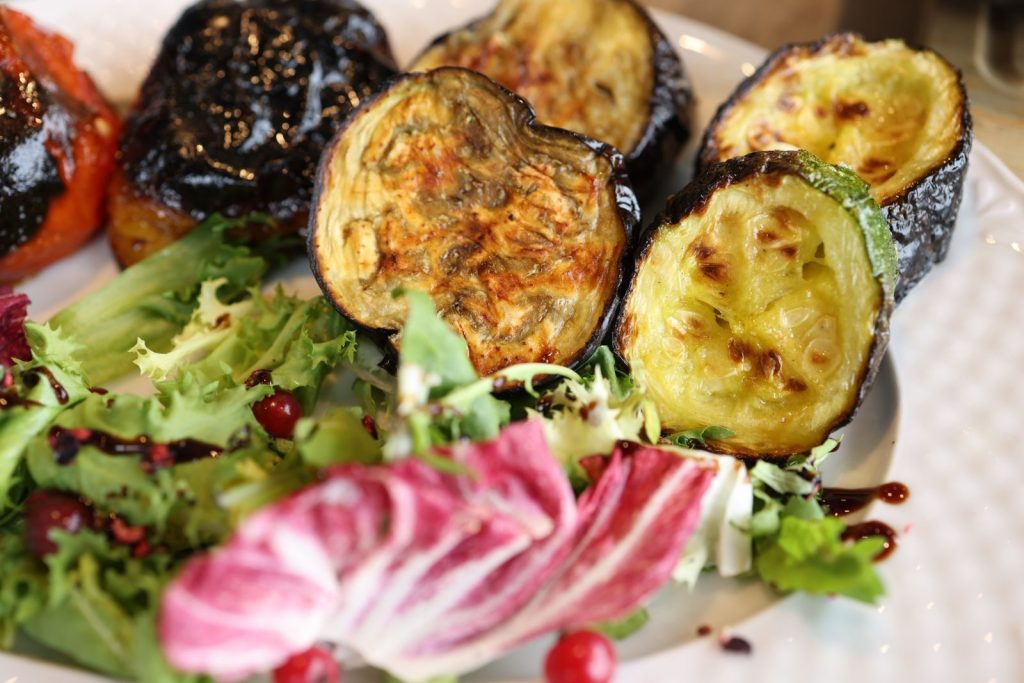
Warm vegetables absorb dressing far better than cold ones, so tossing roasted carrots, squash, or Brussels sprouts in this dressing straight out of the oven lets the flavor actually soak in instead of just sitting on the surface. It’s the same logic professional kitchens use for warm vinaigrettes, just with two ingredients instead of eight.
Let It Marinate Overnight Instead of Dressing It at the Last Minute
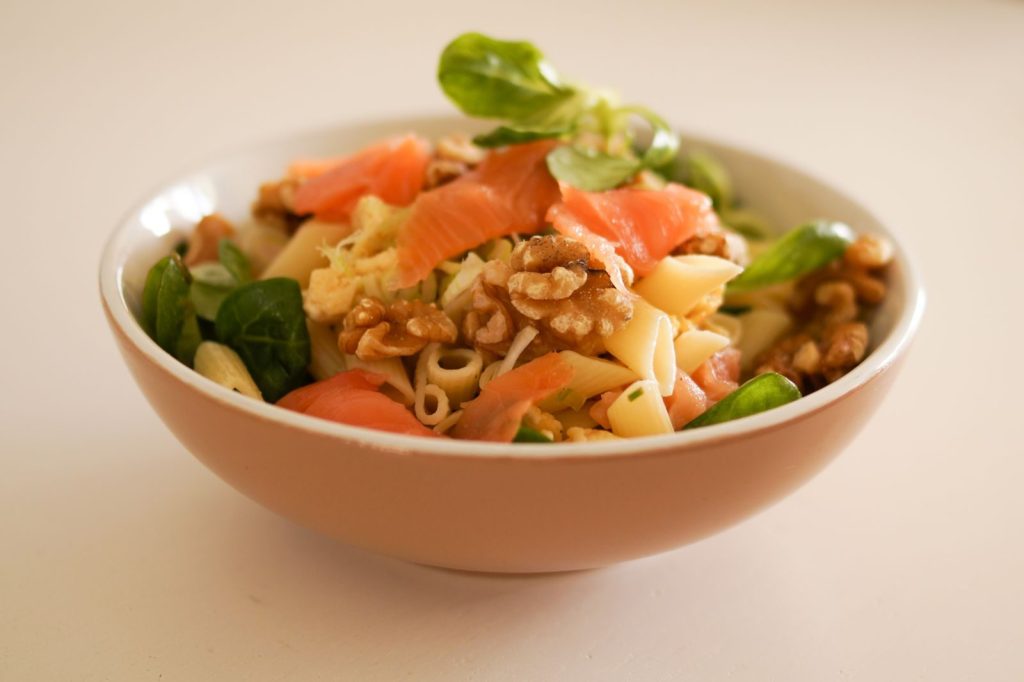
Pasta salad actually improves with time, and this dressing is built for it; the oil keeps noodles from drying out in the fridge while the Worcestershire deepens into the pasta overnight instead of sitting on top of it. Make it the night before a gathering instead of right before serving, and the flavour difference is noticeable.
Massage It In, Don’t Just Pour It On

Shredded cabbage needs a firmer hand than lettuce, so working the dressing in with your hands for a minute, rather than just pouring it over the top and tossing, breaks the cabbage down slightly and lets the flavour actually penetrate instead of pooling at the bottom of the bowl. It turns a basic slaw into something with real depth in under five minutes.
Double the Ratio for Starchier Bases
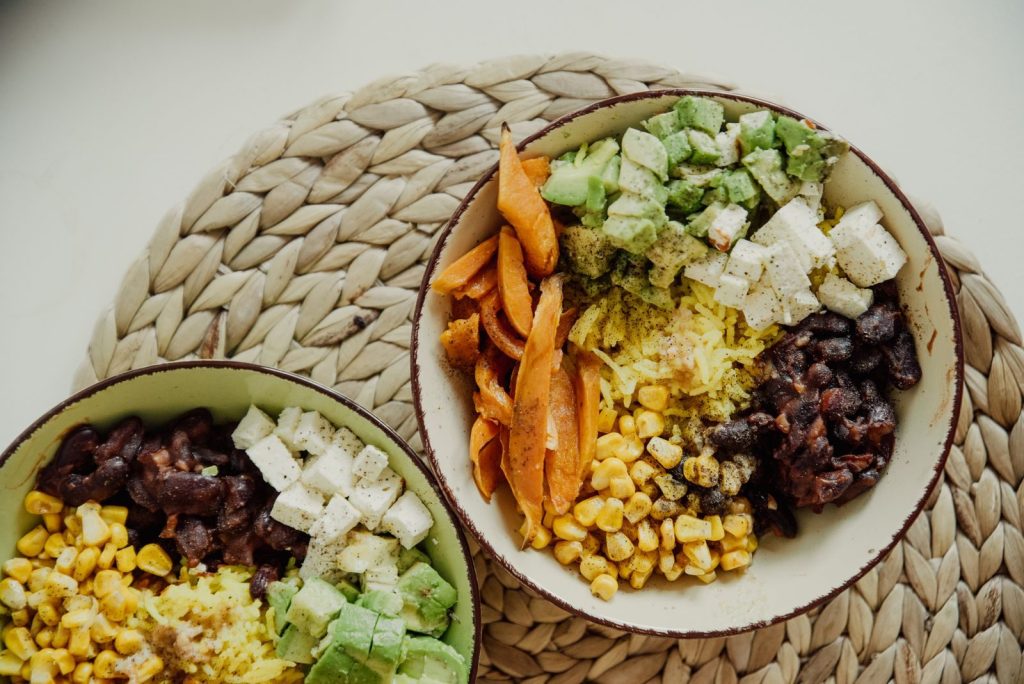
Rice, quinoa, and other grains soak up far more liquid than leafy greens do, so a grain salad needs roughly double the usual amount of dressing to actually taste like anything by the time it’s mixed in. Add it in two batches instead of all at once, tasting in between, so the grains end up seasoned all the way through instead of just on the surface.Image idea: grain salad bowl
Let the Savory Side Balance the Sweetness
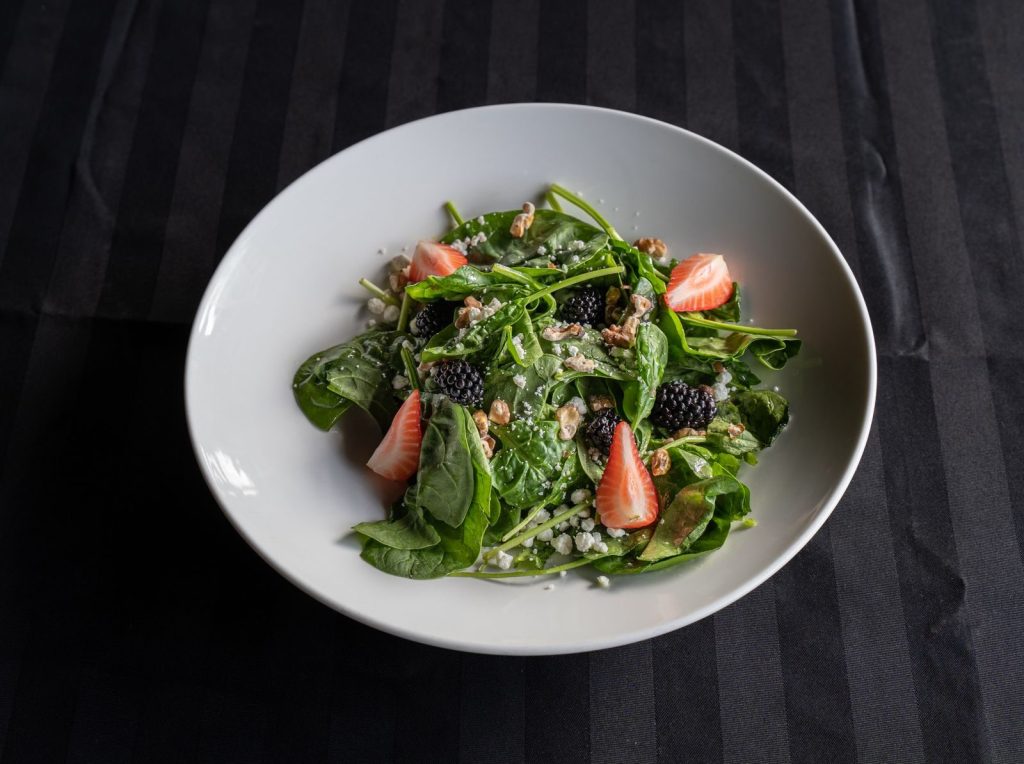
A salad built around strawberries, spinach, or other fruit can tip sweet fast, and the savoury backbone in this dressing, the same one that makes it work on a steak, cuts through that sweetness instead of adding to it. A light hand is all this one needs, since the fruit is doing plenty of the work already.
One Bottle of Dressing, a Dozen Different Salads
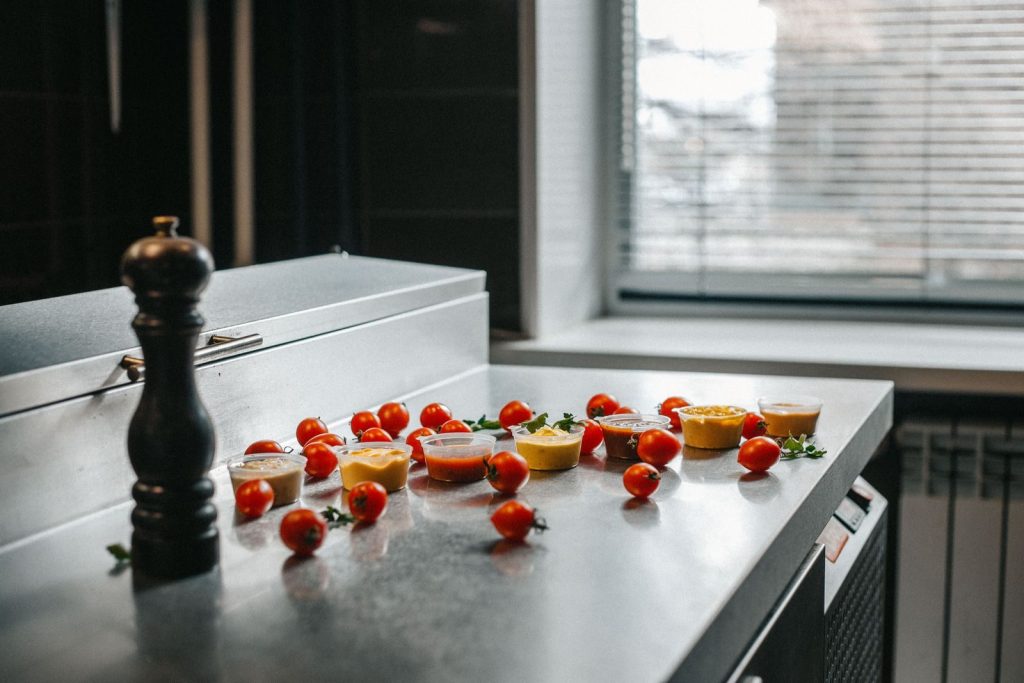
None of these need a separate recipe or a special trip to the store, just the same two ingredients used with a little more intention depending on what’s in the bowl. Make one batch at the start of the week, and the only real decision left is which salad it’s going on next.