

With digital payments becoming the norm, withdrawing a large amount of cash isn’t something most people do very often. Whether you’re buying a used car, paying a contractor, or making a major purchase, a little planning can make the process much smoother. These banking hacks go beyond the basics and focus on practical tips that many people only learn after they’ve already been through the experience once.
Ask For Mixed Denominations Instead Of Only Large Bills
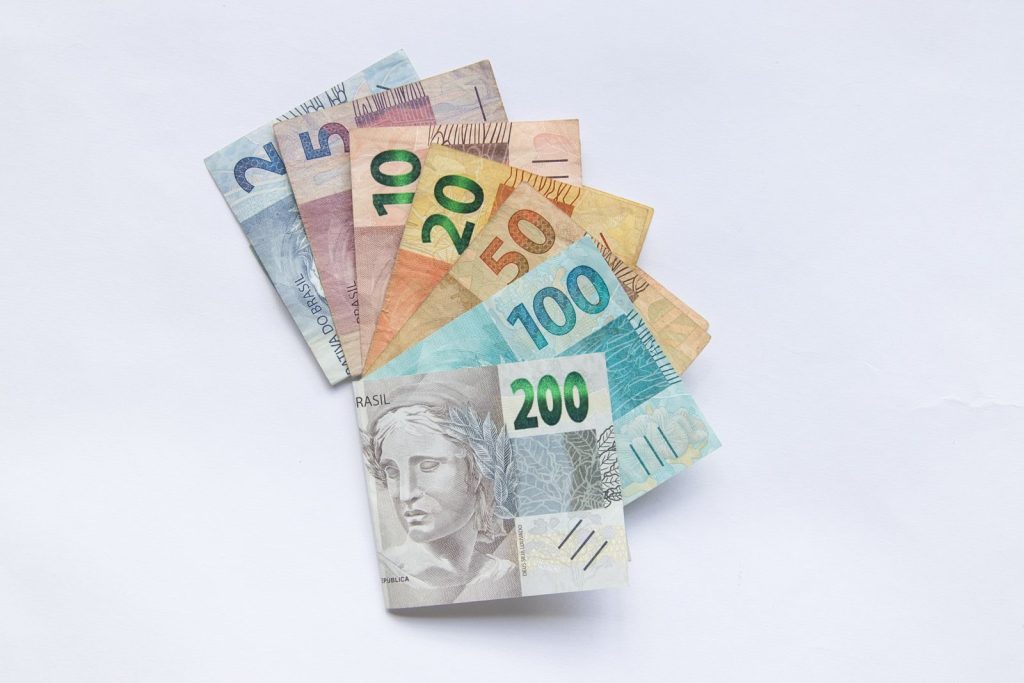
Many people automatically receive large bills during bigger withdrawals, but that isn’t always the most practical option. If you’re making several payments or expect to need smaller notes, ask the bank ahead of time for a mix of $100s, $50s, and $20s. Many branches are happy to prepare this if they’re given enough notice.
Schedule Your Withdrawal Earlier In The Week

Cash demand often increases before weekends and holidays. Visiting your branch earlier in the week gives you a better chance of having your requested amount available without delays or needing to return another day.
Call Ahead If You’re Withdrawing Several Thousand Dollars

Banks don’t always keep large amounts of cash ready for immediate withdrawal at every branch. A quick phone call before your visit allows staff to prepare the money and helps ensure everything is ready when you arrive.
Consider A Cashier’s Check Before Carrying Thousands In Cash

Cash isn’t always the safest or most convenient payment method. For purchases such as vehicles, home improvements, or large deposits, a cashier’s check may offer the same level of payment certainty while reducing the need to carry large amounts of money.
Skip The Bank Envelope When You Leave
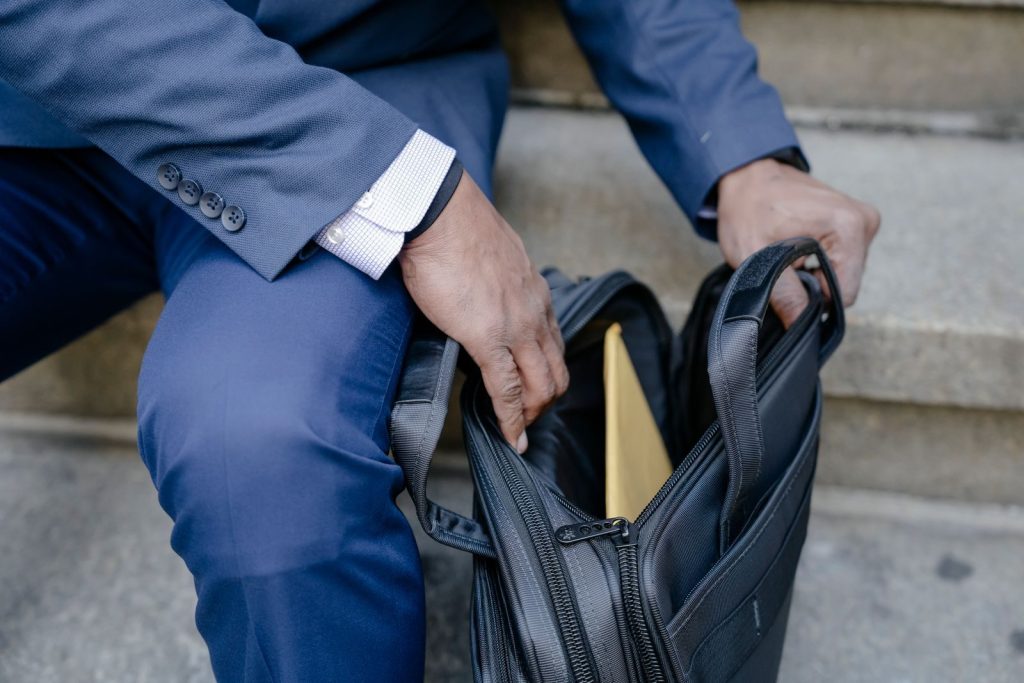
Walking out carrying a branded bank envelope immediately signals where you’ve been. Placing your cash inside a plain backpack, document folder, or everyday bag attracts far less attention and keeps your transaction more discreet.
Count Your Cash Before You Walk Away

Most people don’t think to verify their withdrawal until they’ve already left the branch. Taking a moment to count the money while you’re still at the teller window makes it much easier to resolve any discrepancy immediately if something doesn’t look right.
Plan Your Next Stop Before You Visit The Bank
If possible, avoid running errands with a large amount of cash in your vehicle or bag. Visit the bank when you’re ready to head directly to your destination or back home. Spending less time carrying cash simply reduces unnecessary risk.
A Little Preparation Can Save A Lot Of Stress

Large cash withdrawals are uncommon for many people, which is why they often come with unexpected surprises. Choosing the right denominations, calling ahead, considering safer payment alternatives, and planning what happens after you leave the bank can all make the process smoother. Sometimes the smartest banking hack isn’t complicated at all. It’s simply thinking a few steps ahead.