

Most people assume cleaning something properly means buying a product specifically designed for it. Professional cleaners and cleaning scientists tend to disagree: a handful of basic pantry staples handle the majority of kitchen deep-cleaning jobs more effectively than most commercial products, just not always in the way those viral “mix everything together” posts suggest. A few of these hacks come with a caveat that most natural-cleaning content gets completely wrong, and knowing the difference is what actually makes them work.
Stop Mixing Vinegar and Baking Soda Together
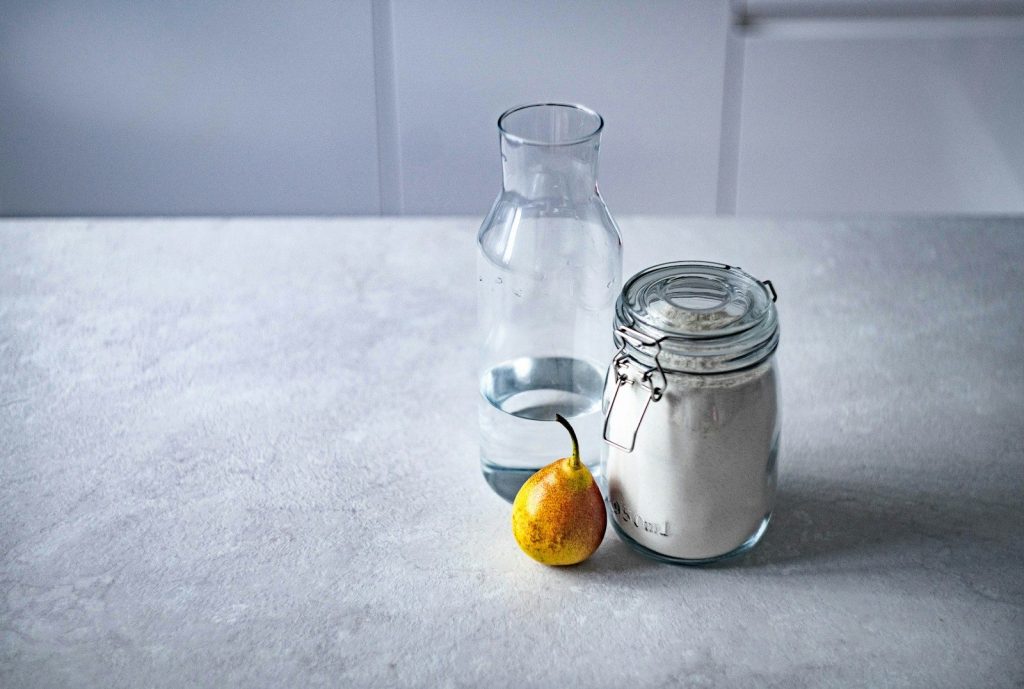
This is the most common mistake in natural cleaning, and it’s worth putting first. Mixing vinegar and baking soda creates an acid-base reaction that neutralizes both of them, turning two effective cleaners into a weak, mostly inert liquid. The fizzing looks satisfying but it’s doing almost nothing by the time it settles. Each one works far better used separately, baking soda first to scrub, then vinegar afterward to cut through what remains.
Use Baking Soda Dry on Burned Pan Residue
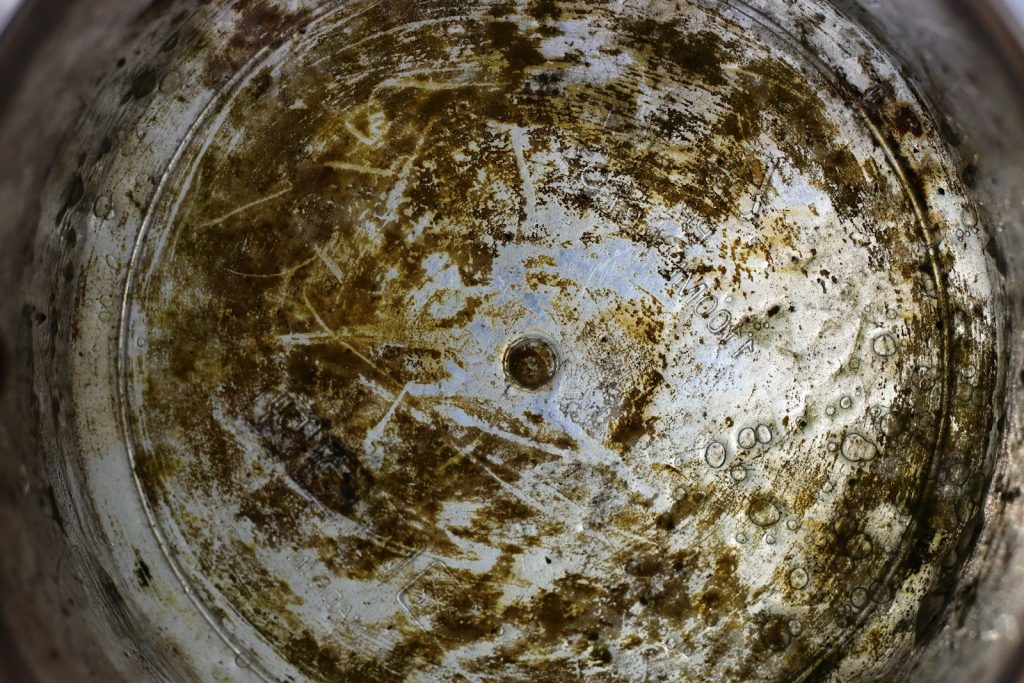
A thick paste of baking soda and just enough water to make it spreadable, applied to the burned surface and left for several hours or overnight, lifts baked-on residue far more effectively than scrubbing immediately. The mild abrasion and alkalinity work together to loosen the carbonized layer from underneath rather than just scraping the top of it.
Vinegar Handles Grease on Stovetops, But Not All Surfaces
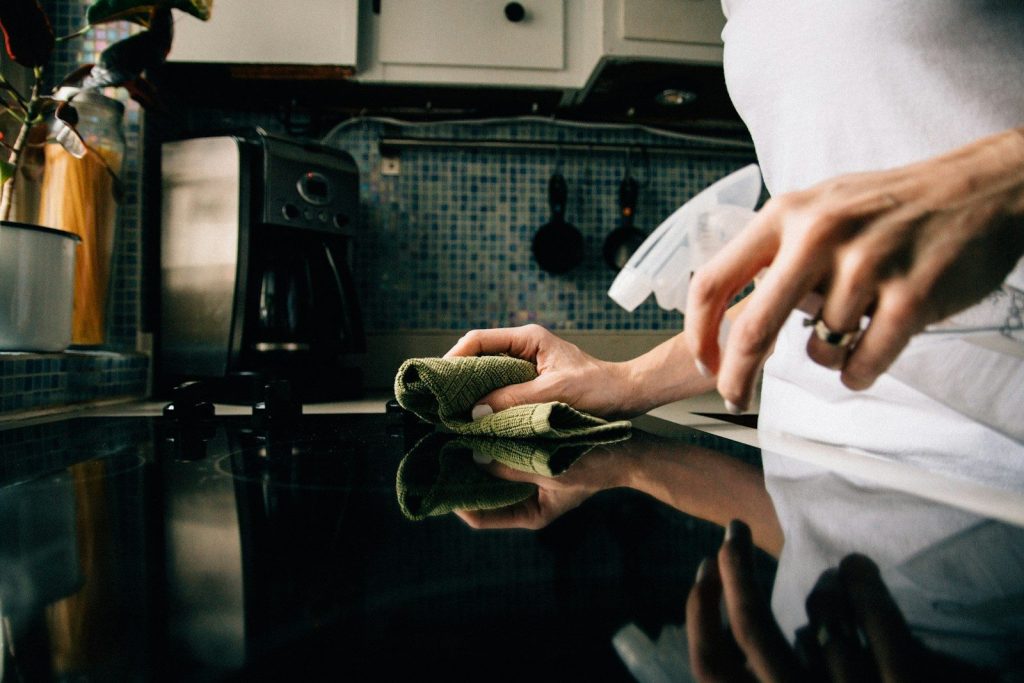
Diluted white vinegar cut through cooking grease on sealed surfaces like ceramic, glass, and stainless steel because its acidity breaks down fat molecules directly. The important exception is granite, marble, stone, and unsealed natural surfaces, where vinegar’s acidity etches and damages the material over time. Knowing which surface you’re cleaning before reaching for it saves an expensive repair.
Halved Lemon on Stainless Steel Appliances

A halved lemon rubbed directly over a stainless steel appliance surface cuts through fingerprints and grease while the natural citrus oils leave the surface with a subtle shine. It takes under a minute on a refrigerator door or dishwasher front and leaves no streaks, which is the result most commercial stainless steel sprays promise but rarely deliver without a second wipe.
Boiling Water Clears a Slow Drain Before Any Chemical Does
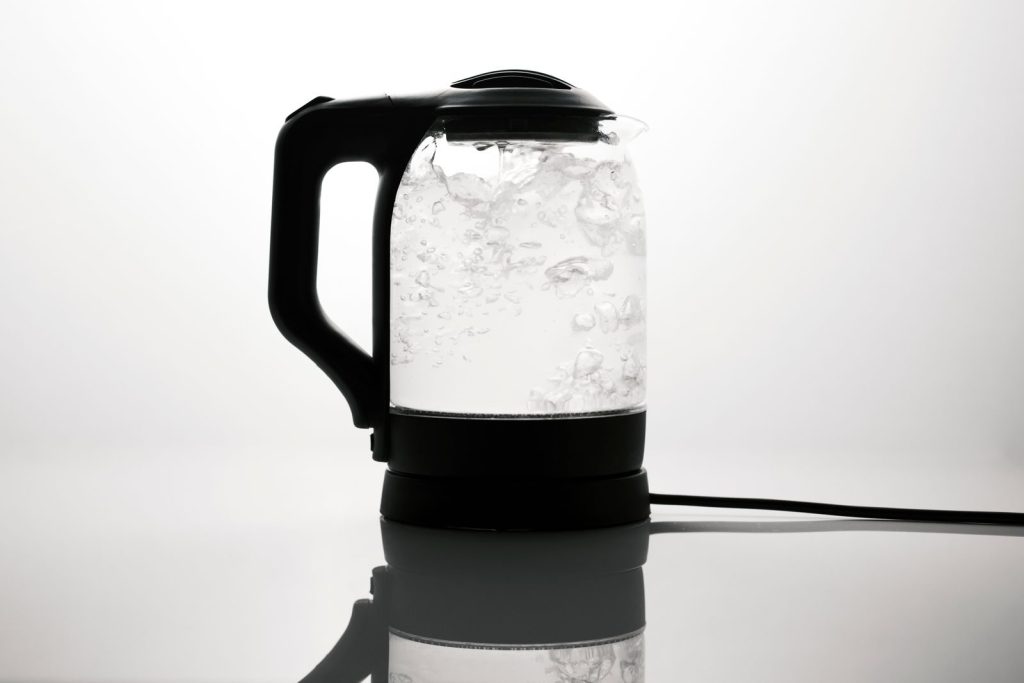
A slow kitchen drain caused by accumulated grease responds well to a kettle of boiling water poured in slowly, since the heat melts the fat buildup clinging to the pipe walls and flushes it through. Following with a cup of baking soda and then plain hot water, twenty minutes later adds an odour-clearing step without reaching for a chemical drain cleaner.
Salt and Ice Cubes Clean the Inside of a Blender

Running a blender to clean it after use still leaves a film of oil and residue clinging to the blade assembly and bottom seal, which a rinse alone doesn’t reach. Filling the blender halfway with water, adding a handful of coarse salt and a few ice cubes, and running it for thirty seconds scours the interior surfaces with an abrasive action that water alone misses entirely.
Cream of Tartar on Stubborn Sink Stains
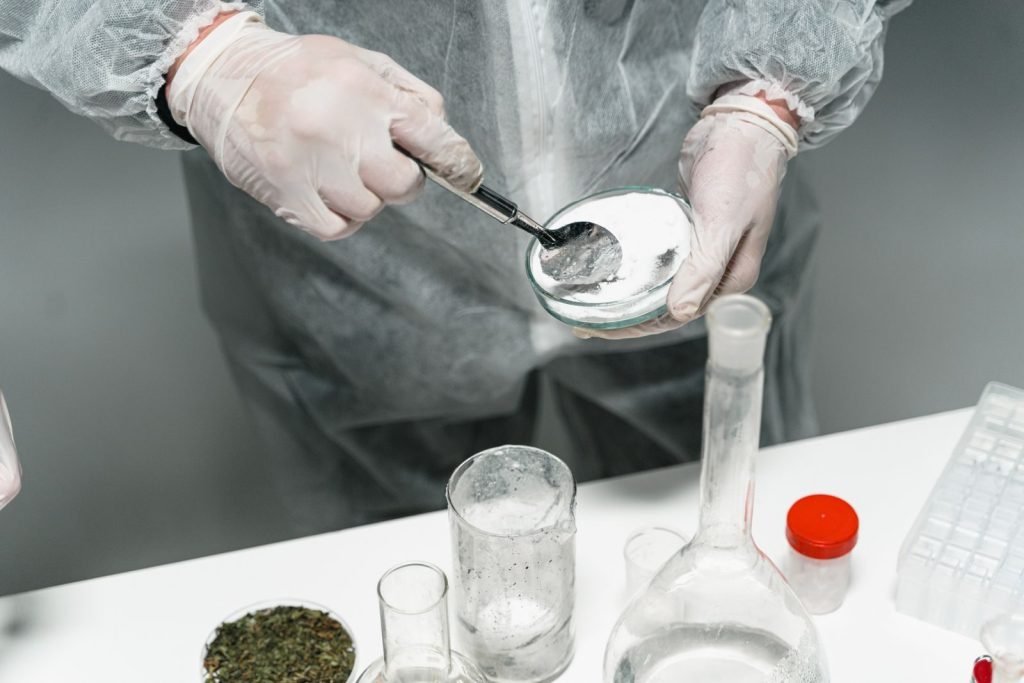
Cream of tartar, the white powder most people have sitting in a spice drawer from a recipe they made once, is mildly acidic and works as a gentle bleaching abrasive when made into a paste with water. Applied to stained enamel, porcelain sinks, or coffee-stained mugs and left for ten minutes before scrubbing, it lifts stains that baking soda alone doesn’t fully clear.
Citrus Peels Down the Disposal, Not the Grounds
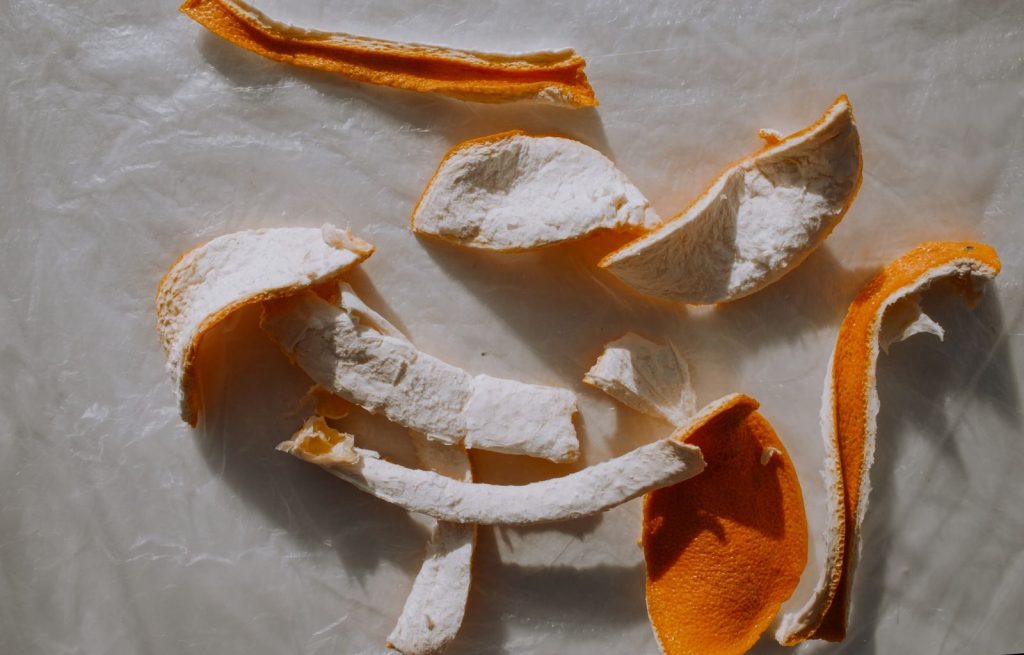
Citrus peels, the same ones most people throw straight into compost or the bin, run through a garbage disposal break down the biofilm lining the grinding chamber while leaving a genuine citrus scent behind. They’re more effective than coffee grounds at cleaning the physical buildup rather than just neutralising the smell, making them a different tool for a different problem.
One Pantry, Eight Solutions
None of these require a special trip to the store or a shelf full of products. The most effective natural kitchen deep-clean starts with knowing which ingredient to reach for and when, and never mixing two of them together just because the fizzing looks like it’s working.