

Most people drop pasta into a big pot of boiling water without thinking twice, but there is a growing kitchen trick that changes everything about texture and flavor in a surprisingly simple way.
It skips the traditional water-heavy method and instead lets the pasta cook in a more concentrated environment that helps starch, seasoning, and sauce come together in a richer and more satisfying bite.
Skip the Boiling Pot for a Better Pasta Base
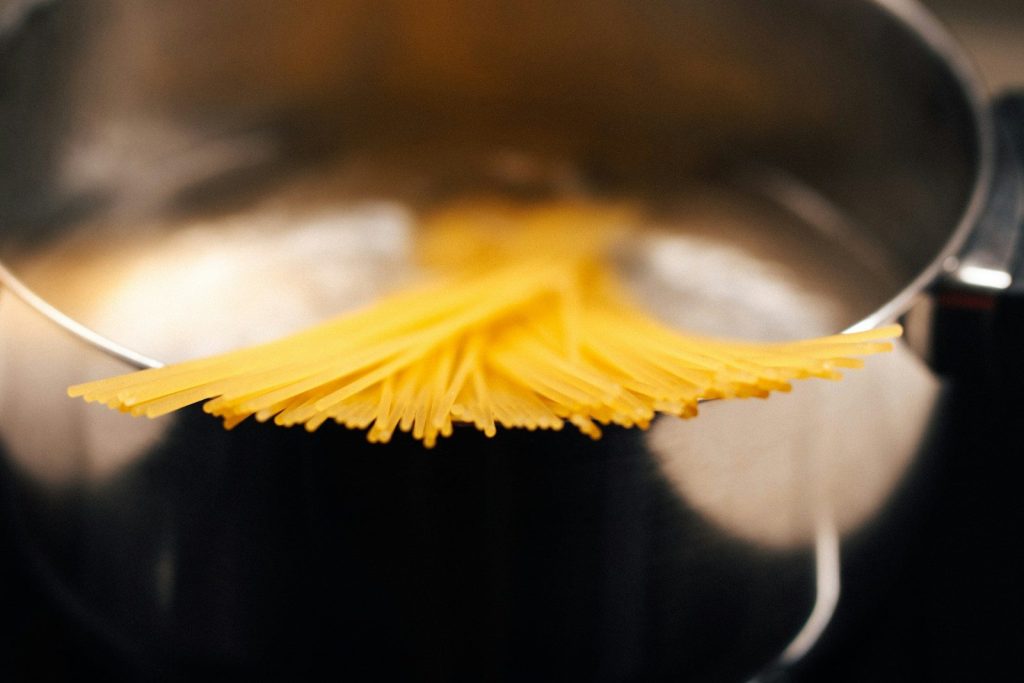
Instead of filling a tall pot with water, this hack starts by rethinking the entire setup, using a shallow pan where pasta meets sauce early and begins absorbing flavor from the start.
This approach shifts cooking from dilution to concentration, letting starch stay in the pan, so the final texture turns naturally silky instead of a washed-out or bland finish.
Why Water Dilution Ruins Pasta Flavor
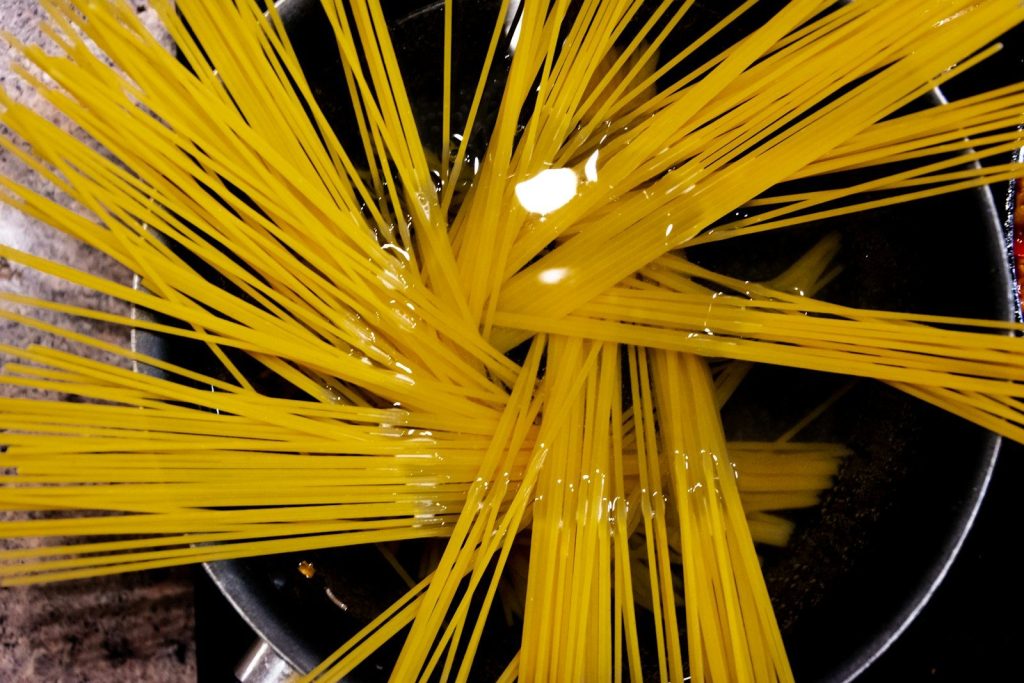
Traditional pasta cooking floods the noodles with water, which strips away starch and weakens the natural ability of the sauce to cling to every bite you take more easily now.
Without that starch, sauces slide off instead of binding, leaving a dish that tastes separate rather than unified, no matter how good your ingredients are in the end result.
The One Pan Method That Changes Everything
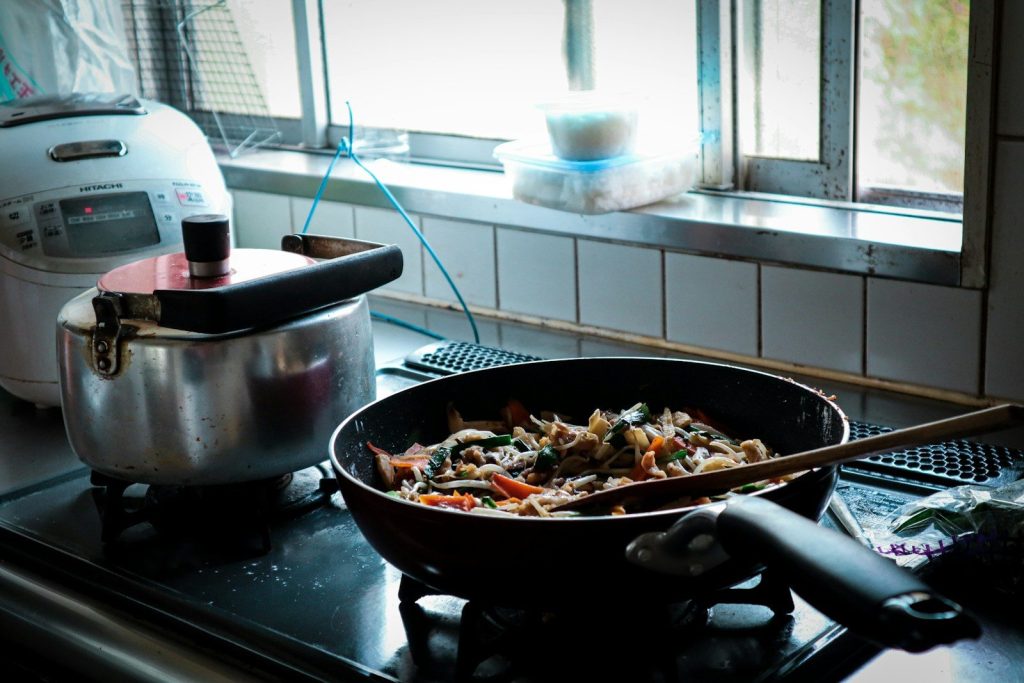
This method replaces the classic pot with a wide skillet where pasta cooks directly in a mix of sauce and liquid, slowly absorbing flavor as it softens throughout the cooking process.
The result is a more cohesive dish where every strand is coated early, building depth without needing extra steps at the end of cooking time for a richer flavor finish.
Let Starch Work For You, Not Against You
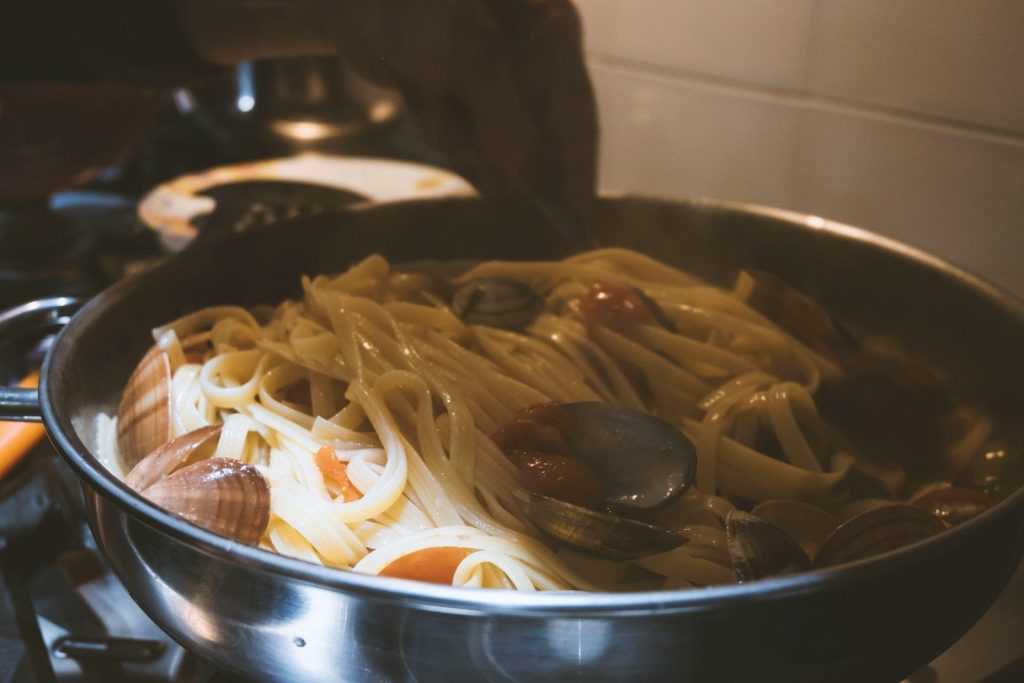
When pasta cooks in less water, the starch stays in the pan and naturally thickens the sauce instead of being poured down the drain with the boiling water at the end.
That starch acts like a built-in binder, helping every ingredient stick together so the dish feels creamy even if you never add cream for a smooth finish overall.
Build Flavor Early Instead of At The End
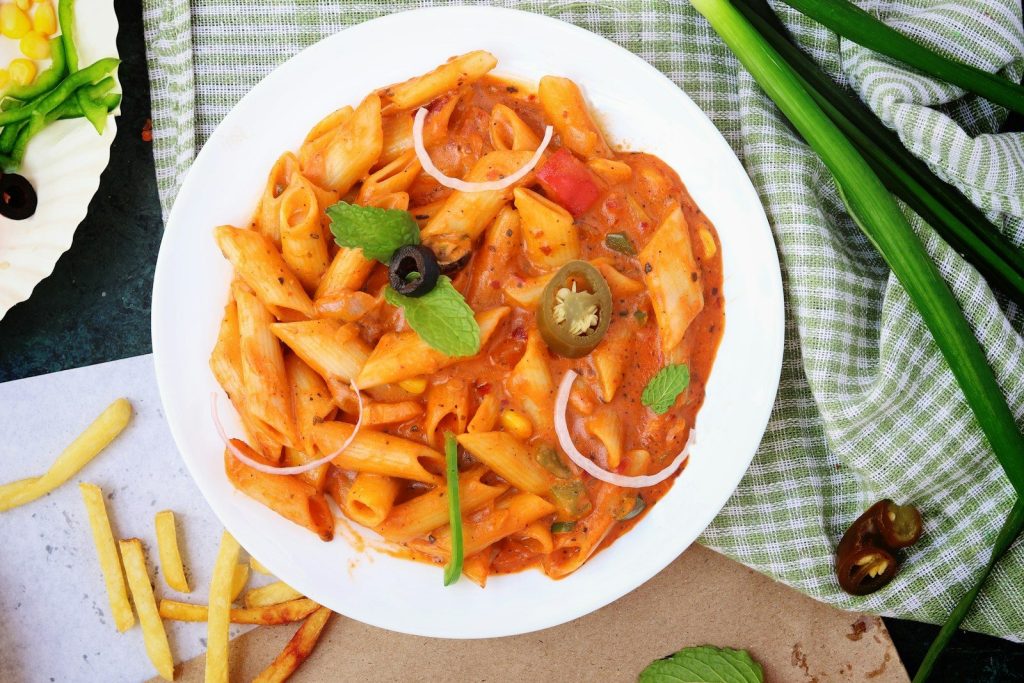
One key trick is starting your sauce and pasta together so the noodles absorb seasoning from the very beginning instead of being mixed in later for a deeper, more consistent taste.
This layering effect helps flavors develop as the pasta cooks, giving you a more balanced dish without relying on heavy seasoning at the end,d which keeps everything naturally well blended.
The Skillet Trick For Creamier Texture
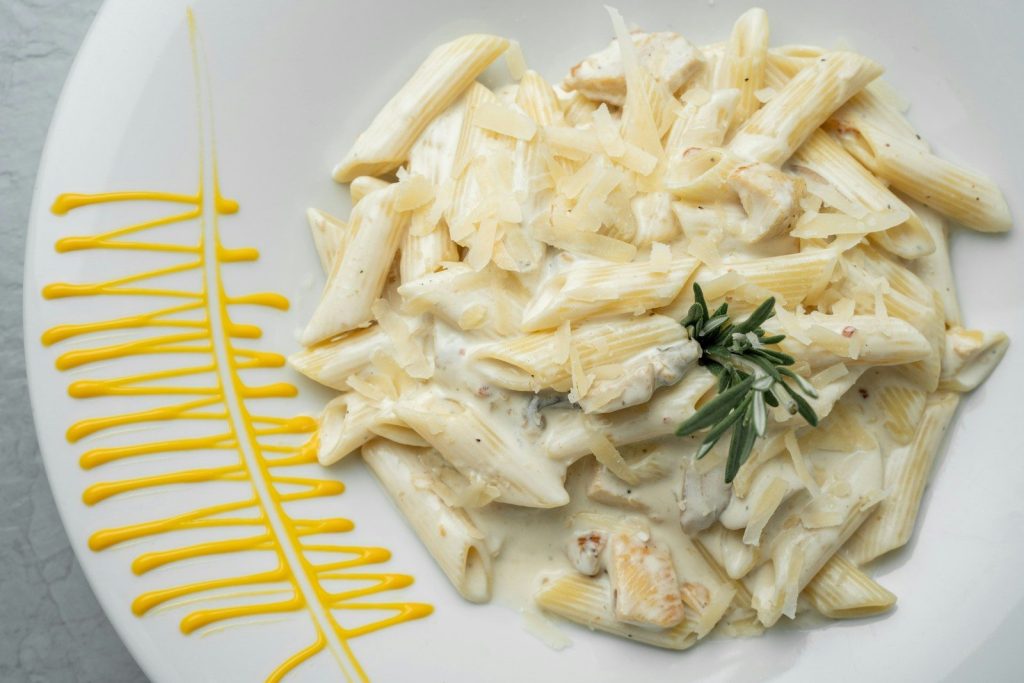
A wide skillet gives pasta more surface contact with sauce, helping it cook evenly while reducing the need for constant stirring or excess water throughout the cooking process.
That contact creates a smoother, almost restaurant-style texture because the sauce and starch emulsify naturally inside the pan as it simmers, resulting in a richer, creamier, and more unified flavor base.
Control Liquid Levels For Better Absorption
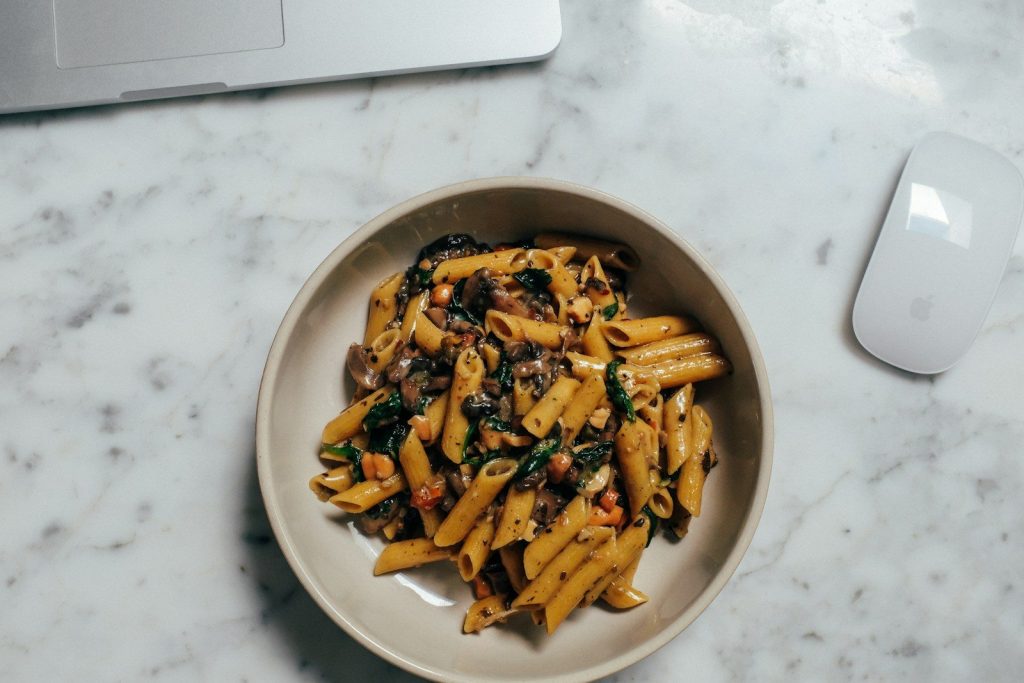
Instead of drowning pasta in water, this approach uses just enough liquid to cook the noodles while leaving room for the sauce to concentrate and intensify as it reduces naturally.
This balance keeps everything flavorful and prevents the final dish from becoming watery or bland, especially when using thicker sauces or fresh ingredients, which improves overall taste and texture.
Upgrade Everyday Pasta With One Simple Shift
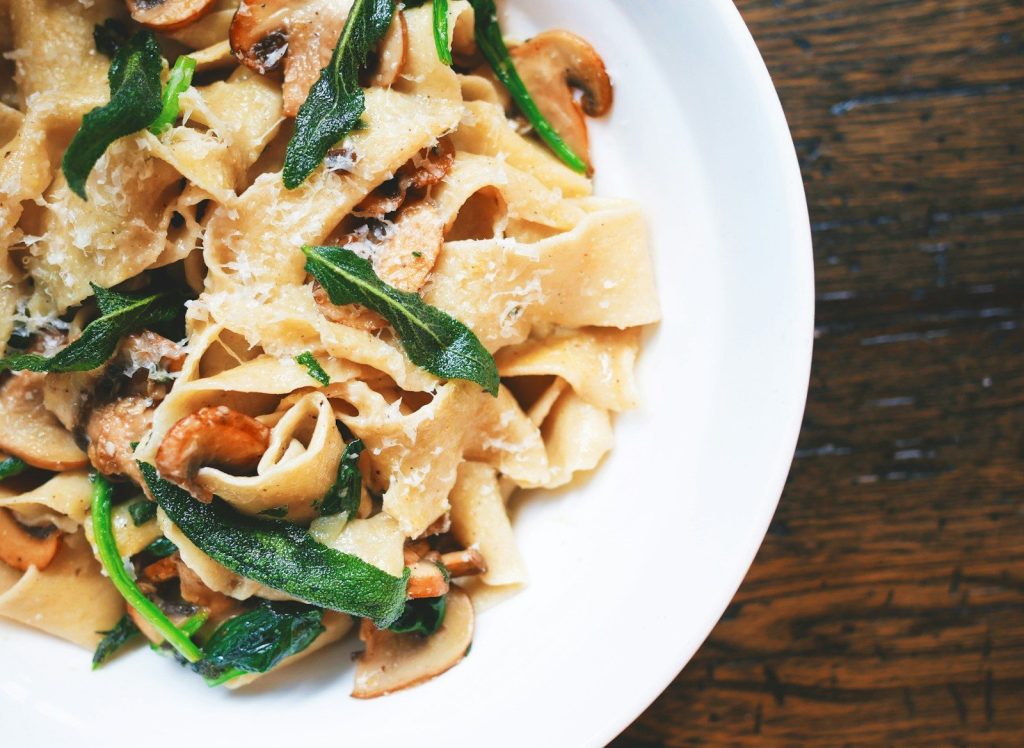
This simple shift in cooking style turns basic pasta into something richer and more satisfying without needing fancy ingredients or complicated steps in the kitchen for everyday home cooking.
The real win is how it brings out more flavor from the same ingredients you already use, making weeknight meals feel a little more special without always needing extra effort.