

Your entryway has only a few seconds to make an impression, yet it is often the most overlooked spot in the house. Surprisingly, many smart decorating ideas from the late 1950s solved problems homeowners still face today, from cramped layouts to cluttered entrances.
These timeless tricks are easy to adapt with modern furniture and finishes. Whether your front door opens into a grand foyer or a tiny corner, these practical hacks can instantly create a warmer welcome while making the entire home feel more polished.
Make Your Entry Feel Like a Real Room
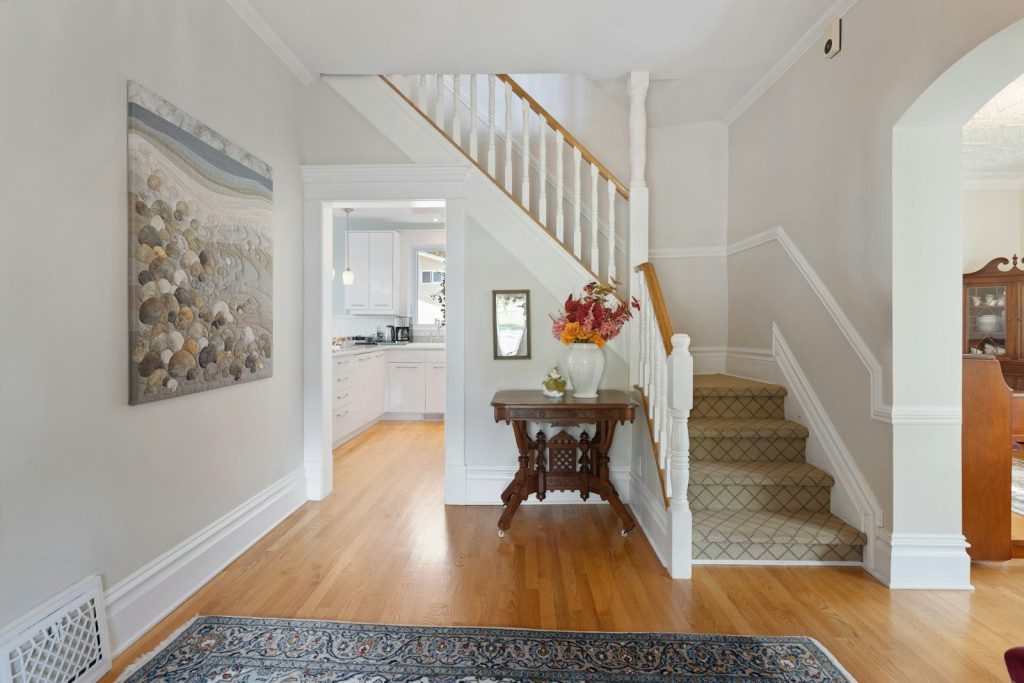
Treat the entrance as more than a hallway. Adding artwork, a console, or a statement mirror gives the space its own identity instead of feeling like an afterthought.
When guests pause for a moment instead of rushing through, the rest of your home instantly feels more intentional and inviting without requiring a major renovation.
Use Mirrors to Fake Extra Space
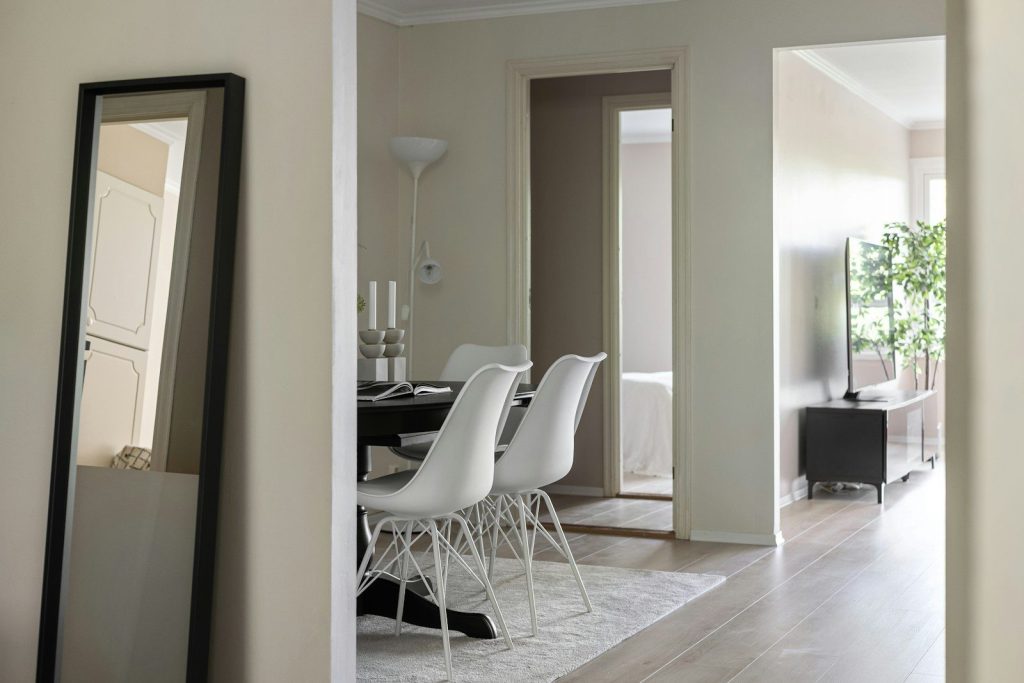
A well placed mirror reflects light and visually stretches even the smallest entry. This classic trick has remained popular because it works in almost every layout.
Pair the mirror with light colored walls and simple flooring to create an airy feeling that makes narrow entrances seem much larger than they really are.
Let the Floor Do the Talking
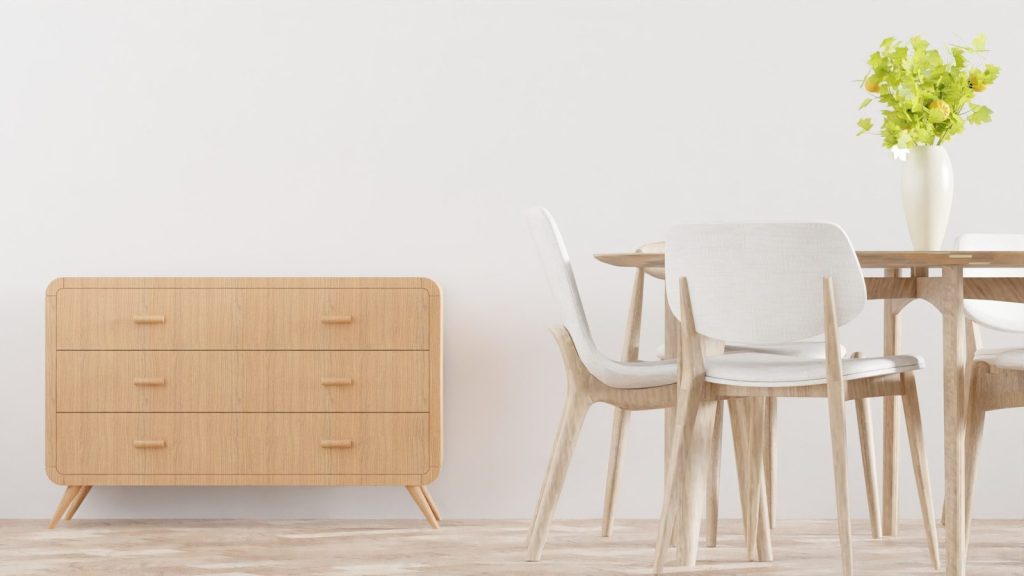
Instead of filling the area with decorations, create interest through flooring. Bold tile patterns or contrasting materials naturally draw attention from the moment someone steps inside.
Keeping furniture simple allows the floor to become the feature while making everyday cleaning easier and maintaining an uncluttered appearance.
Pick One Color and Stick With It
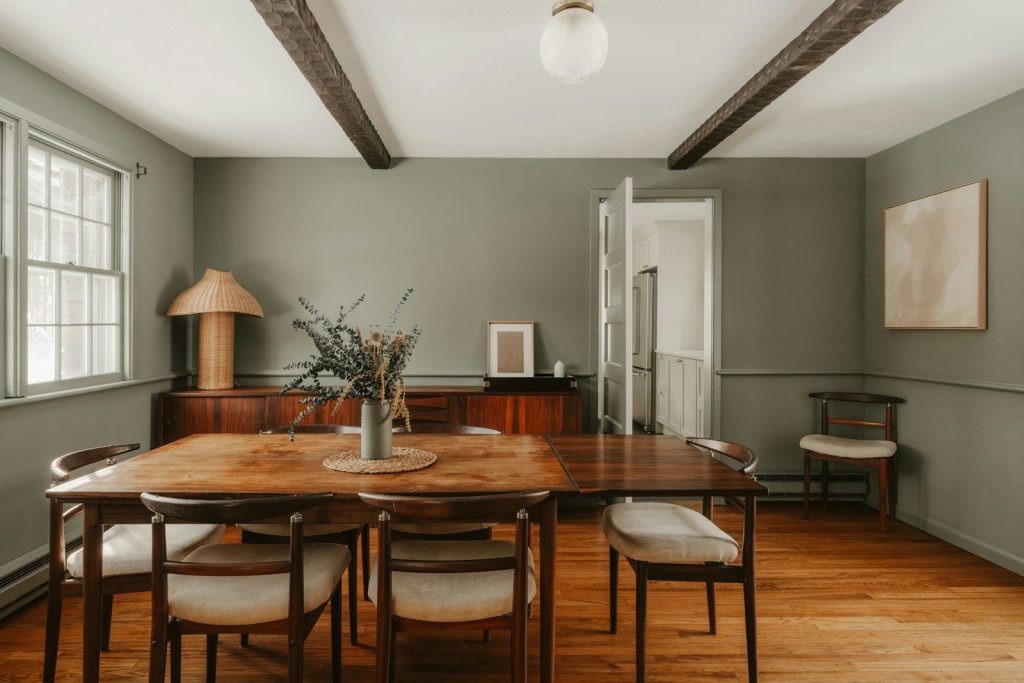
Limiting the entry to one dominant color creates a cleaner and more memorable first impression. Texture can provide variety without making the space feel busy.
Mix painted walls with rugs, wood, leather, or fabric in similar shades for depth while keeping everything visually connected.
Turn Small Spaces Into Double Duty Areas
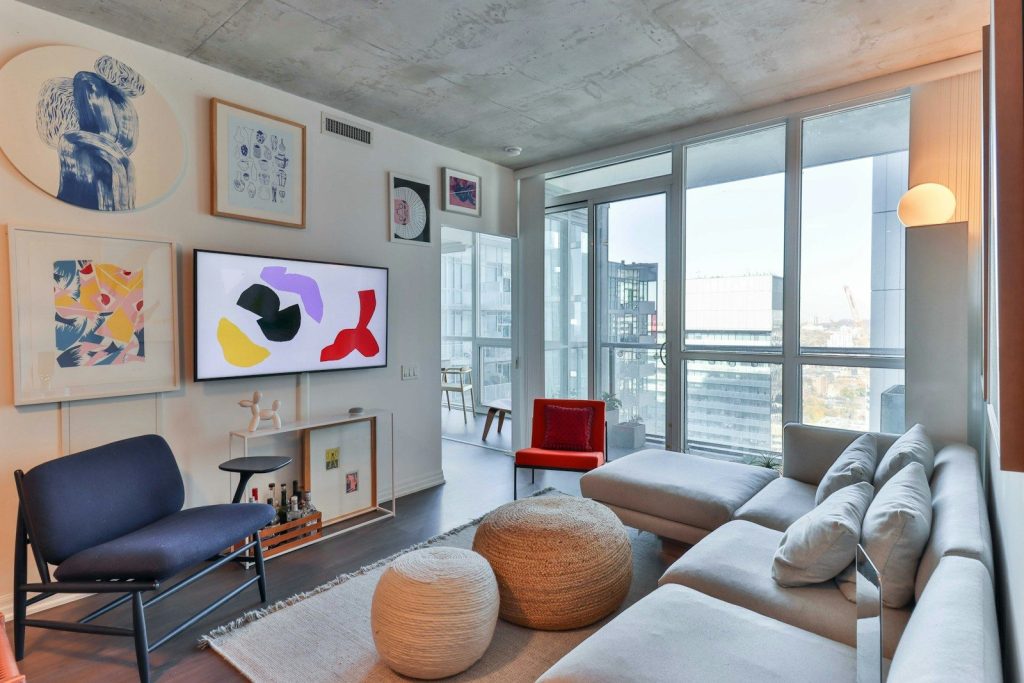
If your entrance is larger than expected, give it another purpose. A reading corner, compact gallery wall, or hidden storage can make every square foot work harder.
Even apartments can borrow this idea by using folding furniture that disappears when extra space is needed.
Divide Without Building Walls
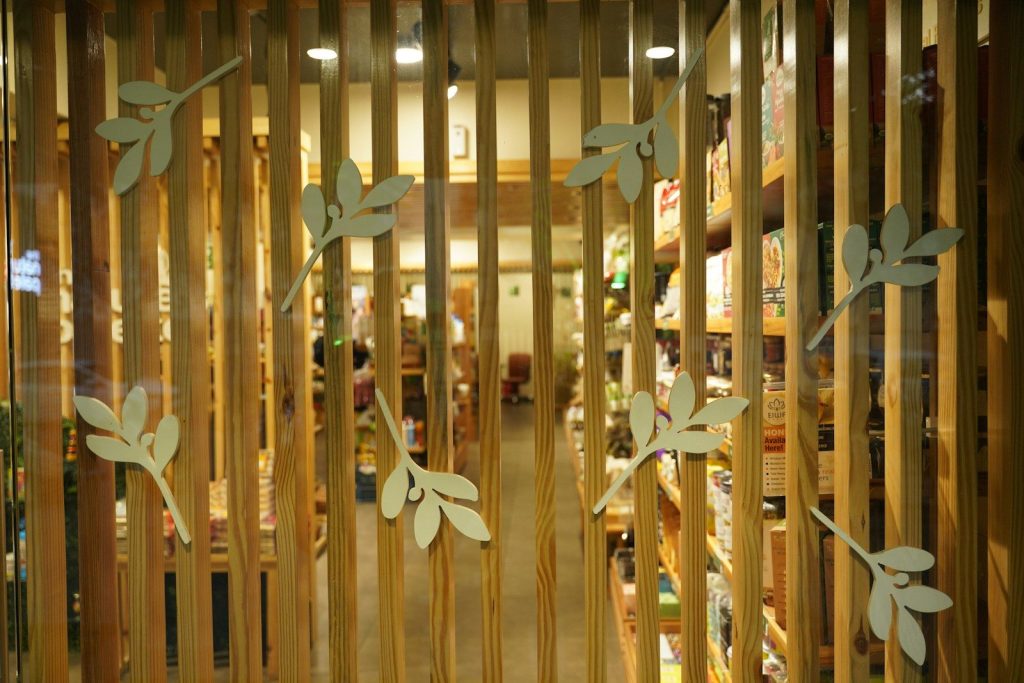
Open layouts sometimes leave the front door exposed. A decorative divider, shelving unit, or plant screen creates separation while preserving an open feel.
This simple adjustment adds privacy, improves organization, and helps define the entry without expensive remodeling.
Plan the Welcome From the Door In
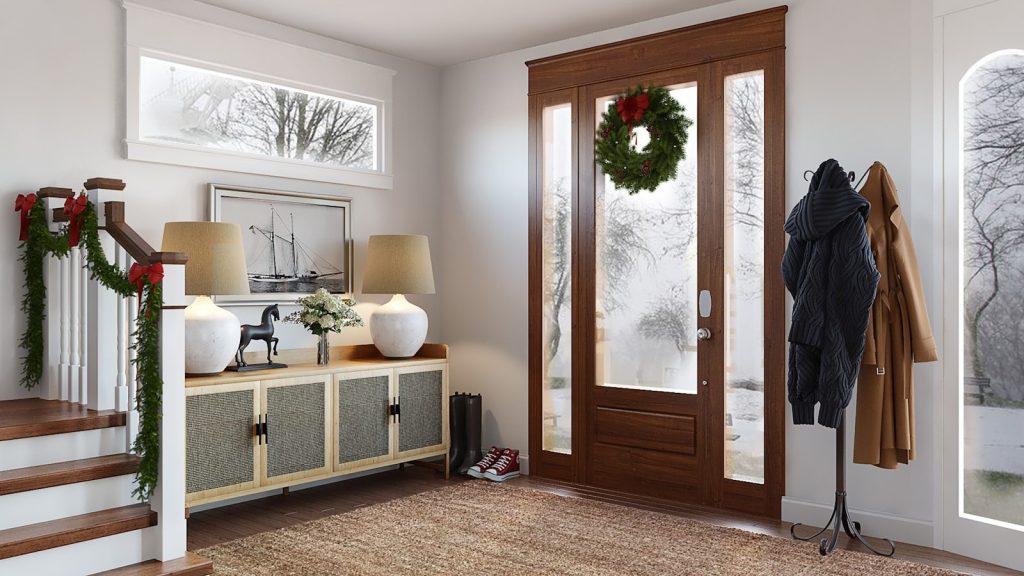
Think about what someone notices the second the door opens. Lighting, artwork, storage, and clear walking paths should all guide the eye naturally into the home.
A thoughtful entrance creates a smoother transition, reduces visual clutter, and quietly sets the tone for every room that follows.
Featured Image: By Spacejoy on Unsplash