

Spam calls have evolved far beyond obvious robocalls. Today’s scammers can spoof local numbers, imitate banks, delivery companies, and even government agencies. The good news is that you don’t need to answer every unknown call or download a dozen apps to stay ahead. These eight clever hacks use features and habits many people overlook, helping you cut down on unwanted calls without making your phone harder to use.
Let Unknown Numbers Earn Your Attention
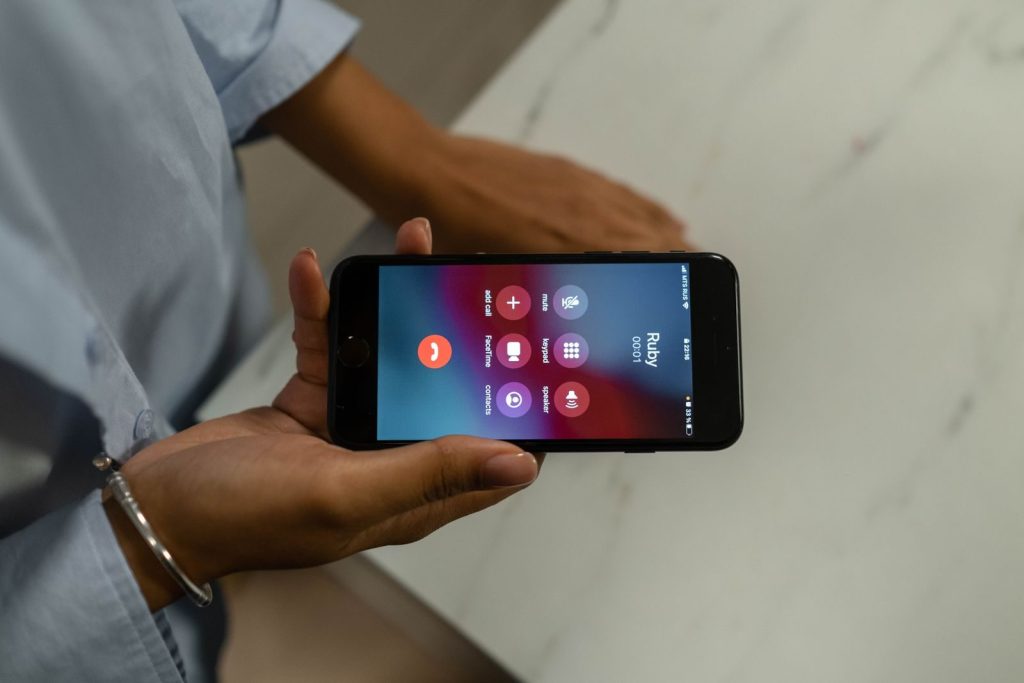
If you don’t recognize the number, let it go to voicemail. Legitimate callers usually leave a message, while many spam callers simply hang up and move on. This one habit alone can dramatically reduce the number of conversations you have with scammers.
Save The Numbers You Actually Expect
Hospitals, schools, pharmacies, contractors, and delivery services often call from different numbers. Saving frequently used contacts makes it easier to ignore unfamiliar calls without worrying about missing something important.
Use Your Carrier’s Spam Protection Before Downloading Another App

Many people don’t realise their mobile carrier already offers free spam detection tools. Before filling your phone with third-party apps, check whether your carrier provides built-in caller identification or spam filtering through its own service.
Stop Sharing Your Main Number Everywhere

Discount programs, giveaways, online quizzes, and shopping sites often ask for your phone number when they don’t really need it. Before typing it in, ask yourself if it’s essential. The fewer places your number appears, the fewer opportunities it has to spread through marketing databases.
Report Spam Instead Of Just Blocking It

Blocking one number solves today’s problem. Reporting spam helps improve detection systems used by phone manufacturers and mobile carriers, making similar calls easier to identify in the future.
Review Which Apps Can Access Your Contacts
Some apps request access to your contacts even when it’s unrelated to their purpose. Spending a few minutes reviewing permissions every few months helps limit unnecessary access to your personal information.
Keep Your Phone Updated Even If It Feels Boring
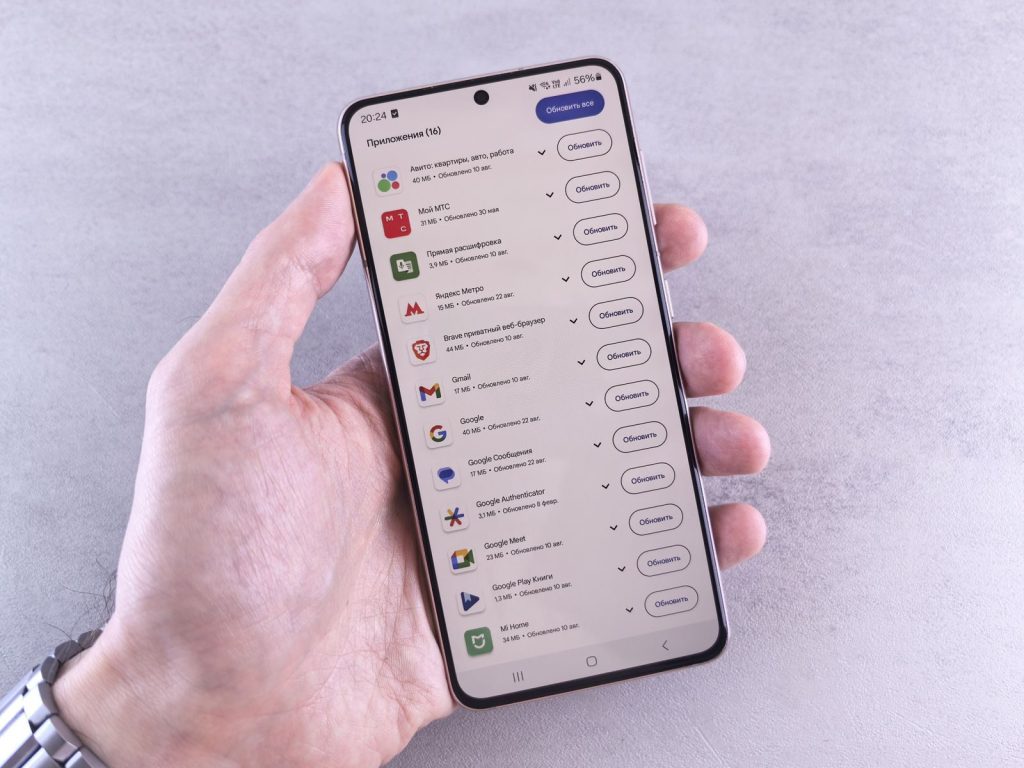
Software updates often improve built-in spam detection and security protections alongside bug fixes. Delaying updates means missing improvements designed to protect you from newer scam techniques.
Remember That Caller ID Isn’t Proof
One of the biggest tricks scammers use is number spoofing, making a call appear to come from a trusted organization or even a local number. If someone claims to be from your bank, utility company, or a government office and asks for personal information, end the call and contact the organization using the official number listed on its website or paperwork.
Smart Habits Beat Smart Scammers

Spam callers keep changing their tactics, but staying one step ahead doesn’t require complicated technology. Letting unknown callers leave voicemail, protecting where your phone number is shared, reviewing privacy settings, and remembering that caller ID can be faked all work together to reduce your chances of falling for unwanted calls. Sometimes the smartest hack is simply slowing down before answering.