

Sourdough has quietly become one of the most talked-about foods in kitchens, bakeries, and wellness circles. While many people reach for it because of the flavor, there are a few surprising advantages hiding behind that crusty loaf. The real story is not about bread itself. It is about how a centuries-old process may help you get more from the foods you already enjoy.
What makes sourdough interesting is that it turns an everyday staple into something that works a little smarter. From digestion tricks to energy-friendly eating habits, there are practical takeaways that go far beyond making a sandwich. Here are eight clever ways to make the most of what sourdough brings to the table.
The Fermentation Advantage

One of the smartest things about sourdough happens long before it reaches your plate. The natural fermentation process changes the dough over time, creating a loaf that many people find gentler than standard bread options.
That means your first shortcut is simple. If regular bread tends to leave you feeling heavy or uncomfortable, switching to a traditionally fermented loaf may offer a noticeably different experience. The longer preparation does some of the work before you ever take a bite.
A Smarter Way to Avoid the Afternoon Crash
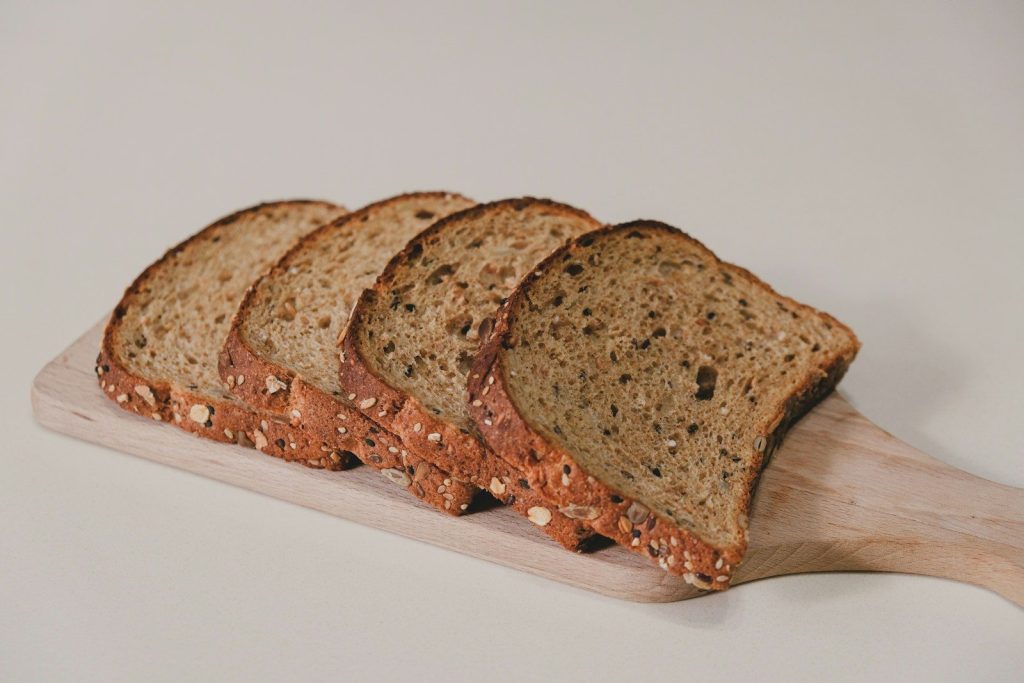
Many people blame busy schedules for their energy dips, but the type of bread on your plate can play a role, too. Sourdough’s fermentation process helps slow down how quickly certain carbohydrates are absorbed.
The practical takeaway is to use sourdough when you want steadier energy from breakfast or lunch. Pairing it with protein-rich toppings can make that effect even more useful during long workdays or busy afternoons.
Getting More From the Nutrients You Eat
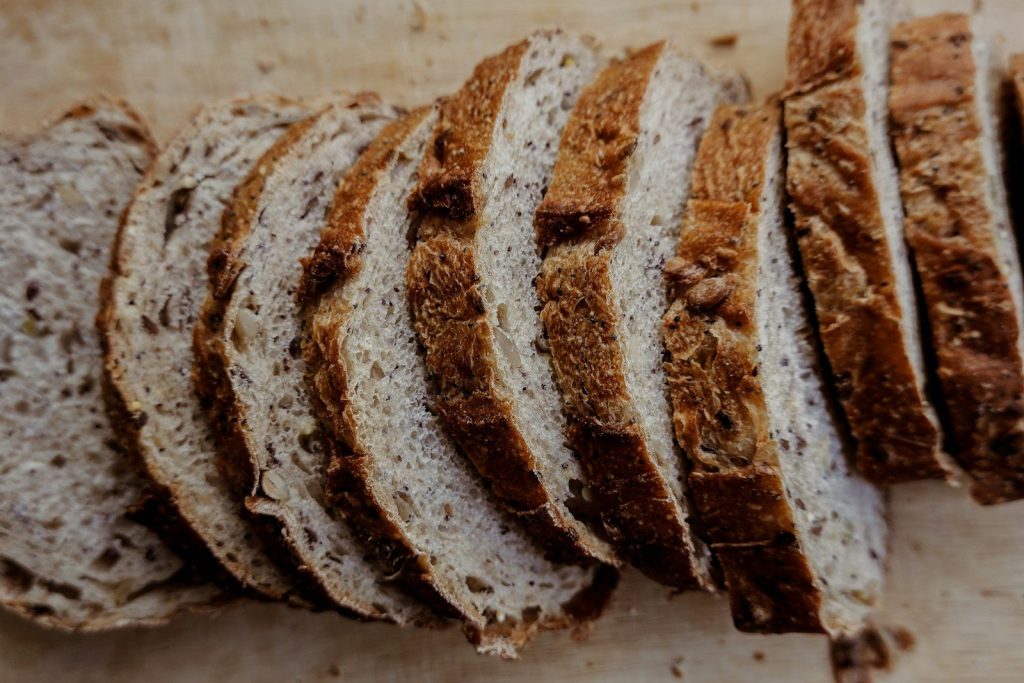
A surprising benefit of sourdough is that it may help unlock minerals that are naturally present in grains. Certain compounds that can interfere with mineral absorption are reduced during fermentation.
For everyday eaters, this creates a simple strategy. Choosing well-fermented bread may help you get more value from the ingredients already inside the loaf without changing the rest of your routine.
The Label Detail Most Shoppers Miss
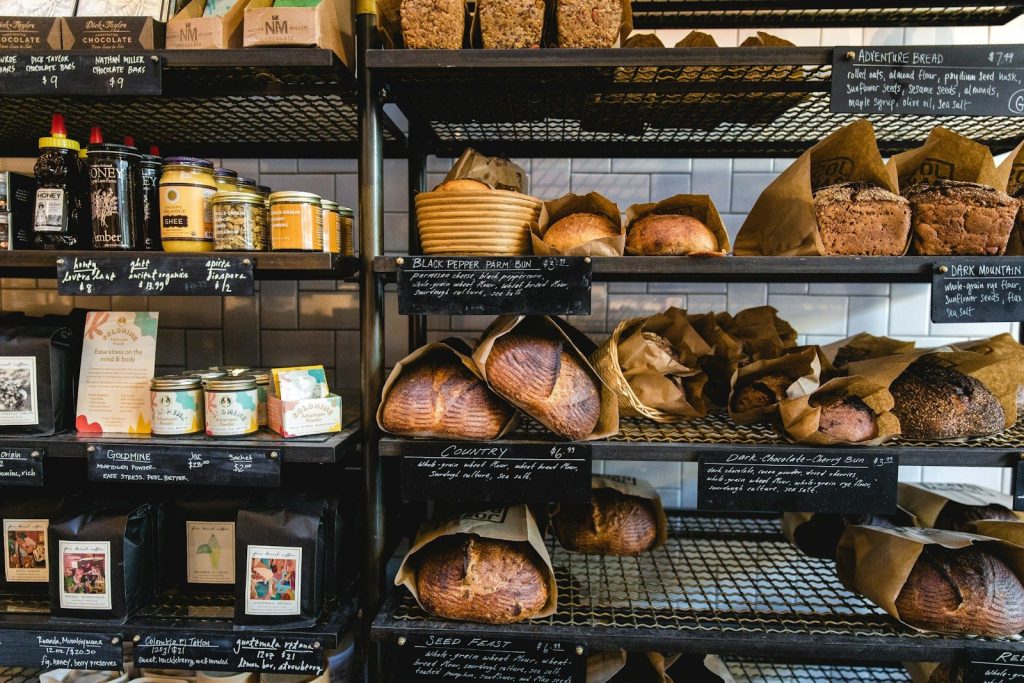
Not every loaf labeled sourdough delivers the same experience. Some products use shortcuts that mimic flavor without relying on the lengthy fermentation process that gives sourdough its distinctive qualities.
A useful shopping habit is checking ingredient lists and bakery descriptions before buying. Bread made with a genuine starter and longer fermentation often provides the characteristics people are actually looking for.
An Easy Upgrade for Better Bread Choices
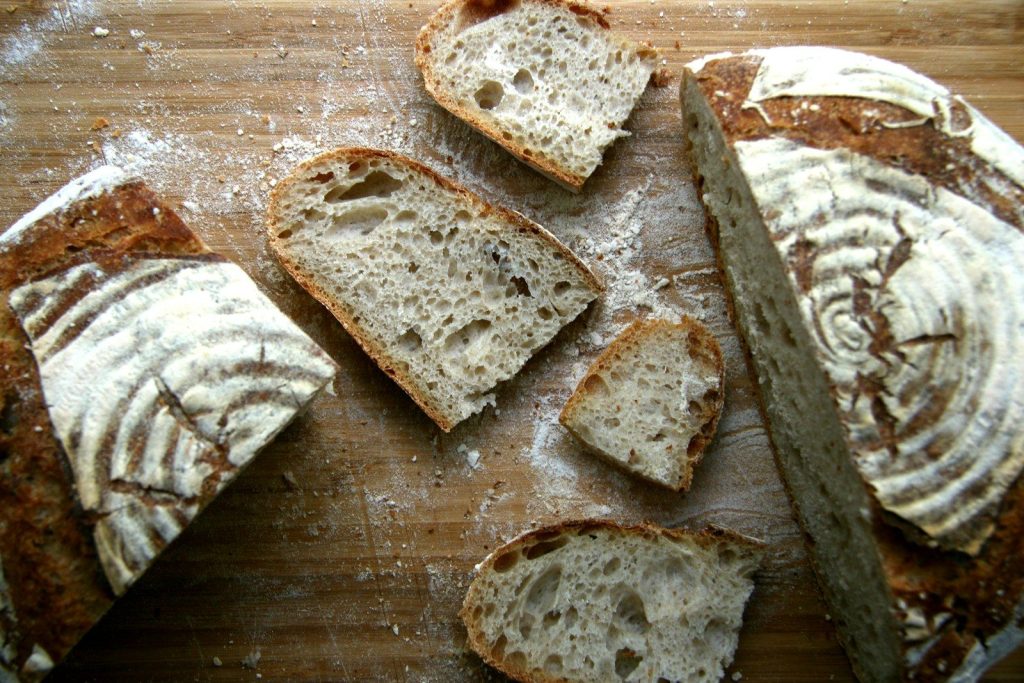
Sourdough becomes even more interesting when whole grains enter the picture. Combining fermentation with whole-grain ingredients creates a bread that can offer additional fiber and nutrients.
Instead of choosing between flavor and nutrition, look for whole-grain sourdough varieties. This simple switch can transform an ordinary sandwich into something that works harder for your overall eating habits.
Why Some People Keep Coming Back to It

Ask frequent sourdough fans why they stick with it, and many point to more than health goals. The texture, flavor, and satisfaction factor often make it easier to enjoy meals without feeling like you’re settling for a compromise.
That creates a useful mindset shift. Enjoyable foods are often easier to make part of a long-term routine, which can be more valuable than chasing short-lived trends.
Small Pairing Tricks That Go a Long Way

The bread itself matters, but what goes on top can make a noticeable difference. Pairing sourdough with protein, healthy fats, or vegetables can create a more balanced meal experience.
Think avocado, eggs, nut butter, or lean proteins instead of relying solely on sugary spreads. Small combinations like these can help turn a simple slice into a more satisfying option.
The Quality Rule That Changes Everything
Perhaps the most useful insight is that sourdough is not automatically a magic food. The biggest benefits tend to appear when the bread is made well and fits into an overall balanced eating pattern.
Instead of focusing on quantity, focus on quality. A thoughtfully made loaf enjoyed regularly may deliver more value than chasing highly processed alternatives that simply wear a healthier label.