

Spending time in the woods can be both relaxing and exciting, but even experienced hikers know that preparation makes all the difference. A few practical skills can help you stay comfortable while reducing unnecessary risks.
Whether you are heading out for a short hike or a weekend camping trip, understanding simple outdoor techniques can improve your confidence. These smart forest tips focus on safety, awareness, and making the most of your time in nature.
Plan Before You Enter the Woods
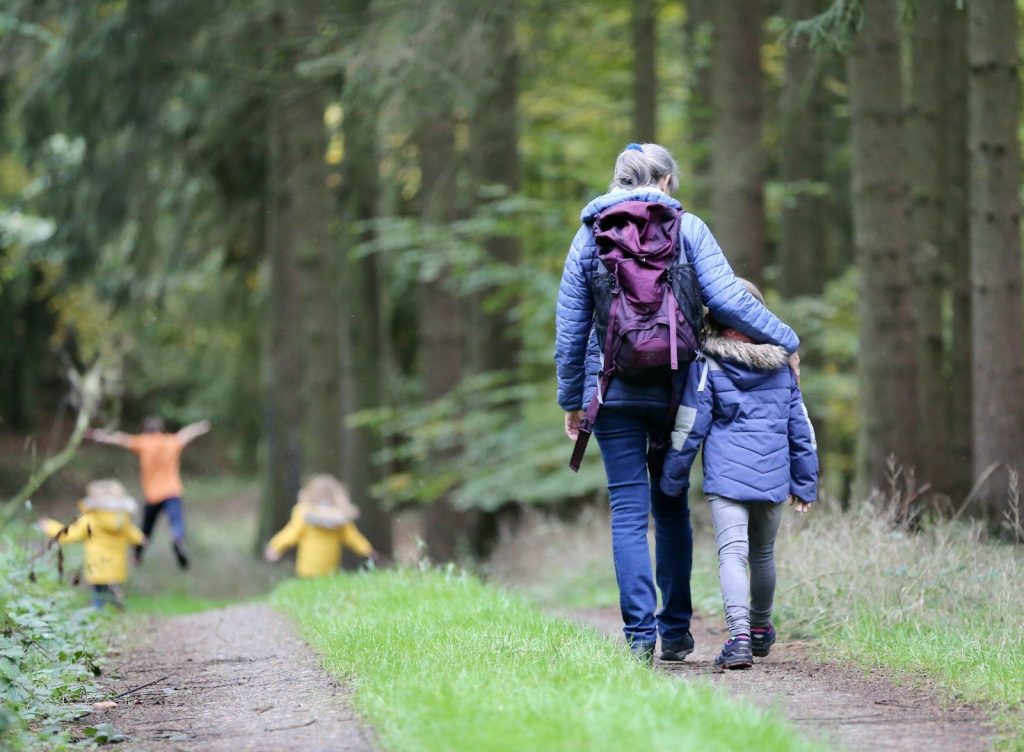
Every successful outdoor trip starts before you leave home. Check the weather forecast, study the trail map, and let someone know where you are going and when you expect to return.
Bringing the right gear is just as important as choosing the right destination. A little planning can prevent many common outdoor problems.
Stay on Marked Trails
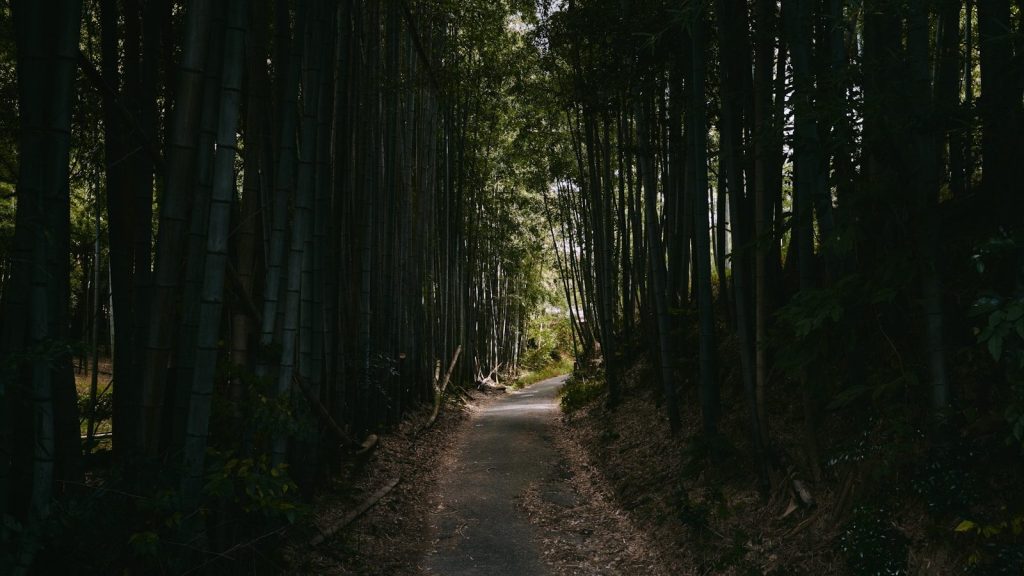
Marked trails are designed to help visitors travel safely while protecting natural habitats. Wandering off the path increases the chances of getting lost or encountering hazardous terrain.
Following established routes also makes it easier for rescuers to locate you if an emergency occurs. Staying on the trail benefits both you and the environment.
Pack More Water Than You Think You Need

Hydration becomes especially important during long hikes or warm weather. Carrying enough water helps maintain energy and reduces the risk of dehydration.
If your trip is extended, bring a safe water filtration method instead of relying on untreated natural water sources. Preparation is always better than guessing.
Dress for Changing Conditions
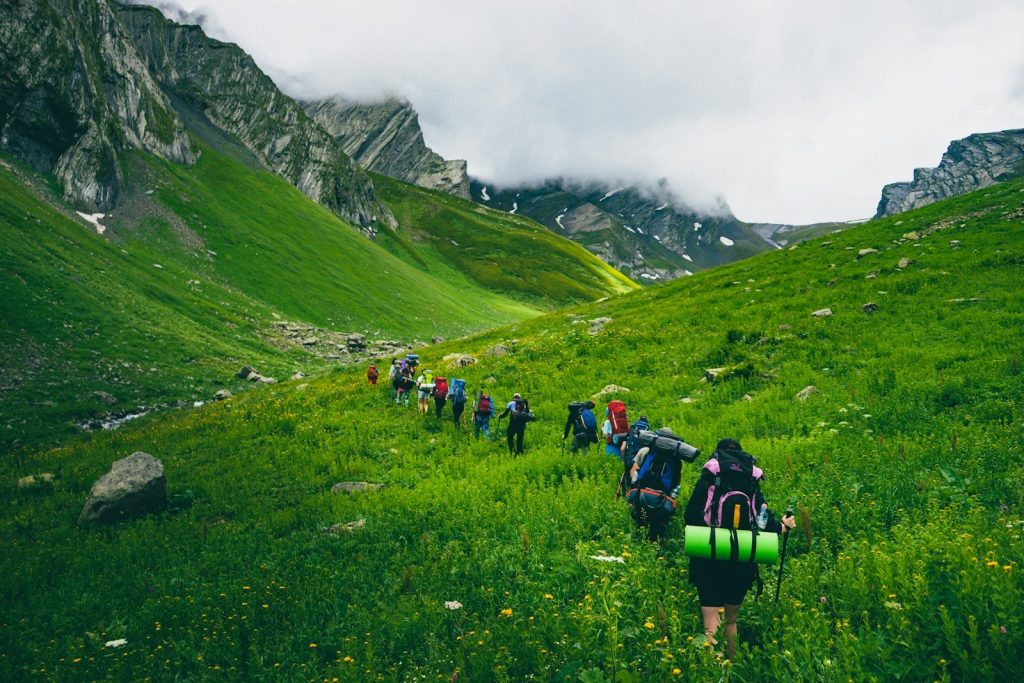
Forest temperatures can shift throughout the day, even during mild seasons. Wearing lightweight layers allows you to adjust your clothing as conditions change.
Comfortable hiking shoes with good traction also reduce the risk of slips on uneven or wet ground. Proper footwear is one of the best investments for outdoor adventures.
Learn Basic Navigation Skills

Technology is useful, but phone batteries can drain quickly in remote areas. Carrying a paper map and compass provides reliable backup if electronic devices fail.
Understanding basic navigation techniques adds confidence during every trip. Even simple knowledge can make a big difference if conditions change unexpectedly.
Respect Wildlife From a Distance
Observing animals in their natural habitat is one of the highlights of spending time outdoors. However, keeping a safe distance protects both wildlife and visitors.
Avoid feeding wild animals or approaching them for photos. Respecting their space helps preserve natural behavior and reduces potential conflicts.
Leave Nature Better Than You Found It
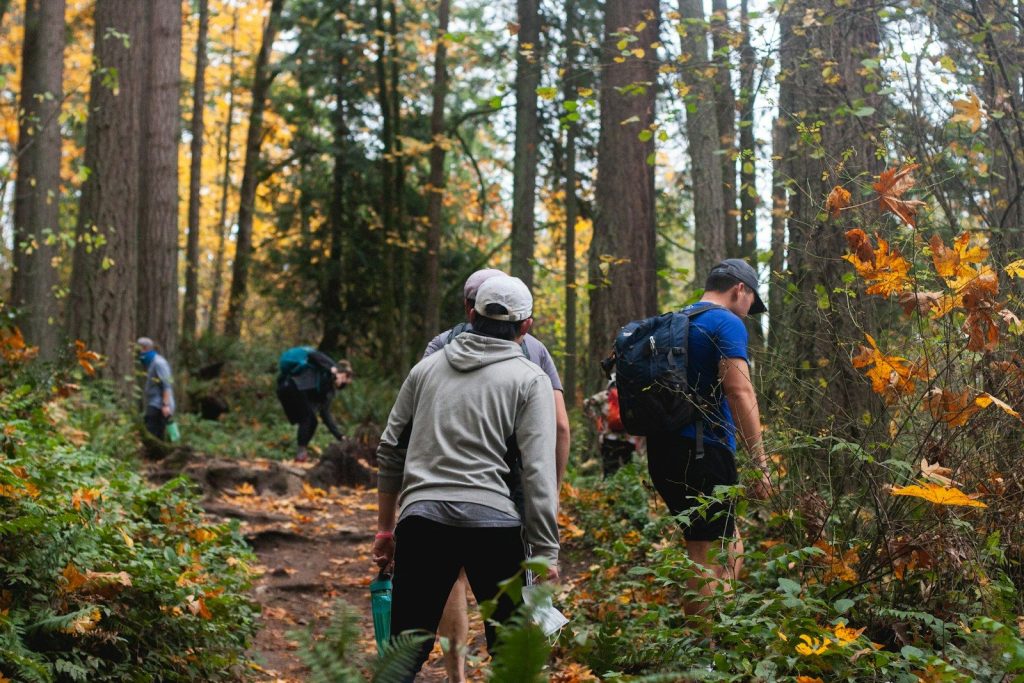
Pack out all trash, stay on designated paths, and avoid disturbing plants or wildlife. Small actions from every visitor help keep forests healthy for future generations.
Practicing responsible outdoor habits ensures that beautiful natural spaces remain enjoyable for everyone who visits after you.
Carry a Small Emergency Kit

A compact emergency kit can make unexpected situations much easier to manage. Include basic first aid supplies, a flashlight, extra batteries, a whistle, and a multipurpose tool.
You may never need these items, but having them available provides valuable peace of mind. Being prepared is one of the smartest habits any outdoor enthusiast can develop.
The best forest adventures combine curiosity with preparation. By learning a few practical skills and respecting the natural environment, you can enjoy every trip with greater confidence while helping keep both yourself and the wilderness safe.