

Some foods naturally contain more histamine than others, but that does not mean everyone needs to avoid them. The real trick is knowing which everyday habits may quietly increase your histamine intake and when a few simple changes could make meals feel easier on your body.
If certain foods seem to leave you feeling uncomfortable, these practical hacks can help you shop, cook, and store meals more thoughtfully. Small adjustments often make a bigger difference than a complete pantry makeover.
Keep Fresh Foods at the Top of Your List
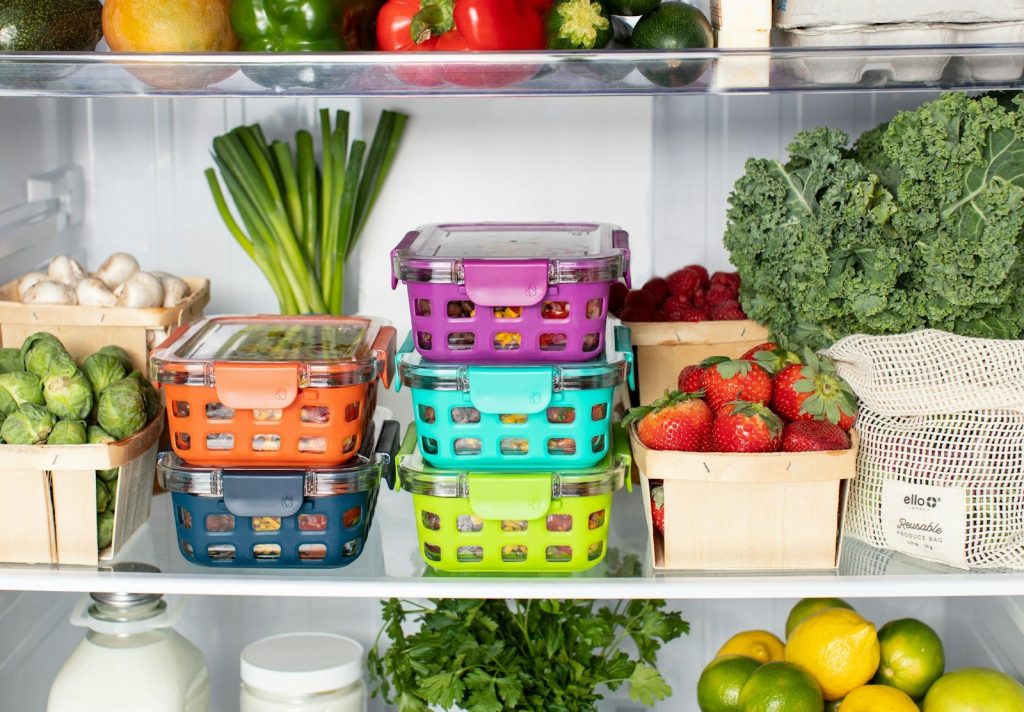
Fresh ingredients are often the easiest starting point if you are trying to lower histamine exposure. Recently prepared meats, vegetables, and many fruits tend to be better choices than foods that have been sitting around for days.
Instead of stocking up on large batches, buy smaller amounts more often when possible. That simple habit helps reduce the time food spends aging before it reaches your plate.
Freeze Leftovers Instead of Saving Them
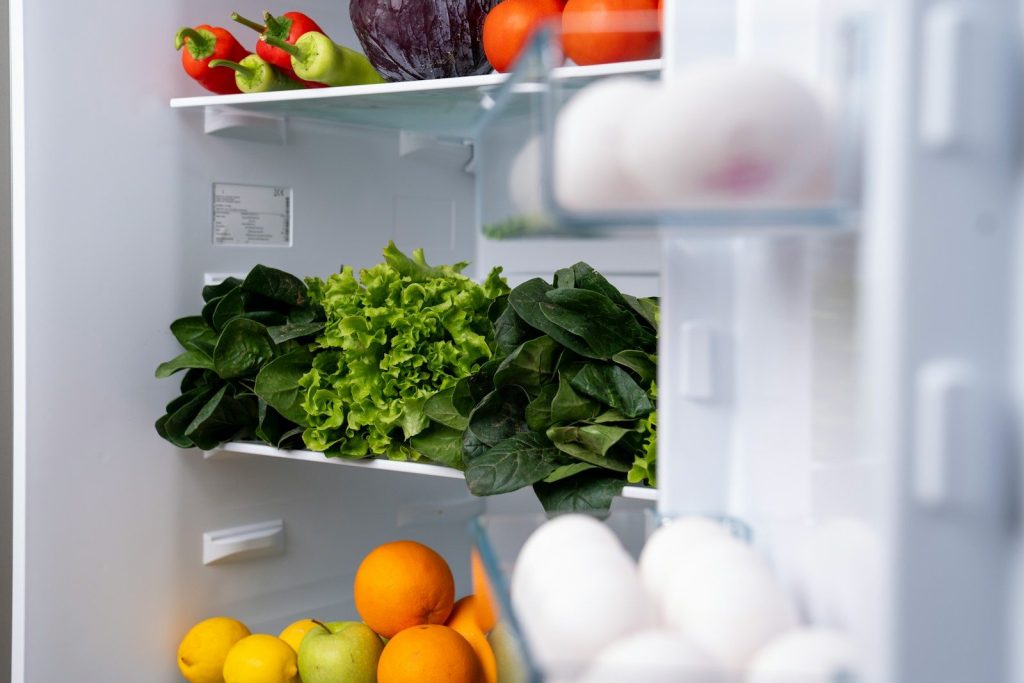
One overlooked kitchen trick is freezing leftovers soon after they cool. Histamine levels can continue rising as food ages, even while stored in the refrigerator.
Portion meals before freezing so you only thaw what you need. This shortcut reduces waste while helping meals stay closer to their original freshness.
Be Selective With Processed Favorites
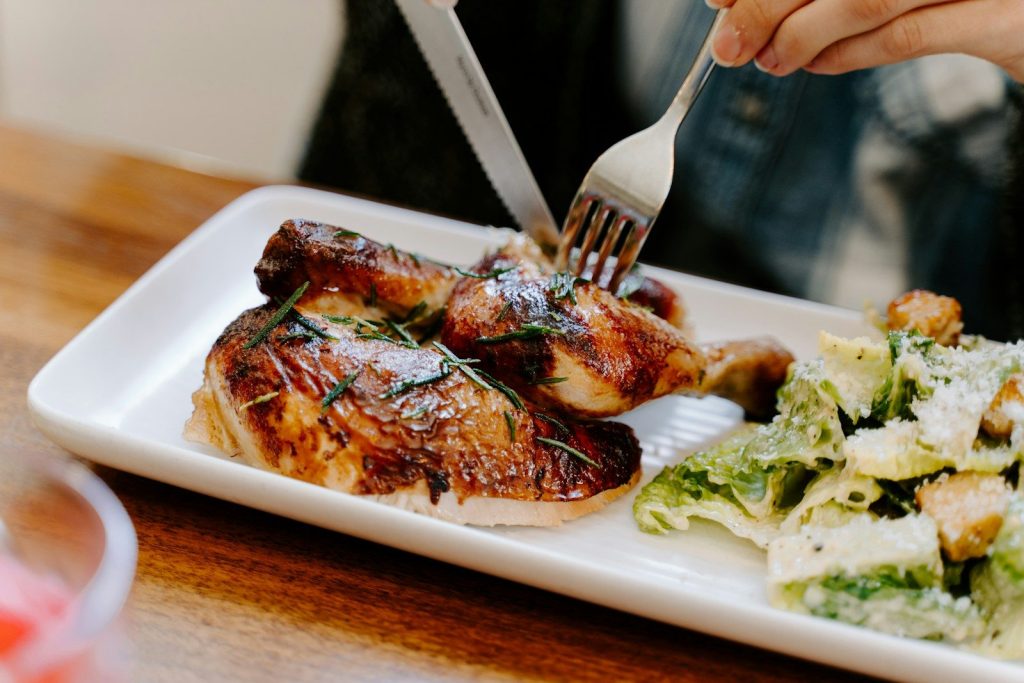
Processed meats, cured products, and heavily preserved foods are common sources of higher histamine levels. They are convenient, but frequent servings may not work well for sensitive people.
Try replacing them with freshly cooked chicken, turkey, or other simple proteins during the week. Even alternating between fresh and processed choices can be a useful habit.
Watch for Aged and Fermented Foods
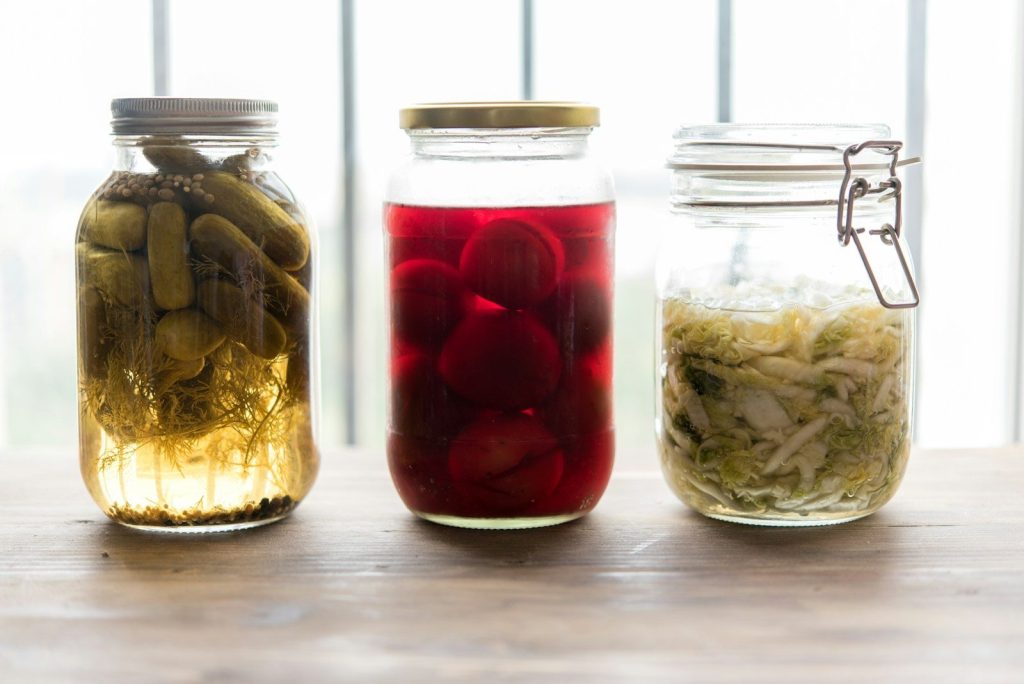
Foods that improve with age are often exactly the ones that build more histamine over time. Think aged cheeses, fermented vegetables, and similar pantry staples.
You do not always have to eliminate them forever. Paying attention to how often you eat them can reveal patterns that are easy to miss.
Rethink How You Cook Your Meals
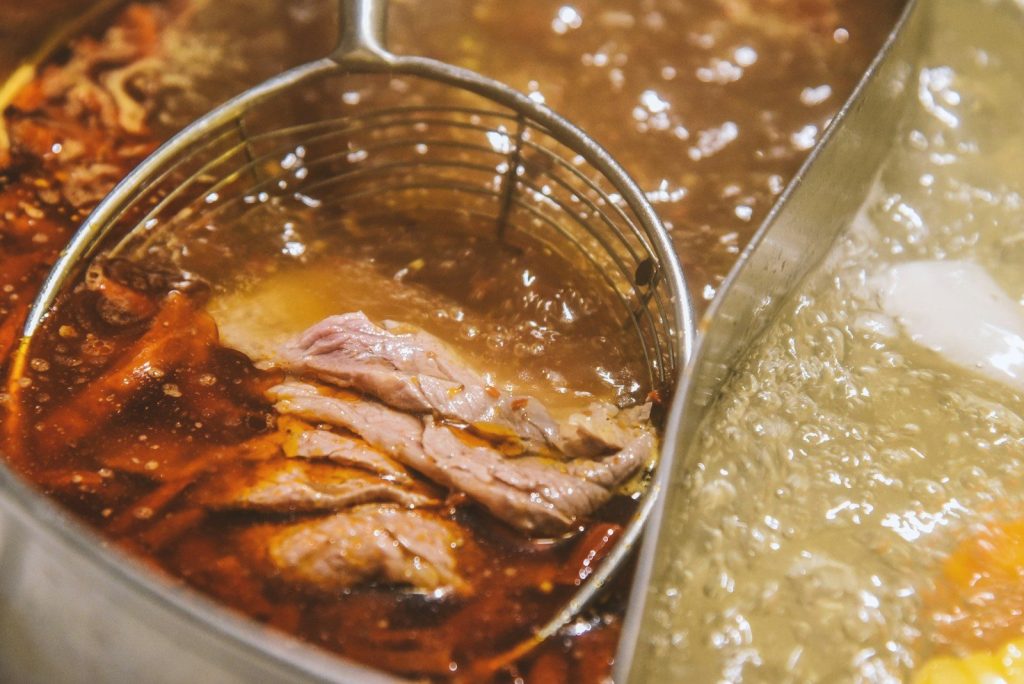
Cooking methods can also play a role. Research suggests grilling and frying certain meats may result in higher histamine levels than gentler cooking methods.
Boiling, steaming, or lightly baking meals may be worthwhile options if you are experimenting with ways to reduce symptoms while keeping meals satisfying.
Build Meals Around Simple Staples
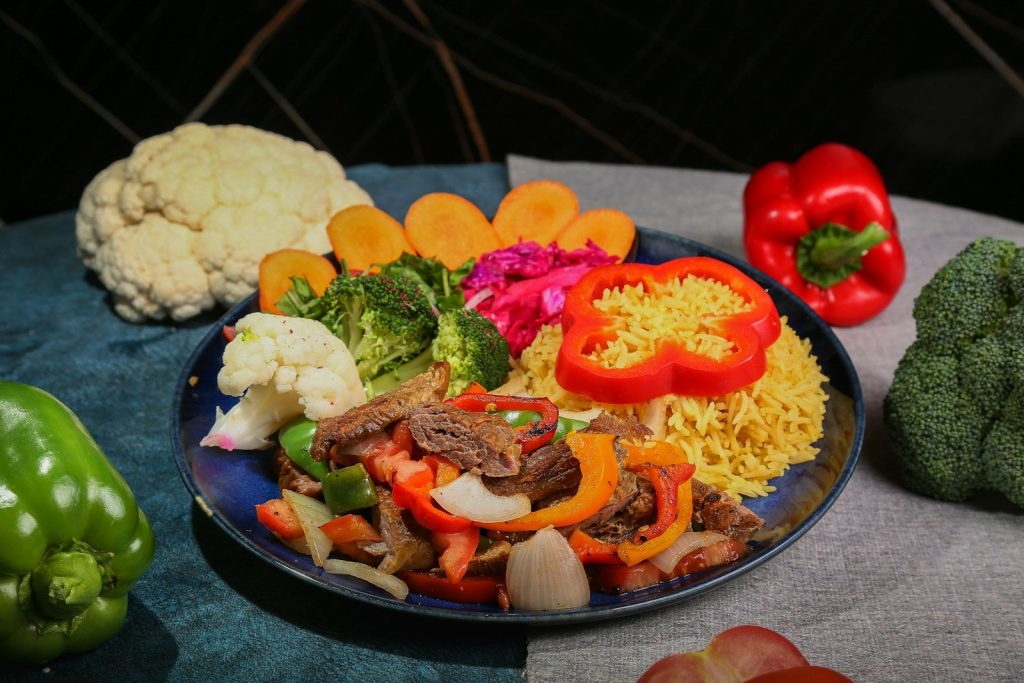
Instead of focusing on everything to avoid, start with foods that are commonly well tolerated. Fresh meats, many vegetables, rice, and gluten free oats can provide a flexible foundation.
Keeping everyday meals uncomplicated also makes it easier to notice whether a specific ingredient seems to cause problems later.
Ease Back Into Foods Slowly
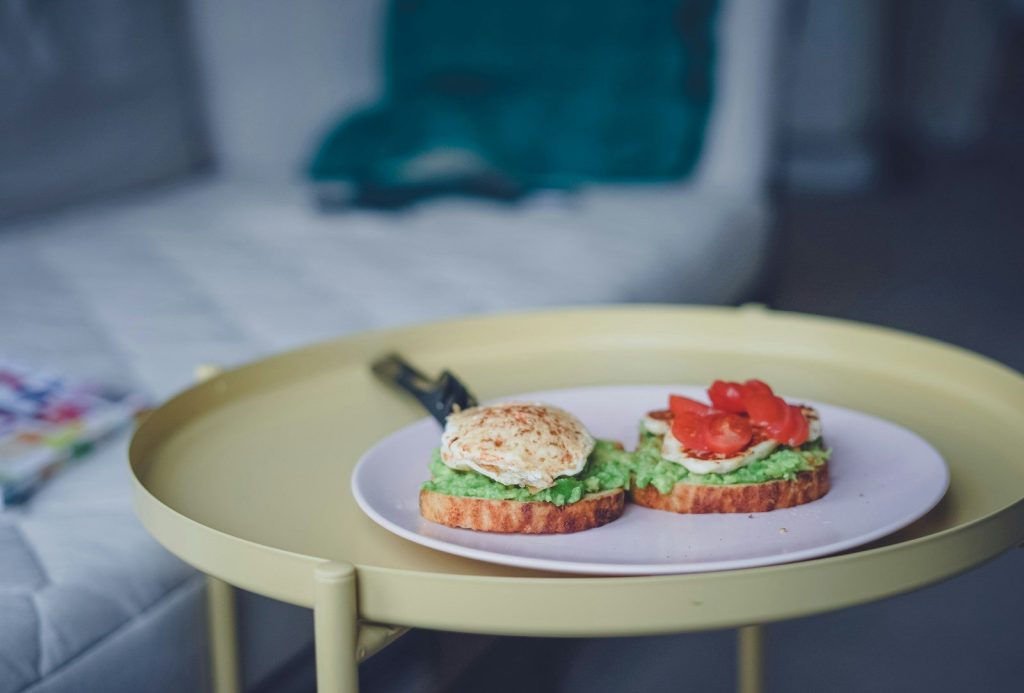
If you and your healthcare provider decide to try a lower histamine approach, avoid rushing to permanent restrictions. Many experts recommend reintroducing foods gradually after symptoms improve.
That careful process helps identify personal triggers while keeping your diet as varied and enjoyable as possible over the long term.
Featured Image: By Brooke Lark on Unsplash