

Fresh fruits and vegetables deserve a place on your plate, but a few smarter habits can make a big difference when foodborne illness makes headlines. Small kitchen tweaks often provide more protection than dramatic diet changes.
These practical hacks help you shop, prep, and serve produce with more confidence. Instead of avoiding healthy foods altogether, use these simple tips to build safer routines every time you cook.
Wash Every Piece Like It Matters
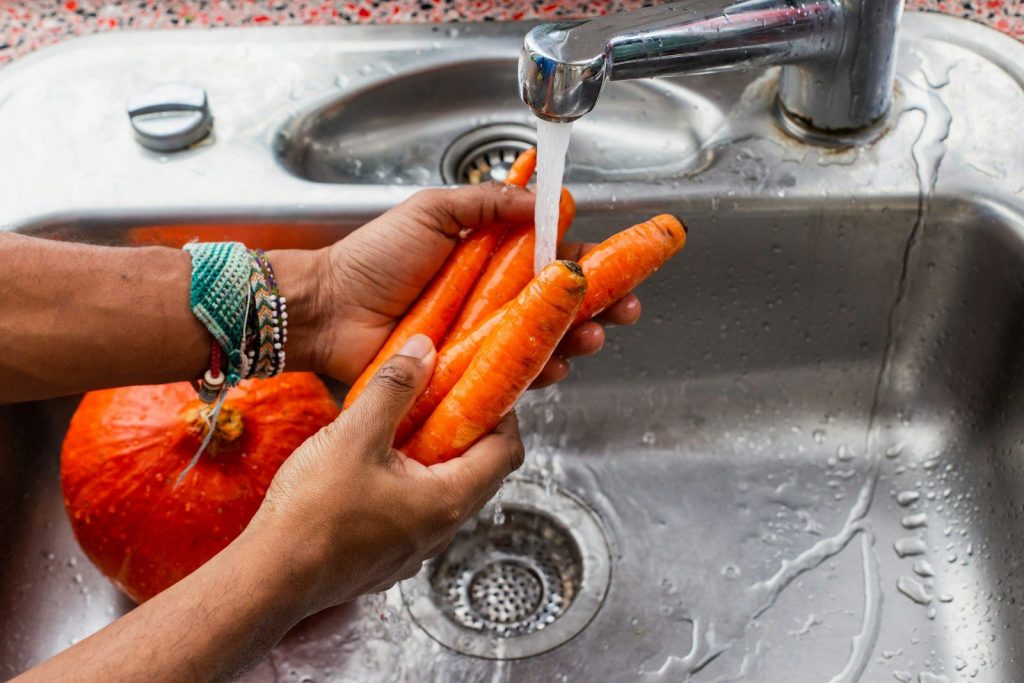
Never assume produce is clean straight from the store. Give fruits and vegetables a thorough rinse under cool running water, even if the package says they were prewashed. This simple habit can remove dirt and reduce contamination, although it cannot guarantee complete protection.
Skip soap and harsh cleaners because they are not meant for food. Gently rub firm produce with your hands or a clean brush while rinsing so more surface debris comes off before it reaches your plate.
Choose Whole Produce When Possible
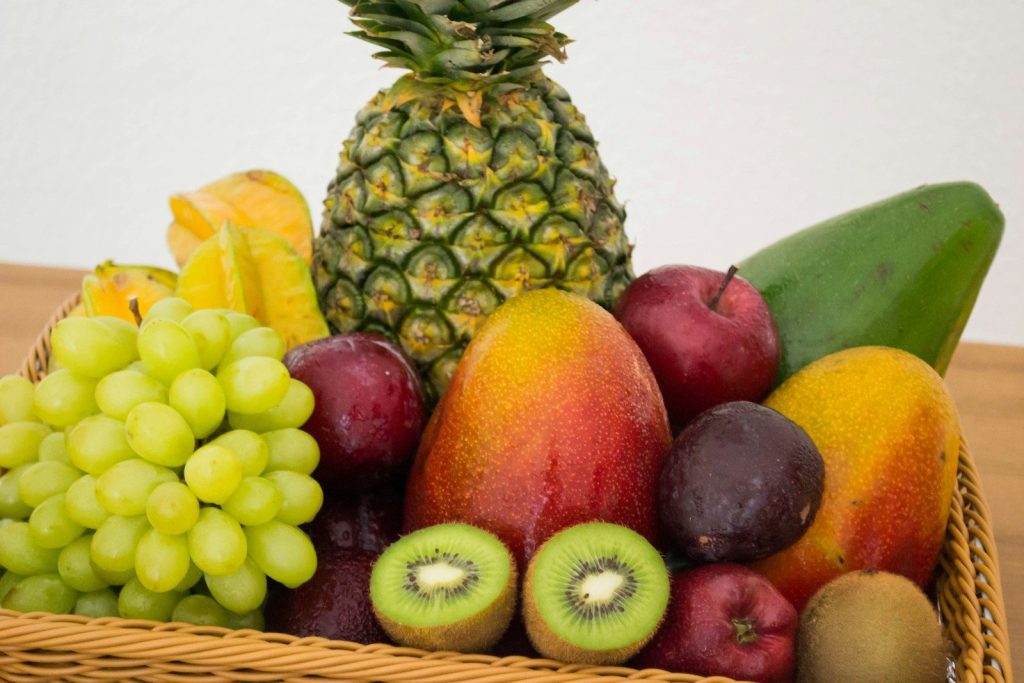
Buying a whole head of lettuce instead of a bagged mix gives you more control. You can peel away the outer leaves, rinse the remaining ones carefully, and inspect everything before serving.
The extra prep only takes a few minutes but lets you remove the parts most likely to collect dirt or contaminants. It is a small habit that can improve everyday food safety.
Let Heat Do the Heavy Lifting
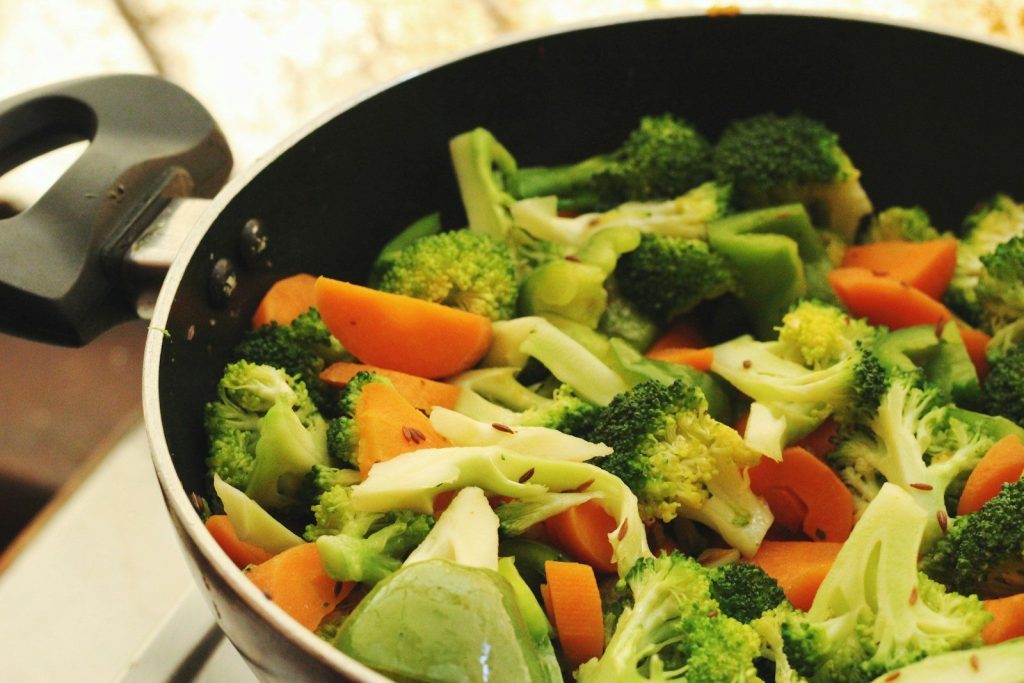
Cooking vegetables is one of the most effective ways to reduce the risk from Cyclospora because the parasite is destroyed by sufficient heat. If you are feeling cautious, swap a raw salad for roasted or steamed vegetables.
This trick also works well for fruits that can be baked into desserts or cooked into sauces. You still enjoy fresh flavors while adding another layer of protection.
Be Extra Careful With Delicate Produce
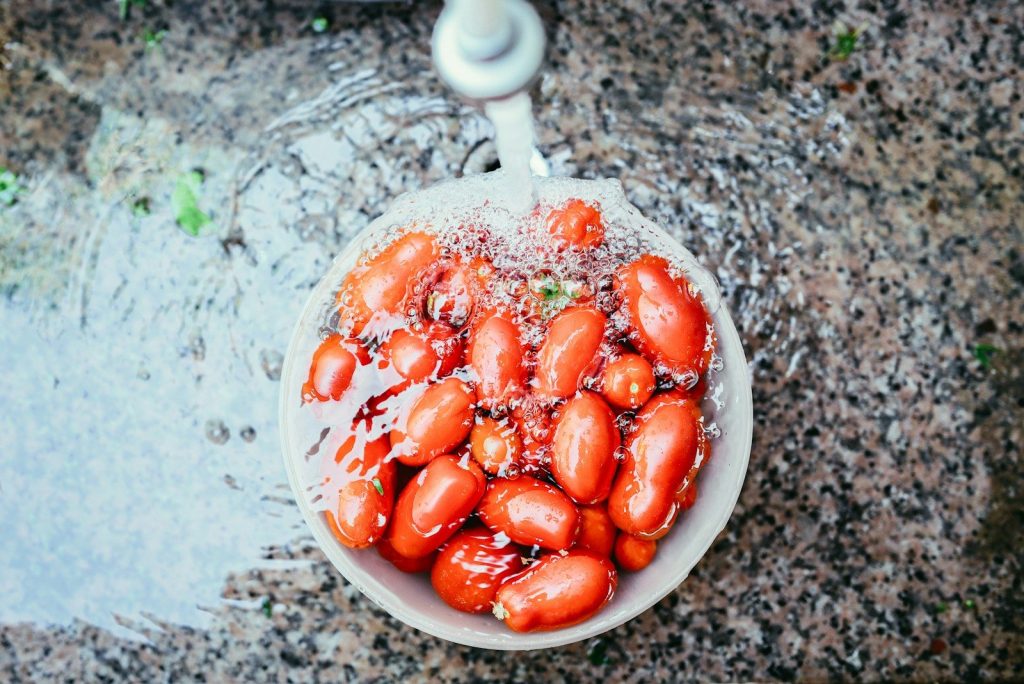
Soft berries and leafy greens have plenty of tiny spaces where contaminants can cling. They also bruise easily, making aggressive scrubbing impossible.
Rinse these foods gently under cool water and handle them one batch at a time. While no cleaning method removes every risk, careful washing is still worth making part of your routine.
Stop Cross Contamination Before It Starts

Even perfectly cleaned produce can pick up germs from dirty hands, cutting boards, or kitchen counters. Wash your hands before and after handling fresh foods, and keep preparation surfaces clean.
Use separate utensils for raw ingredients when possible. These everyday habits help prevent unwanted contamination from spreading around your kitchen.
Stay Updated Before Grocery Day
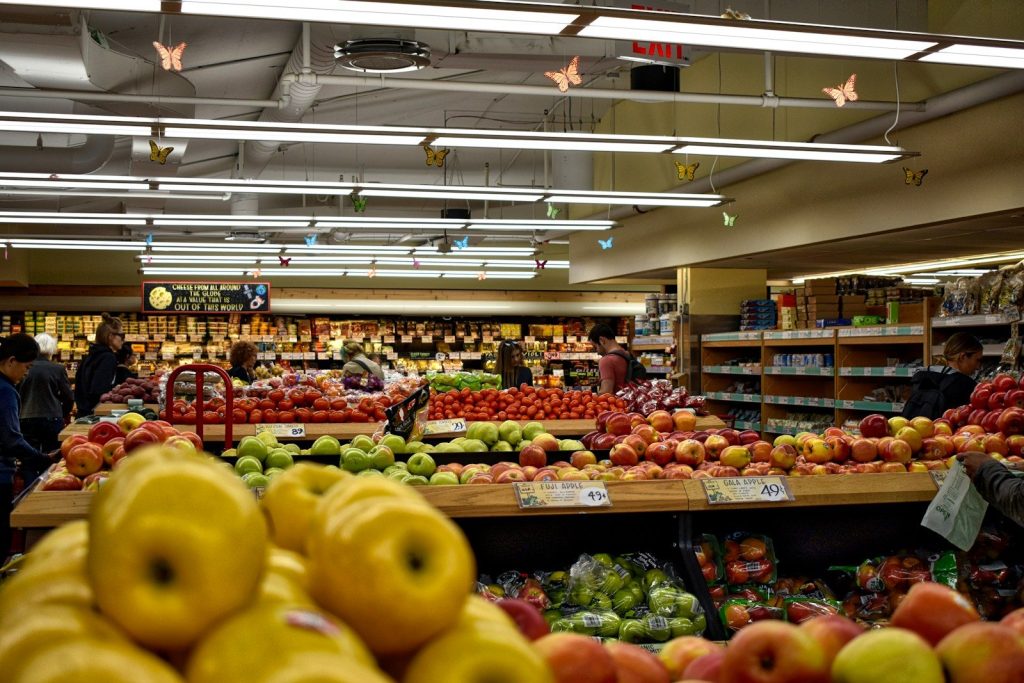
Food recalls and outbreak investigations change quickly. Spending one minute checking trusted public health updates before shopping can help you avoid products under investigation.
That quick check is often easier than changing your entire eating routine later. Staying informed lets you shop with more confidence instead of relying on rumors.
Think Twice About Higher Risk Meals
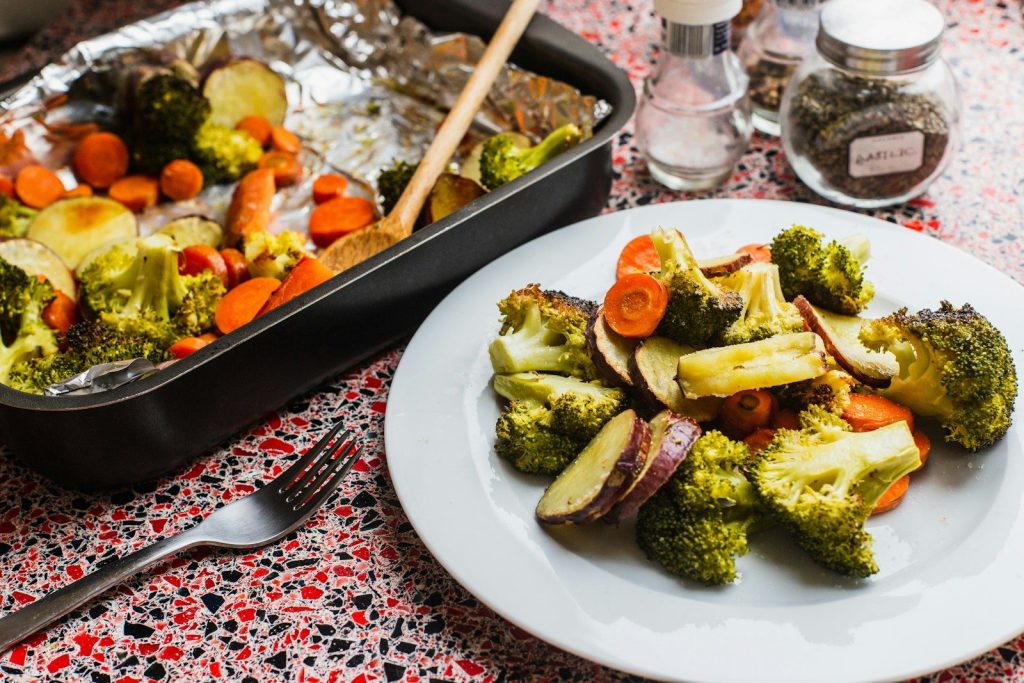
If someone in your home has a weakened immune system, is very young, or is older, consider serving cooked vegetables instead of raw produce during active outbreaks. Experts often recommend extra caution for these groups.
You still get valuable nutrients while lowering the chance of exposure. Simple menu changes can make family meals feel less stressful.
Featured Image: By David Foodphototasty on Unsplash