

Bright colors on food labels often make products seem healthier at first glance. As more brands swap artificial dyes for natural alternatives, shoppers are being encouraged to believe they are making a better choice without changing anything else in their diet.
But recent research suggests there may be more to the story. Instead of focusing on whether a color comes from nature or a lab, savvy shoppers can use a few simple hacks to make smarter decisions about what actually ends up in their carts.
Natural Color That Changes How You Shop

The word natural has become one of the most powerful marketing tools in the grocery aisle. Many people automatically assume that a naturally colored snack must be healthier than one made with artificial dyes.
A useful hack is to treat natural color claims as a starting point instead of a guarantee. Look beyond the front label and pay attention to the overall ingredient list before deciding whether a product deserves a place in your pantry.
Label Reading Most Shoppers Miss
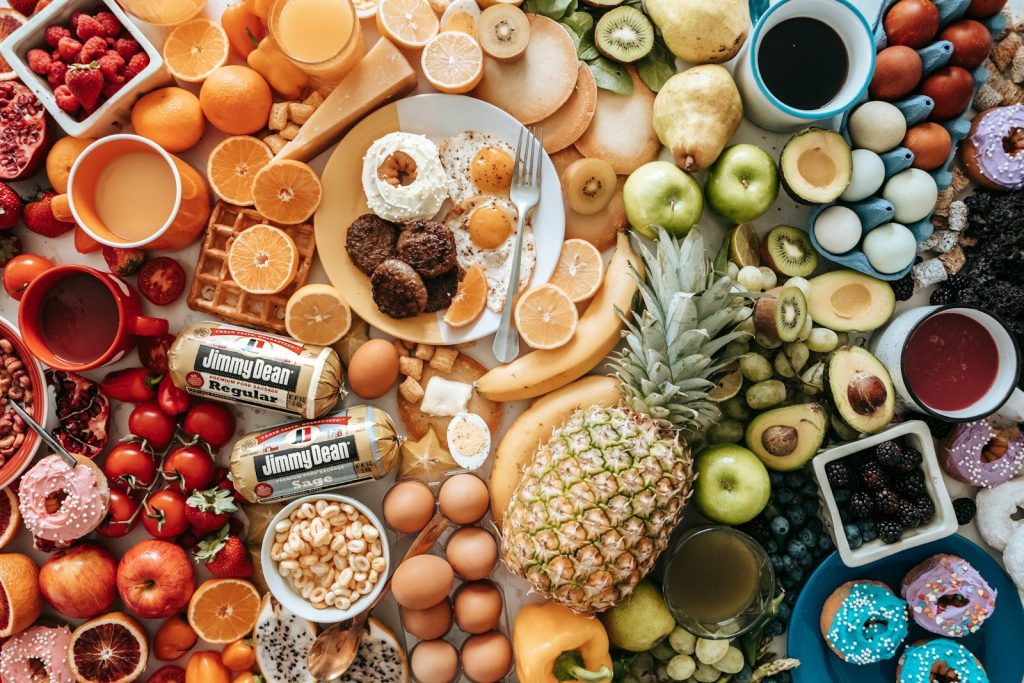
Food colors can appear in products you would never expect. Yogurts, drinks, baked treats, cereals, and even savory foods may contain added coloring for visual appeal.
One easy hack is to scan ingredients before checking nutrition facts. If color additives appear high on the list, that is a clue that the product may rely heavily on appearance rather than whole food ingredients.
Grocery Cart That Beat Marketing Claims

Many shoppers focus on what has been removed from a product. Companies know this and often highlight the absence of artificial dyes to attract attention.
A smarter hack is asking what remains inside. A snack can be free of synthetic coloring while still being highly processed. Looking at the complete picture often reveals more than any single claim on the package.
Healthy Looking Food That Prevents Mistakes
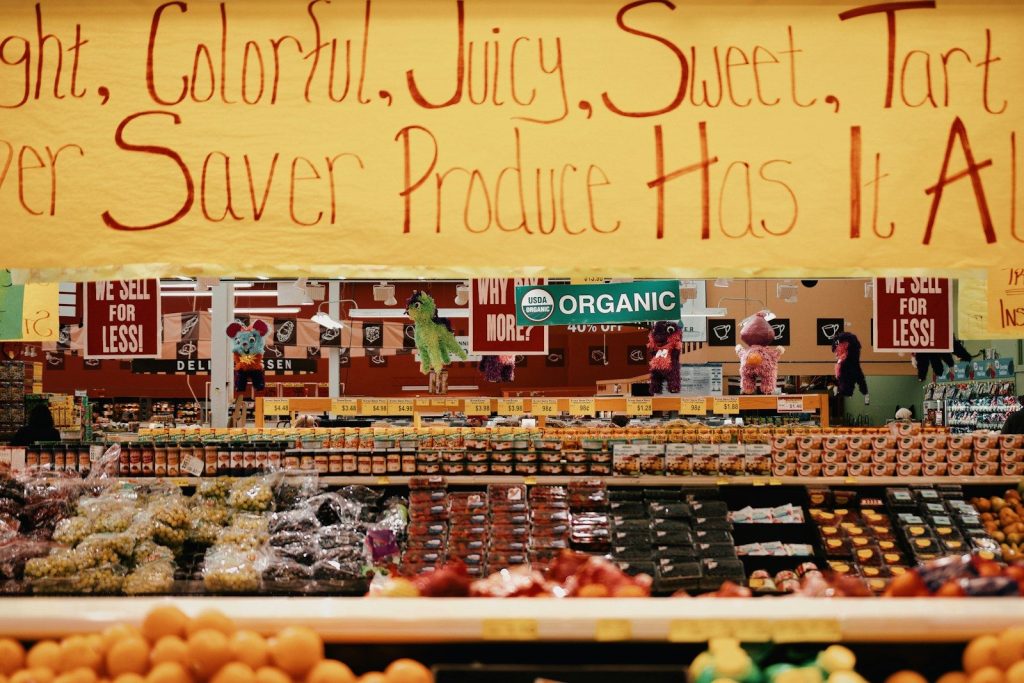
Colorful packaging and vibrant foods naturally grab attention. Food companies have long understood that people often eat with their eyes before they eat with their mouths.
A simple hack is comparing brightly colored options with less processed alternatives nearby. Fresh fruit, vegetables, and minimally processed foods usually deliver color naturally without relying on cosmetic enhancements.
Ingredient That Reveal Hidden Clues
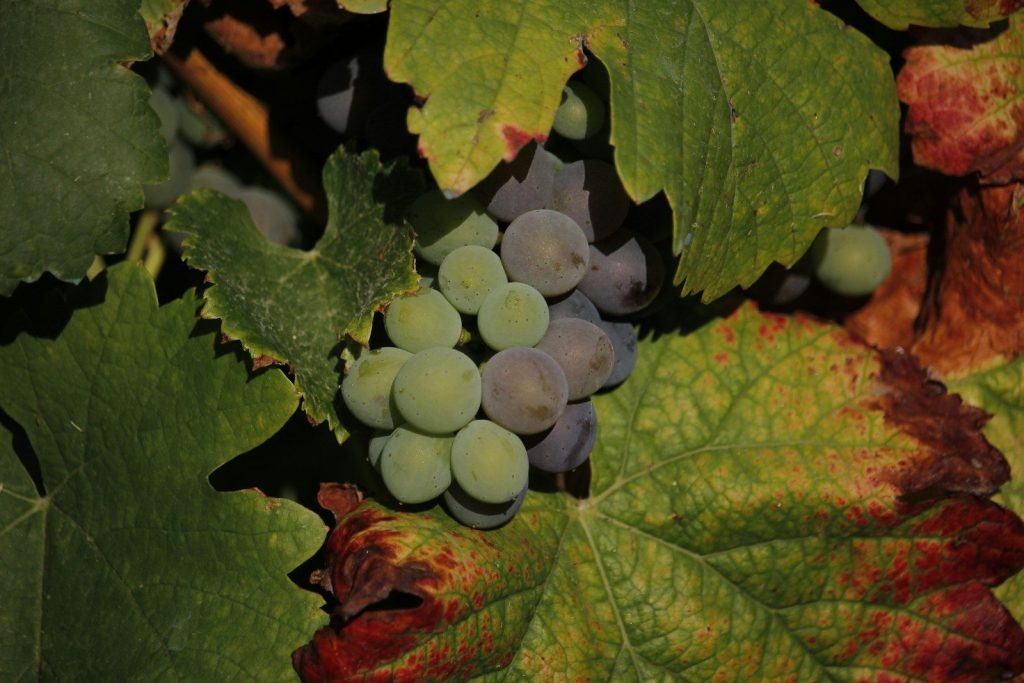
Natural coloring agents often come from plants, spices, or fruits. While that sounds reassuring, processing can change how ingredients behave once they become additives.
A useful hack is recognizing that source and outcome are not always the same thing. An ingredient that begins in nature may function very differently after manufacturing and formulation.
Snack Selection That Saves You Trouble
Research continues to examine links between certain food color additives and long-term health concerns. Experts increasingly emphasize overall dietary patterns rather than focusing on a single ingredient.
One practical hack is reducing dependence on heavily processed snacks altogether. This approach automatically lowers exposure to multiple additives while improving overall food quality.
Kitchen That Creates Natural Color Naturally
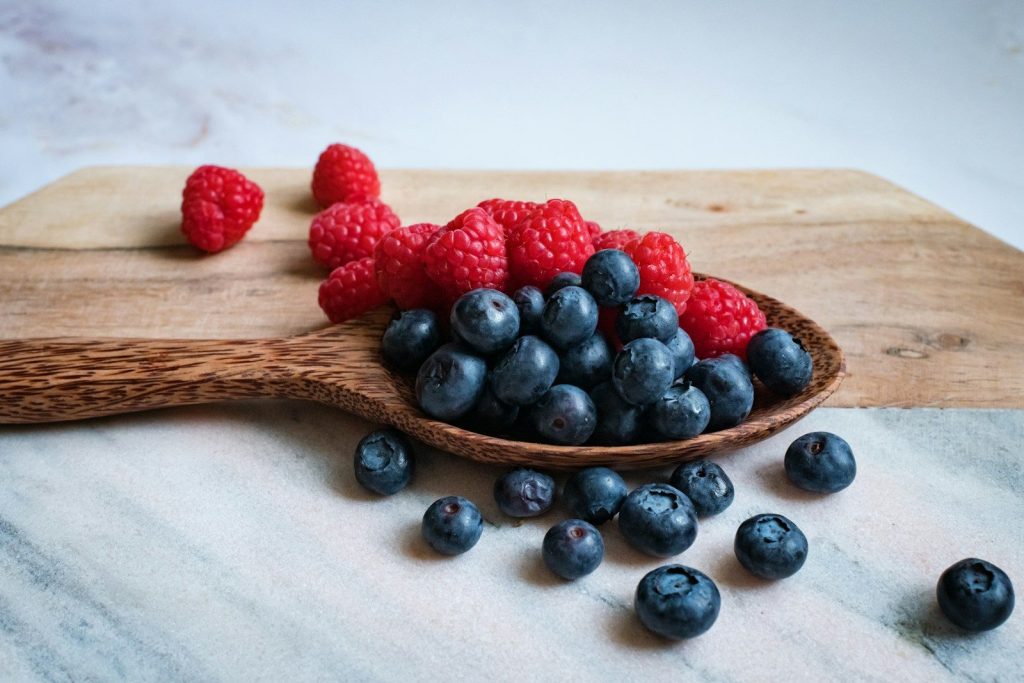
Many home cooks overlook how easy it is to create vibrant meals without packaged color additives. Fresh berries, carrots, spinach, turmeric, and beets can add visual appeal on their own.
A great hack is making color a sign of real ingredients rather than added ingredients. When natural shades come directly from whole foods, you gain flavor and nutrition at the same time.
Everyday Food for Smarter Decisions
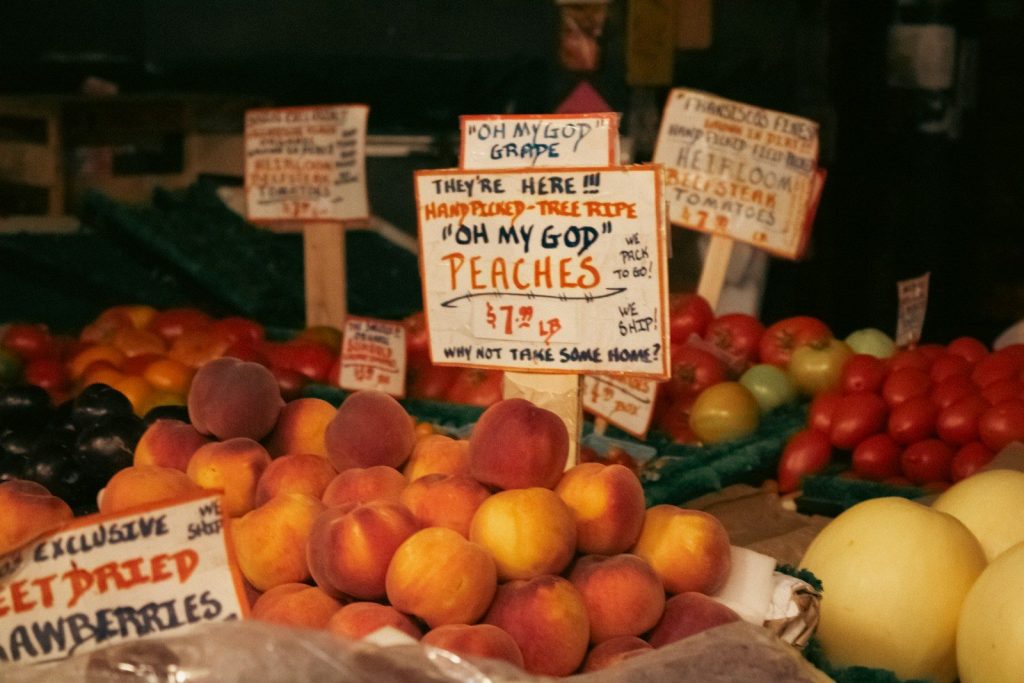
The biggest lesson is that colorful food is not automatically healthy or unhealthy. The real advantage comes from understanding what gives that product its appearance and why.
An effective hack is shifting attention away from marketing buzzwords and toward ingredient quality. That small habit can help you make better choices every time you walk through the grocery store.