

Tiny wall flaws often look harmless until they grow into repairs that cost far more than expected. Knowing when to patch, repaint, or call a pro can keep your walls looking fresh while protecting your budget from surprise expenses.
These practical drywall hacks reveal simple ways to spot trouble early, avoid common mistakes, and spend wisely. A little attention now can prevent a quick touch up from becoming a full wall project.
Catch Tiny Damage Before It Grows
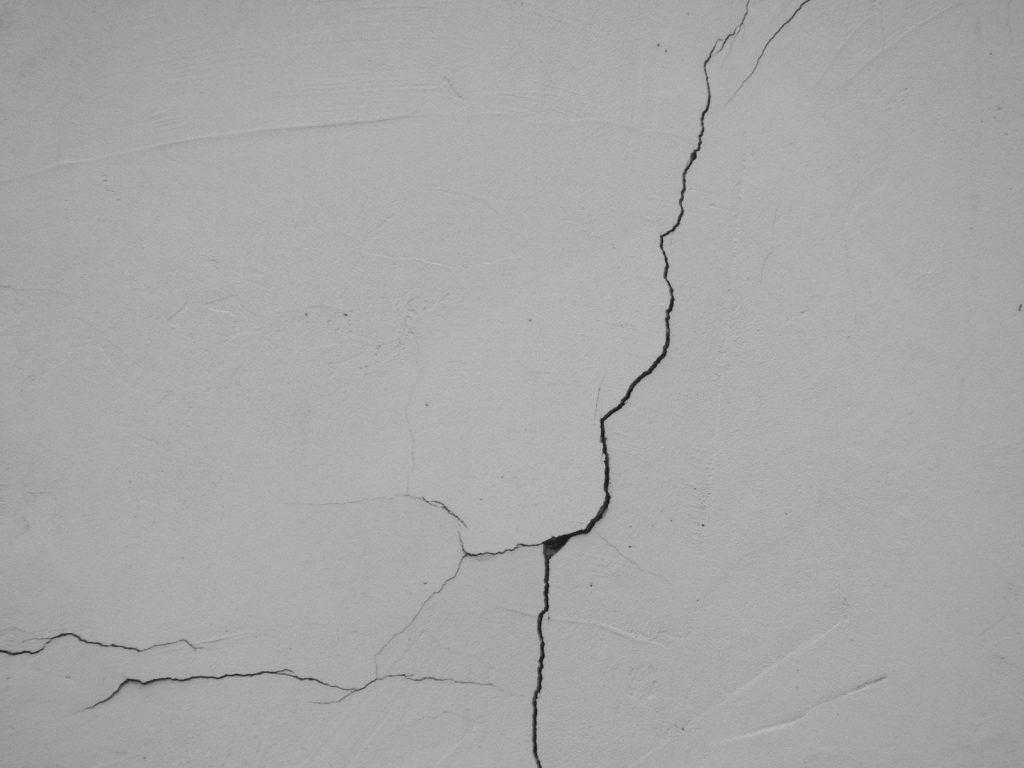
Small nail holes, dents, and hairline cracks are usually inexpensive to fix when handled early. Waiting gives moisture, movement, or repeated bumps more time to make repairs larger.
Walk through your home every few months and inspect busy areas. Quick fixes often take fewer materials and much less labor than repairs that have been ignored.
Match The Repair To The Hole
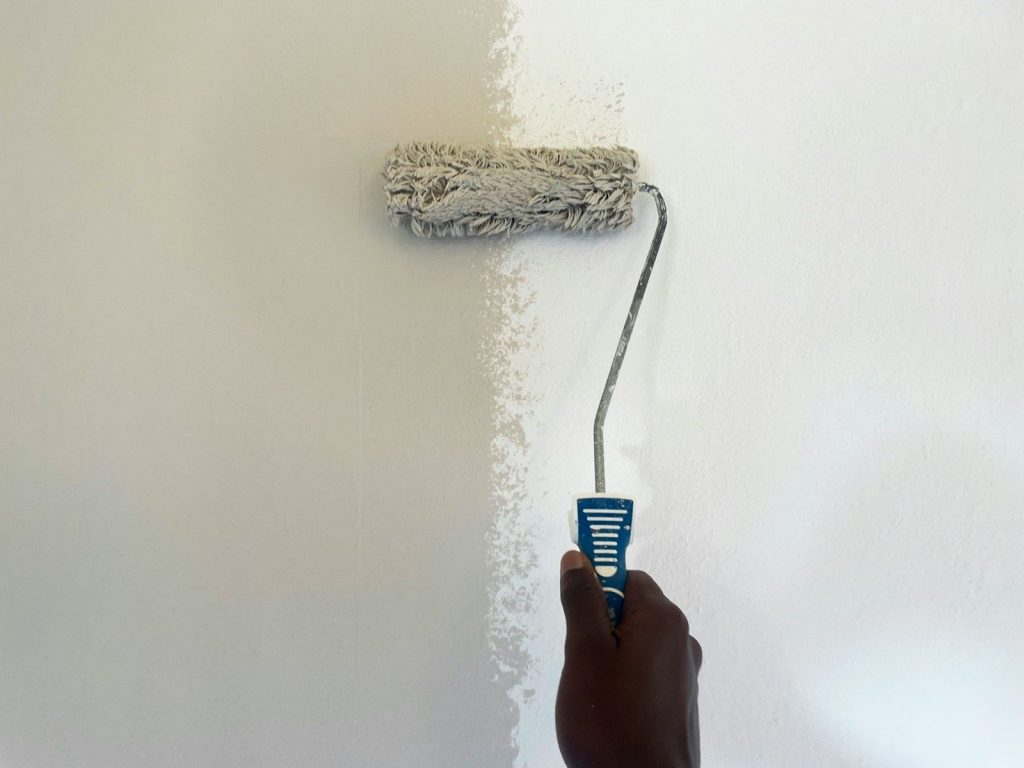
Not every damaged spot needs the same solution. Tiny holes often need simple filler, while larger openings require a patch for lasting strength.
Using the right repair method the first time prevents repeat work. That simple habit saves money and helps the finished wall blend in much better.
Thin Layers Beat Thick Patches
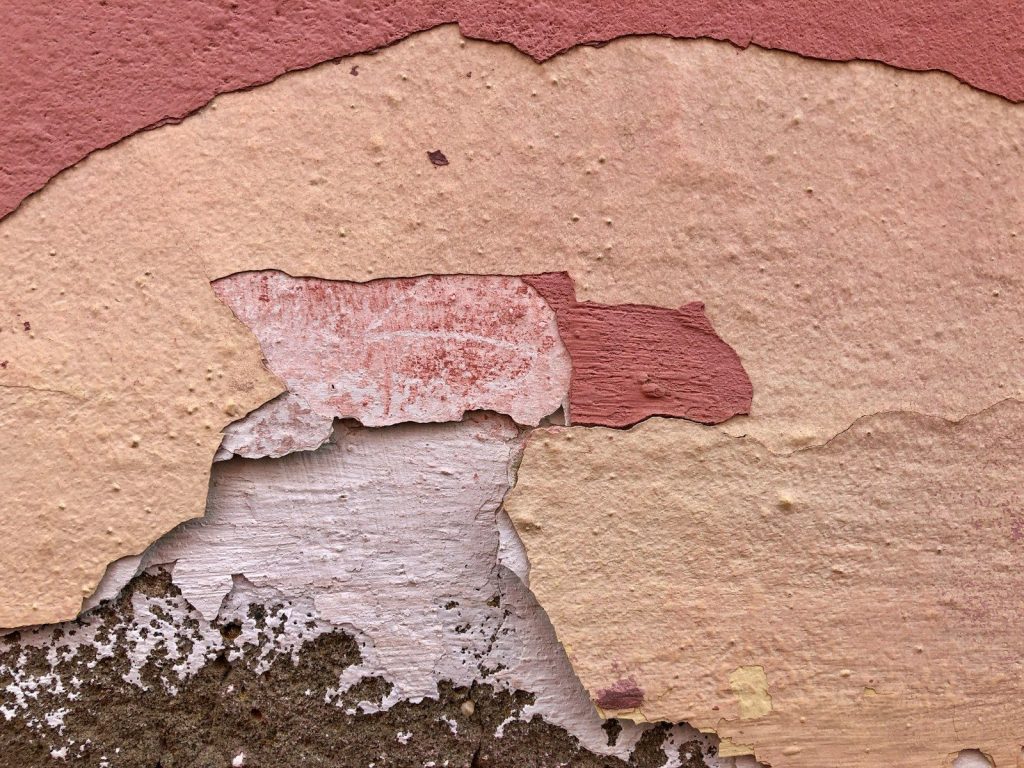
One thick application may seem faster, but it often shrinks, cracks, or leaves uneven spots after drying. Several light coats usually produce a smoother finish.
Allow each layer to dry before sanding lightly. That extra patience creates cleaner results and reduces the chance of starting over.
Know When DIY Stops Saving Money
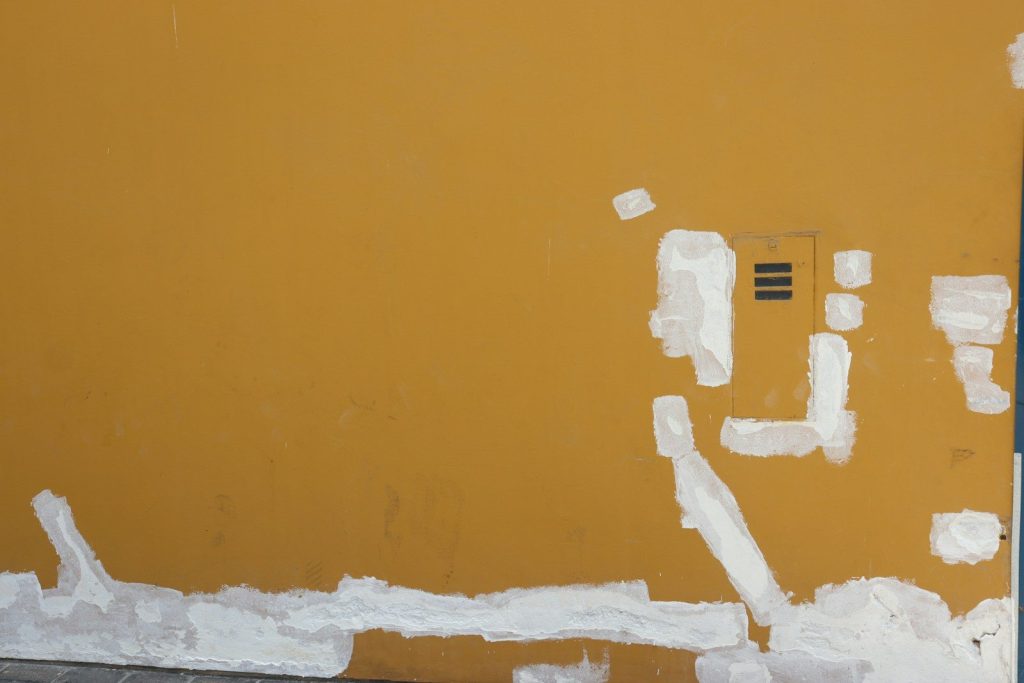
Simple wall patches are great beginner projects, especially with affordable repair kits. They can handle everyday damage without paying professional labor.
Large holes, ceiling damage, or widespread repairs usually demand more skill. Hiring help for difficult jobs often prevents costly mistakes later.
Never Ignore Water Stains
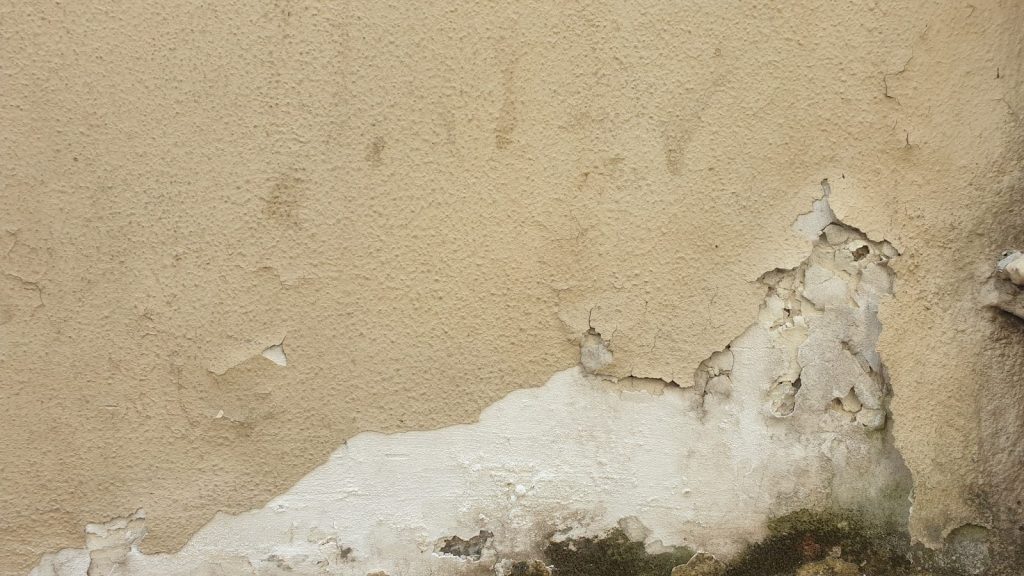
A stained or soft wall is more than a cosmetic problem. Covering it without fixing the leak allows hidden damage to keep spreading.
Always solve the moisture issue first. Once everything is dry, repairing the drywall delivers results that actually last.
Watch For Warning Signs Around The House
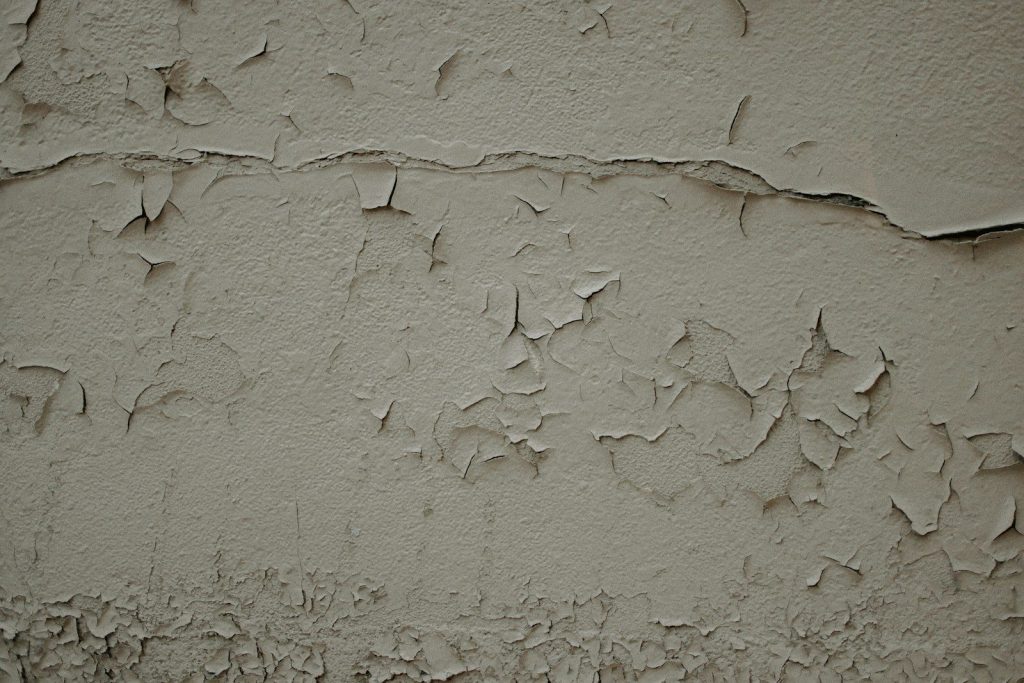
Cracks near corners, bubbling paint, musty smells, and soft drywall can point to problems beyond surface damage. They deserve a closer look before patching.
Finding the real cause early helps prevent repeated repairs. Sometimes the wall is only showing symptoms of a bigger issue.
Compare Repair Costs Before Deciding

A repaired wall is often much cheaper than replacing an entire section. Getting estimates helps reveal the smartest option for your budget.
Larger projects covering several rooms may even reduce the cost per square foot. Comparing quotes can uncover worthwhile savings.
Treat Walls Like Regular Home Maintenance
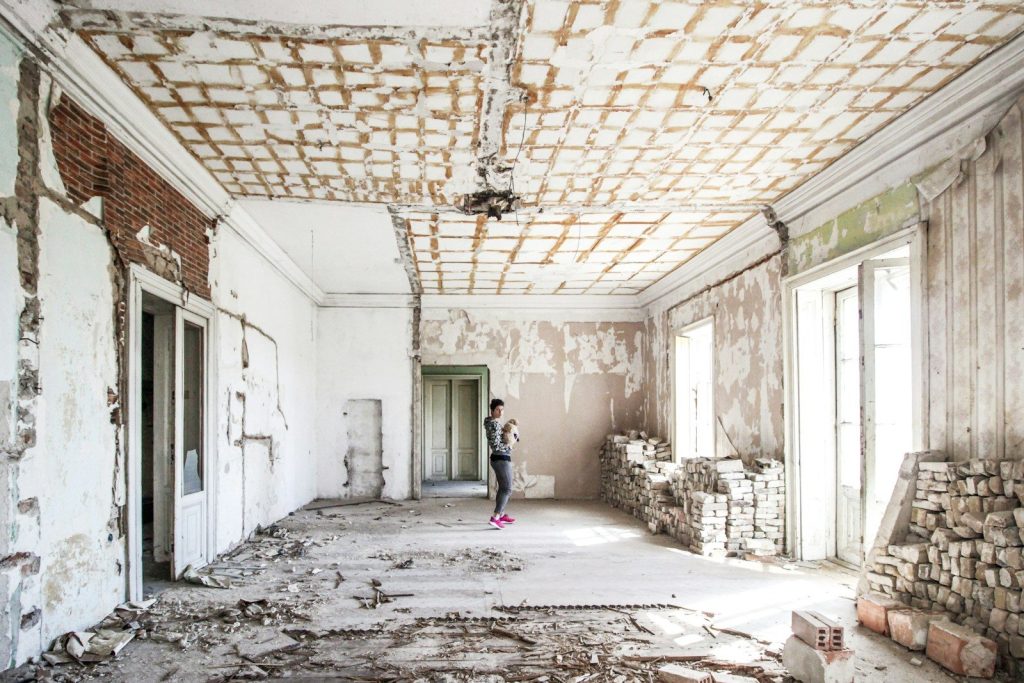
Drywall lasts longer when small flaws never have the chance to become major damage. Routine checks are one of the easiest home maintenance habits to build.
Keeping basic patch supplies nearby makes quick repairs simple. A few minutes today can help avoid a much larger repair bill tomorrow.
Featured Image: By the blowup on Unsplash