

What you eat does more than satisfy your appetite. Growing research suggests that everyday food choices may play a role in supporting memory, focus, and overall brain health as you age.
The good news is that you do not need a complicated diet to make smarter choices. These practical nutrition hacks can help you build meals that support your brain one bite at a time.
Fill Your Plate With More Color

Brightly colored fruits and vegetables provide a variety of nutrients that support overall health. Eating a wider range of colors also makes meals more balanced and interesting.
Aim to include at least one colorful fruit or vegetable with every meal. Small additions can make healthy eating feel much easier.
Make Leafy Greens a Daily Habit

Spinach, kale, and other leafy greens are often linked with healthy aging because they contain important vitamins and plant compounds. Even small servings can fit easily into everyday meals.
Try adding greens to sandwiches, soups, or smoothies. Simple changes are often easier to maintain than dramatic diet overhauls.
Choose Healthy Fats More Often
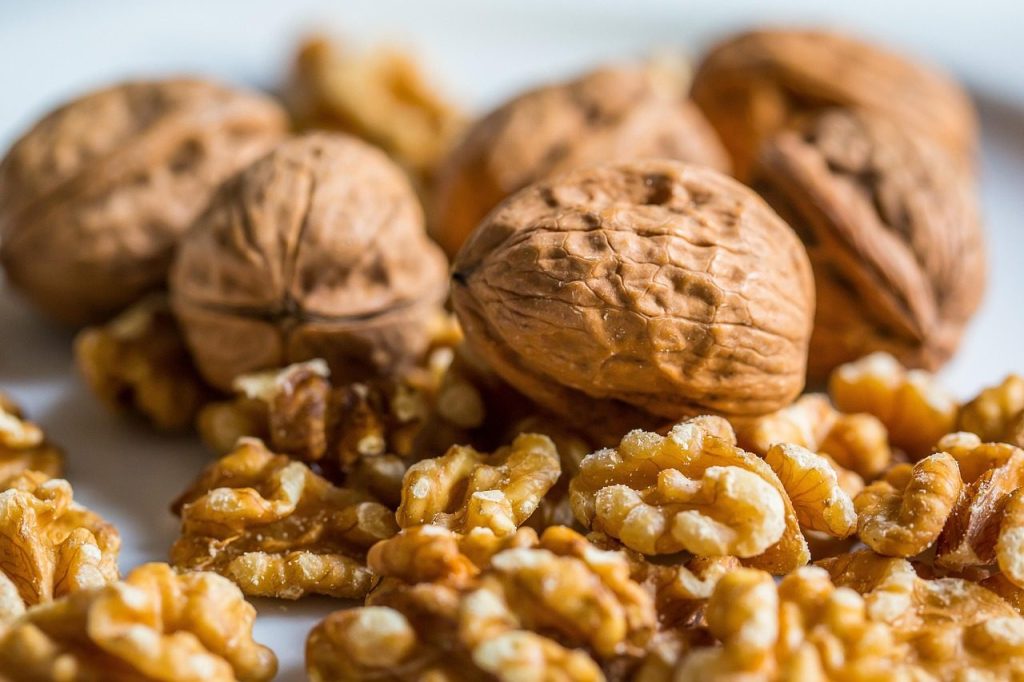
Foods such as nuts, seeds, avocados, and olive oil provide fats that support overall wellness. Swapping these for heavily processed fats is a simple upgrade.
Keep portions balanced while using them regularly. Consistency matters more than making occasional big changes.
Add Fish to Your Weekly Menu

Fatty fish contain nutrients that are widely associated with brain health. Including it regularly can be an easy way to build a more balanced eating pattern.
If fish is not part of your diet, discuss suitable alternatives with a healthcare professional. Different lifestyles may require different approaches.
Snack Smarter Throughout the Day

Replacing highly processed snacks with fruit, nuts, or yogurt can help support better overall nutrition. Better snack choices also help reduce unnecessary added sugars.
Preparing healthy snacks ahead of time makes them easier to choose. Convenience often shapes eating habits.
Drink Enough Water

Even mild dehydration can make it harder to stay focused and alert. Drinking water consistently throughout the day supports both your body and your brain.
Keep a reusable bottle nearby as a reminder. Small habits often make healthy routines easier to follow.
Think About Your Overall Eating Pattern

No single food can guarantee better brain health. A balanced diet built around whole foods is generally more beneficial than relying on one so-called superfood.
Focus on long-term habits instead of quick fixes. Healthy routines add up over time.
Build Better Meals One Step at a Time

Trying to change everything at once can feel overwhelming. Choosing one healthier habit each week is often more sustainable than making dramatic changes overnight.
Steady improvements are easier to maintain for years. Those everyday choices can support both your brain and your overall well-being over the long run.