

The produce section can feel overwhelming, especially when several leafy greens seem interchangeable at first glance. While most greens offer nutritional benefits, dietitians often point out that different varieties bring different fibres, nutrients, and plant compounds to the table. If you’re trying to support gut health, choosing a wider range of greens may be more helpful than buying the same bag every week. These gut-health hacks focus on greens that experts frequently recommend and the unique reasons they deserve space in your shopping cart.
Reach For Kale When You Want More Than A Salad
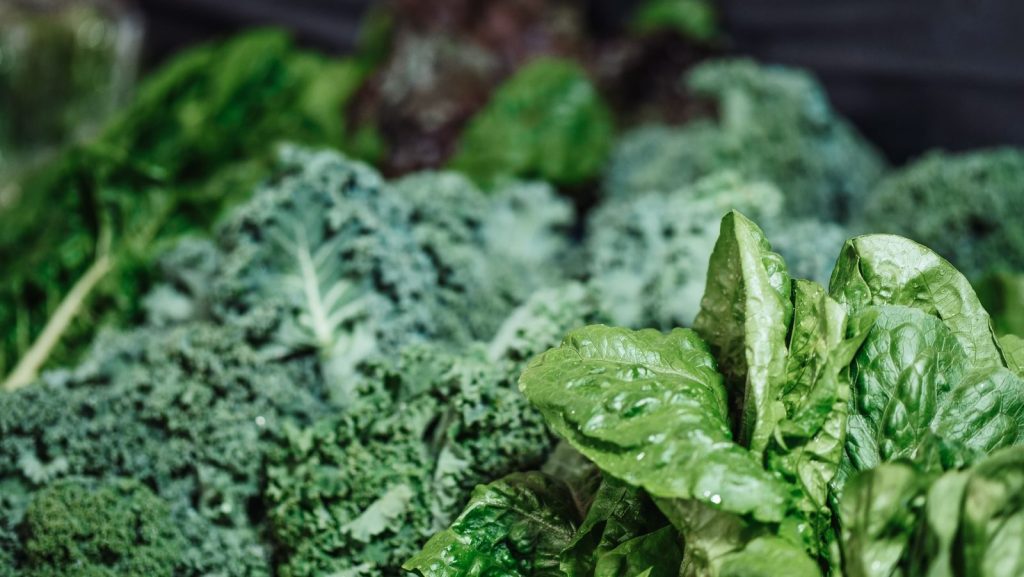
Kale remains a favorite among many nutrition professionals because it contains fiber along with a variety of plant compounds that support overall health. It also works in far more dishes than many people realize, including soups, grain bowls, smoothies, and roasted vegetable mixes. Its versatility makes it easier to consume regularly, which is often more important than choosing the “perfect” green.
Don’t Underestimate Everyday Spinach
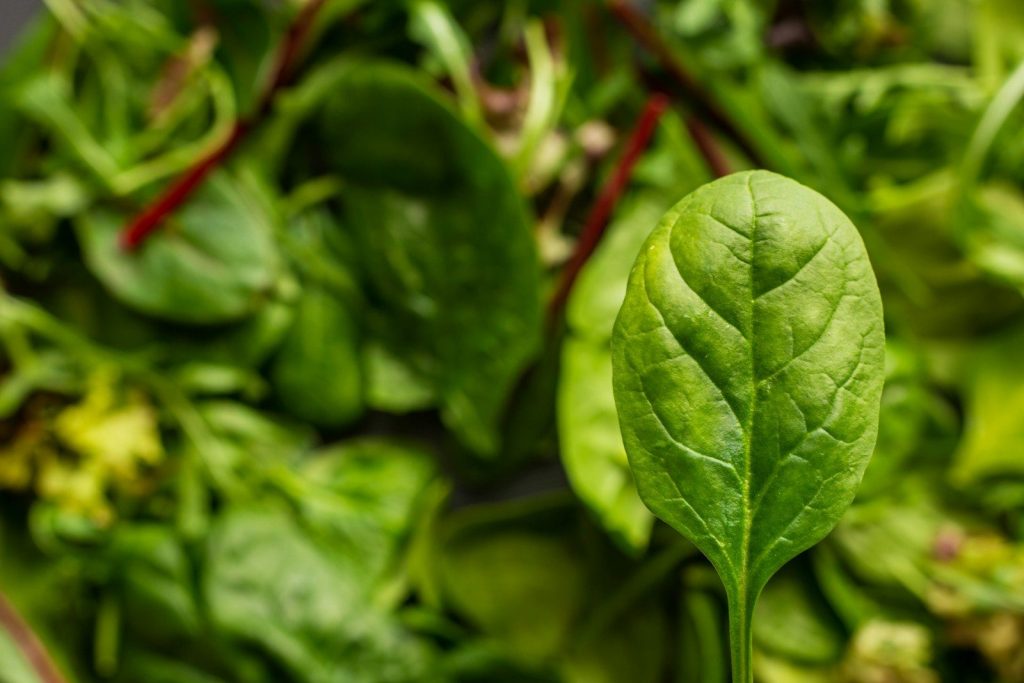
Spinach tends to be one of the most accessible greens, which may explain why dietitians continue recommending it. It blends easily into smoothies, sandwiches, omelettes, pasta dishes, and salads without dominating flavours. For people trying to eat more greens consistently, convenience often plays a bigger role than nutrition charts alone.
Add Arugula When You Need Variety
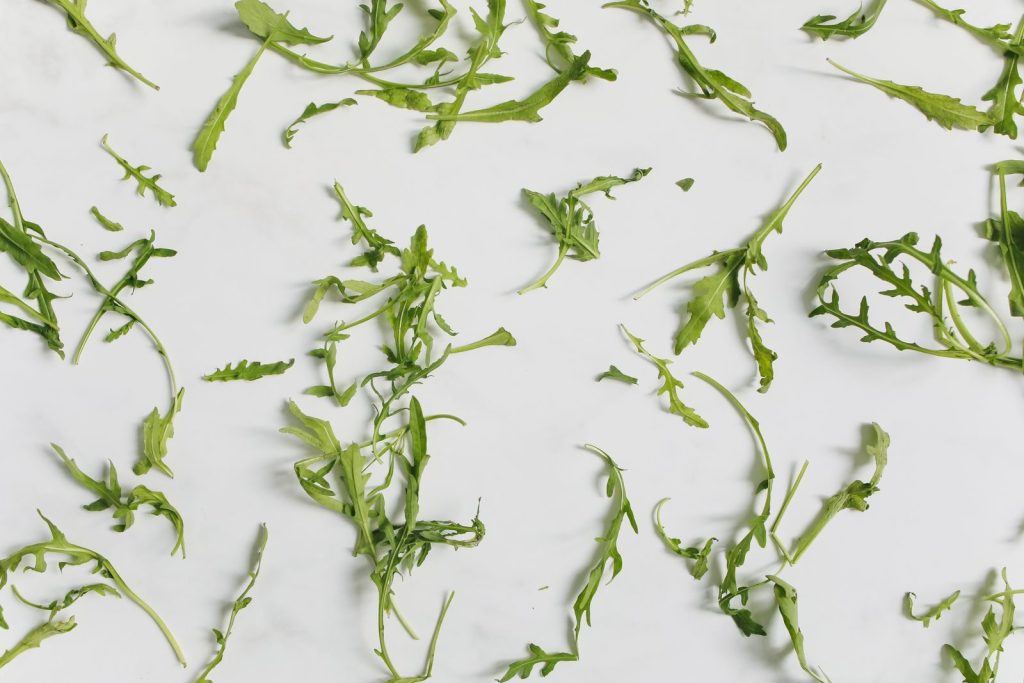
Many people rotate between lettuce and spinach while overlooking arugula. Its peppery flavour can add more interest to meals, making it easier to avoid boredom with healthy eating habits. Variety matters because different plants provide different fibres and nutrients that may help support a more diverse gut microbiome.
Give Swiss Chard A Chance
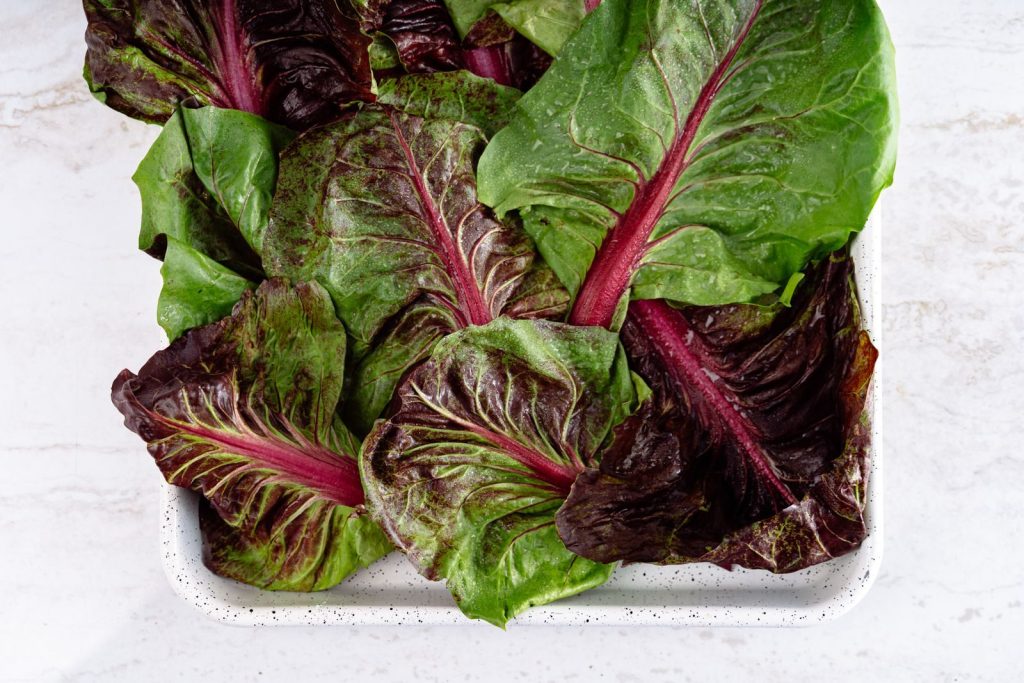
Swiss chard often gets less attention than trendier greens despite being highly versatile in the kitchen. Its colorful stems and tender leaves work well in sautés, soups, grain dishes, and vegetable mixes. Adding less familiar greens occasionally can expand both flavor options and nutritional diversity.
Look Beyond Salad Greens To Collards
Collard greens are commonly associated with traditional recipes, but they can also be used in wraps, stir-fries, and vegetable-based meals. Their sturdy leaves make them useful for cooking, while their fiber content helps explain why they continue appearing in conversations about digestive wellness.
Try Mustard Greens For A Different Flavor Profile

Mustard greens offer a more distinctive taste than many common greens, which can help keep healthy meals from feeling repetitive. People are often more likely to stick with nutritious habits when food remains interesting, making flavour variety an important part of long-term success.
Don’t Walk Past The Microgreens

Microgreens occupy very little space in a shopping cart but can add texture, color, and flavor to meals. They work well as toppings for sandwiches, grain bowls, eggs, soups, and salads, making it easy to increase plant variety without dramatically changing existing meals. Sometimes small additions are the easiest habits to maintain.
Gut Health Benefits From Variety

Many dietitians emphasize that gut health is rarely about one specific food. Instead, it often comes down to consistently eating a wider range of plant foods over time. Rotating greens such as kale, spinach, arugula, Swiss chard, collards, mustard greens, and microgreens can help add diversity to meals while making healthy eating feel less repetitive. Sometimes the best gut-health strategy begins with choosing a different green than usual.