

Perfectly ripe avocados have a frustratingly short window before they start turning brown. While you can’t stop the natural ripening process completely, you can slow it down by limiting oxygen exposure, controlling temperature, and storing them the right way. These clever hacks focus on methods that actually work instead of internet myths.
Refrigerate Them The Moment They’re Ripe
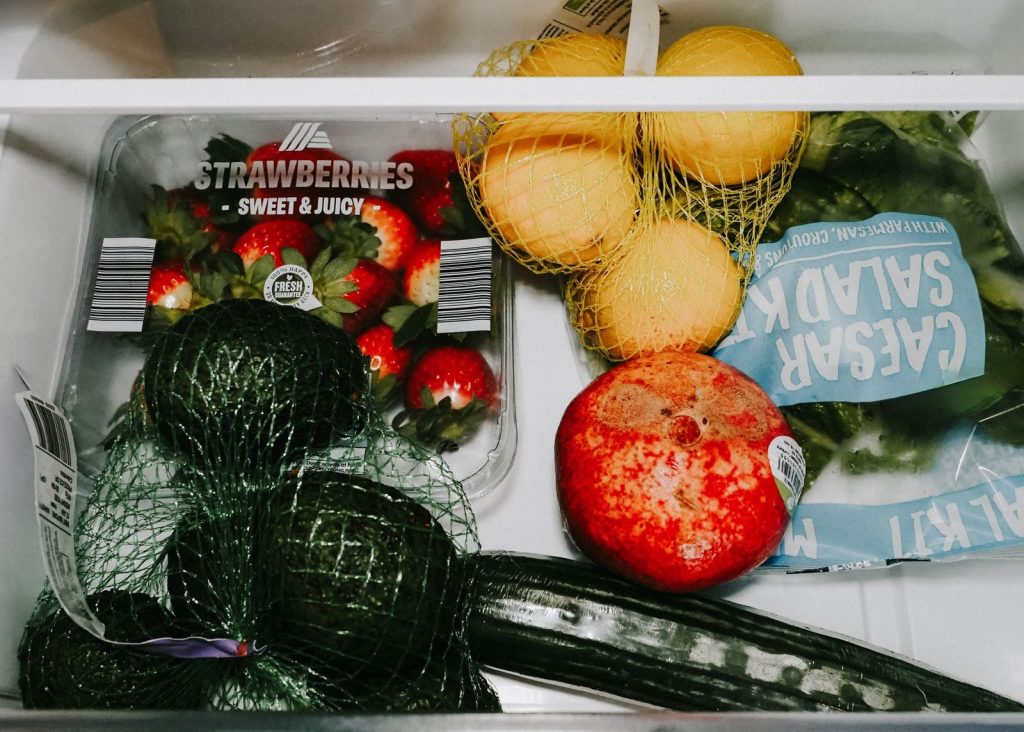
Many people wait until an avocado starts softening too much before moving it to the fridge. Instead, refrigerate it as soon as it reaches your preferred ripeness. Cold temperatures slow the ripening process, often giving you several extra days before the fruit becomes overripe.
Leave The Pit In, But Know Its Limits
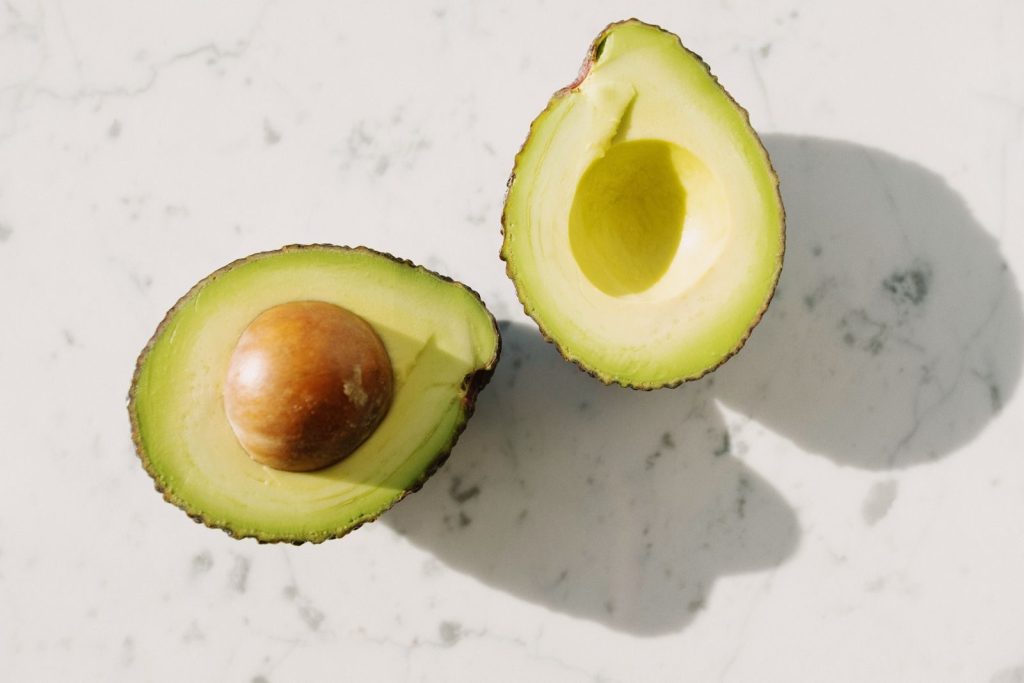
Keeping the pit inside a cut avocado only protects the flesh directly underneath it. The exposed surface will still brown because it’s in contact with oxygen. The pit isn’t a complete solution, but leaving it in while using other storage methods can help preserve one small section.
Press Plastic Wrap Directly Against The Flesh
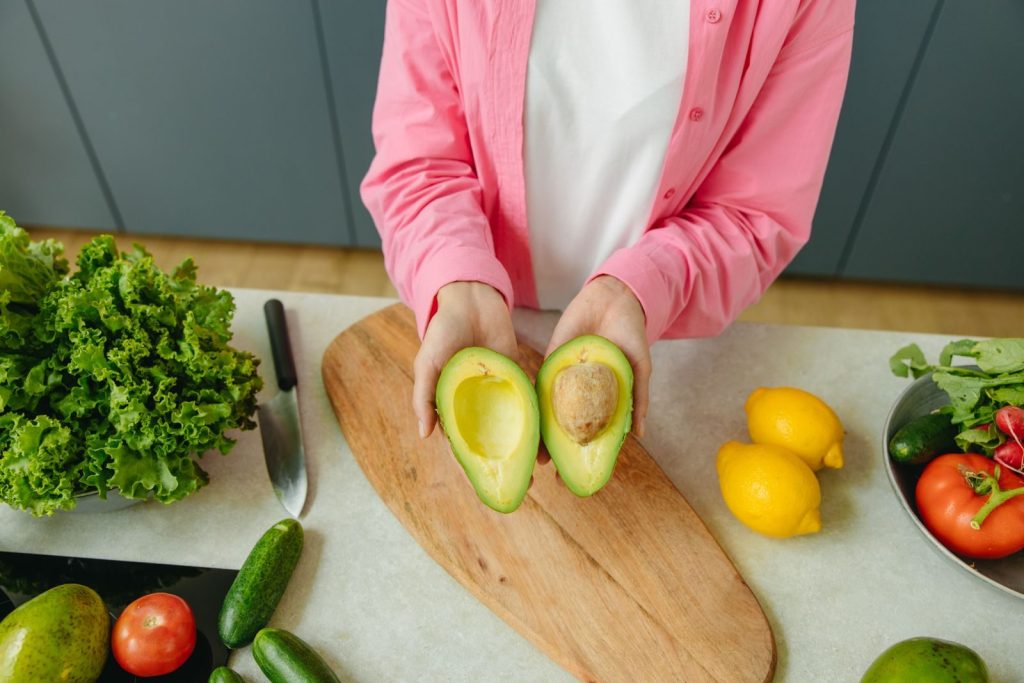
The biggest cause of browning is oxygen exposure. Instead of loosely covering the bowl, press plastic wrap directly onto the cut surface of the avocado before refrigerating it. Removing the air gap slows enzymatic browning much more effectively.
Store It Beside Onion, Not Inside It
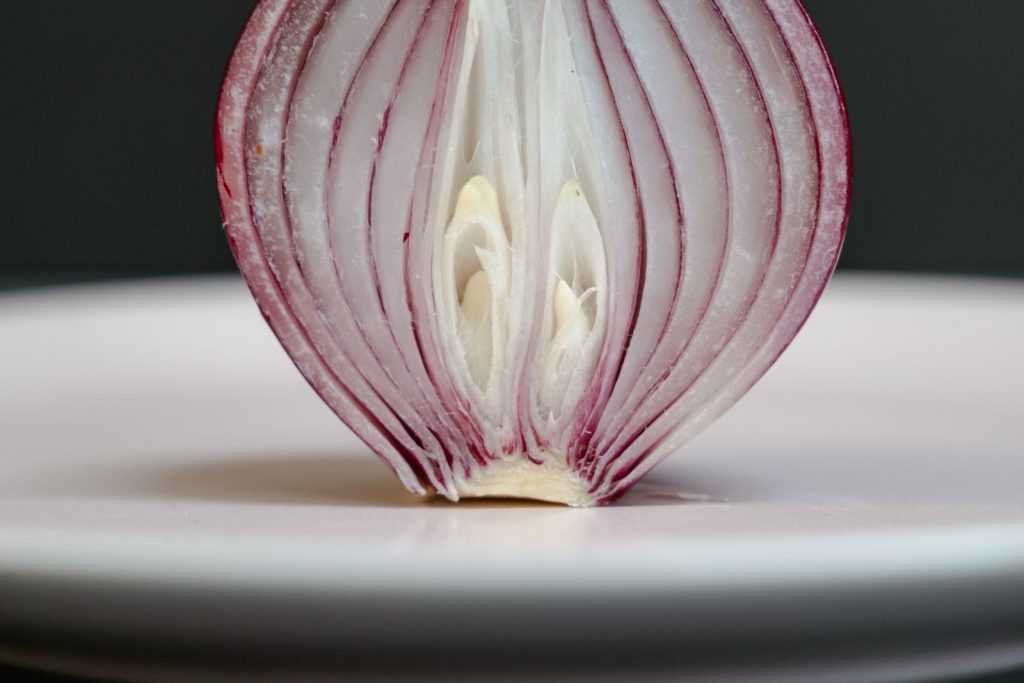
A popular kitchen trick is storing cut avocado in the same airtight container as a slice of onion. The sulfur compounds released by the onion may help slow browning without affecting the avocado’s texture, provided the onion doesn’t directly touch the fruit.
Freeze It Before It Becomes Too Soft
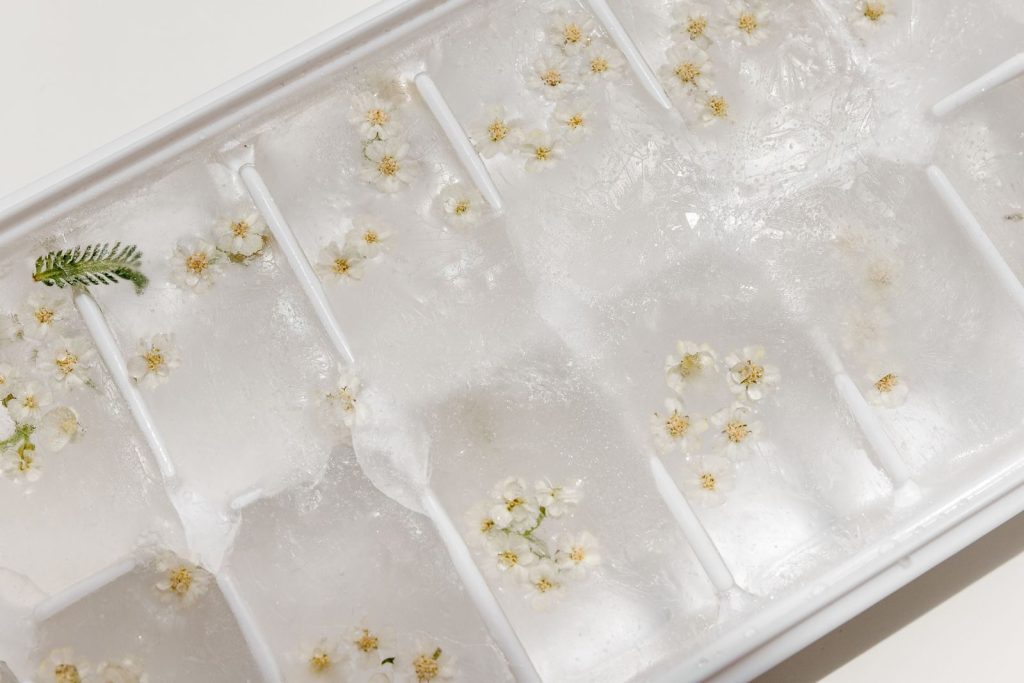
If you know you won’t use ripe avocados in time, mash or slice them, add a little lemon or lime juice, and freeze them. While the texture changes after thawing, frozen avocado works well in smoothies, guacamole, and spreads.
Keep Whole Avocados Away From Bananas
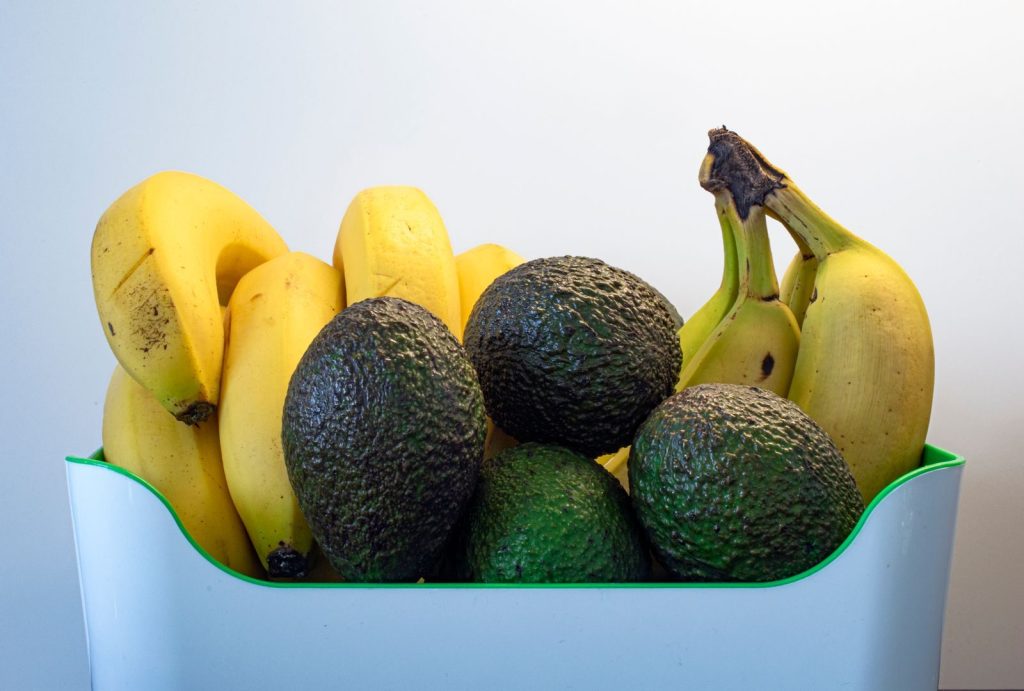
Bananas, apples, and several other fruits naturally release ethylene gas, which speeds up ripening. If your avocado is already ripe, storing it beside these fruits may shorten its lifespan unnecessarily.
Don’t Judge Freshness By Color Alone
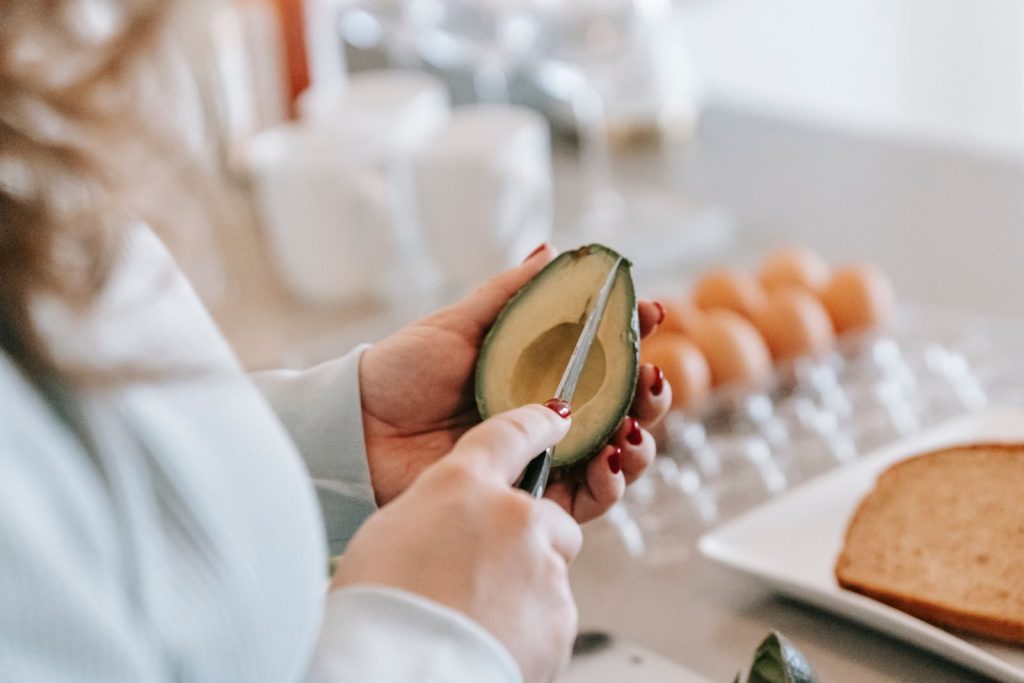
A little browning on the surface doesn’t always mean an avocado has gone bad. If the flesh underneath is still bright green, simply scrape away the thin browned layer. As long as there isn’t an off smell, mould, or widespread discolouration, much of the fruit is often still perfectly usable.
Freshness Is Mostly About Limiting Air And Heat
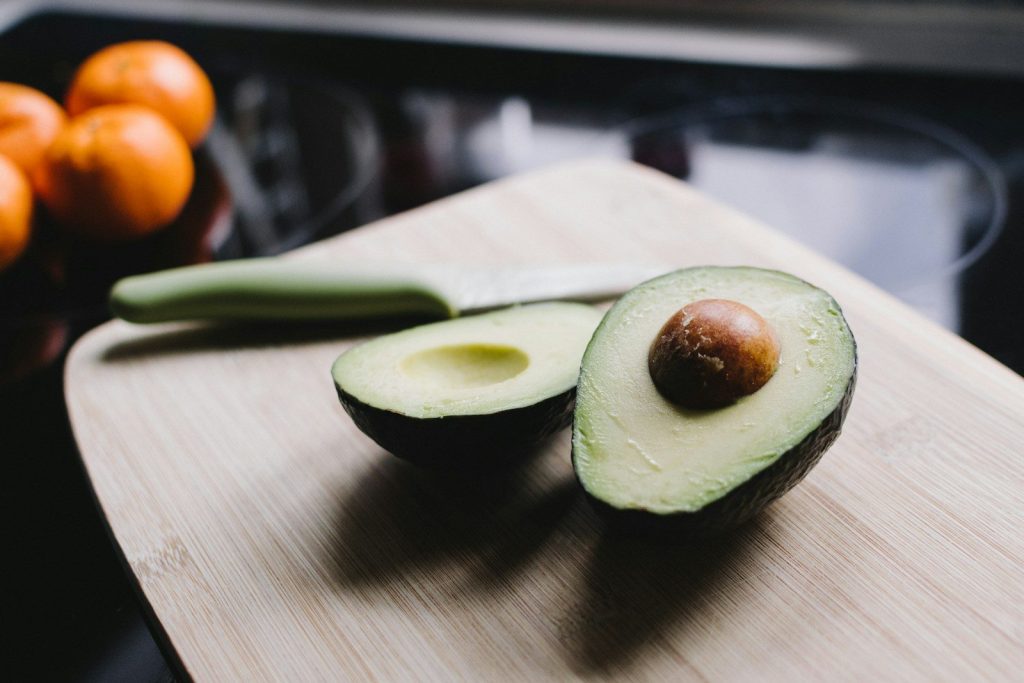
Avocados naturally ripen quickly, but a few small storage habits can buy you valuable extra time. Refrigerating them at the right stage, limiting oxygen exposure, freezing extras before they’re overripe, and understanding which popular tricks actually work can help you enjoy more of every avocado instead of throwing it away.