

A packed closet has a way of making everyday dressing feel harder than it should. Clothes get buried, favorites disappear, and decisions slow down even on simple mornings, leaving you feeling like you own more than you can actually use.
There is a faster approach that breaks the overwhelm into a short, focused burst of action. Instead of dragging the process over days, this method turns closet cleanup into a structured sprint that helps you clear space, reset your wardrobe, and actually keep it organized afterward.
The 15 Minute Closet Prep That Changes Everything
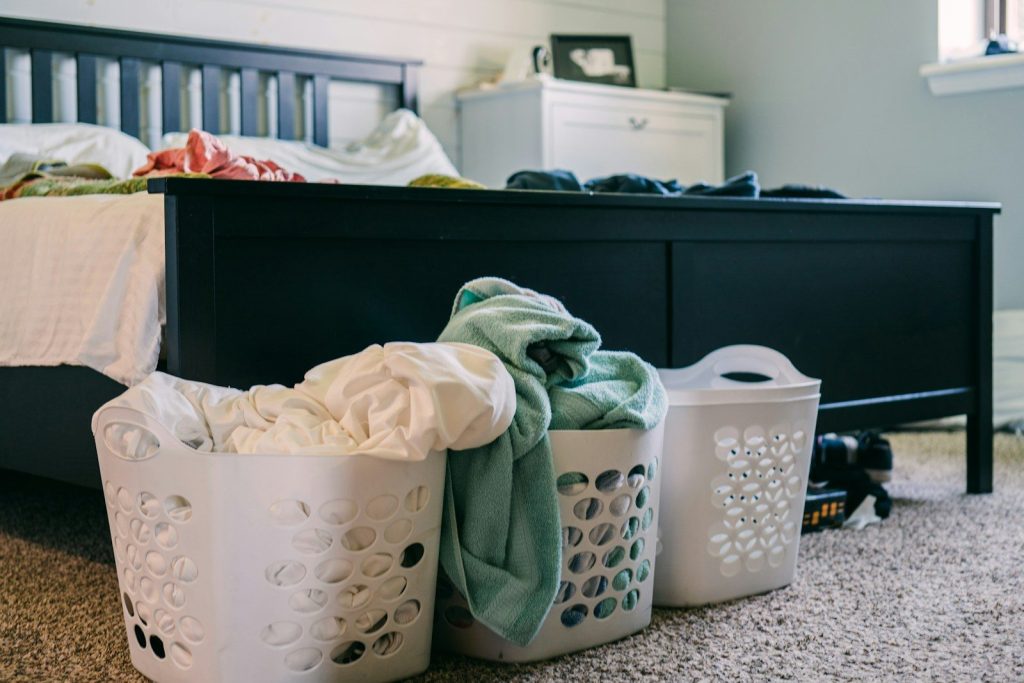
Before you touch a single hanger, the real secret is setting up your space for speed. This is where most people lose time without realizing it. You clear the floor, grab a laundry basket, and create a simple staging area so you are not constantly running between rooms or getting distracted mid-decision. The goal is to make movement effortless so your focus stays on sorting, not searching for supplies.
Once the setup is done, you mentally commit to short bursts of action instead of perfection. You are not building a museum closet; you are creating breathing room. This shift matters because it keeps you from overthinking each item and helps you stay in motion long enough to finish strong without burning out halfway through.
The Fast Zone Sorting Trick Pros Use

One of the quickest ways to gain control is by dividing your closet into clear zones instead of handling everything at once. You work section by section, like tops first, then pants, then shoes. This prevents visual overload and makes progress feel immediate, even if the total mess still looks big at the start.
Each zone becomes a mini decision space where you can move faster and with more confidence. By limiting what you are looking at, you avoid the trap of comparing every item to everything else. It is easier to decide what works when your brain is not overwhelmed by too many choices at once.
The Speed Decision Method for Every Item
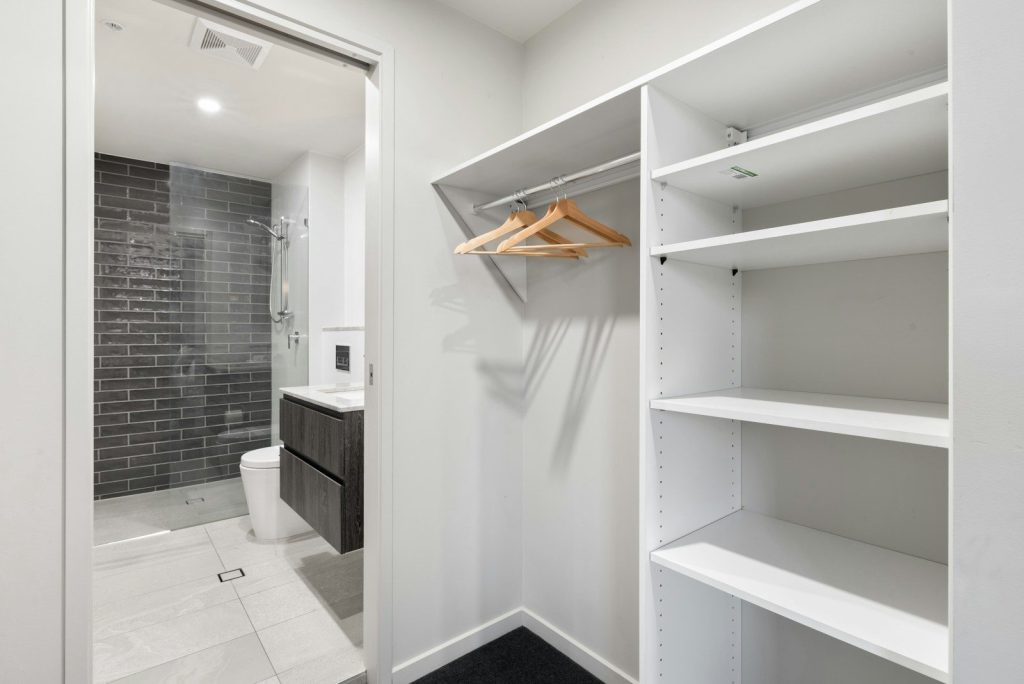
The biggest time drain in closet cleanup is hesitation. The fix is forcing quick decisions by using a simple rule of first instinct. If you do not wear it in the next week under normal circumstances, it goes into a separate pile without debate. This keeps you from revisiting the same item five times.
The key is trusting your immediate reaction instead of building arguments for keeping things. Most clutter survives because of emotional reasoning, not actual use. When you remove the time to overthink, your closet starts reflecting your real lifestyle instead of your past shopping habits or future hopes.
The Keep, Donate, and Sell Flow That Clears Space Fast
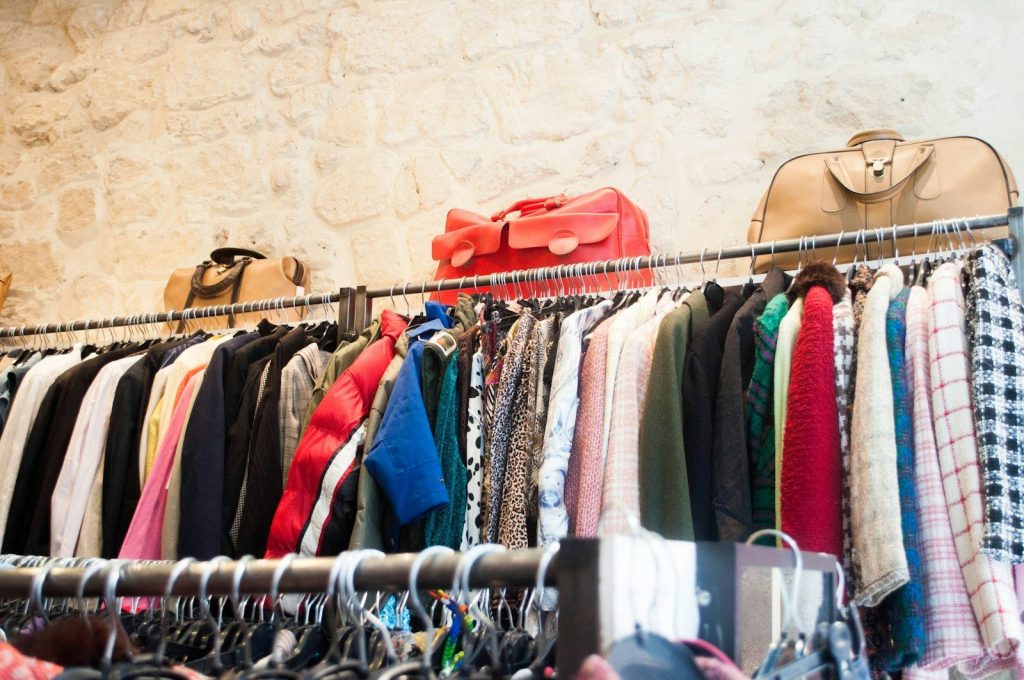
Instead of mixing everything into one growing pile, you separate items into three clear paths. Keep items that go straight back into the closet only if they earn their place. Donate items are things that still have life left but no longer fit your routine, while sell items are higher-value pieces worth a second chance elsewhere.
This structure prevents clutter from sneaking back in through indecision. It also gives your brain closure because every item has a destination. You are not just removing clothes; you are assigning purpose, which makes the process feel more complete and less like you are just shifting mess around.
Why the 3 Hour Window Actually Works
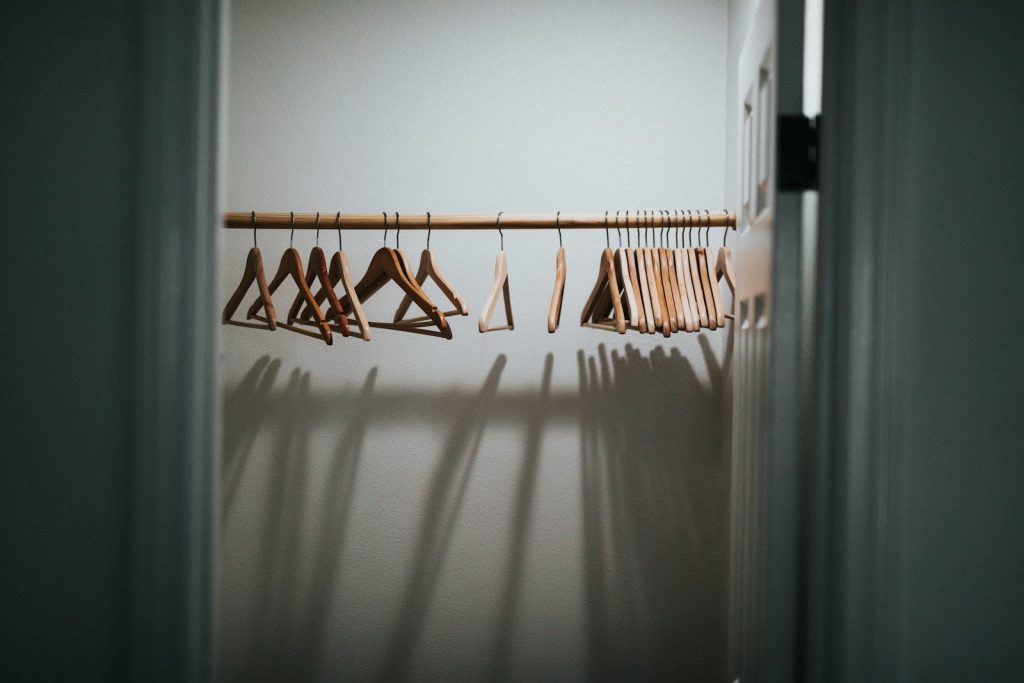
A tight time frame forces clarity. When you know you only have a few hours, you stop treating the process like a sentimental project and start treating it like a focused task. That urgency helps you bypass hesitation and keep moving forward without getting stuck on minor decisions.
The short window also prevents fatigue from setting in. Long decluttering sessions often lead to slower decisions and emotional burnout. By keeping it contained, you stay sharper, faster, and more consistent, which is why progress feels surprisingly easy once you commit to the structure.
Storage Moves That Instantly Free Space

Once you have reduced what stays, the next step is rethinking how it lives in your closet. Simple changes like grouping similar items together or switching to vertical folding can instantly reveal space you did not realize you had. The goal is visibility, not perfection.
You also want to prioritize easy access over aesthetic arrangement. Items you use most should be at eye level, while seasonal or occasional pieces can move higher or lower. This small shift reduces daily friction and helps maintain the clean system you just built without extra effort.
Building a Wardrobe That Stays Clutter Free
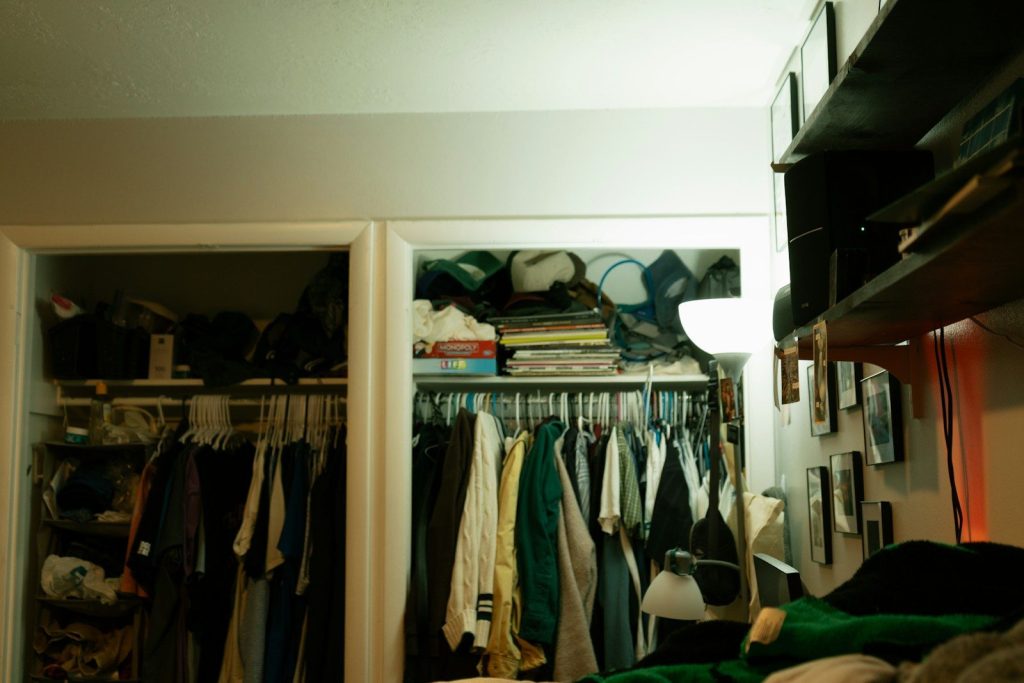
The real win is not just clearing space but keeping it that way. This happens when you become more intentional about what enters your closet after the reset. Every new item should have a clear role, not just an impulse purpose that fades after a few wears.
It also helps to adopt a quiet rule of balance. If something new comes in, something similar should go out. This keeps your closet stable instead of slowly creeping back into overload. Over time, your wardrobe becomes easier to manage without needing another big overhaul.
The Final Reset That Makes Everything Stick
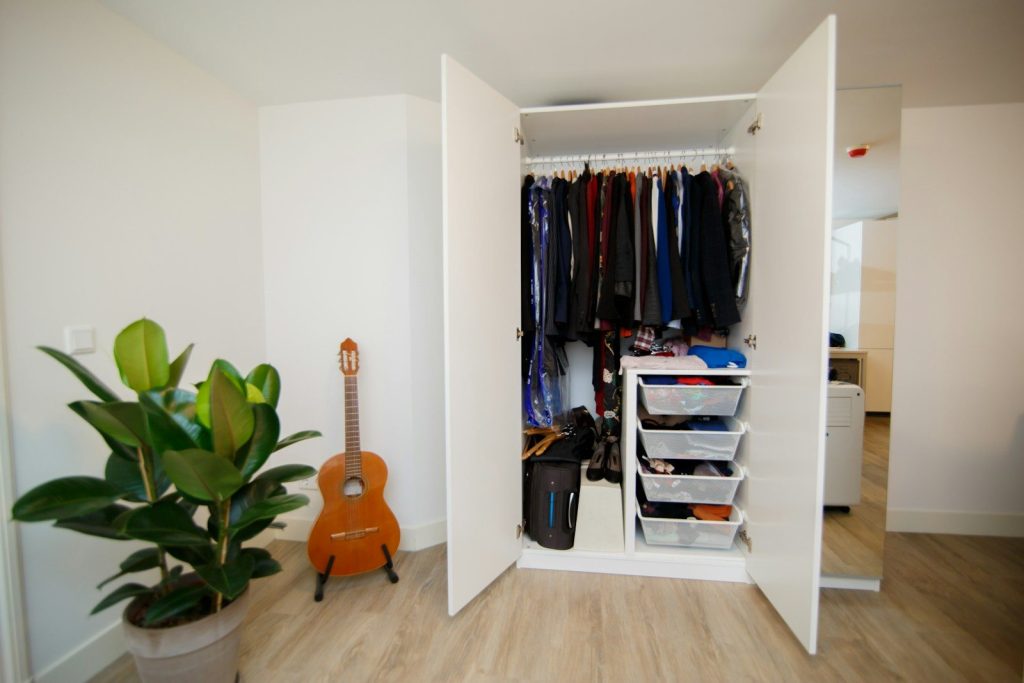
After everything is sorted and placed back, the final step is a quick visual scan of your closet. This is where you make small adjustments so nothing feels cramped or hidden. It is less about rearranging and more about confirming that everything has space to breathe.
Then you lock in the result by leaving the closet better than you found it. That means no leftover piles, no loose hangers, and no unfinished sections. This final habit signals closure to your brain and makes it easier to maintain the system without slipping back into clutter mode.