

Leftovers can save time, reduce food waste, and make busy weekdays much easier. But how you cool, store, and reheat food matters just as much as how you cook it the first time. Many food safety issues happen before leftovers ever reach the microwave. These practical food safety hacks can help you enjoy leftovers with greater confidence while keeping both flavour and safety in mind.
Cool Large Meals Faster Than You Think
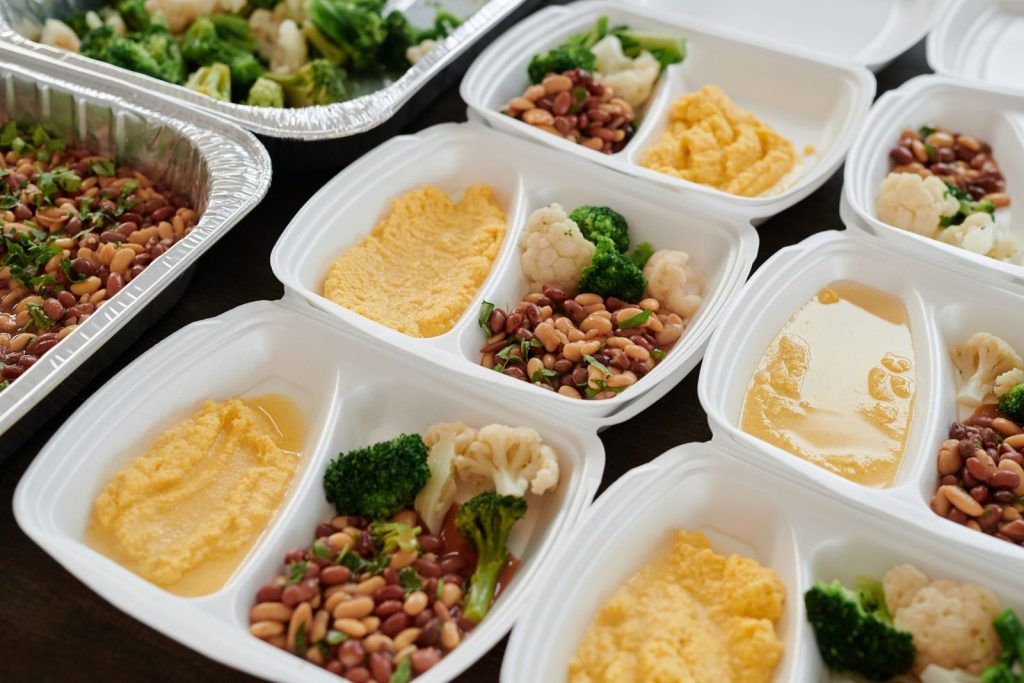
Leaving a large pot of soup or casserole on the counter for hours allows food to stay in the temperature range where bacteria multiply most quickly. Divide large meals into shallow containers so they cool more rapidly before refrigeration.
Label Containers With The Date
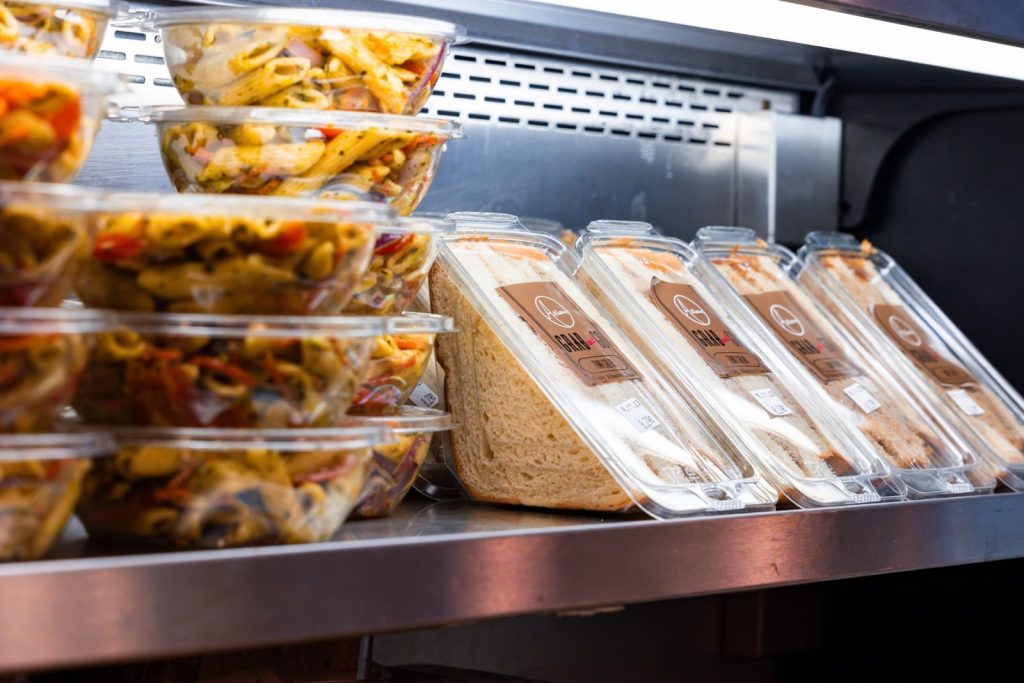
It’s surprisingly easy to forget when leftovers were made. A simple date label helps you keep track of freshness and reduces the chances of forgotten containers sitting in the back of the refrigerator for too long.
Reheat Until The Center Is Hot
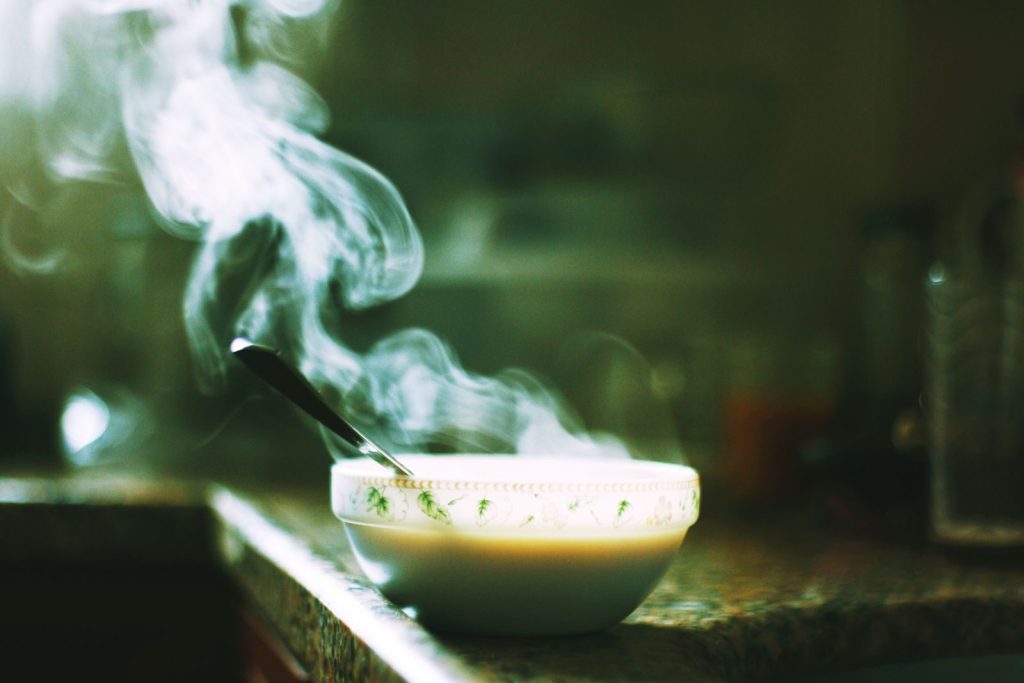
Food should be heated all the way through, not just around the edges. Stir soups, sauces, and casseroles during reheating so heat reaches the center evenly rather than leaving cool spots behind.
Rice Needs Care Before Reheating
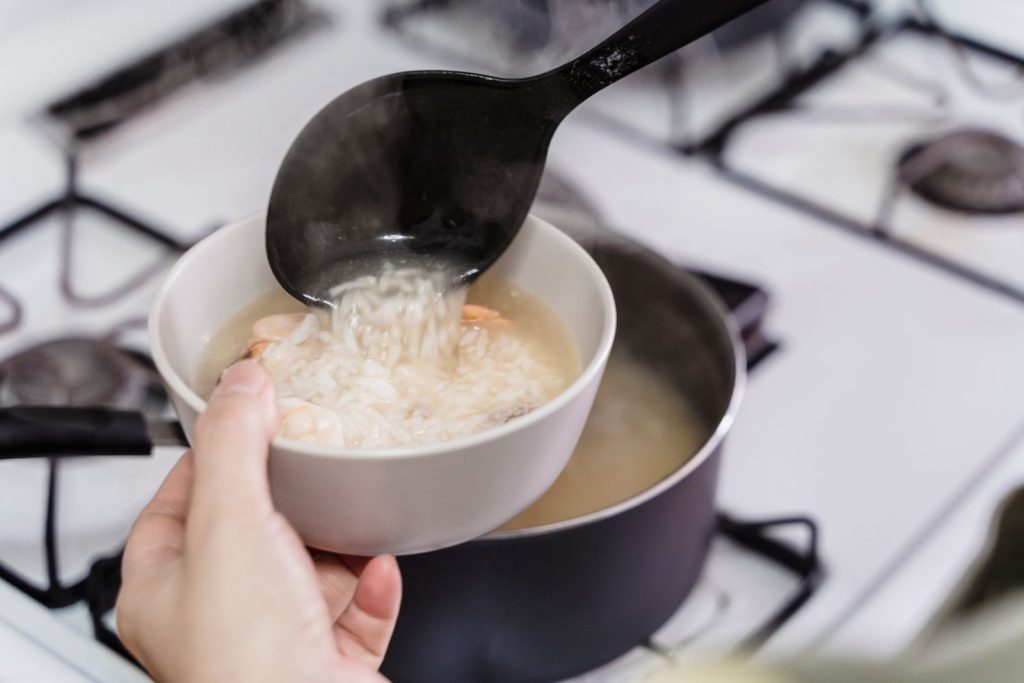
Cooked rice isn’t dangerous because it’s reheated. The bigger concern is leaving it at room temperature for too long before refrigeration. Cooling rice promptly and storing it properly makes reheating much safer later.
Don’t Keep Reheating The Same Portion
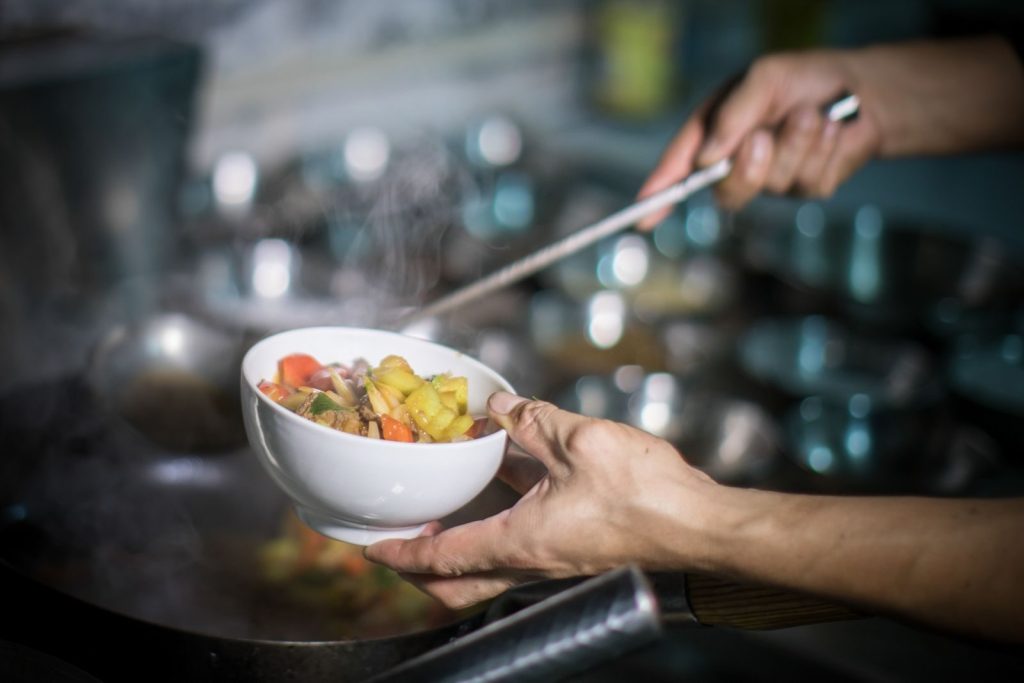
Repeatedly warming and cooling the same container can reduce food quality and create unnecessary food safety risks. Reheat only the portion you plan to eat, leaving the rest refrigerated.
Skip The Original Takeout Container
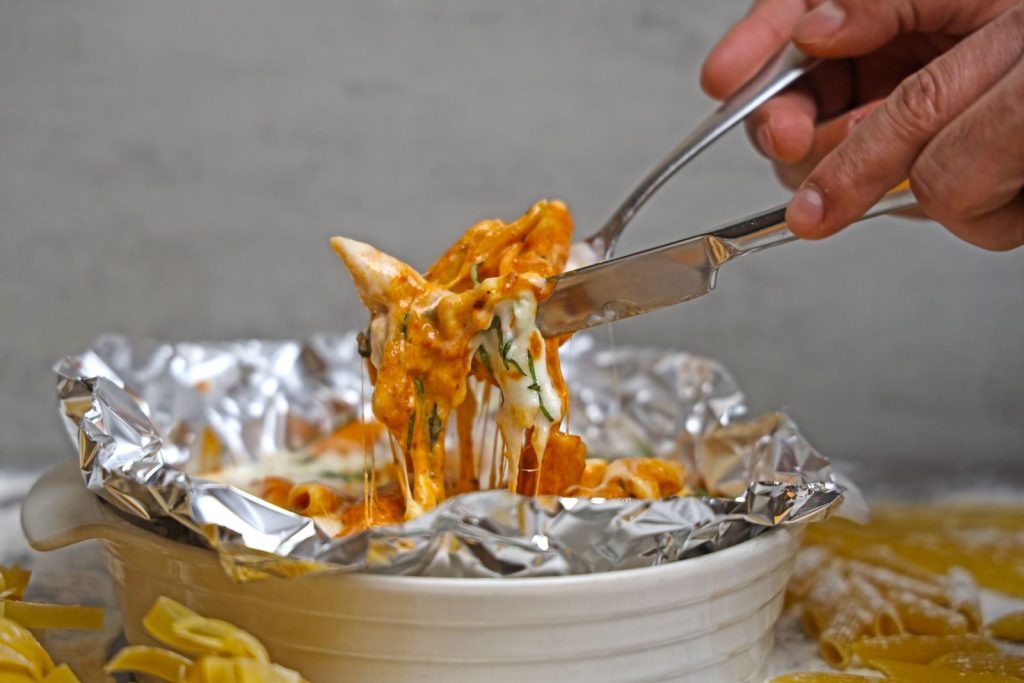
Some takeout containers aren’t intended for repeated microwave use. Moving leftovers into microwave-safe glass or BPA-free containers before reheating can improve both convenience and safety.
Know When The Freezer Is The Better Choice
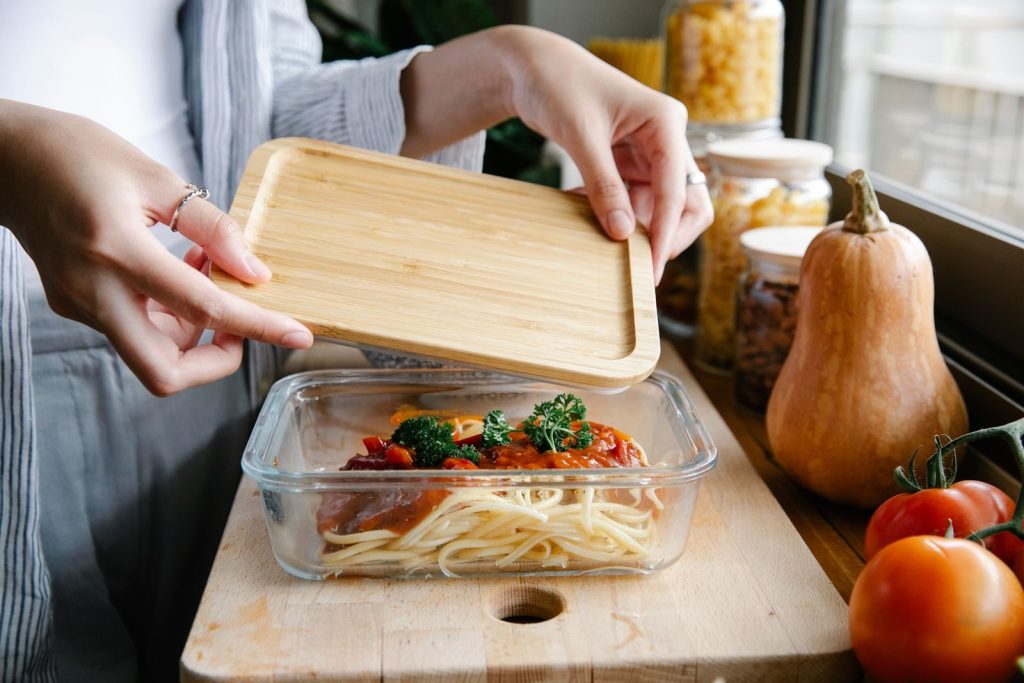
If you won’t finish leftovers within a few days, freezing them while they’re still fresh helps preserve both quality and safety. Many soups, stews, cooked meats, and pasta sauces freeze surprisingly well.
Let Your Senses Be The Final Check

Even when food has been stored properly, always look for obvious signs of spoilage before reheating. Unusual odors, mold, bubbling, or unexpected discoloration are good reasons to throw leftovers away instead of taking a chance.
Better Leftovers Start Before The Microwave
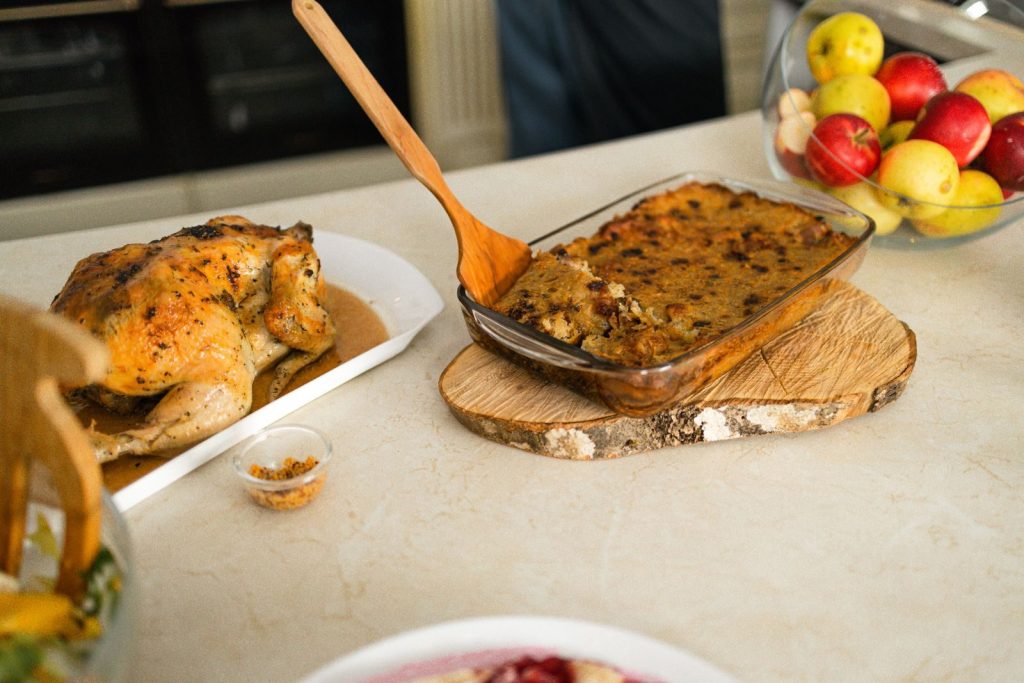
Safe leftovers depend on every step of the process, from cooling and storage to reheating and serving. Labeling containers, refrigerating food promptly, freezing extras before they’re forgotten, and heating meals thoroughly are simple habits that help leftovers stay both enjoyable and safe.