

Most banking advice focuses on saving more or spending less. In reality, some of the most useful money habits have nothing to do with investing or budgeting. They’re the small things that save you from unnecessary stress when your card is declined, your phone battery dies, or an unexpected situation catches you off guard. These banking hacks are easy to overlook because nothing seems urgent until the day you actually need them.
Turn On Alerts For Every Purchase, Not Just Large Ones
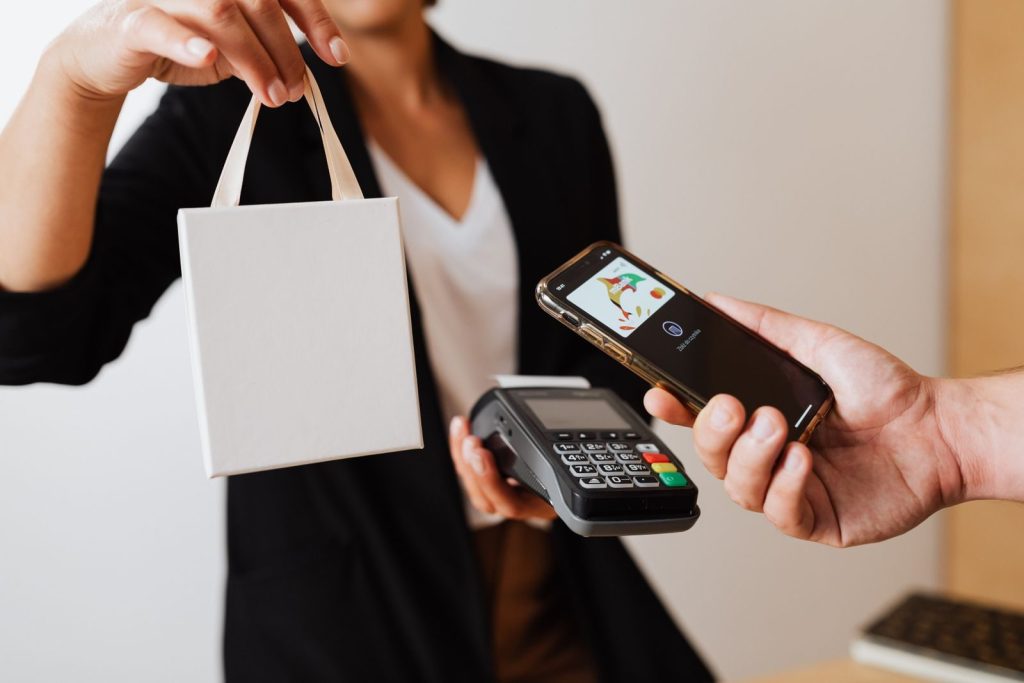
Many people only enable alerts for expensive transactions, but small unauthorized purchases are often how fraud begins. Receiving a notification every time your card is used makes it much easier to spot suspicious activity before it becomes a much bigger problem.
Don’t Let One Lost Wallet End Your Day
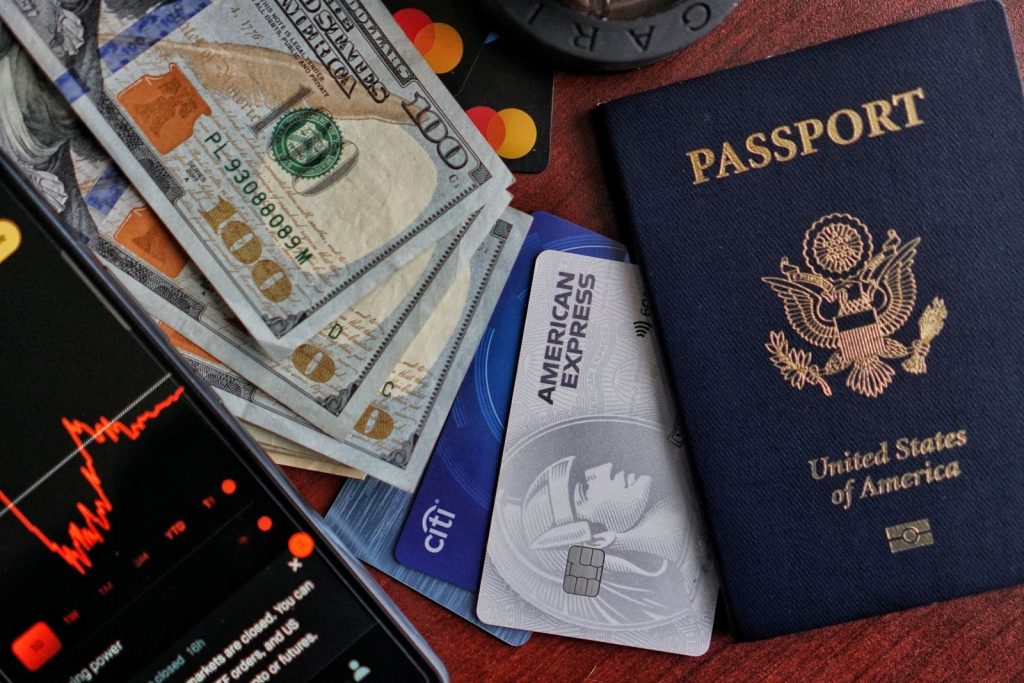
A misplaced wallet or damaged card can quickly disrupt travel plans or even a normal afternoon. Keeping a second payment method somewhere separate, such as a travel wallet, phone wallet, or secure bag, provides an easy backup when your primary card suddenly isn’t available.
Check Your Subscriptions Like You Check Your Fridge
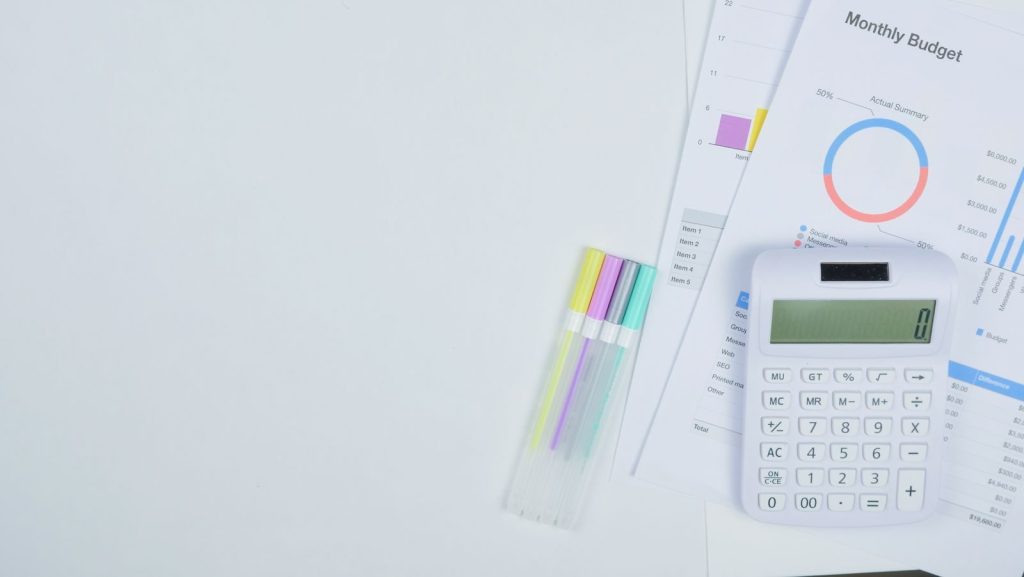
Most people know exactly what’s inside their refrigerator but couldn’t list every subscription leaving their bank account each month. Streaming services, forgotten apps, and old memberships quietly add up over time. A quick review every few months can uncover expenses you’ve completely forgotten about.
Update Your Phone Number Before You Change Phones
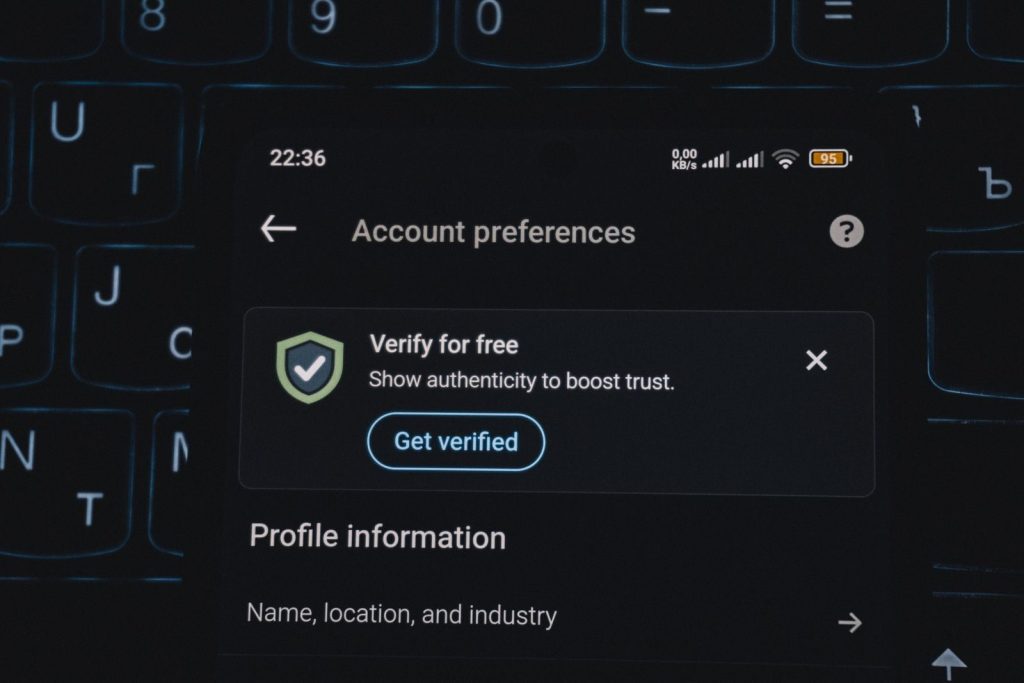
Buying a new phone is exciting, but many people forget that banks rely on your mobile number for security codes and fraud verification. Updating your contact information before replacing or changing numbers can prevent frustrating account access issues later.
Find Out Your Card Limit Before You’re Standing At Checkout
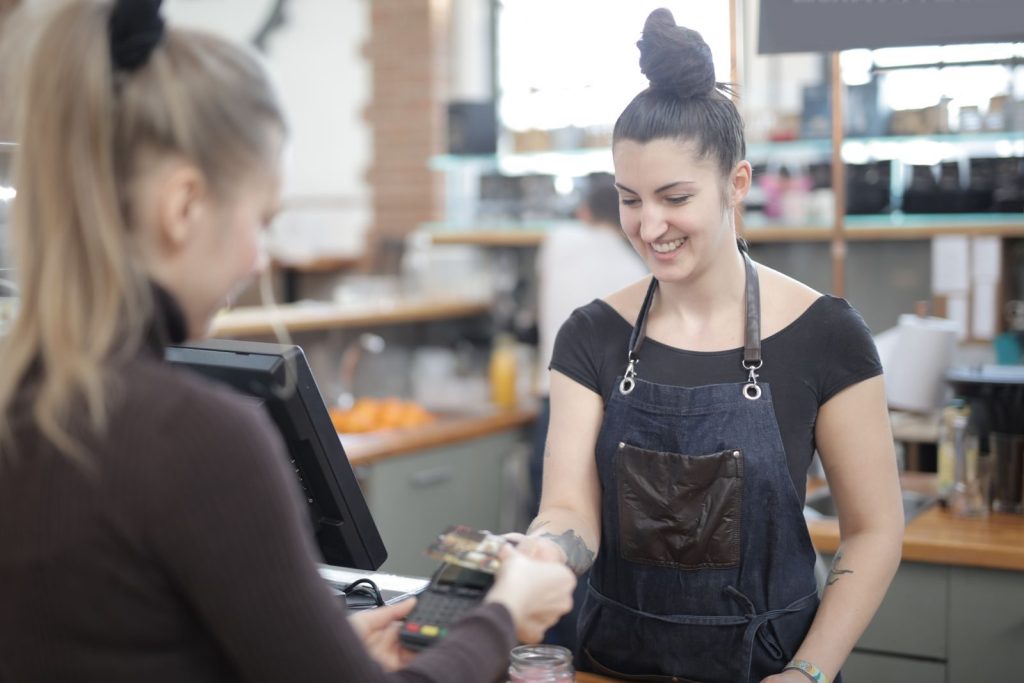
Many people discover their spending or withdrawal limit at the worst possible moment, such as paying for furniture, booking travel, or covering emergency repairs. Checking these limits ahead of time helps avoid awkward surprises during large purchases.
Save Your Bank’s ATM Map Before You Travel
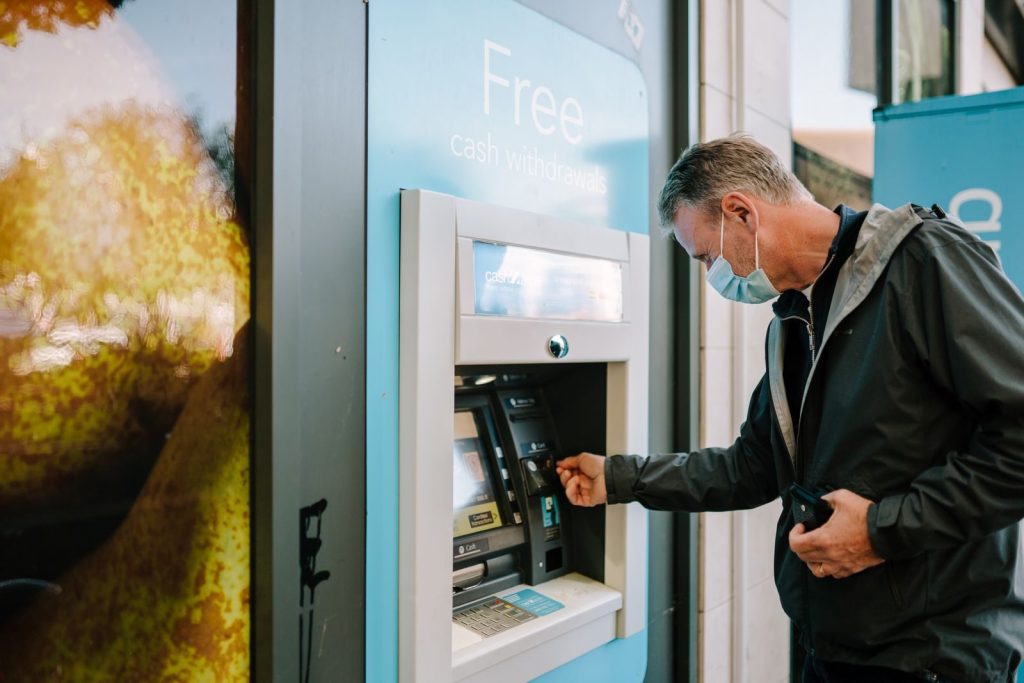
Looking for cash in an unfamiliar city often leads people to expensive third-party ATM fees. Most banks provide ATM locator tools that can be saved before a trip begins, making it easier to find fee-free cash when you actually need it.
Build A Tiny Cash Backup That Stays Hidden
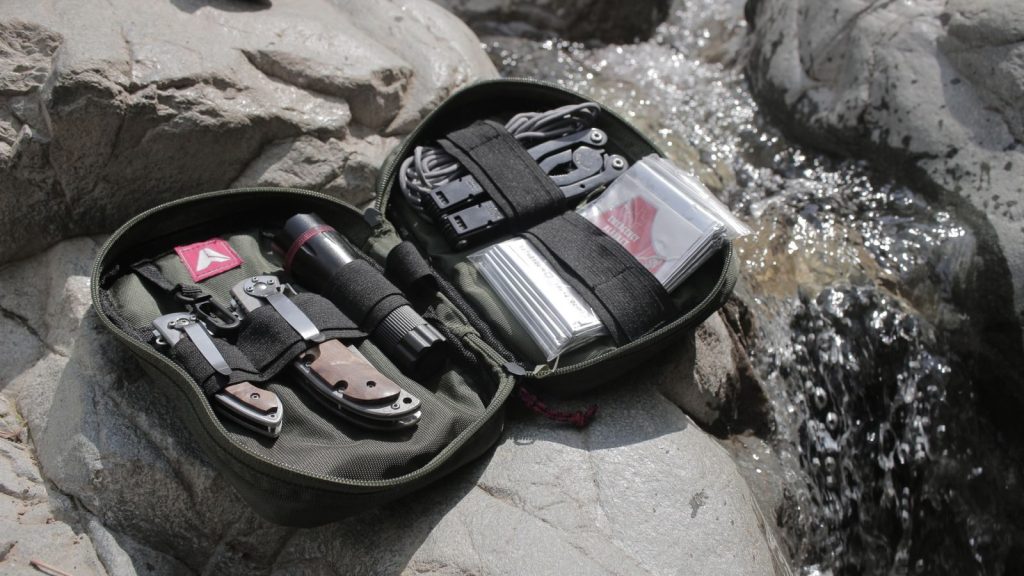
Digital payments are incredibly convenient, but technology doesn’t always cooperate. Keeping a small amount of emergency cash tucked away in your travel bag, emergency kit, or another secure location can help when card readers fail, batteries die, or cash is unexpectedly required.
Good Banking Habits Usually Matter Before You Need Them
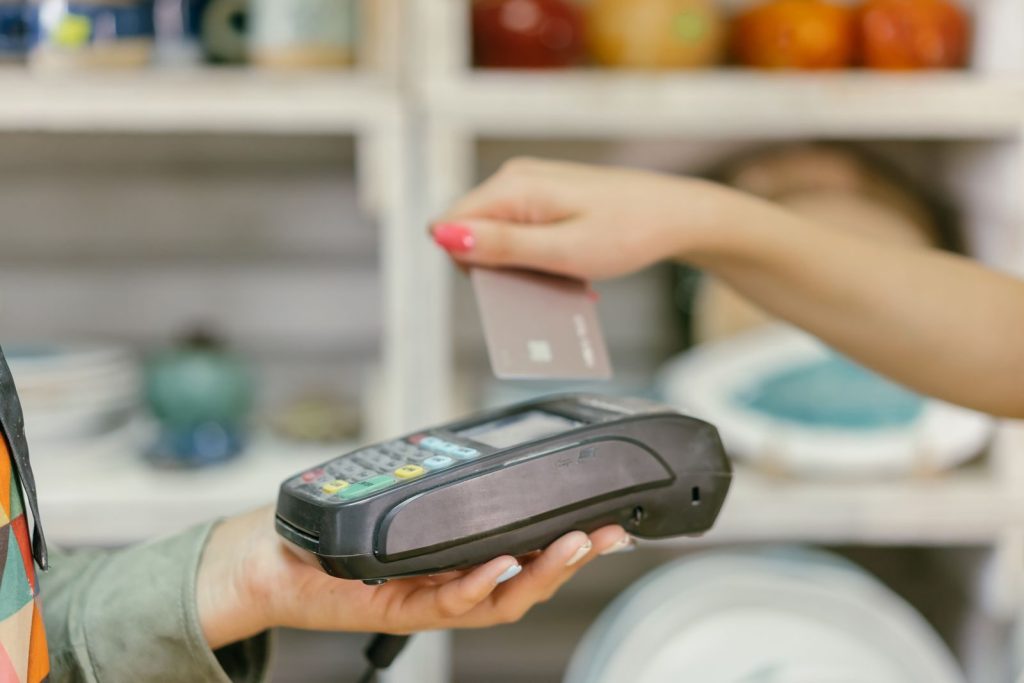
The smartest banking habits are often the ones nobody thinks about until something goes wrong. Spending a few minutes setting up alerts, reviewing subscriptions, understanding card limits, and preparing simple backups can prevent small inconveniences from turning into stressful situations. Sometimes the best financial preparation isn’t complicated at all. It simply means thinking one step ahead.