

Getting enough protein doesn’t have to revolve around bigger portions of meat. In fact, many nutrition experts point out that people often overlook simple ways to spread protein throughout the day instead of trying to fit it all into dinner. These food hacks aren’t about following a strict diet. They’re practical ideas that make it easier to add protein in places you may not have thought about before.
Think In “Protein Layers,” Not One Main Ingredient
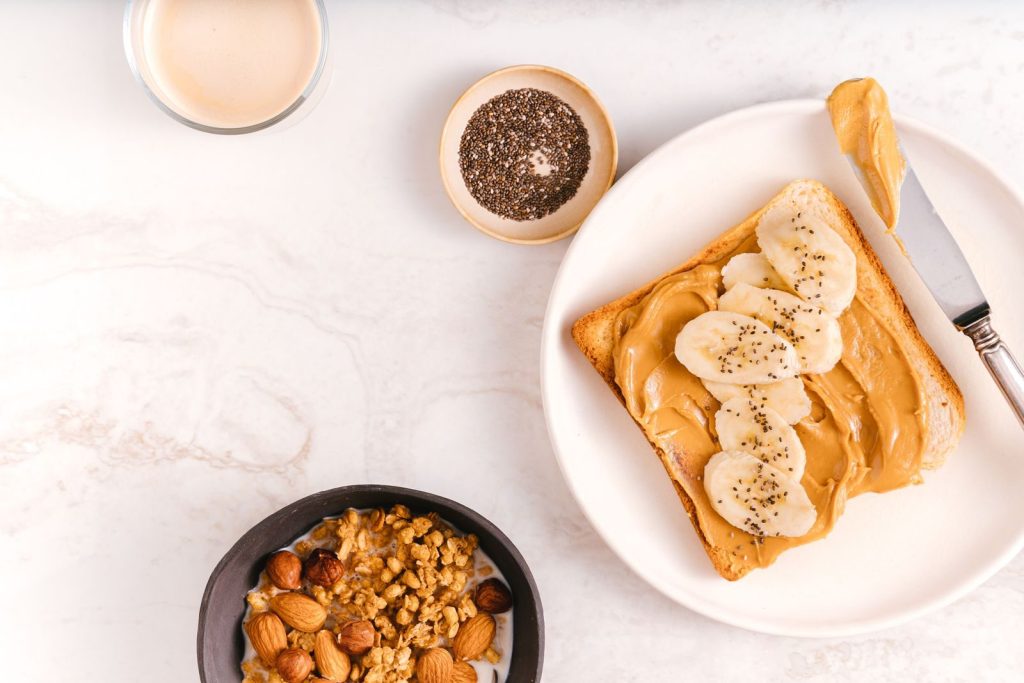
Many people look for a single high-protein food to build an entire meal around. A better approach is stacking smaller sources together. For example, oatmeal made with milk, topped with pumpkin seeds and a spoonful of peanut butter, provides protein from several ingredients instead of relying on just one.
Turn Everyday Toppings Into Protein Boosters
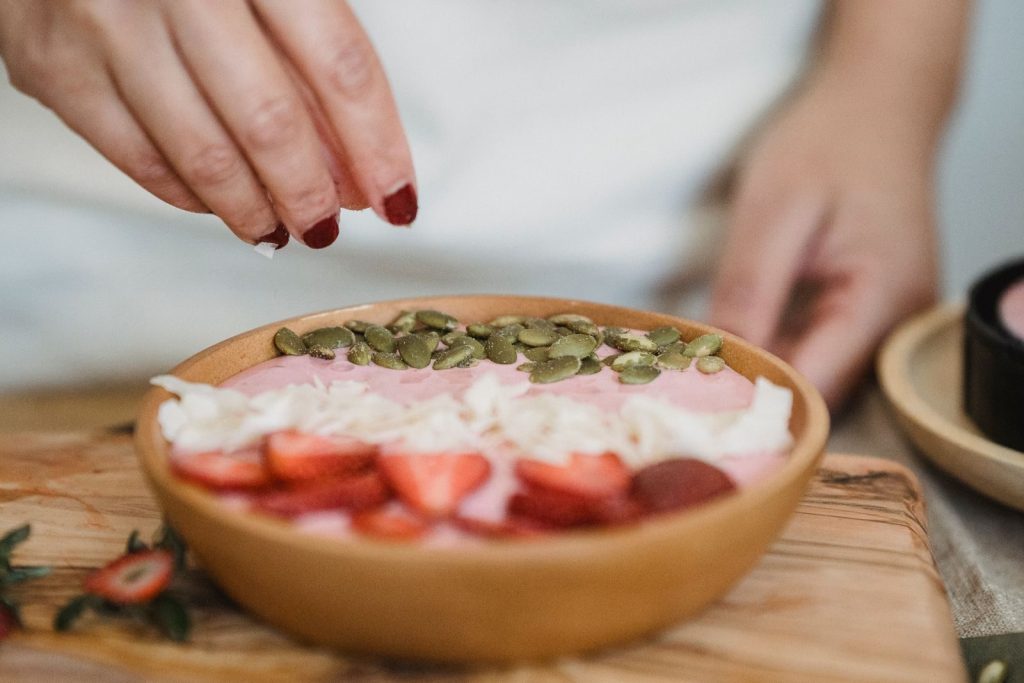
Instead of treating toppings as decoration, use them to quietly increase your protein intake. Pumpkin seeds, hemp hearts, crushed pistachios, roasted soybeans, grated Parmesan, and nutritional yeast can all add protein while fitting naturally onto salads, soups, grain bowls, or roasted vegetables.
Let Breakfast Do More Of The Heavy Lifting
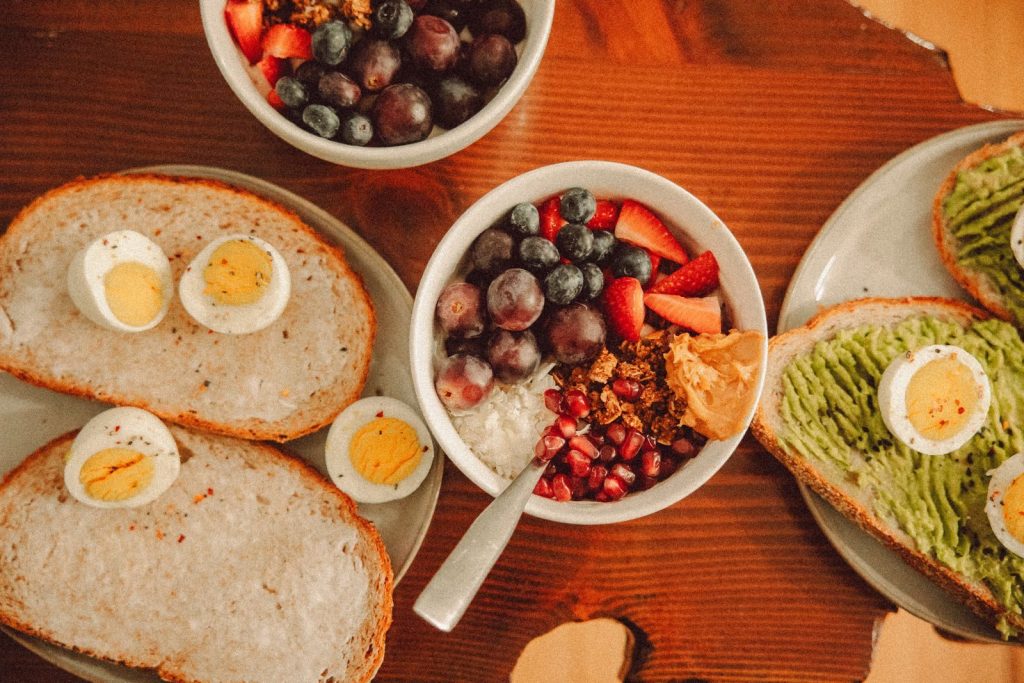
Breakfast often sets the tone for the rest of the day. Swapping a sugary cereal for eggs on whole-grain toast, Greek yogurt with fruit, or overnight oats made with milk can help you start with a stronger protein base instead of trying to catch up later.
Keep One “Emergency Protein” In Your Bag
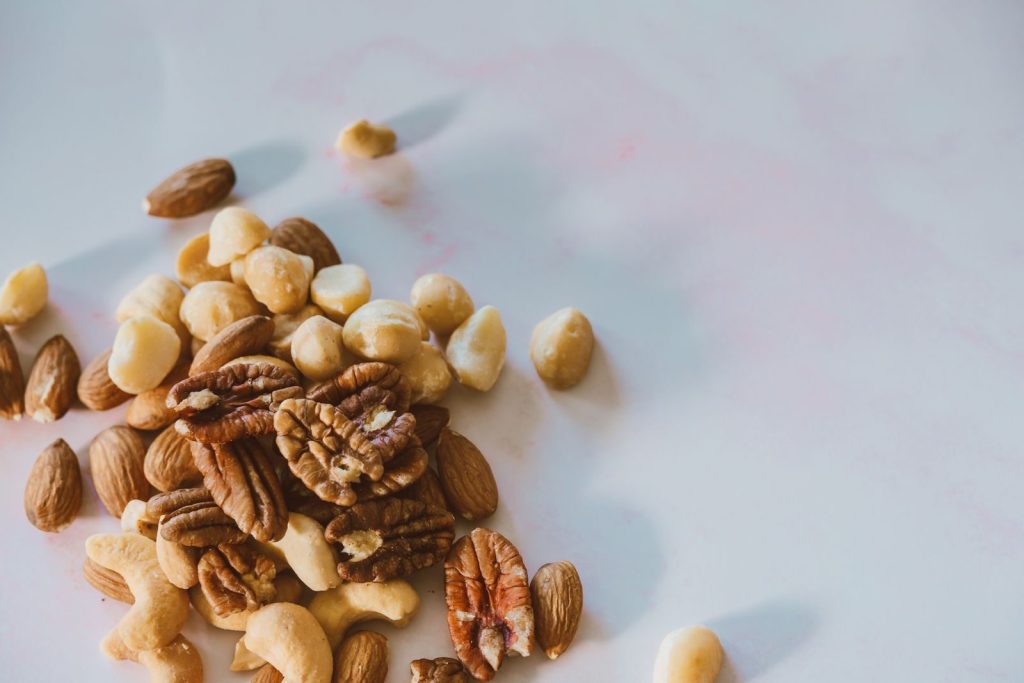
Busy days don’t always leave time for a balanced meal. Keeping something like roasted edamame, roasted chickpeas, a protein bar, or a packet of mixed nuts in your bag or desk drawer makes it much easier to avoid grabbing snacks that leave you hungry again an hour later.
Add Protein Before You Add More Meat
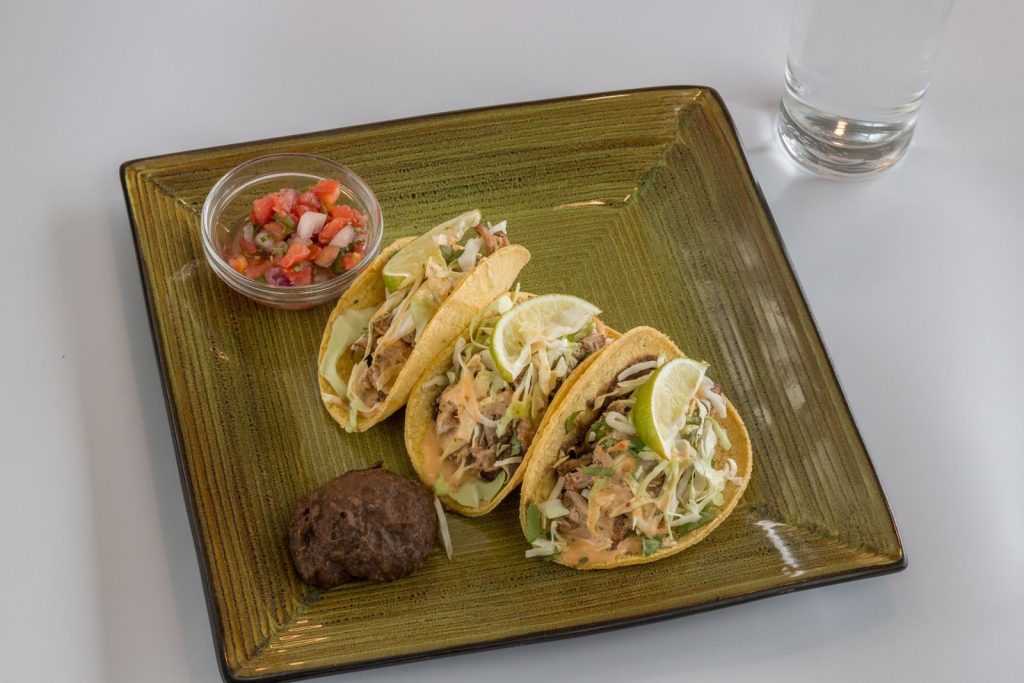
When making tacos, pasta, stir-fries, or soups, try adding beans, lentils, tofu, or quinoa before increasing the amount of meat. These ingredients contribute protein while adding different textures that make meals feel more satisfying.
Look Beyond The Meat Aisle

Some of the highest-protein foods in the grocery store aren’t found near the fresh meat section. Cottage cheese, skyr, canned beans, frozen edamame, tofu, tempeh, and even certain whole-grain pastas can all become regular staples that help diversify your meals.
Make Dessert Work A Little Harder
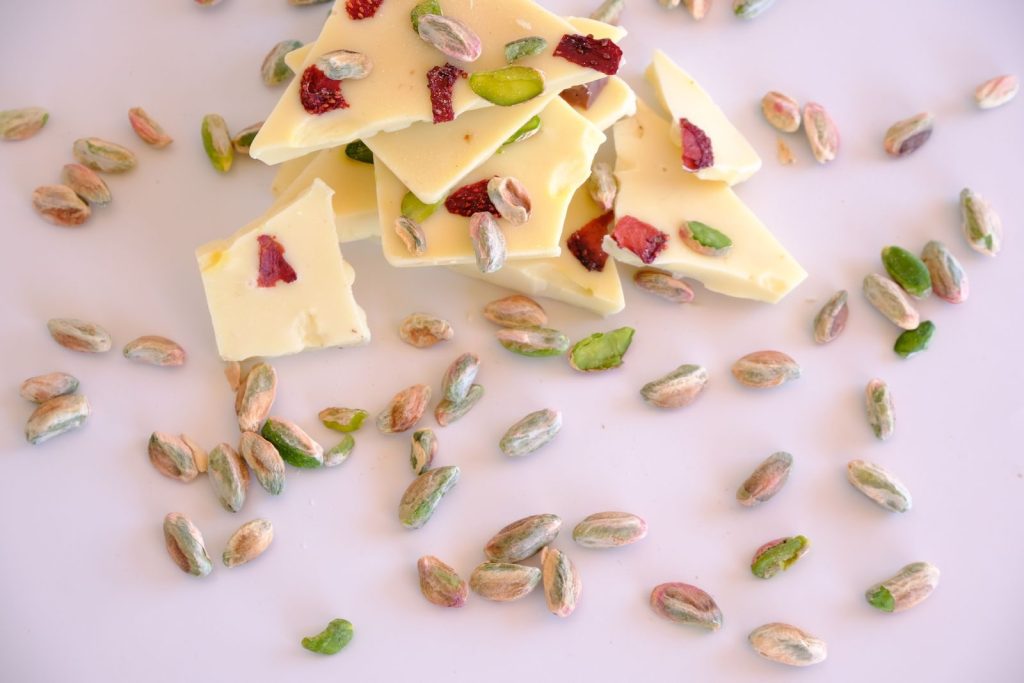
Dessert doesn’t have to be completely protein-free. Frozen Greek yoghurt bark with berries, chia pudding, cottage cheese blended with cocoa, or homemade protein-rich popsicles can satisfy a sweet craving while contributing more nutrition than many traditional desserts.
Protein Doesn’t Have To Depend On Meat Alone
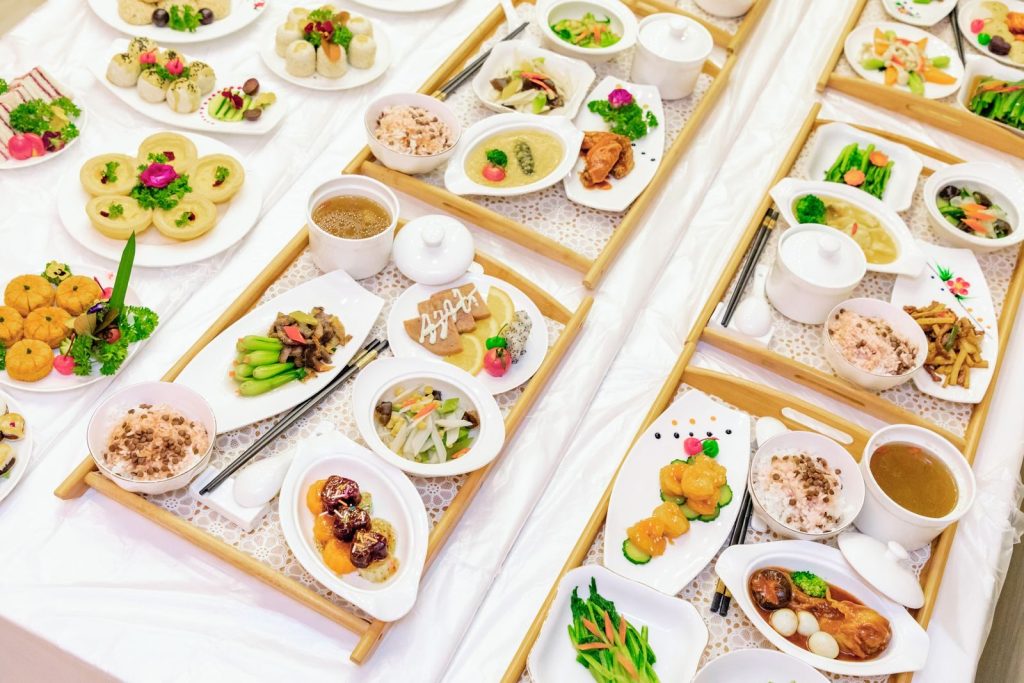
Adding more protein is often less about finding one miracle food and more about spotting small opportunities throughout the day. A better breakfast, smarter toppings, thoughtful snacks, and simple ingredient swaps can all contribute without making meals feel repetitive. Those little changes can quietly add up over time, helping you build a more balanced plate with less reliance on meat.