

Some everyday habits seem harmless until they quietly add up over time. Salt is one of them. It sneaks into frozen meals, restaurant favorites, sauces, snacks, and foods that do not even taste particularly salty. That is why many people are surprised to learn that their daily sodium intake may be much higher than they think. Recent research suggests this hidden overload could have consequences that go beyond heart health and may even influence how well the brain ages.
Instead of focusing on restrictions, a smarter approach is to find simple ways to spot sodium traps and make effortless swaps. These practical strategies can help protect long-term brain function while making everyday eating feel easier, not harder. Here are eight surprisingly effective ideas worth trying.
The Sneaky Sources Nobody Thinks About

Most people blame the salt shaker, but that is often not the biggest contributor. Packaged foods, takeout meals, deli meats, sauces, and frozen dinners can deliver large amounts of sodium before you add a single pinch yourself.
A useful trick is to identify your three most frequently purchased packaged foods and compare labels. Even switching brands can dramatically reduce sodium intake without changing your routine. Small swaps repeated daily often create the biggest long-term difference.
Make Flavor Do the Heavy Lifting

Many people assume lower sodium means bland meals. In reality, flavor comes from far more than salt alone. Citrus, garlic, herbs, peppers, and spices can create satisfying dishes that feel richer and more complex.
Try adding fresh lemon juice or a spice blend before reaching for extra salt. This simple habit retrains your taste buds and often reveals flavors that excessive sodium was masking in the first place.
Turn Restaurant Meals Into Smarter Choices

Dining out can be one of the easiest ways to overload on sodium without realizing it. Restaurant meals often contain far more salt than similar dishes prepared at home.
A simple strategy is to balance the rest of your day around restaurant outings. If dinner is takeout, make breakfast and lunch centered on whole foods. This keeps sodium intake from snowballing while still allowing room for favorite meals.
Build a Better Plate by Default

One of the simplest ways to reduce sodium is not by avoiding foods but by adding more naturally low-sodium options. Fruits, vegetables, beans, nuts, and minimally processed proteins help crowd out hidden sodium sources.
Think of it as changing the foundation rather than the toppings. When whole foods make up most of the plate, sodium naturally becomes a smaller part of the equation without requiring constant tracking.
Watch the Foods That Pretend to Be Healthy
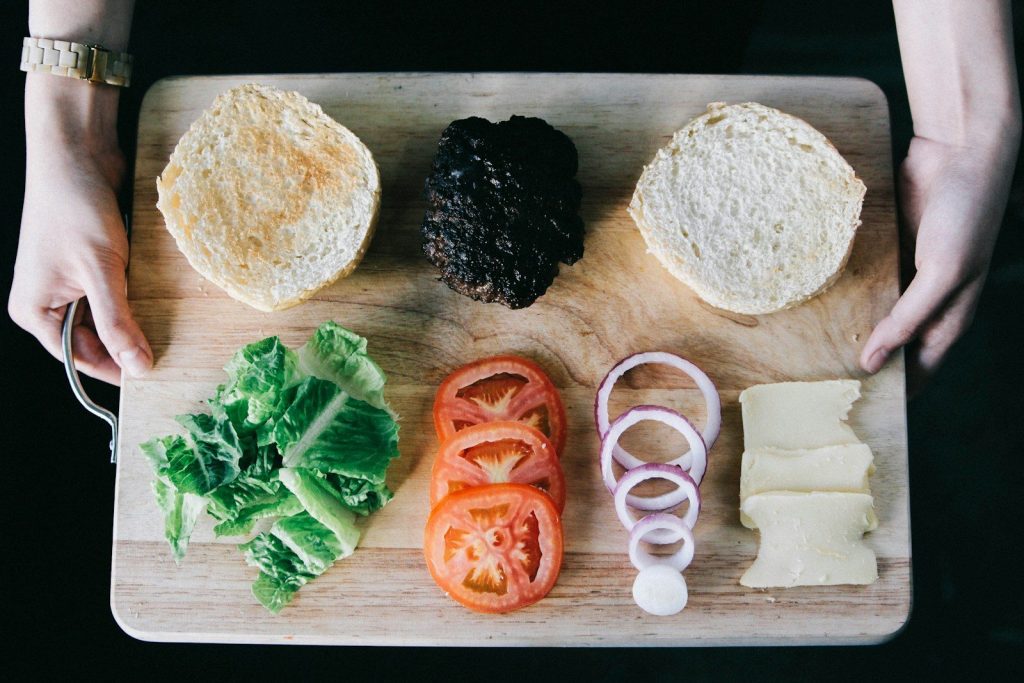
Some products marketed as healthy can still contain surprising amounts of sodium. Soups, wraps, veggie burgers, salad dressings, and even certain breads may pack more than expected.
The shortcut is simple. Whenever a food arrives in a package and carries a wellness claim, spend a few seconds checking the sodium line. Those quick label checks can reveal some of the biggest hidden sources.
Use Memory Clues From Your Body

The brain does not always send obvious warning signs, but excessive sodium can sometimes show up in other ways. Persistent thirst, bloating, headaches, or feeling unusually puffy may signal that intake has crept upward.
Treat these moments as reminders to review recent meals. Looking for patterns can be more useful than focusing on a single food and helps create awareness before habits become automatic.
Rethink Convenience Without Giving It Up
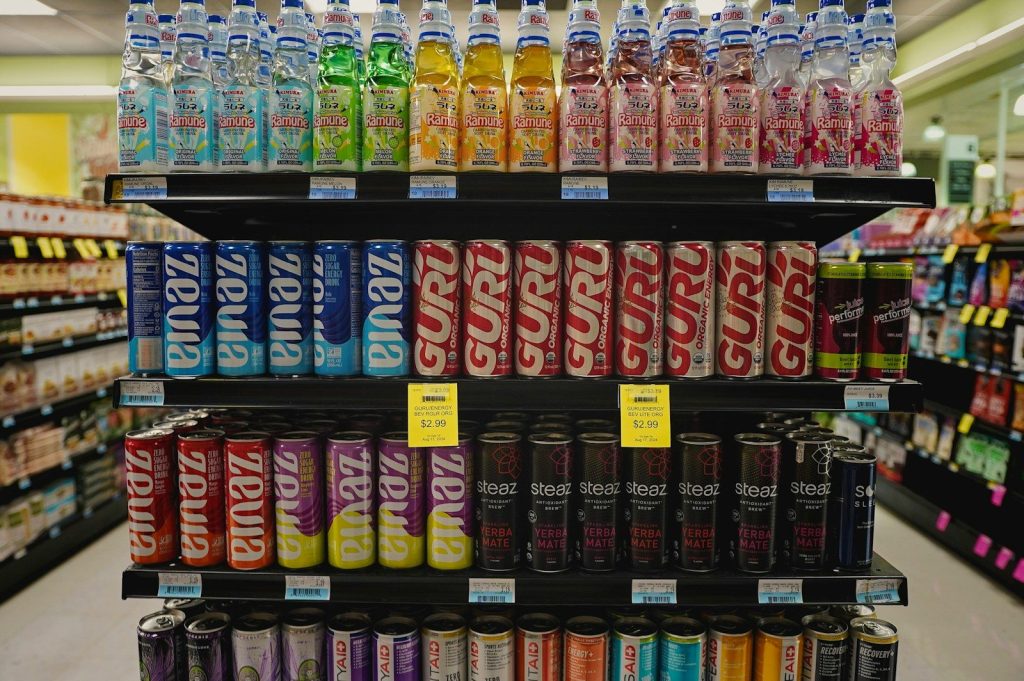
Convenience foods save time, but they often rely on sodium to boost flavor and shelf life. That does not mean they need to disappear from your routine.
Instead, keep a few low-prep staples on hand, such as fresh fruit, unsalted nuts, plain yogurt, or pre-cut vegetables. Having alternatives nearby makes it easier to avoid sodium-heavy choices when hunger strikes unexpectedly.
The Tiny Daily Check That Adds Up

Research suggests higher sodium intake may be linked to faster memory decline in some older adults, making everyday awareness more valuable than occasional drastic changes.
A surprisingly effective habit is asking one question before eating any packaged food. Is this worth the sodium it contains? That brief pause encourages better decisions without turning meals into a complicated math exercise.