

Healthy eating isn’t only about what’s on your plate. Researchers are increasingly exploring how the timing of meals affects the way our bodies process food throughout the day. While there’s no one-size-fits-all schedule, a few evidence-backed habits can help support better energy levels, digestion, and long-term health. These meal timing hacks focus on everyday routines rather than restrictive diets.
Try To Eat Around The Same Time Each Day

Your body likes routine. Studies suggest that regularly changing meal times may disrupt your internal body clock, while eating on a more consistent schedule can better align with your natural circadian rhythm. You don’t have to eat at exactly the same minute every day, but avoiding wildly different meal times can make a difference.
Give Yourself Time Between Dinner And Bed

Eating a large meal immediately before lying down may increase the likelihood of discomfort such as acid reflux, and can interfere with comfortable sleep for some people. Giving yourself a couple of hours between dinner and bedtime allows digestion to begin before you settle in for the night.
Don’t Skip Breakfast Just To Overeat Later

Skipping breakfast isn’t automatically unhealthy, but for many people it can lead to excessive hunger later in the day, making large evening meals more tempting. Starting the day with a balanced meal may help keep appetite steadier through the afternoon.
Spread Your Protein Across The Day
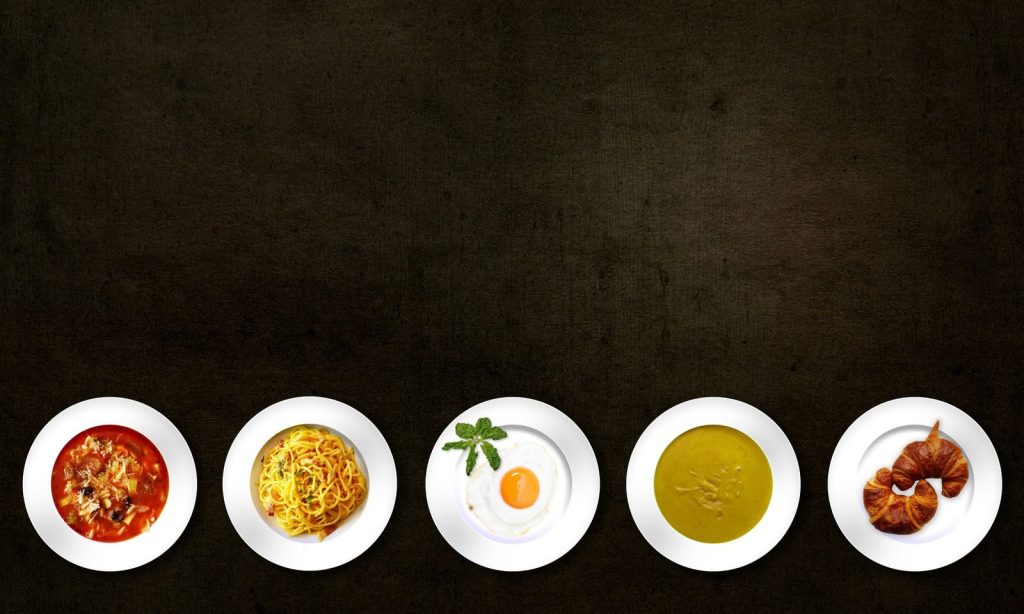
Instead of eating most of your protein at dinner, consider including moderate amounts at breakfast and lunch too. Nutrition researchers have found that distributing protein more evenly may better support muscle maintenance than consuming nearly all of it in one meal.
Let Exercise Influence Your Meal Timing

If you’re planning a longer walk, strength workout, or bike ride, think about when you’ll eat beforehand and afterward. Pairing meals with physical activity can help support energy during exercise and recovery afterwards, without requiring a complicated schedule
Give Your Digestive System A Break
Constant grazing throughout the day may leave little time between eating occasions. While individual needs vary, leaving a few hours between meals instead of continuously snacking can help you become more aware of true hunger and fullness cues.
Make Dinner Earlier When Possible

Many researchers studying circadian nutrition continue exploring the benefits of shifting larger meals earlier in the day rather than eating heavily late at night. While schedules don’t always allow it, moving dinner even an hour earlier may better match the body’s natural rhythms for digestion and metabolism.
Good Nutrition Isn’t Just About Food Choices

Choosing nutritious foods remains important, but when you eat can also shape your daily routine. Building consistent meal times, avoiding heavy late-night eating, spreading protein throughout the day, and creating natural breaks between meals are simple habits that may support energy, digestion, and healthy eating patterns over time.